A personal opinion: Paul Thomas Anderson is the greatest living American filmmaker not named Martin Scorsese. Linking these two is not an original concept, since Anderson has consistently called out Scorsese as a guiding stylistic influence, particularly in his early work (âHard Eight,â âBoogie Nightsâ) when he borrowed heavily from Scorseseâs fiery cutting techniques (âGoodfellasâ) and broken, brutish male anti-heroes (âRaging Bullâ). Both directors are also tireless ambassadors and unabashed cinephiles whose fandom unapologetically informs their filmmaking gusto. Andersonâs âOne Battle After Anotherâ is undoubtedly a tribute toâand occasional break fromâcinematic forebearers: a thrilling, genre-crossing, family epic, it takes giddy delight in an encyclopedic sweep and duty to entertain. Funny, scary and unruly, âOne Battleâ has an insatiable appetite for plot twists, turns, and implosions. A daring, exhausting adventure, âOne Battleâ is at once a departure and totally on-brand for a singularly-gifted SoCal auteur.
To prepare for âOne Battle,â Anderson provided a recommended syllabus of films that informed his visual cues and thematic concerns. Classics ranging from John Fordâs âThe Searchersâ (1956) to Sidney Lumetâs âRunning on Emptyâ (1988) may have motivated Anderson in making âOne Battle,â but the most direct inspiration is Thomas Pynchonâs novel âVinelandâ (1990). Having previously adapted Pynchonâs âInherent Viceâ in 2014, Anderson (who wrote the âOne Battleâ script) transposes the Pynchonâs sprawling underworld and comically-expansive sprawlânot to mention the novelistâs goofy, grim humorâto these modern times. On a giant screen (âOne Battleâ was shot in VistaVision; I saw it projected on 70mm in New Yorkâs East Village), Andersonâs vision is fully-formed yet unwieldy. It is a massive buffet for viewers which offers something (car chases, car crashes, gunfights, sex and sex jokes) for everyone.
From Thriller to Drama to Caper
A plot summary would, if nothing else, point to the filmâs general disdain for tidy packaging. Anderson opens âOne Battleâ in a full sprint, which is to say, in the dark of night, on the eve of a radical act of revolutionary payback. A group of French 75 (yes) membersâwhose names (thereâs a Mae West, a Junglepussy, etc.) feel plucked from Pynchon-ville via Andersonâs playful imaginationâstorms an immigrant encampment to free its captives and hold the perpetrators hostage. Chief among them is Col. Steven T. Lockjaw (Sean Penn), whoâs taken prisoner at the hands of the ferocious Perfidia Beverly Hills (Teyana Taylor). To Perfidiaâs demands (âGet up!â) Lockjaw sits and stares, while a camera from below shows his erection rising, complying. He submits, but vows to see her again, whether for the sake of love, erotic obsession, revenge, some combination of all that or none whatsoever.Â
From there, âOne Battleâ cascades from a revenge thriller to a domestic drama to a seat-of-Lockjawâs-pants caper. When Perfidia retreats (first to witness protection and then ⦠Mexico?), the film dials back to center Perfidiaâs former love, whose adopted name is Bob Ferguson (Leonardo DiCaprio). Their daughterâconceived in the afterglow of a French 75 blitzâWilla (Chase Infiniti) is now sixteen, striving for the attendant normalcy her peers enjoy without reservation. Bob, however, canât shake his French 75 roots: Willa (formerly: Charlene) must carry around a tracking device, canât have a cell phone, and must remember that the revolution will not be televised. On her way to a school dance, Bob grills Willa and her friends (âWhy are they parked so close?!â). DiCaprioâs sad, manic and lovable/pitiable clown recalls the b-list fallen star Rick Dalton from âOnce Upon a Time ⦠In Hollywood.”
DiCaprio and Del Toro are Lovable
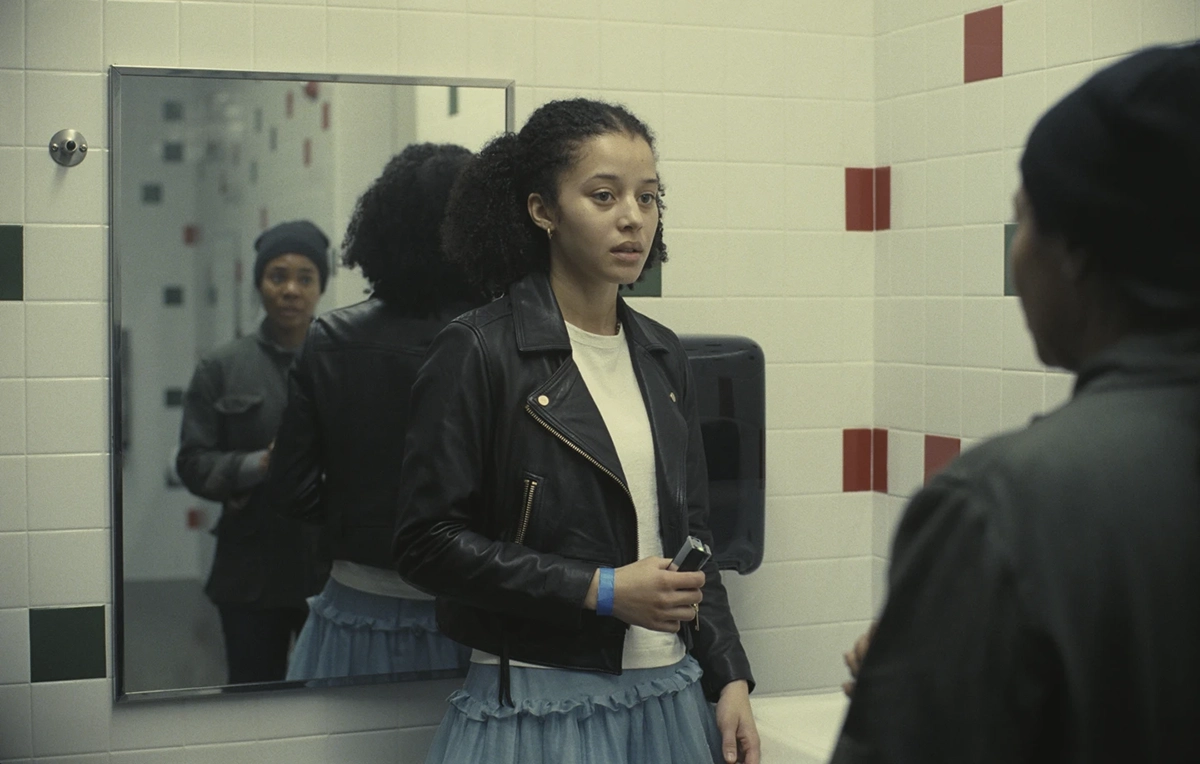
Turns out, Bobâs live-wire vigilance is well-placed. When his old French 75 mate Deandra (Regina Hall) shows up to kidnap/rescue Willa, âOne Battleâ steamrolls into madcap motion. Forced to summon his dulled instincts and dead brain cells (thanks to the years and drugs/drinking) to find Willa, Bob leaps from the couch (where he was watching âThe Battle of Algiers,â more required viewing from Prof. Anderson), springing to action like a postmodern Ethan Edwards, who would save the day if only he could remember the top-secret password. Bob is a walking shtick; however, Anderson doesn’t overdo the comedy, because life can be funny, even (or especially) when itâs relentless and agonizing. And if DiCaprio is the court jester, then Infiniti is the queen, coming to her own rescue and revealing an endless reservoir of self-confidence and ultimately, love for her father.
Although âOne Battleâ skids out of control and stays in overdrive for a moderate chunk of its nearly three hours, the narrative decisions are justifiable because Anderson is steering. And, also, no excuses necessary to make more time for some of the worldâs finest actors, including Hall, Penn and Benicio Del Toro, whose Sensei Sergio St. Carlos is a Pynchon-ian gift to this ridiculous world. He is: (1) Willaâs karate instructor, (2) possibly a trained assassin, and (3) definitely a big-hearted softie who, like Deaandra will play decoy and risk his own safety in the interest of reuniting father and daughter. At this point, I havenât even mentioned Christmas Adventurersâ Club, which acts like a sadistic counter-point to the French 75, serving as both an enabler and foil to Lockjawâs parallel, ruthless gambit for revenge (or, something else entirely) on the Bob-Perfidia-Willa family unit.
Fiercely Zany and Independent Amidst the Noise
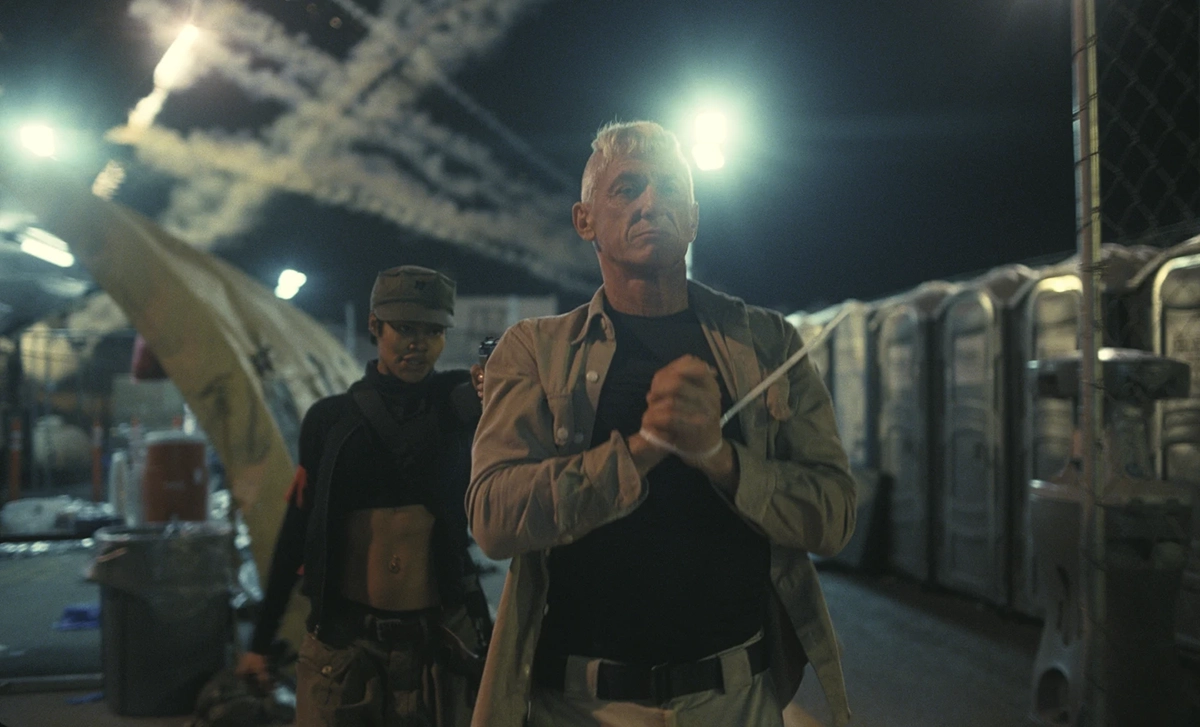
Anderson and Cinematographer Michael Bauman are in stern command navigating an exhilarating finale up and down Northern Californiaâs queasily rolling hills. A knockout sprint to the finish yields to a spotty denouement involving Lockjaw and his doomed induction into the Adventurersâ Club. But itâs hard to blame Anderson for indulging, even if the needledrops (Steely Danâs “Dirty Work” served âAmerican Hustleâ more astutely) and bizarro character follies risk self-parody compared to Andersonâs deft and disturbing studies of glass-shattering emotional violence (âPunch-Drunk Loveâ) and beautiful but insufferable perfectionists (âPhantom Threadâ). My preference aside (canât beat Goodbye Stranger in âMagnoliaâ), âOne Battleâ proudly triumphs on its own terms. Similar to Scorseseâand another GOAT contender, Francis Ford CoppolaâAnderson continues to resist making (paraphrasing Scorsese here) one for them. So, despite a nine-figure budget and big-studio backing âOne Battleâ is fiercely independent, a zany, no-holds barred rollercoaster from a generational talent who has earned final cut.