





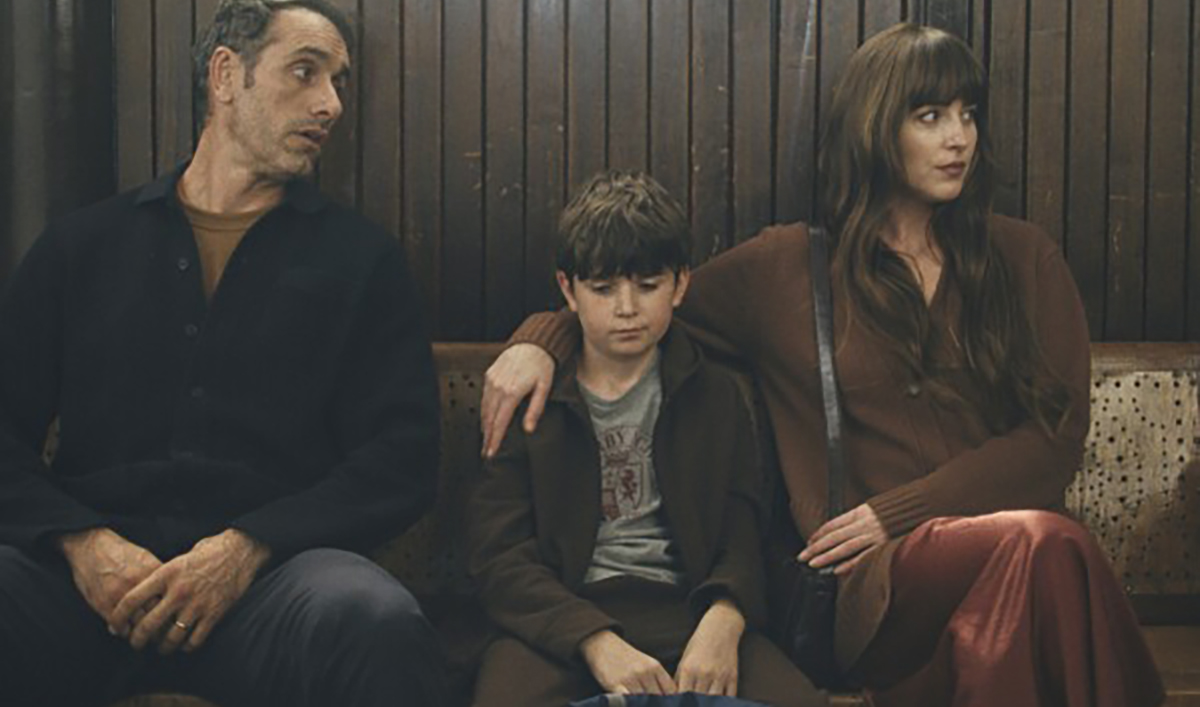
Michael Angelo Covinoâs scattered and silly âSplitsvilleâ (2025) was made by film lovers for film lovers. In some ways, itâs a throwback: shot on 35mm, this caustic rom-com pays tribute to, and occasionally subverts stalwarts of this sturdy genre whose death and resurrection is called for every few years. At its most kinetic, âSplitsvilleâ recalls the eccentric, sweet-and-sour sensibilities of Hal Ashbyâs early-to-mid-1970s win streak (âThe Landlordâ through âShampooâ), but that comparison withers when Covino and his co-Writer Kyle Marvin gorge on a steady diet of dad,-dick,-and divorce-jokes. During the filmâs uneven second half, âSplitsvilleâ leans especially hard on implausible plot twists and shrieking male jealousies, undermining any hope for a richer, deeper battle-of-the-sexes romp. This reversion to a familiar mean lowers the stakes, minimizing the abundant humor and drama, dragging âSplitsvilleâ to its dissatisfying bend, break and repair finale.
The filmâs opening scene introduces newlyweds Ashley (Adria Arjona) and Carey (Marvin), on the road to visit friends at a shore (fodder for Careyâs first-of-many puns) house. In the course of a few minutes, the couple splits, witnesses a death (not near-death, as Carey suggests), and separates. Or, actually, itâs Carey who flees, hoping to avoid divorce talk. So, he sprints out of the car and into the woods, then swims from a lake up to a backyard where he finds Julie (Dakota Johnson), who owns the home with her husband Paul (Covino), Careyâs best friend. The filmâs giddy, unstoppable motor teases and delivers on threats of emotional and physical violence (especially in an extended fight scene which echoes the slapstick horror of âAnoraâ), and Director of Photography Adam Newport-Berraâs roving camera dresses the landscape in a deceptively bucolic hue.
Departs Into Punchlines
Unfortunately, âSplitsvilleâ swerves away from the marriage stories and instead bolts in the direction of a shrill two-hander, centering the boundless jealousy and insecurities of best friends Carey and Paul. Ashley and Julie have plenty of screen-time, but itâs mostly to serve as foils to their flawed, fickle partners. When Carey tries to win back Ashley, pitching an open relationship as the key to marital salvation, âSplitsvilleâ deploys jokes in lieu of rigorous character study. And while everyoneâper Paul and Julieâs endorsementâpursue the freedom of polyamory, âSplitsvilleâ judges all to be Madonnas and whores, punishing those who dare test the limits of an unhappy marriage. In the end, the couples are back where they started, and while growth isnât essential to a satisfying narrative, âSplitsvilleâ would have benefitted from a distinct worldview, rather than predictable punchlines and couples-these-days jabs.
Covino and Marvin, creative partners and close friends, made a splash with the indie breakthrough âThe Climbâ (2019), which ruthlessly and compassionately audited the breakdown of a close male friendship. It was about love, trust and dependency, and a scene-stealing Gayle Rankin propelled the comedyâs sharp elbows and incisive honesty, elevating it from the trap that âSplitsvilleâ settled into. Instead of emerging from or away from of its central preoccupationsâmale inadequacy, paranoia about sexual inferiority and cheatingââSplitsvilleâ offers preciously little insight on the self-sabotaging nature of the men (Carey and Paul) or the forgiving, generous women (Ashley and Julie). Itâs demons versus angels, and when âSplitsvilleâ defaults to cheap shots and gimmicky short cuts (Paul goes to jail, Carey befriends Ashleyâs entire roster of lovers), it defaults on its considerable early promise in favor and turning something new into something borrowed.Â
Falls Behind ‘The Climb’
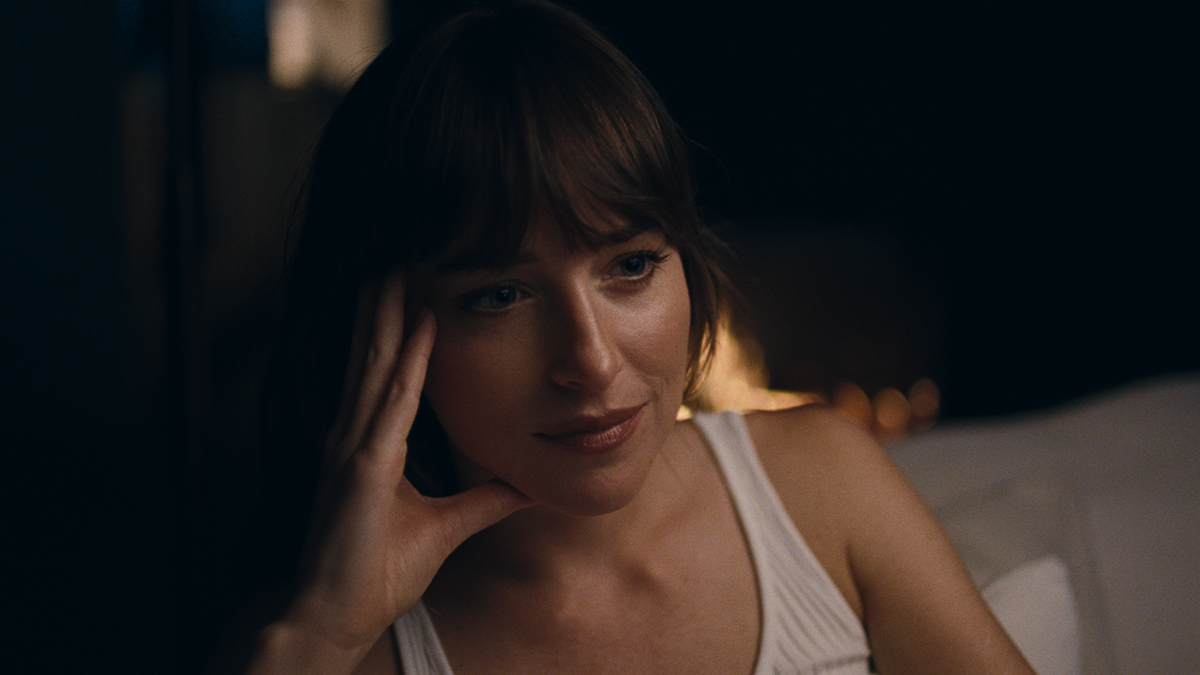
As a fan of âThe Climbâ I was rooting for âSplitsville,â anticipating a breakout sophomore effort for Covino that builds on that electric debut. For a good portion, âSplitsvilleâ looks fresh and sounds even better, thanks to David Wingo and Dabney Morrisâ score, a dead ringer for Jon Brionâs (âPunch-Drunk Loveâ) swoony, melodic melancholy. And yet, unlike any Old (think: George Cukor or Preston Sturges) or New Hollywood predecessorsâparticularly Ashbyâs brilliant roundelay âShampooâ (1975)âthe main players in âSplitsvilleââCarey and Paulâare too self-involved and immature to see their place in the world, outside of a specific moment or malady. And so they shout, protest and scream louder, single-and simple-mindedly lumbering to the end goal of winning back the spouses neither of them deserve.
The evidence in support of monogamy turns the film almost into a wonky polemic, and the surfeit of prospective and actual suitors cycling through (including standout television actors Nicholas Braun and O-T Fagbenle, making meals of thin characters) teases us into believing the outcome might be surprising. And in a way, it should be a shock that the whiney, lying guys (and in Paulâs case, a convicted felon) get the girls, but again, thatâs where âSplitsvilleâ departs from its superior peer group. Still, the ample creative talent behind and in front of the camera nearly ushers âSplitsvilleâ up from mediocrity (so does the crisp 35mm print, demanding to be seen in theaters). Hereâs hoping the next Corvino-Marvin collaboration retains its funny bone yet returns to a more humane approach to understanding relationship peaks and valleys, a challenge âThe Climbâ executed with commendable grace.
âSplitsville,â a Neon release, is currently out in theaters.




