





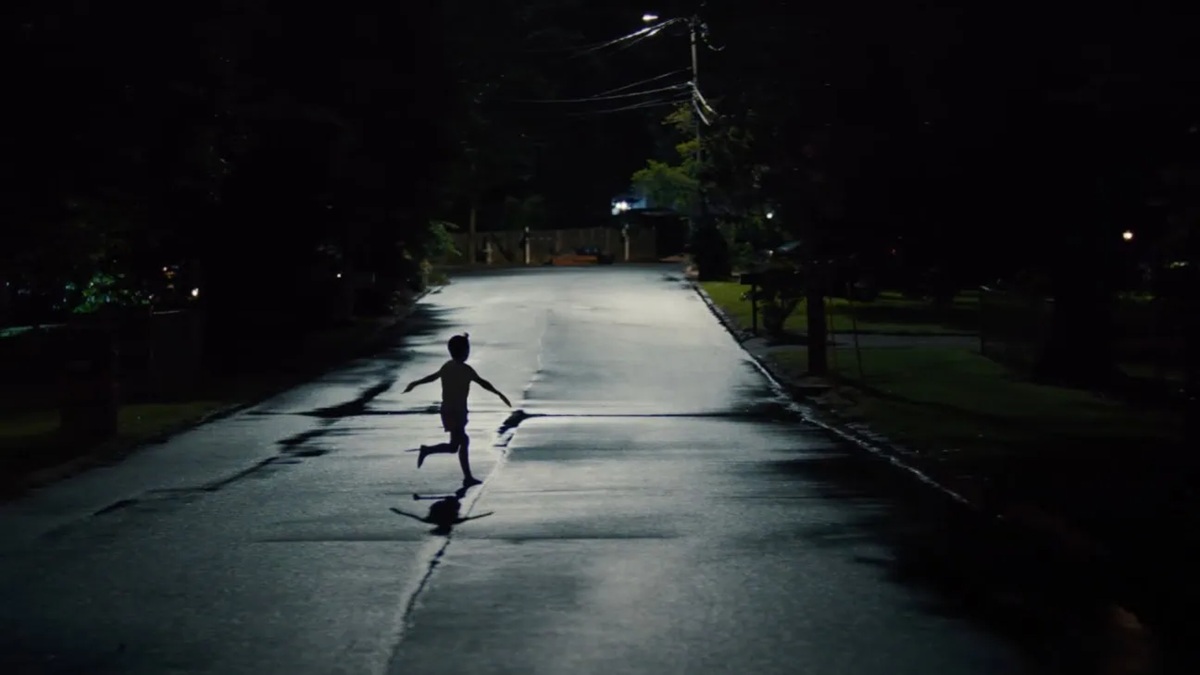
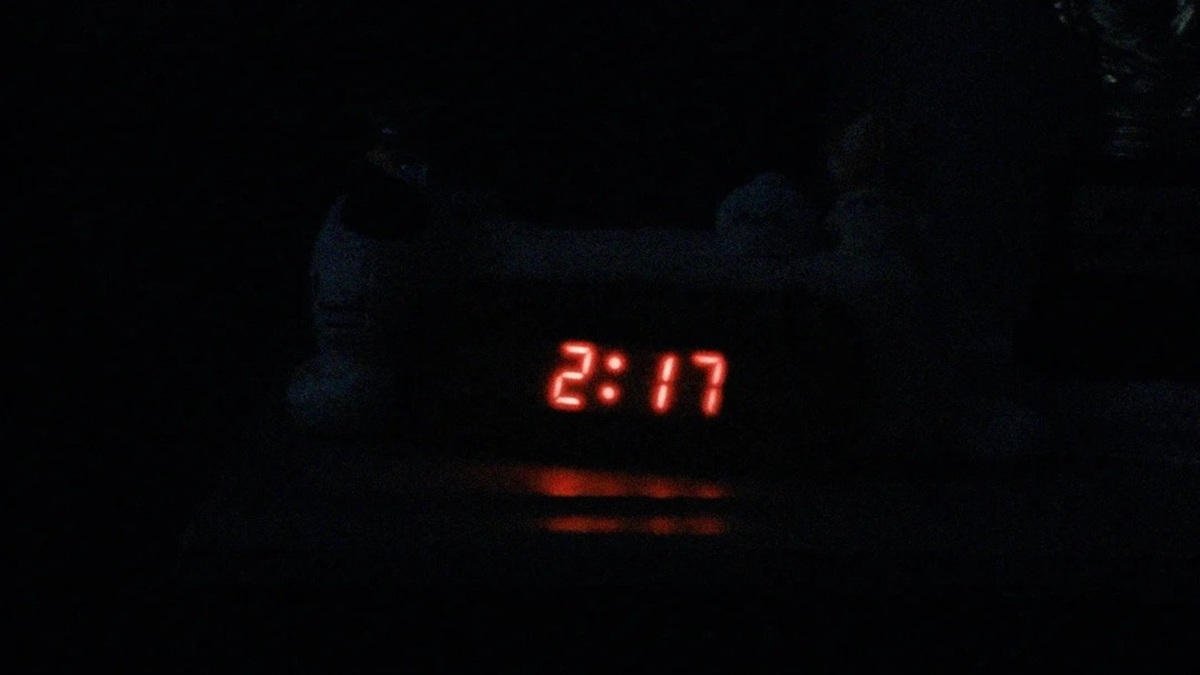
2:17 AM. One by one, in some mysterious fugue state, seventeen schoolchildren quietly exit their homes, run with arms open wide, and vanish into the night. No blood, no noise, no struggle. Just the eerie hum of George Harrisonâs âBeware of Darknessâ soundtracking their unsettling exodus.
What a way to start a film.
“Weapons,” Zach Creggerâs latest mystery horror, is less an adrenaline rush than a slow, disquieting unraveling. Think “Rashomon” in an Altmanesque suburban hell, a dread-filled mosaic of multiple perspectives that might make Paul Thomas Anderson blush. Itâs rough around the edgesâno thanks to the many tonal shifts it jugglesâbut “Weapons” does just enough to hold our attention and let the creeps seep in and linger.
On paper, the film might read like a procedural. But Cregger isnât interested in clean narrative arcs or investigatory catharsis. On the contrary, he trades the gonzo structure-flipping and visceral shocks of his previous film “Barbarian” for something more sprawling and elusive. If “Barbarian” was a haunted house ride, “Weapons” is a funeral procession viewed from six different hearses. Itâs slower, more opaque, and certainly more ambitious.
A Disappearance That Echoes
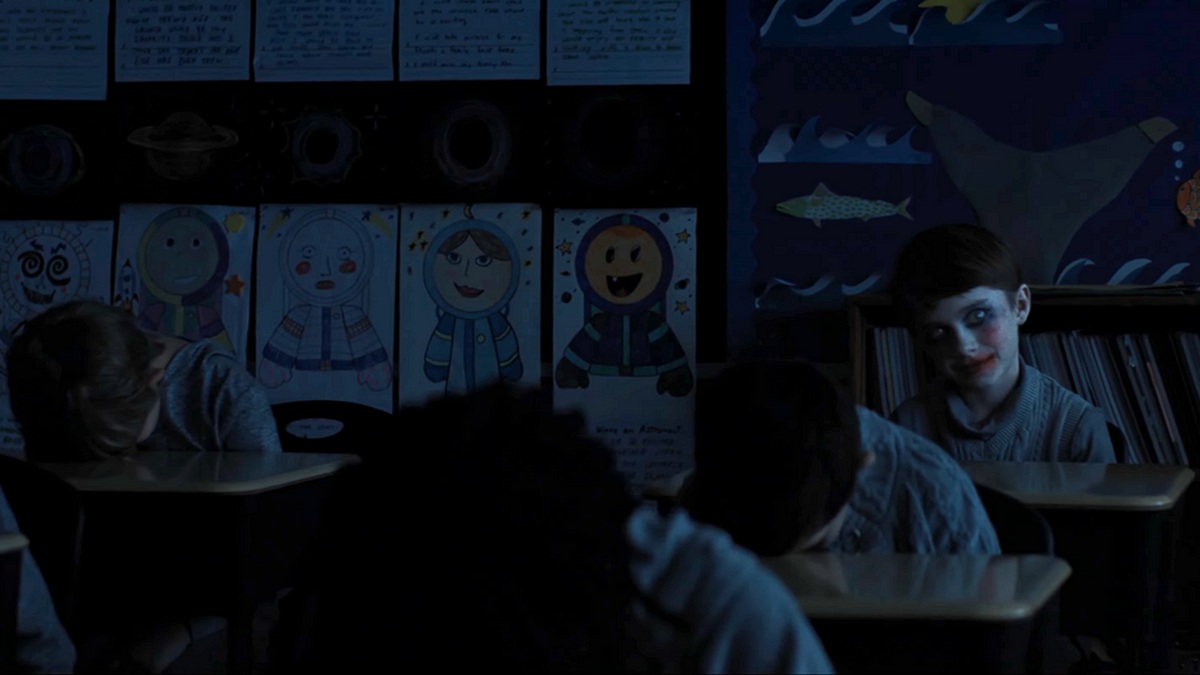
At 2:17 AM, 17 elementary school children vanished. No forced entry, no signs of abduction. They simply walked out, driven by something unnamed, and were never seen again. The filmâs first hour captures the psychological aftermath of this surreal event, painting a portrait of grief and suspicion across a small town that quickly turns inward. As the police flail and media blackout looms, suspicion festersâand so does a different kind of horror.
We hear an expository voiceover from a young narrator, speaking in past tense, who tells us this happened two years ago in the town where he grew up. The story, he says, never made national headlines because the local leadership covered it up. It’s that confessional framingâhalf urban legend, half repressed memoryâthat primes the filmâs unnerving tone.
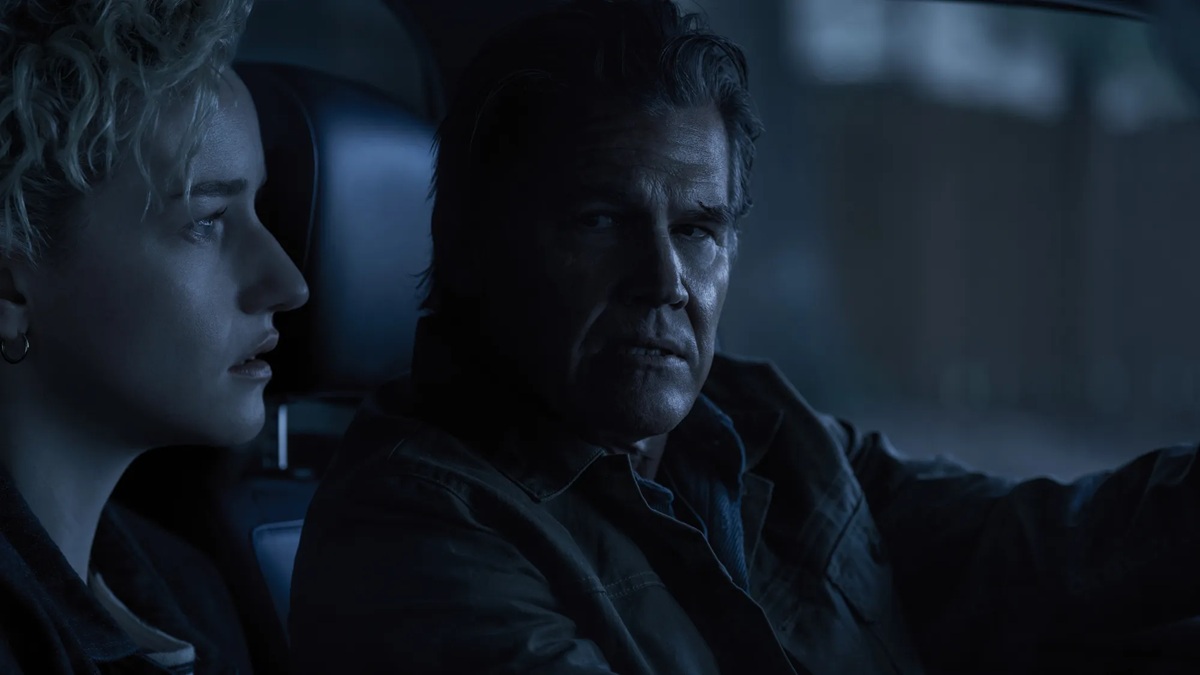
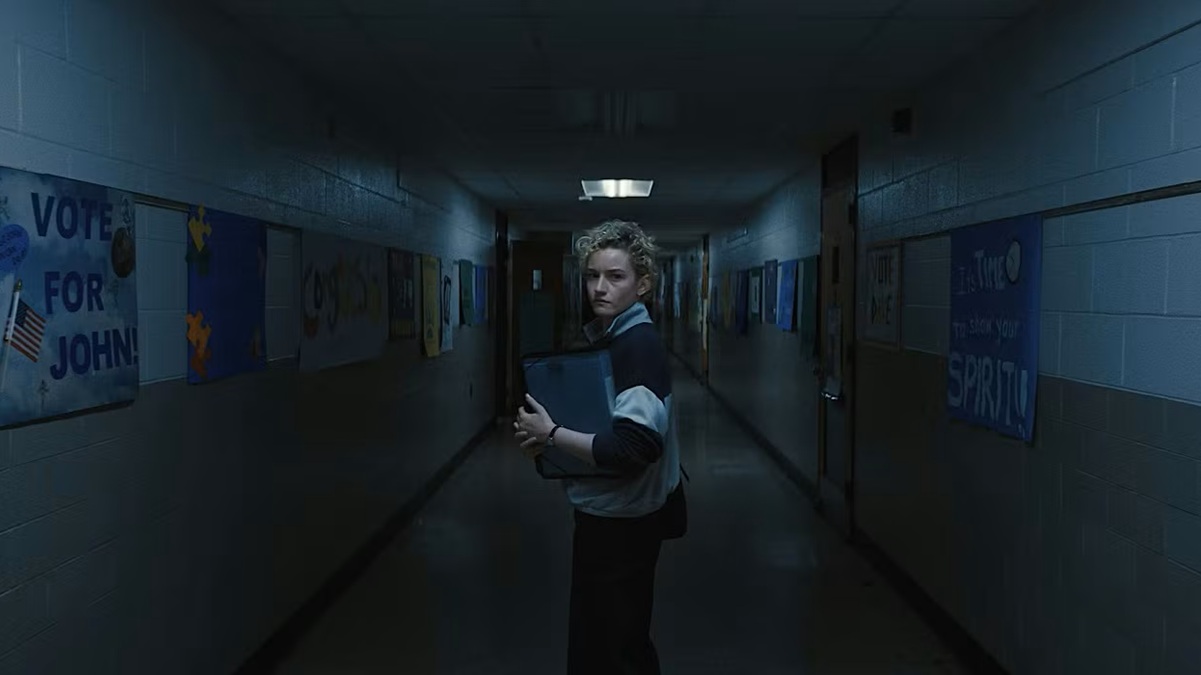
The disappearances all stem from one class at Maybrook Elementary. All students gone, except for Alex (Cary Christopher), a timid, oft-bullied kid whose sudden survival sparks theories from nearly everyone around him. Cregger lets us experience the fallout from multiple angles, including Alexâs point of view: Justine (Julia Garner), the new class teacher whose history of alcoholism and suspicious employment gaps draw attention; Archer (Josh Brolin), a grieving father who channels his loss into a search for answers and is certain Justine is hiding something; Marcus (Benedict Wong), the well-meaning principal whose warmth might be his downfall; Paul (Alden Ehrenreich), a cop caught between duty and a secret affair; and even James (Austin Abrams), a twitchy addict whose aimless break-ins end up beingâ¦less aimless than we think.
The Echo Chamber of Perspective as Horror Goes Mythic
Cregger plays the long game here. He uses this carousel of perspectives not just as narrative gimmickry but as an emotional map to let tension metastasize. Each character reveals a different facet of the traumaâand their own self-deceptions. Justineâs arc bleeds into Paulâs, which collides with Jamesâ, all of them orbiting a growing sense that something deeply wrong is embedded in the townâs foundation. Even Alexâs point of viewâwhere we glimpse his confused emotional world and the suffocating presence of his auntâadds texture without handing us clarity. Cregger trusts us to notice the connective threads without yanking them into place for us.
Zach Cregger doubles down on tone, tension, and dread in a daringâand unnervingâsophomore effort
However, thereâs a risk in juggling this many viewpoints: who exactly are we supposed to follow, and why? The answer shifts, sometimes compellingly, sometimes frustratingly. There’s an irony here, almost self-aware: a structure built for clarity ends up emphasizing the very absence of it. Maybe thatâs the point.
Of course, there is an answer, or at least something close to one. The film eventually pivots into supernatural horror, with a revelation involving a ritual that requires thorny stems, lots of blood, and a bell. If that sounds outlandish, it is. And the tonal pivot is sharp, too: what begins as an elliptical thriller morphs into something closer to grim fairy tale, culminating in a final act of grotesque catharsis.
Creggerâs Craft: Direction Over Definition
With “Weapons”, Cregger also continues to show heâs one of horrorâs most exciting new formalists. Like Jordan Peele before him, the filmmaker blends high-concept premises with an unshakeable mood and a wicked streak of dark humor. Granted, “Weapons” is less frantic than “Barbarian,” but its setpieces still sting; none more so than the haunting early sequence of the children vanishing into the dark while âBeware of Darknessâ plays. Itâs both absurd and terrifying, and Cregger knows it. You laugh nervously, then stop when you realize the laughter doesnât help.
The performances elevate what couldâve been a gimmicky structure. Garner, just weeks removed from her thankless role in “The Fantastic Four: First Steps,” is magnetic here. She brings rawness, restraint, and mounting panic to Justine, a character constantly misunderstood and misjudged. Brolin, too, is exceptionalâhis Archer isnât just grieving but unraveling. The paranoia, guilt, rage, and confusion swirl in him without ever turning into melodrama. Meanwhile, Cary Christopher is the quiet MVP, playing Alex with a kind of distant stillness that chills more than any line of dialogue could. And Amy Madigan, in a pivotal role Iâll deliberately not describe, brings unnerving nuance to a character that could have easily veered into caricature.
Technically, the film excels. Joe Murphyâs editing and the devilishly playful score give “Weapons” a heartbeat thatâs as disorienting as it is hypnotic. Thereâs a rhythmic pizzicato running through certain transitions that manages to be funny, eerie, and chaotic all at onceâa kind of tonal syncopation that Cregger pulls off more often than not.
Toeing the Line Between Controlled Chaos and Collapse
That said, not everything lands. Creggerâs ambitions as a narrative weaver are clearer than ever, but his character writing still leaves something to be desired. Stripped of its hyperlink-style storytelling, the plot is surprisingly thin. The “Rashomon”-esque structure doesnât always deepen the mysteryâit sometimes papers over its underdeveloped parts. One moment, weâre in grounded human drama; the next, weâre tilting into supernatural allegory. And while Cregger mostly keeps this tonal pendulum in motion, there are spots, especially in the third act, where it nearly snaps.
Yes, that final stretch will likely divide audiences. It flirts with absurdity, if not overindulgence, and Cregger trades ambiguity for straight-up supernatural escalation. It’s not particularly gory, but the sheer shift in toneâfrom ambiguity to explicit horrorâmight be jarring. I usually roll my eyes when horror films abandon logic in favor of the fantastical, and Cregger walks dangerously close to that edge.
But hereâs the thing: it still works. Maybe just barely, but it works. Because by then, I was already in Creggerâs pocket. The world he creates is so fully saturated with dread, that even when the logic stumbles the atmosphere carries you through. Iâd rather a filmmaker reach too far than not at all.
Atmosphere Over Answers
And here, I need to bring up “Longlegs.”
That film also embraced slow-burn pacing and atmosphere, creating dread through suggestion and misdirection. But when its third act revealed the supernatural engine driving its horror, I couldnât help but feel let down. It was all buildup, with a payoff that felt both borrowed and hollow. “Weapons,” for all its messiness, manages to reverse that effect. I was pulled in by its fragmented structure and uneasy toneâand by the end, even if I didnât buy everything, I believed in it. That distinction matters.
Maybe the title says it all. In a moment that toes the line between satire and sincerity, a character in the film theorizes aloud that the children had been âweaponized.â Itâs laughably on-the-noseâso much so that I let out a chuckle.
But there’s something there. The image of children turned into agents of something they donât understand evokes not just occult horror, but national trauma. The townâs desperate attempts to process the inexplicable mirror real-world reckonings with mass disappearances, school shootings, and collective numbness. In fact, one nightmare scene in the film even features a monstrous AR-15 emerging from the sky. I mean, hardly subtle, but definitely pointed.
âWeaponsâ: Horror as HauntingâNot Just Scares
Ultimately, the thematic ambition is there. The structure carries the tension. The tone is, at its best, masterfully controlled chaos. Cregger may not yet be a great writer of individual characters, but he’s already a great director of moral and psychological atmosphere. Instead of simply asking âwhat if this happened?â he actually asks, âhow would it feel?â And in “Weapons,” the answer is messy, scary, funny, sad.
This year, my favorite film so far is “Sinners,” an ambitious, personal, and very imperfect film that somehow stuck the landing by leaning into its contradictions. “Weapons” doesnât quite reach that height, but itâs cut from the same clothâbold, strange, frustrating, and ultimately unforgettable. Zach Cregger understands that horror isnât always about monsters or blood. Sometimes itâs about silence. About a time stamp. About the unbearable stillness of a child walking out the front door and never coming back.
Whether you love it or not, youâll want to talk about it. And in horror, sometimes thatâs the biggest win of all.
Zach Cregger’s “Weapons” is scheduled to be released in the United States by Warner Bros. Pictures on August 8, 2025. Follow us for more coverage.




