





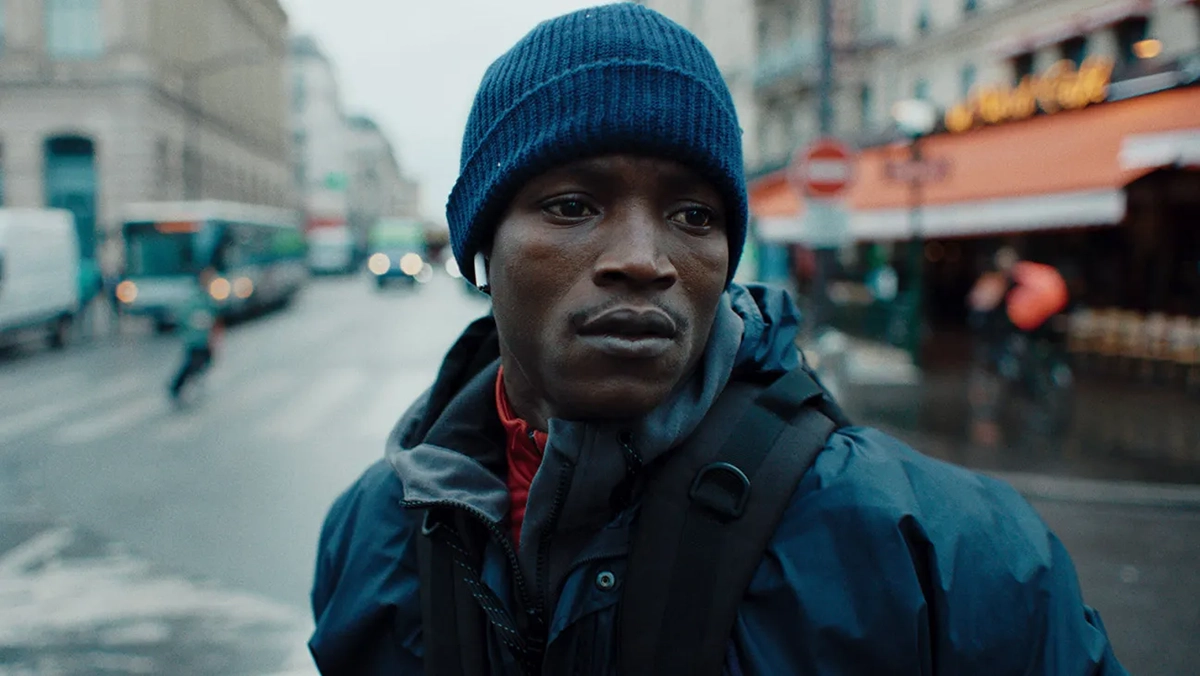
âSouley from Paris!â That loose, friendly greeting comes early and often in Boris Lojkineâs tense pressure-cooker âSouleymaneâs Storyâ (2024), but whatâs initially an innocuous nickname called out to a colleague slowly descends into an inadvertent, cruel taunt. For Souleymane (a stunning Abou Sangaré, who won ‘Best Actor’ in the Cannes Film Festivalâs Un Certain Regard segment), a Guinean transplant, the ties to his adopted homeland are tenuous and wobbly, suggesting an unsettled and mutually-destructive relationship. Paris here is antic and threatening, all buses, crowds and horns, a stark contrast to its more romantic, servile depiction in mainstream films. As a character, Paris is the villain, a cunning seductress making promises that its leaders canât keep. Lojkineâs taut script paired with Cinematographer Tristan Galandâs raw and unwavering view of urban suffocation forge a credible hellscape, bound to swallow the gallant Souleymane, exhausting his ample reserves of pride and perseverance.
A food delivery worker, Souleymane is on his bike for most of the day, and his precious downtime is spent learning and memorizing a fabricated story in preparation for an interview with an immigration officer (Nina Meurisse). That is, ostensibly, the story of the title, but Souleymane isnât alone, for better and worse. Heâs a cog in an unforgiving machine, and while he can find time to joke with friends and call back home to check in, Lojkine establishes early on that Souleymaneâs chaotic journey wonât end with redemption. Just like Souleymaneâs sleeping quartersâa shelter, if heâs lucky enough to catch the busâhis private life is confined and shrinking, at the mercy of and in service to an unreliable system of checks (the âprotection officersâ) and imbalances (Souleymane uses a friendâs selfie in order to work).
Sidelining Dreams in Favor of Barriers
Lojkine bends the narrative arc towards inevitable injustice, and while that strategy may honor reality, it sidelines Souleymaneâs agencyâand this fictional characterâs potentialâin favor of a cascading series of bureaucratic and sociopolitical barriers designed to bury his ambition. The filmâs dramatic peaks are gripping, but it lacks the offsetting valleys which could unveil or at a minimum hint at Souleymaneâs dreams, to explain what Paris has offered him so far, or could give (instead of take from) him in a base scenario. Sangaré, who, like Souleymane is from Guinea, delivers more than a star turn: this is an electric, humane and, foremost, daring performance with heartbreaking links to reality. A nonprofessional actor, Sangaré arrived in France at age 16 and at the time of his casting, had yet to secure permanent residence despite applying several times and securing a full-time employment offer as a mechanic.
Sangaréâs storyâand the film, which has been a breakout box office success internationallyâhas inspired furious debate for an already charged issue. And as a breathing document to a life-or-death macro tragedy, âSouleymaneâs Storyâ has earned its plaudits, which also included the FIPRESCI Prize and Un Certain Regard Jury Prize at Cannes. In early sequences, itâs a propulsive, extended chase sequence, equal parts thrilling and relentless, borrowing from canonized city visions such as Jean-Jacques Beineixâs âDivaâ (1981) and the entire Safdie Brothersâ catalogue. It takes no time to heighten the stakes, and Galandâs on-the-ground photography is a vital asset that amplifies the filmâs emotional volatility.
Abou Sangaré Picks Up the Film’s Slack
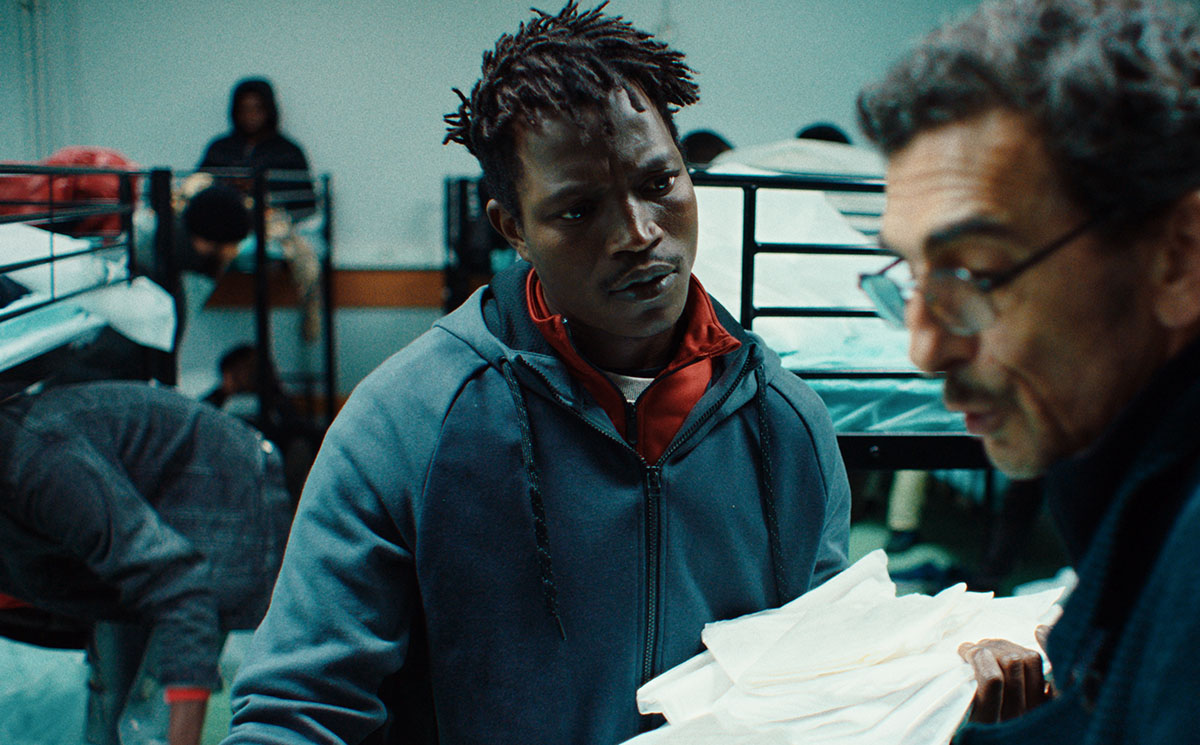
Throughout the film, itâs natural to pound the table along with Lojkine, aghast at the risks and consequences of Souleymaneâs work and future. But I found myself wishing for a side bar, where Souleymane can tell us what he wants us to know about himself, or what heâs looking for, should he have the luxury of slowing his life down from warp speed. The rare scenes that nod to his pastâa phone call to his mom, a video call with an ex, the painful, nail-biting immigration interviewâbuild Souleymane up into a vibrant, fully-formed and proactive character rather than a symbol presented to serve a larger storyâs thesis. This is less a complaint than a testament to the filmâs substance, so even if it falls short on character development, Sangaré picks up the slack, injecting additional fuel into a fiery dialogue that should inspire thoughtful, maddening art in response.

Souleymaneâs Story, a Kino Lorber release, opened in New York City on August 1st. A limited nationwide release continues throughout August and September.




