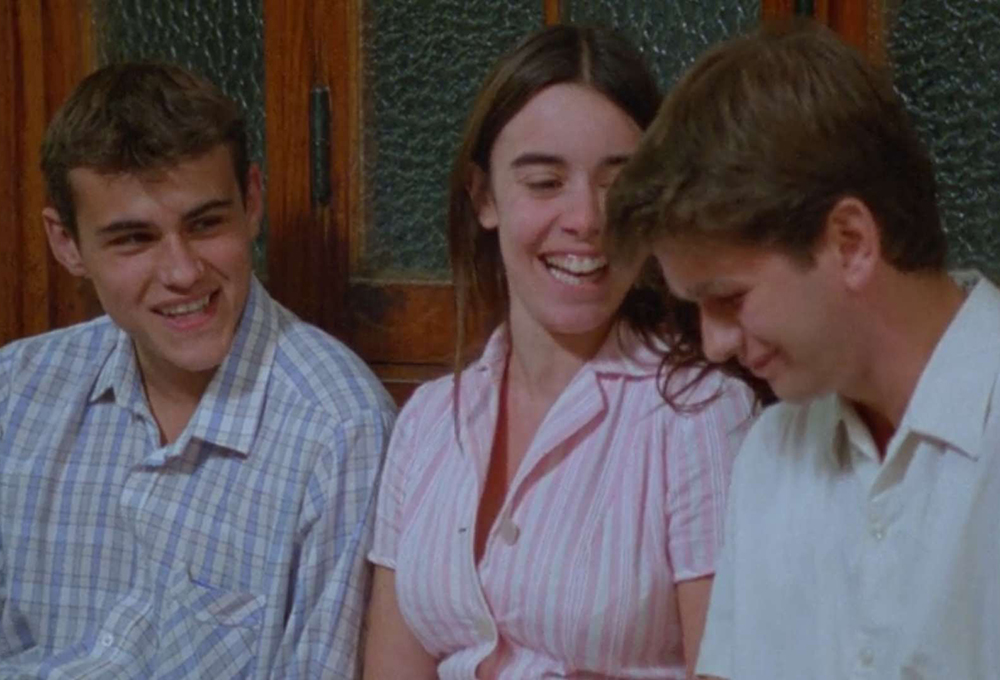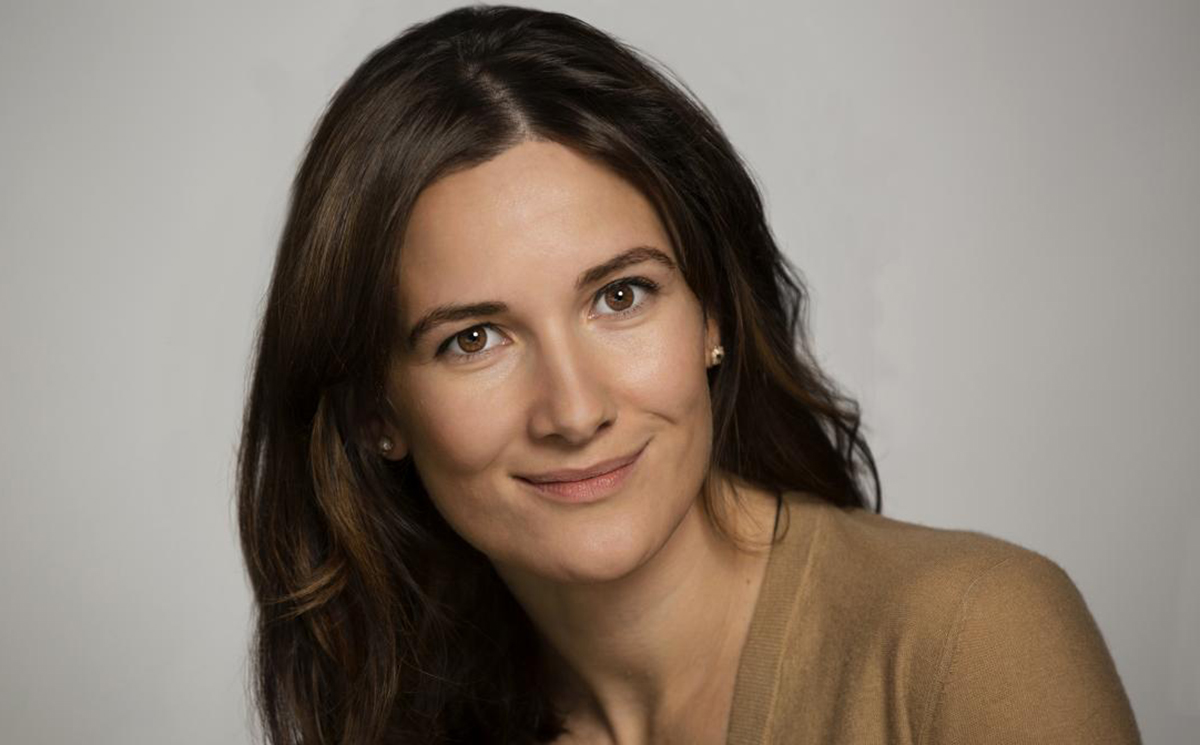
Best known in the mainstream as the free-spirited girlâs girl Miranda in the “Bridget Jones” franchiseâas well as for her work in televisionâBritish actress and writer Sarah Solemani now makes her debut as a director with “Mashhad.” (produced by Reboot Studios). Her debut is a short film about the oppression and persecution that confronts the Mashhadi Jew community in Iran. It is set to premier at Hollyshorts 2025.
In this interview, Solemani opens up about the real seeping into reel and female voices and stories on the big and small screens. She also discusses maintaining authenticity while telling a story that is very personal to her and to her ancestors.
Vidal D’Costa for The Movie Buff: Congratulations for making it to Hollyshorts this year! Considering ‘Mashhad’ is a story you hold close to your heart, what is your personal favourite scene in this film?
Sarah Solemani: Thank you so much, The Movie Buff! It was a collective labor of love. I’m so glad you found it heartfelt and informativeâthat was the dual intention, so it’s music to my ears. There are so many moments that I love about the film. But I think one moment that springs to mind is the moment when the two girls are climbing up a hill and pass a group of washerwomen having a good gossip while washing clothes.
First of all, this scene was a triumph from the art department and our production designer, Elena Cozlovschi. She built a convincing stream with fake rocks on a dry Santa Clarita hillside. The women are laughing about their husbands, and teasing about their mother-in-laws, calling them âgolden penis.â Thatâs actually a term in Farsiâdoodoo talehâthe golden penis. It’s an example of how much Persian mothers love their sons and the sense of humour Persian people have.
The main hurdle for creating ‘Mashhad’ was there were very few documents of the Jewish ghetto and housing.“
Sarah Solemani
VD: I understand you didn’t film on location (California stands in for 1940s Iran). Did you encounter any major hurdles, especially in ensuring authenticity on-screen?
SS: Luckily, we found the brilliant and beautiful Blue Cloud Ranch in Santa Clarita, owned by Dylan Lewis. He understood what we were trying to make and helped us out. They shoot a lot of Middle Eastern films there, like “American Sniper” and “The Old Man.”
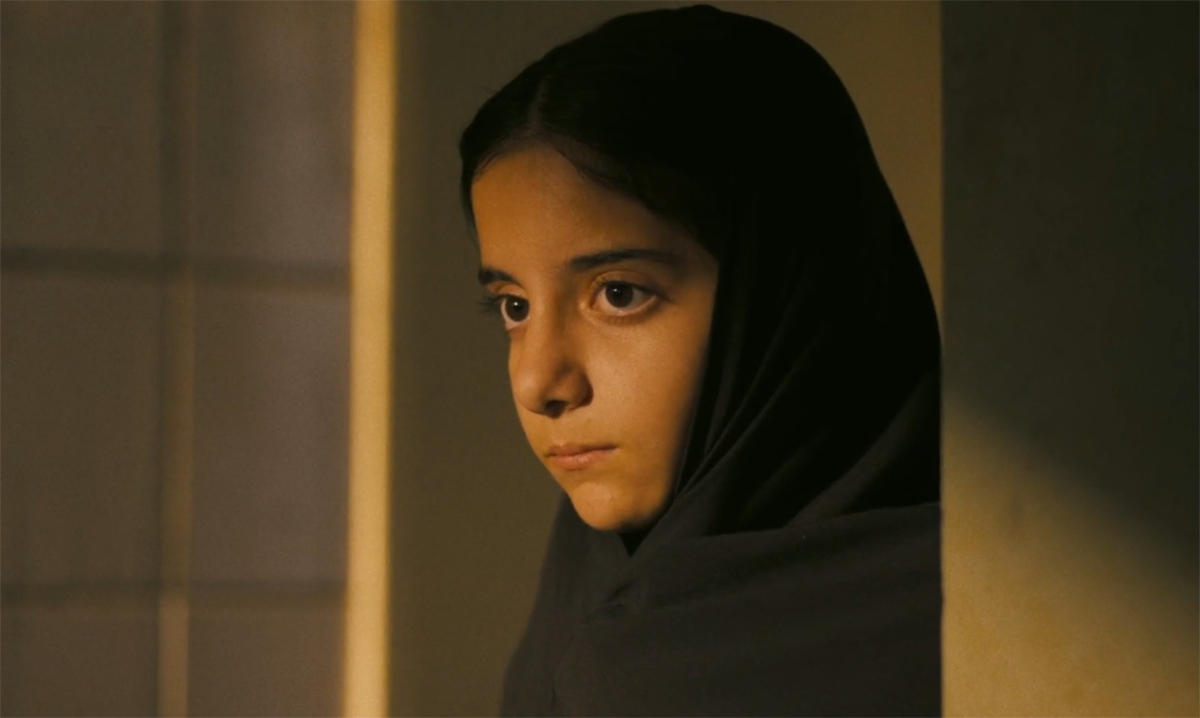
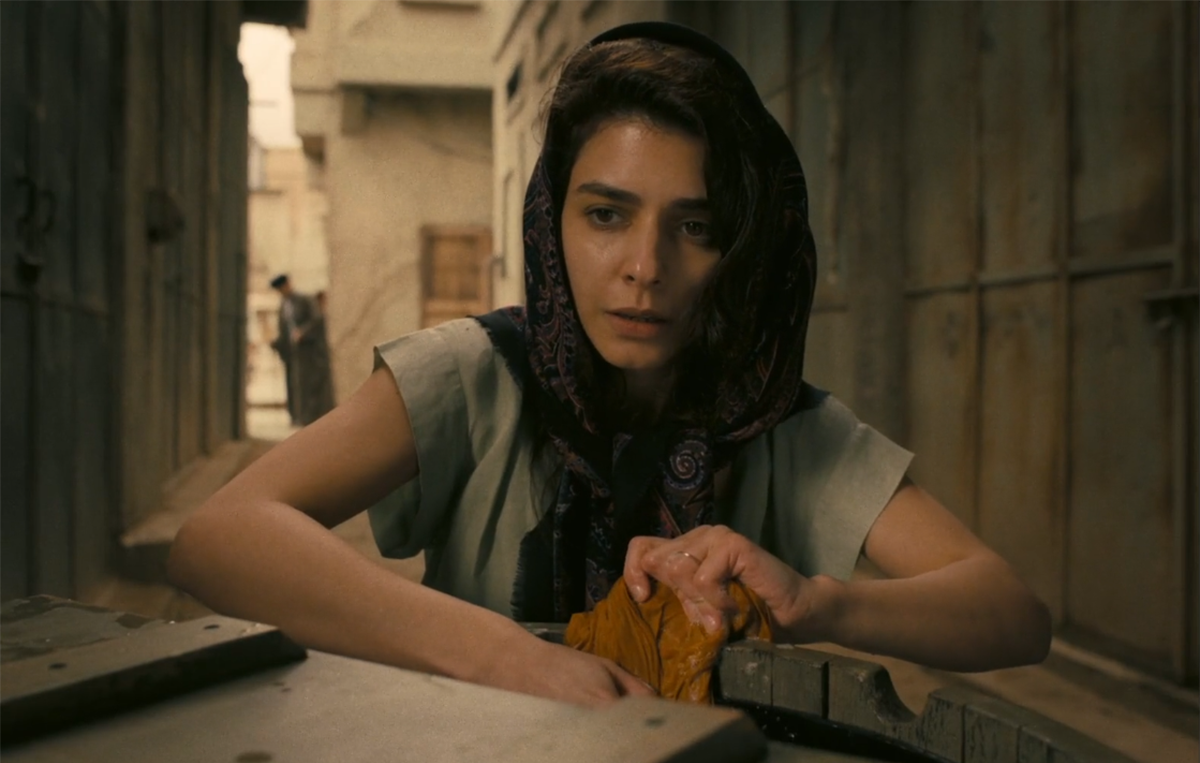
The main hurdle for creating “Mashhad” (the actual period was somewhere between 1930-1940) was there were very few documents of the Jewish ghetto and housing. Very few photographs or footage. I also didnât want it to feel Western, even though they wore more Western clothes which perhaps we represent in the film. I wanted it to feel more other-worldly, more Eastern, so no Western hairstyles, no hairspray, no heavy makeup.
The only slightly âdoneâ look was Rivka, played by the actress Maryam Pouradam. Itâs the closing scene of the film, and I wanted the promise of something else, something more modern, less oppressive. She has lipstick and her hair slightly set. The actressâ hair has a gorgeous red hue and we kept it, by ending on that note. It subliminally tells the story, that though these Jewish people have suffered and endured, that they will soon escape and the power of keeping their faith alive will contribute to their survival and a life of joy.
VD: Youâve left a mark as a writer on the Emmy-winning “Barry,” and “Ridley Road” prior to “Mashhad.” What is your favourite part of the writing process?
SS: “Barry” was my first Hollywood writersâ room and I was fresh off the boat, having not really worked in the U.S. that much and never been in a writerâs room. Bill Hader and Alec Berg were great. They would make me howl with laughter, and [were]so rigorous and disciplined, I learnt a lot from them about crafting a show, reworking and reworking and assembling the story elements. They were also fascinated by my life as a U.K. actress, and we used some storylines of my experiences.
We wrote the show just before the Me Too movement, and when it came out, people were like âthe show was prophetic.â But I had just shared some unsavoury moments of what had happened to me, which made its way into Sallyâs storylines. “Ridley Road” was more solitary. I wrote that on my own, with the help of a brilliant story editor, Alice Grant and producer Nicola Schindler, who is excellent with writers. My favourite part of the writing process is when you are in flow. When you understand where your characters have come from, and you know roughly where they are heading. Then you just let them lead the way. Thereâs a flow that can strike, which is a very fulfilling creative experience.
VD: You are a triple threat: an actor, writer and now a director. What are some challenges youâve encountered behind the camera as compared to being in front of it. Are there any lessons you’ve picked up as a novice director?
SS: Itâs all on you, baby! You can write the best script, you can give the best performance, but at the end of the day, the director will determine how the story is told and what the audience feels. I find my experience as a mother (I have three children, 11, 7, and 2) has been very useful for filmmaking. You have lots of different voices/departments making their case to you, and you have to make a decision for the good of the family/story. Itâs about hearing everyone, listening to everyone and then making a decision that makes sense for the whole unit.
You can write the best script or give the best performance. But at the end of the day, the director determines how the story is told and what the audience feels.“
Sarah Solemani
VD: Are there any filmmakers or creatives whose work has proved inspirational or instrumental in your own journey?
SS: [So many.] Lynne Ramsay, Andrea Arnold, Phillipa Lawthrope, Ava DuVernayâ their work has such truth and power to it, I am in awe of them. I am about to shoot my first feature, and Orson Wellesâ “Citizen Kane” and Francois Truffautâs “400 Blows” are my first–time feature inspirations. How to achieve that kind of cinematic mastery on your first rodeo? Same with “American Fiction” by Cord Jeffersonâ(we had the same DP, Cristina Dunlap)âthese astounding first-time pictures. Welles talks about the power of ignorance, that you go in blind and, unaware of what you donât know, you can create magic. I relate to that!
VD: Do you have any words of wisdom for budding writers wishing to adapt their own personal stories to the Big Screen?
SS: Donât hold it too close to you. Lots of budding writers are cautious to share their material; fear of plagiarism seems a big thing for them. Sometimes itâs fear of sharing it, perhaps fear of being criticised or dismissed. But filmmaking is a collaborative art, you have to get comfortable sharing your material, trusting your collaborators, and working together to bring it to the screen. Share widely and generously, that will help you get started.
VD: Lastly, any upcoming work that our readers can look forward to? And are there any more sensitive subjects that youâd love to explore/showcase on the big screen in the future?
SS: I am shooting my debut feature this fall called “Mango.” I have written and am directing it. Itâs about four girls in one car, over one night in Los Angeles. But the secret is one of the girls has been living in her car for six months, and the other girls donât know. It stars Renee Zellweger and Tiffany Haddish. Itâs a comedy, but it also tells a tale of two cities. [It puts] the housing crisis of Los Angeles under the spotlight.
The HollyShorts Film Festival takes place August 8â17, 2025 in Los Angeles, California. Follow The Movie Buff for more info on Solemani’s film as it becomes available.
Note: This interview has been edited for clarity.