





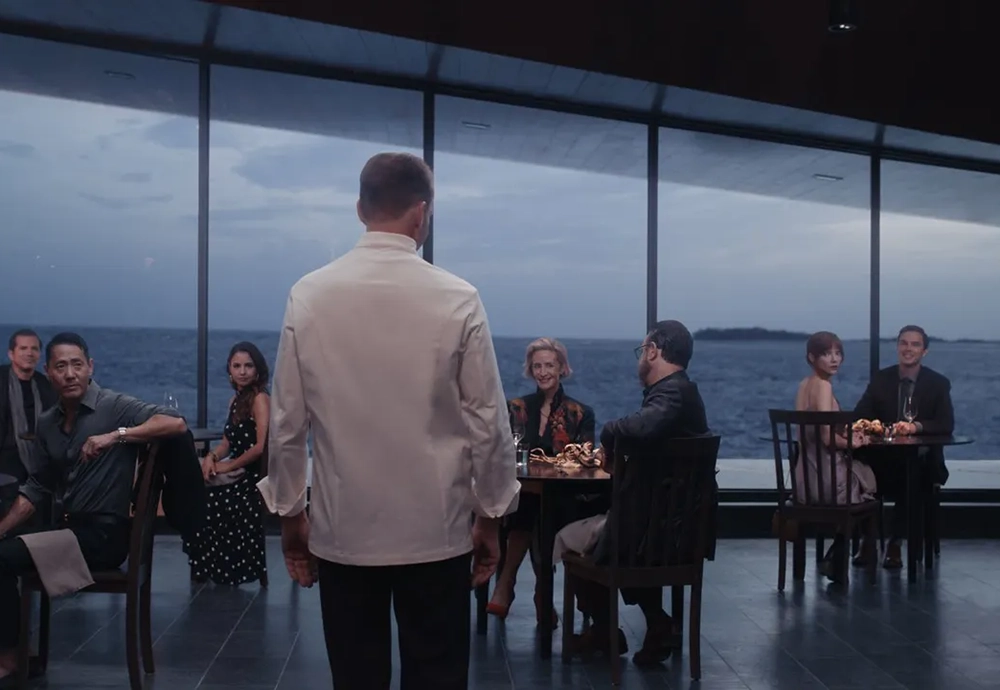
(Contains spoilers). On its surface, Mark Mylod’s “The Menu”âis a dime-a-dozen social class/satire piece that was so frequent for about a four-year-period. It seemed takedowns of the rich were as common as sunshine in summer for a while. Films such as âKnives Out,â âTriangle of Sadness,â and âGet Outâ found their way to audiences, with mostly positive reviews. âThe Menuâ is no different. Its plot device is simpleâkind ofâcentering on a group of rich “foodies” converging on an exclusive island restaurant called âHawthorneâ for a fancy dinner at around $1,250 a plate. At the helm is renowned Chef Julian Slowik, played by Oscar Nominee Ralph Fiennes, having a great time.
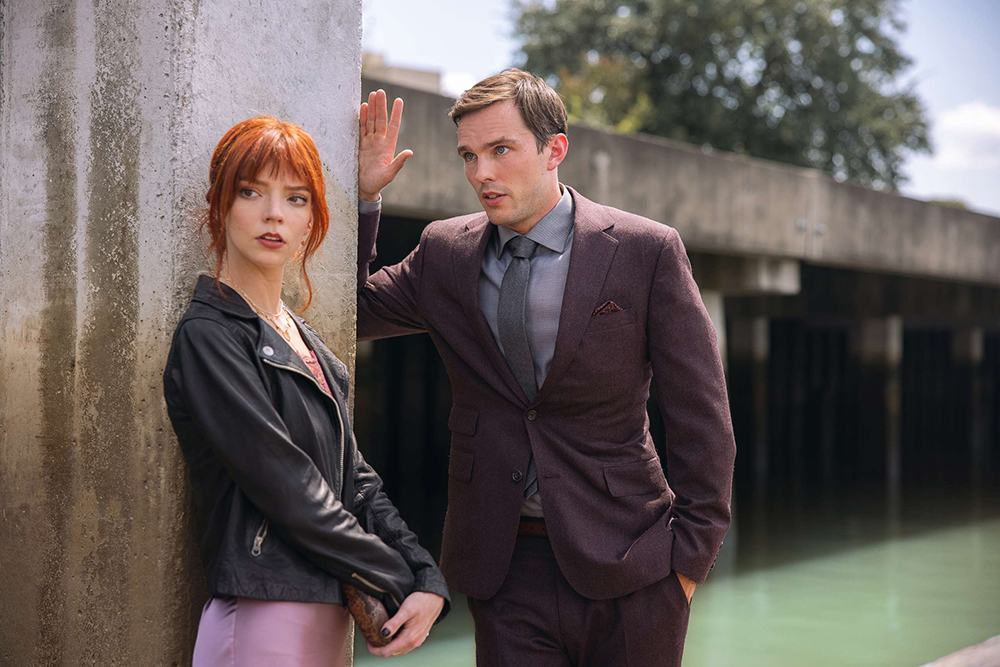
Our entry point in Slowikâs world is a pair of restaurant-goers, Tyler (Nicholas Hoult) and Margot (Anya Taylor-Joy). Taylor-Joyâs Margot is an innocent; sheâs brought along for the exclusive tasting by her escort Tyler, and Nicholas Hoult has never been better as one of the snobbiest foodies youâve ever seen. In a world of culinary experience gatekeepers, heâs the gatekeeper of the gatekeepers. He chastises Margot for smoking (it kills your palate), and instructs on the proper reverence with which to pay Slowik. She balks when Tyler worries heâs insulted Slowik by photographing his plate. Who cares if the chef is âmadâ at you when youâre paying for him to serve you? But Tylerâs psychology begs recognition from the renowned chef. He longs to be seen for his studious know-how of culinary dishes he has no talent to himself prepare.Â
The Death of One’s Soul
But âThe Menuâ is not about Tyler, nor Margotânor the variety of other guests (my favorite here was John Leguizamo). No, âThe Menuâ is about Chef Slowik. Fiennes keeps his drive in careful check. Most of the film is punctuated by his slow, purposeful speech. His clapping hands introduce each plate, landing like a gunshot. His fellow chefs plate the food at his command, awaiting the patrons to revel in the masterpieces before them. However, they have no inkling of the real reason behind Slowikâs special menu tonight: before the end of the evening, he plans a Jim Jonesâ-esque suicide/murder. His staff all willingly take their lives, dragging the lot of spoiled, unappreciative customers with them.Â
While the movie is zany and hyper-realism, through its plot you can see its true theme. The film is not about the looming death of all its captive patrons, but of Chef Slowkâs soul. He has risen to the level of the best chef in the world. Yet his reward for this is to cook endlessly for hordes of rich clientele who are incapable of being pleased. Weâve seen what Slowik loves when Margotâlooking for a barrel he has sent her to retrieveâfinds a picture of him as a burger cook, a smile plastered on his face. Director Mylod and writers Seth Reiss and Will Tracy make sweeping criticisms of the capitalism of art here. To become the best in any art form, you have to monetize it so it fits into the capitalist schema. You may love drawing caricatures on the streets of Boston, or making burgers in a mom and pop store. But if you want to be goodâto be the bestâyou have to kill what you love. This is Slowik to a T.Â
Trying to Please Un-pleasable People
The food critic Lillian Bloom in his midst (played by Janet McTeer) helped to âput him on the map,â yet seems incapable of enjoying anything served to her. Like Tyler, she talks about a âmouthfeelâ and quietly criticizes Slowikâs broken emulsion. Meanwhile her lackey (Paul Adelstein) agrees with everything she says. “The Menu” makes apt critiques of all criticism here. It’s the loss of the ability to enjoy anything, only thinking and commenting on the areas of room for improvement. That sheâs brought down restaurants due to her negative reviewsâwhich she would likely justify as âher dutyââis besides the point.Â
The rest of the lot of them are just as badâto varying degrees. A couple who have been at the exclusive restaurant 11 times in 5 years but canât name a single dish. The Wall Street types who work for Slowik’s chief financierâwho care not for his fine foodâbut need to be consumers of all the affluent niches. And worst of all is of course Tyler, who brought Margot in place of a woman who broke up with him because Hawthorne doesnât offer single seating, knowing the whole time that Margot would die.Â
Tylerâs worse than the others to Chef because he is, as he so eloquently puts it, responsible for the âruination of his art.â Tyler knows the intricate tools and machinery Slowik uses to prepare the food. He can even detect faint ânotesâ of ingredients and smells others canât. But itâs for not. Heâs like Michael Sheenâs character in the opening of Woody Allenâs âMidnight in Paris,â who pontificates on Parisian architecture like a scholar, but doesât enjoy any of it. Or like Bradley Whitfordâs character in âGet Outâ who adorns his house with African art to show how cultured he is. These types donât enjoy a craft, the co-opt it. By knowing everything about something to a pedantic degree, they feel equally deserving of the accolades of the professionals they can only spectate. This of course if perfectly illustrated when Chef invites Tyler to cook. He fumbles around like a lost puppy, his anxiety and ignorance on full display.
Joy vs. Cashing OutâKey Takeaways
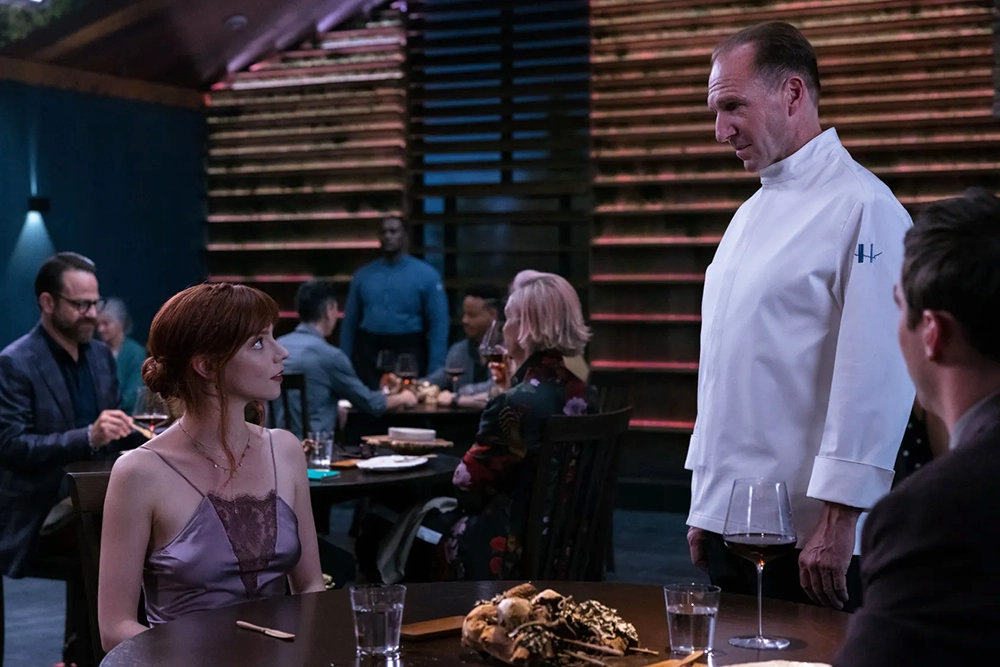
The irony is that all of the people Chef and his cooks mean to killâthis is a movie, after allâare incapable of understanding how they have contributed to Slowikâs soul-death. Slowik blames them, but rightly also blames himself⦠it was his choice after all, yearning for perfection rather than joy. But of them all, only Margot understands. She has seen the picture from his youth in the burger shopâthey havenât. It helps that being from lower class herself, she doesn’t suffer their degree of privilege or cynicism. When she asks Chef to make her a cheesburgerâânot some fancy, deconstructed, affluent bullshit,â said hilariouslyâhis mood changes. He hides a smile. He fusses about the kitchen, delicately pressing the burgers, the cinematography by Peter Deming highlighting the care he puts into the effort. Making a cheeseburger and fries gives him all the joy and elation he could not find all these years serving his impossible-to-please consumers. Itâs no surprise the effort pays off and he lets Margot live. Sheâs gave him what no one else could all the years since he sold out to become the best of the best.Â
Of course, under it all, âThe Menuâ is just a fun social satire piece. It makes its points humorously, the idea itself derived from an island restaurant Writer Will Tracy had on his honeymoon. The calamity, the panic, the filmâs very âSpeak No Evilâ-type ending entertains on a satirical level. However, the takeaways are key. A highlighted point in many filmsâincluding George Clooneyâs âUp in the AirââMylod and Fiennes want to explore what a person feels like who gave up their soul for an extra x-percent. Slowikâs clapping accentuates the piece. However, a smiling teenager in a burger joint hanging forgotten in a darkened office finalizes it. We should all cherish that part of ourself, and not the on-display, voyeuristic, and demanded-of ways artâor any loveâis usually marketed and destroyed.Â




