





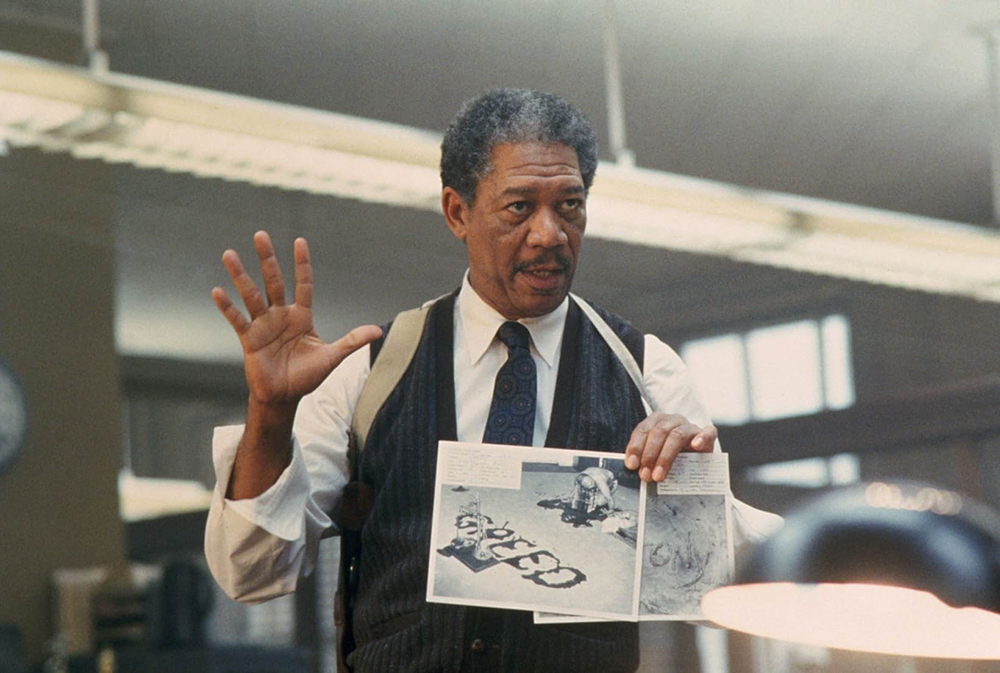
Itâs hard to believe David Fincherâs âSe7enâ turns 30 this year. The cop procedural was common for the decade; the film was released in 1995, but was not unique in its criminal exploration of dark minds. Perhaps âThe Silence of the Lambsâ started the trend four years prior, as did âThe Usual Suspects,â released only a month prior (also starring Kevin Spacey). The film would accomplish many things, such as paving the way for Morgan Freeman to play this kind of role again (Alex Cross in âKiss the Girlsâ and âAlong Came a Spiderâ). And Brad Pitt has often credited David Fincher and âSe7enâ in helping make his career from leading man types to films of more serious and dramatic content. Irregardless, âSe7enââdespite a dearth of awards recognitionâbecame a phenomenon and an example of the genreâs finest hour.Â
What works most about âSe7en,â though, is not its status as a grimy, dismal police procedural, but the ways in which it subverts the genre. This is not a whodunit, like the aforementioned films, where solving the mystery of the killer becomes the climactic point of the film. Even the motive is thrown out the window. âJohn Doeâ is purported to be a psychopath by Detective Mills (Pitt), and while Detective Somerset (Freeman) pays him more respect, he doesnât wholly disagree. And when Spaceyâs enigmatic killer gives himself up well before the end of the film, Fincher and writer Andrew Kevin Walker are asking us not to solve the crime, but to help John Doe finish it, a far more eery concept.Â
A Seasoned Cynic vs. an Ambitious Rookie
What also works is the way Mills and Somerset play off each other, one, the seasoned, jaded veteran and the other a new detective looking to make a difference. Freeman embodies the type of man who takes his time, asks the hard questions, and peeks behind the curtain more than other men. Other cops in his precinct look down on him for his inability to just leave it alone, label the scenes a murder and their killers scumbags and just move on. Ironically, though Pittâs Mills does want to label these killers insane and mentally ill, he also shows a disdain for the quick to sweep over the crime scene operations of the local cops, which Somerset calls him out for. âSe7enâ is nothing if not a complicated film, made all the more so by the care Fincher, Freeman, and Pitt put into its takeaways.Â
The filmâs dismal, eternally raining atmosphere gives it an edge that matches its themes, particularly Somersetâs feeling that the world is corrupt and evil, causing a cynicism that is palpable. And while Fincher stated the rain served a cinematic purposeâthey never had to worry about bad weatherâit highlights a sense of dread and foreboding the film wouldnât have worked without. As Mills argues with Somerset throughout about the folly of viewing life cynically, the rain almost works as a clencher on Somersetâs arguments. For how can you see hope or potential in a world where the sun doesnât shin? Whether Somerset is simply jaded from being on the frontlines of evil for so long, or the world is as Mills wants to see it, is in the eye of the beholder.Â
In this way, âSe7enâ is a moral tale. And ironically, by its closing frameâas dark as they comeâit may be Mills that has the winning argument. Or rather that both menâs arguments finally work on each other. Itâs doubtful Mills feels there is any good in the world, and Somerset, due to his affection towards Mills by the end, feels that despite its ugliness, the world is worth fighting for.Â
A Film that Envelopes You
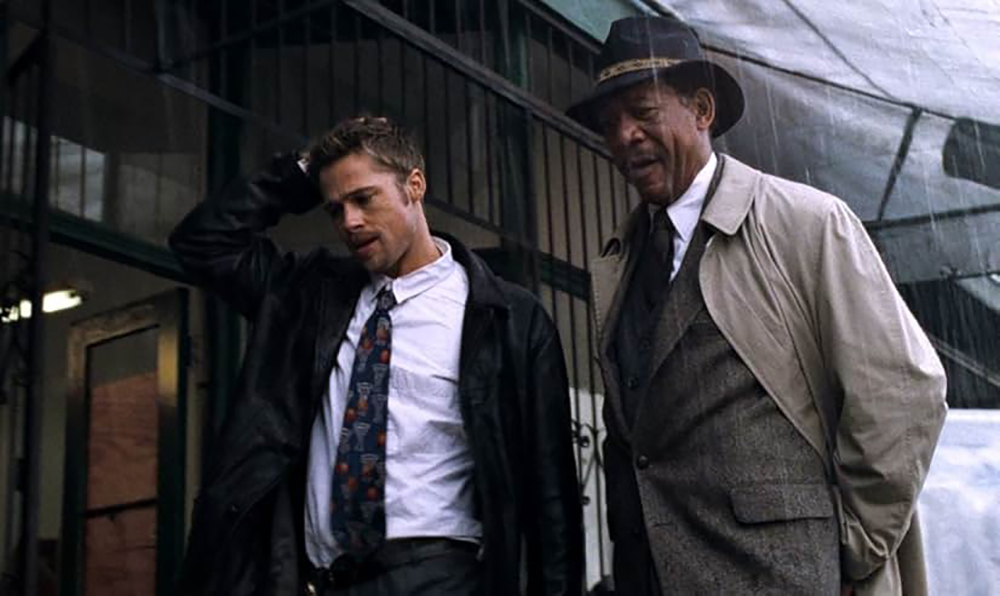
âSe7enâ is an immersive experience, bringing you into its dark, dank world. Fincher and Director of Photography Darius Khondji create an experience that envelopes you fully, all the more impressive as its reels were filmed in sunny Los Angeles. From Millsâ apartment with the rattling subway to Somersetâs dark, lonely apartment devoid of any sound but a metronome to lull him to sleep, you feel like you live here, cohabitating with its players and the city.Â
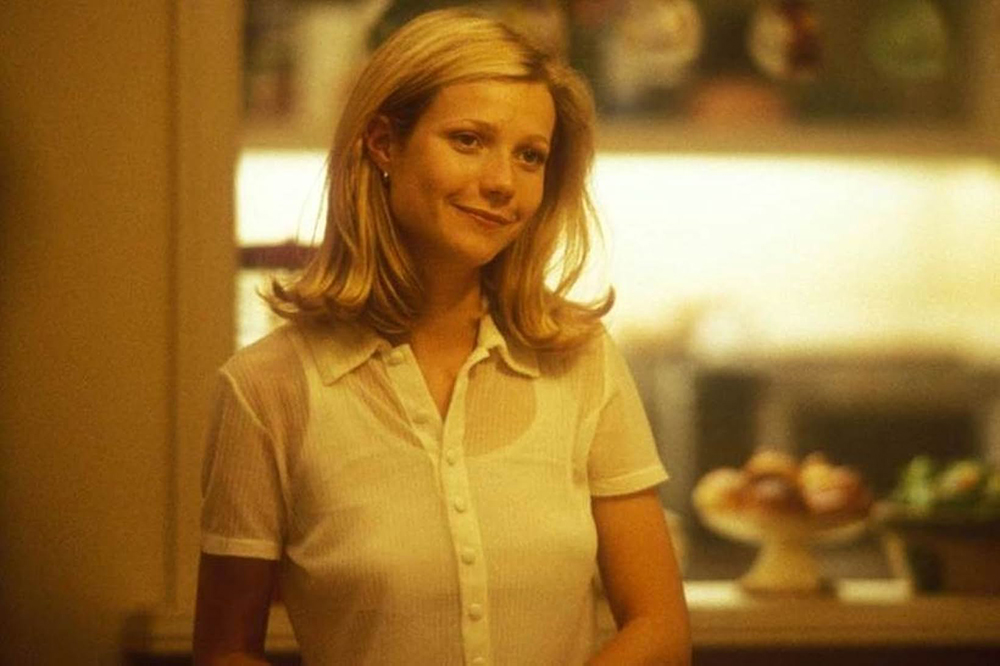
Unsurprisingly, Millsâ wife Tracey (earning Gwyneth Paltrow a Saturn Award for âBest Supporting Actressâ) is the brief spot of light in the entire film. Her relationship with Mills seems authentically cast, and a beacon that Somerset approaches cautiously yet realistically, like finding winterâs first snowflake on your hand and hoping not to melt it. Tracy never hovers during the detectivesâ discussions of the murders; sheâs the one unpolluted thing in Fincherâs thriller, which is evident as its climax rolls around, particularly in Somerset’s reaction, breaking his even keel, raising his voice for the first time and flinching: her demise is the something even the hardened cynic didnât expect, andâsubverting the genre againâhe becomes almost paternal, trying to protect Mills from the truth like you would your own child.Â
Where âSe7enâ shines is in its discussions and quieter moments. Sure, it has the action and horror that makes a film like this. Its crime scenes are elaborate and dark. Darius Khondji bathes many of them in utter darkness, Mills and Somersetâs flashlights the only illumination. Othersâsuch as the Gould murderâare bright and fully shown. The gore is here, of course, but isnât the point of the movie. Mills and Somerset travail despite it. Meanwhile the rain endlessly pours outside, bathing the proceedings in perpetual gloom.Â
The Smaller Moments Make ‘Se7en’
However, itâs the relationship between Mills and Somersetâand their conversationsâthat make this movie. Itâs something often missing from films of this type. Sure, thereâs the usual killer sizing up the quarry scenes, and sometimes even respect for his or her adversary. But nothing of this caliber, where two lawmen on opposites sides of thinking learn and feel each other out.Â
To me, a scene between Mills and Somserset in a bar was the most stark. Somerset lectures on the futility of humanity, exposing his cynicism, while Mills advocates not giving up on the world and fighting for it. One thing Somerset says stuck with me, though:âIf we catch John Doe and he turns out to be Satan himself, that might live up to our expectations, but he’s not the devil. He’s just a man.â It reminded me of a similar scene in Joel Schumacherâs â8MMâ when Nicholas Cage unmasks a killer and he utters, âwhat did you expect, the devil?â I also like that along the way you can see Mills learning from Somerset; heâs impulsive and hot-headed at the onset, but towards the end he starts to embody his chosen profession. Somerset clearly respects him, and itâs a shame he succumbs to John Doe the way he does.
Re-writing the Police Procedural
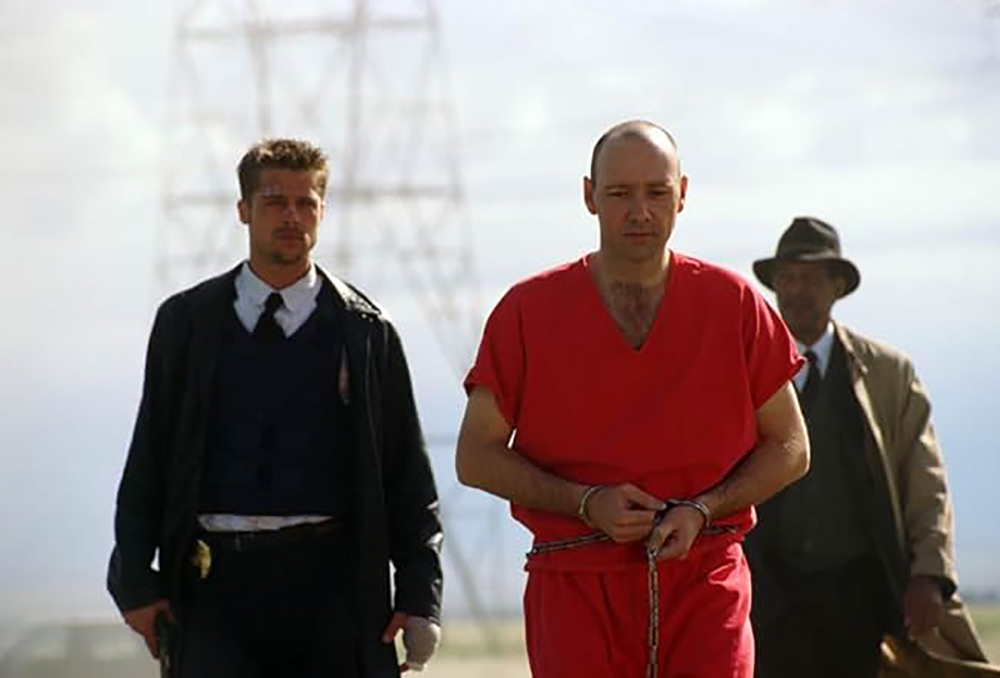
Of course, to talk about âSe7enâ is to talk about Kevin Spacey. And though the actor has fallen from grace, he here embodies the essence of insanity and evil thoroughly. His character works due to the way he is writtenâtransparentlyâand the fact that while he outsmarts the police numerous times, Somerset and Millsâincessantly hammering him with objectivityâgets to him, causing an angry reaction you donât usually see in serial killer masterminds. Heâs insane, and truly believes the things he espouses. But heâs not perfect. His sloppiness in speech towards the end betrays a deeply jaded and cynical manâlike Somersetâbut one who simply went too far.Â
I also like that you can pick something up in Spaceyâs performance the more you watch the film. Years ago, seeing it for the first time, as John Doe walks into the police station to give himself up, covered in blood, I assumed he had just come from the âPrideâ murder. But it becomes infinitely more insidious when you realize he has just come from murdering Millsâ wife. Incidentally, I think this scene is perhaps the first time in the movie when itâs not pouring outside, seen through the police precinct doors. The calm before the storm, I suppose.Â
A Film Worthy of Analysis
Films that you can analyze after watching make for the greats. Sure, I like films like âAlong Came a Spider,â â88 Minutes,â and the like. But they are thrillers to the fullest extent. âSe7enââwith Freeman, Pitt, and Fincherâbecomes something more. Itâs a cautionary tale. Itâs a wish fulfilled (for Somerset, anyways). Life is cynical, painful, and evil.
Yet within its confines, in Mills, his wife, and even the precinct Captain (a subdued and paternal R. Lee Ermey), the film becomes almost kind. While we know Millsâ life is over for all intents and purposes, and heâll never be the same, Somersetâs reaction in the filmâs finale shows the utter tragedy in this. Itâs easy for many to say this is Freemanâs filmâhe was at the time the more prolific and veteran actorâbut thatâs a disservice. This is as much Pittâs movieâand Fincherâsâas it is Freemanâs. That it still has relevance 30 years after its release is a testament to that fact.




