





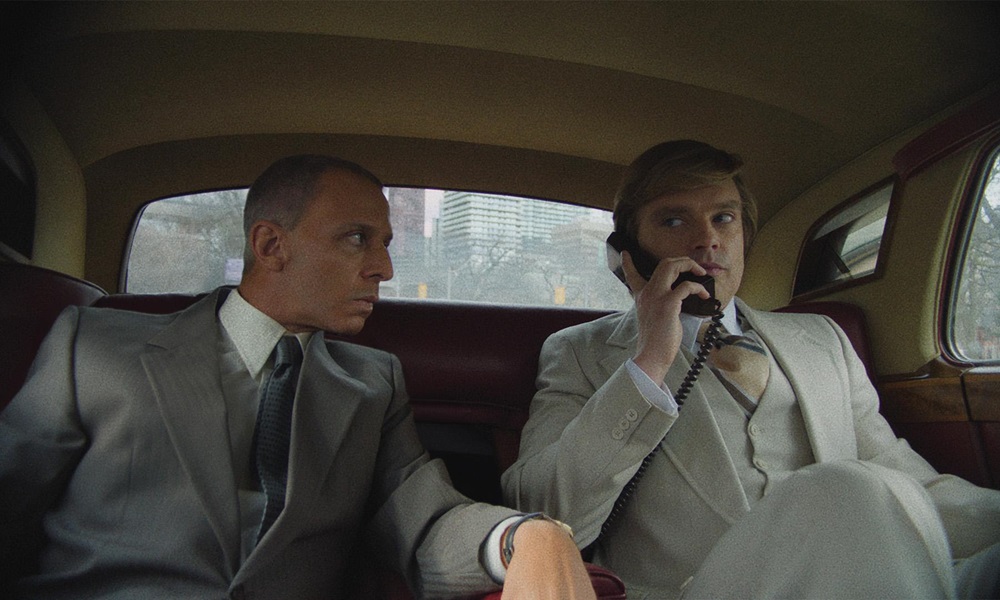
With so much already documented about Donald Trumpâs public personaâfrom his controversial business dealings to his tenure as presidentâany film tackling the manâs origins faces the challenge of finding a fresh perspective. Ali Abbasiâs latest picture, âThe Apprentice,â arrives at a time when Trump remains an omnipresent figure in American life, casting a long shadow over politics, media, and popular culture. Abbasi then attempts to meet the challenge by focusing on Trumpâs early years in the 1970s and 1980s, framing his rise as an “apprenticeship” under the ruthless lawyer Roy Cohn.
But while it promises to be a deep dive into the making of a modern-day mogul, âThe Apprenticeâ struggles to maintain focus, wavering between serious drama and breezy montages, often to the detriment of its more impactful moments. And although Sebastian Stan and Jeremy Strong deliver award-worthy performances as Trump and Cohn, respectively, the filmâs inconsistent tone and reluctance to linger on difficult scenes undermine its overall impact. The result is a biopic that deftly touches upon the themes of power and greed, but ultimately feels like a missed opportunity for what could have been a more compelling character study of one of the most divisive figures in modern history.
An Origin Story from a Post-Watergate AmericaÂ
âThe Apprenticeâ opens with Richard Nixonâs âIâm not a crookâ speech, immediately situating the audience in a post-Watergate America tainted by cynicism and corruption. This sets the stage for the two charactersâ first encounter at an exclusive New York restaurant. We see Trump (Stan) name-dropping the cityâs elite to impress his date. And when she asks him, âWhy are you so obsessed with these people?â Trumpâs coy response, âIâm just curious,â hints at the ambition that will soon define his rise.
From the moment Cohn (Strong) enters Trumpâs life, Abbasi establishes a mentor-apprentice dynamic that sets the narrative in motion. Cohn reveals his three core rules: Attack, attack, attack. Admit nothing, deny everything. Always claim victory and never admit defeat. In turn, these become Trumpâs playbook; and Cohnâs views on truth as a malleable, constructed thing are passed down to his eager student.
This lens is intriguing because it positions Trump, not just as an individual, but as a product of a particular eraâone marked by cynicism, rampant greed, and the decay of institutional trust. Cohn, once a staunch McCarthyism enforcer and later a key political fixer in New York, teaches Trump the power of deception, manipulation, and relentless self-promotion. In doing so, âThe Apprenticeâ offers a glimpse of how these lessons shaped not only Trumpâs business empire, but also the persona that would come to dominate American politics decades later.
Complex Real-Life Figures Deserve Multilayered PortrayalsÂ
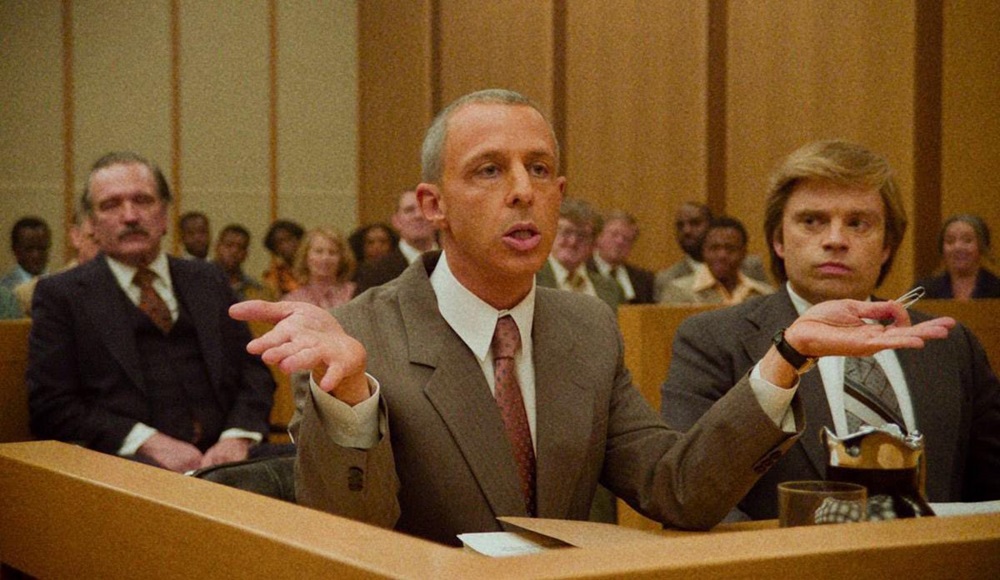
This depiction of Cohn as the primary architect of Trumpâs persona also raises an intriguing question: Is Trump simply a product of Cohnâs manipulation, or does the young businessman naturally embody the same amorality? The film leans toward the former, almost painting Trump as someone swept along by Cohnâs influence rather than a figure fully in control.
This framing, in itself, might court controversy, and understandably so. However, it also reflects the complicated nature of the man. As a businessman, Trump is portrayed as both charming and ruthless, someone who can shower praise one minute and act without conscience the next. Stan captures this duality with a surprisingly restrained performance, avoiding the caricature that could have easily turned this film into a parody. Rather than mimic Trumpâs mannerisms, Stan evokes his essence, depicting Trump as a man who is simultaneously ambitious, insecure, and showy. Itâs a nuanced approach that adds layers to the character without venturing into the Alec Baldwin School of Farce.
On the other hand, Strongâs turn as Cohn is equally impressive. He taps into Cohnâs trademark intensity with chilling precision, making every scene he appears in feel electric. Whether coldly instructing Trump on how to navigate legal loopholes or hosting grotesque parties with the motto, âIf youâre indicted, youâre invited,â Strong embodies Cohnâs contradictions: a self-loathing gay man who openly insults homosexuals, and a master manipulator who claims to uphold truth while actively distorting it. Strongâs scenes inject a palpable energy on screen, though his characterâs absence in key stretches makes you wish the narrative had leaned more into this dynamic.
Tonal Inconsistencies and Missed OpportunitiesÂ
While the performances are strong across the board, the film struggles with a jarring tonal inconsistency. It oscillates between a serious biographical drama and a fast-paced black comedy, similar to âVice,â âThe Color of Money,â or âThe Wolf of Wall Street.â This tonal confusion undercuts some of the more impactful moments, particularly its treatment of Trumpâs relationship with his first wife, Ivana (Maria Bakalova).
One particularly troubling scene shows Trump raping Ivana after she mocks his weight and hair loss. While the sequence is shocking, the film glosses over it almost immediately, returning to its breezy, montage-heavy storytelling. This abrupt shift in tone feels disrespectful, leaving the audience with the unsettling impression that the assault is just another minor incident in Trumpâs life. And with the real Ivana later on retracting her accusation that Trump raped her; itâs a glaring red flag in a film that otherwise attempts to humanize its subject, raising serious questions about the filmmakers’ intentions given their failure to justify the sceneâs inclusion.
Moreover, the narrative feels repetitive at times, particularly in its depiction of Trumpâs business ventures and personal rivalries. While it is interesting to see how Trump gradually distances himself from both Cohn and his father Fred (Martin Donovan), the structure follows a predictable pattern: a victory, a betrayal, and a moral compromise. This formula makes the story feel more like a straight-cut reel than a fully fleshed-out exploration of Trumpâs psyche.
What Works, and What Falls ShortÂ
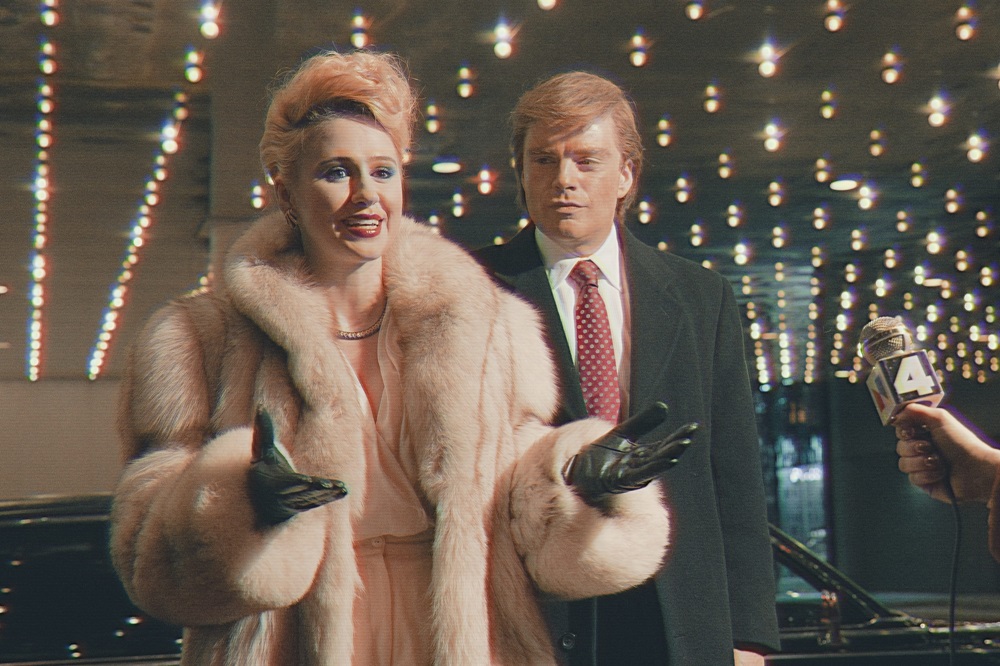
Abbasiâs direction, thanks to the cinematography by Kasper Tuxen (âThe Worst Person in the Worldâ), effectively evokes the gritty aesthetic of 1970s and 1980s New York. The grainy texture and neon-drenched visuals immerse the audience in the era, capturing the allure and sleaze of Trumpâs world. Laura Montgomeryâs costume design also deserves praise for walking the fine line between gaudy and elegant, bringing to life Trumpâs ostentatious taste for opulence.
At its best, the film offers sharp insights into Trumpâs worldview and the ways in which his alliance with Cohn shaped his approach to business and politics. Dialogue from Cohn like âDonât tell me about the lawsuit; tell me who the judge isâ reflects the transactional mindset that Trump adopts from the man. In addition, the idea that âyou create your own reality,â as Cohn tells him, becomes the movieâs central theme. In more ways than one, this encapsulates not only Trumpâs personal philosophy but also the toxic culture of modern politics.
However, the film falters when it tries to juggle too many themes without committing fully to any. Is it a straightforward biopic? A satire of ambition and greed? Does it vilify its central character, given its clear choice of not lionizing him? Or is it simply a tragic character study? Personally, I feel like Abbasi himself seems uncertain, and this lack of focus diminishes the filmâs impact. The narrative often feels like a patchwork of loosely connected episodes rather than a cohesive story.
âThe Apprentice:’ A Portrait of Power That Sputters in Execution
Ultimately, âThe Apprenticeâ is a bold but lacking attempt to explore the origins of Donald Trumpâs persona. While Sebastian Stan and Jeremy Strong deliver performances that would surely court the award-giving bodies, the filmâs jarring tone and questionable narrative choices prevent it from being a standout tale about power and the corrupting influence of mentorship.
Abbasiâs direction shows flashes of brilliance, but the movie falls short of being either a gripping biopic or a biting satire. Yes, there is value in the way he presents Trumpâs rise as a moral descentâwhether viewed as a heroâs journey or a villainâs origin story depends largely on the audience. However, Abbasiâs tendency to downplay serious moments undermines the movie’s credibility and leaves a sour taste.
The final scene, which shows Trump droning on about his own greatness, perfectly encapsulates “The Apprentice” in a nutshell. Just as his ghostwriter looks clueless as to where Trump is going with his tangents, we, as an audience, are equally uncertain about what the film is really trying to convey.

Ali Abbasi’s “The Apprentice” premiered at the 77th Cannes Film Festival last May 20, 2024. It had its theatrical release in the United States on October 11, 2024. Follow us for more coverage.




