





When my grandmother was still alive, she would occasionally call on me and pull me aside for small talk. Sometimes, she would share her dreams, often fragmented and disjointed, reflecting both the fluid nature of dreams and her spotty recollection. Some days, she would try to make sense of what she had dreamed about while recounting them to me, and I felt as though we were both working together to understand her dreams.
To me, Francis Ford Coppola‘s âMegalopolisâ feels like one of those random Thursday conversations with my Lola. Without a doubt, this is the most fascinating mess Iâve seen this yearâa towering, blubbering spectacle of a film that defies outright dismissal.
Hereâs the thing, though: Watching it feels like being invited into the fever dream of a visionary who, somewhere along the way, lost control of the dream itself. Bursting with ambition, Coppolaâs âMegalopolisâ is a manifesto that somehow perfected the delicate balance between brilliant and terrible. By the time the credits rolled, I found myself feeling both frustrated and strangely entranced by the filmâs utter chaos.
Not bad for being the sole patron in the cinema on opening night.Â
Grandiose Plans for a Utopia for Mankind
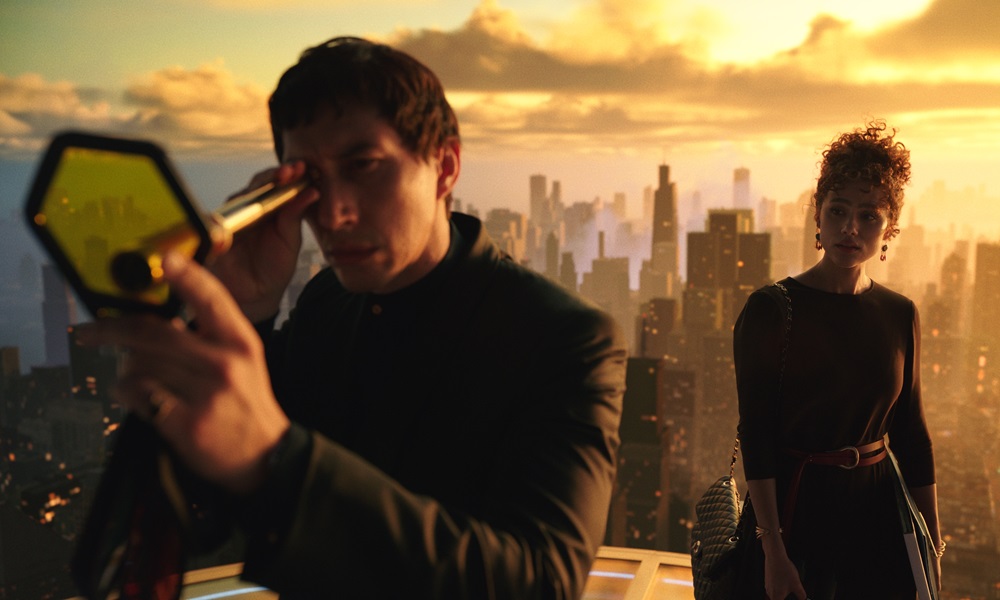
Cesar Catilina (Adam Driver), a brilliant architect with the ability to defy the laws of physics by stopping time, has developed a groundbreaking material he calls Megalon. With this revolutionary bio-adaptive substance, he believes he can build a utopian city that will change the world. Set in an alternate version of America, Cesarâs futuristic aspirations face fierce opposition from the conservative mayor of New Rome, Frank Cicero (Giancarlo Esposito), who prefers to maintain the status quo rather than invest in the passion project of someone he views as a madman.
Cesar and Ciceroâs history is complicated; Cicero handled the case involving the mysterious death of Cesarâs wife and the subsequent disappearance of her body. The mayor plans to use this history as a smear campaign against Cesar to thwart his ambitions. However, when Ciceroâs daughter Julia (Nathalie Emmanuel) chooses to work with Cesar and earns his trust, the tension between the rival factions over the fate of New Rome intensifies.
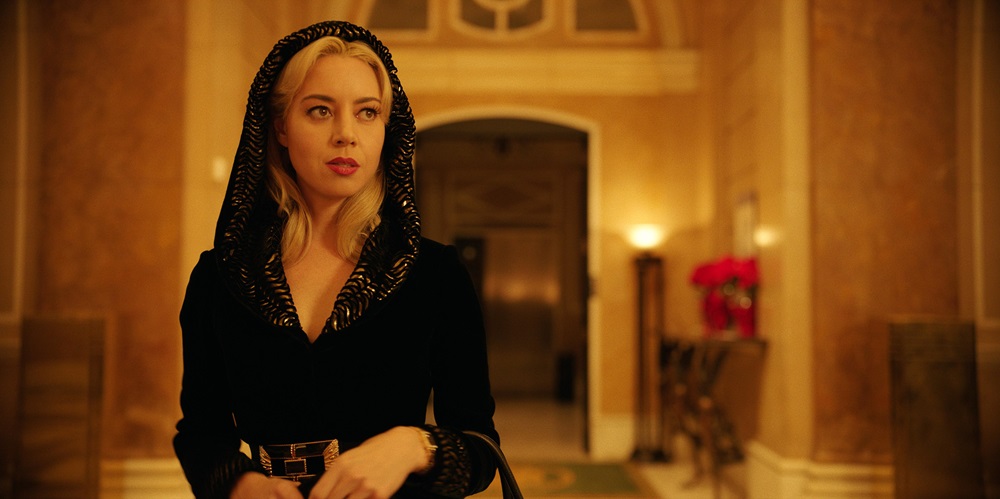
Coppola populates âMegalopolisâ with a diverse cast of characters, some delivering unforgettable performances while others appear somewhat lost. Among them are the opportunistic TV presenter Wow Platinum (Aubrey Plaza) and Cesar’s mistress, who leaves him to marry his wealthy uncle, Hamilton Crassus III (Jon Voight); and Shia LaBeouf‘s Clodio Pulcher, Crassusâ grandson, who harbors jealousy and bitterness toward Cesar.
Amid the political chaos and personal struggles, Cesar faces challenges that test his ideals and relationships. As protests escalate, it falls upon him to rally enough support for his vision of the future with a fully realized Megalopolis. Ultimately, this might be the only common ground he shares with Cicero: a desire for the best for the people.
A Confounding Manifesto of Shakespearean Scale
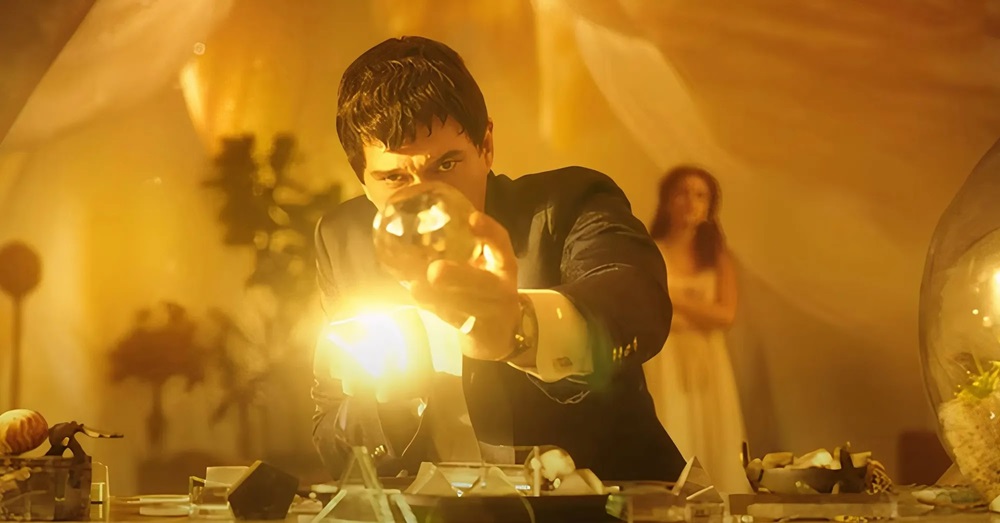
âMegalopolisâ plays like a film adaptation of a play thatâs all over the place. In addition to the intertitles and Laurence Fishburneâs narration, the movie features love triangles, political conspiracies, family betrayals, and an overarching sense of Shakespearean tragedy. Yet, despite this sprawling narrative, Coppola never quite manages to tie all the threads together.
Make no mistake, though: Coppolaâs vision is undeniable. He clearly aims for something epic, perhaps a modern-day âMetropolisâ infused with Shakespearean drama and a touch of the indulgent decadence of âCaligula.â One can almost picture him reflecting after watching those films, thinking, âWhat if I blended all of this together?â
On paper, this sounds like a recipe for a cinematic masterpiece, one that could follow in the footsteps of âApocalypse Now.â On screen, however, it tells a different story, one where the ambitious pieces rarely form a cohesive whole. Itâs scatterbrained to the point of feeling directionless, as if Coppola himself were unsure where the film was headed from scene to scene. This actually makes sense, when we factor in the reports surrounding the creative differences during the production. Reports of Coppola changing his mind on set, rethinking entire sequences on the fly, and leaving his crew without a clear direction are all too believable after watching this.
The filmâs budget is another sticking point. With over $120 million spent, youâd expect a movie that justifies every dollar on screen. However, âMegalopolisâ feels oddly cheap in parts, despite its extravagant sets and special effects. This is perhaps the most glaring flaw of the whole affair.
Hail Cesar (and His Women)Â
While there are many criticisms of the film, the performances in âMegalopolisâ are not among them. As Cesar, Driver channels a raw, theatrical energy. His portrayal of an egomaniacal architect who believes he can bend the world to his will is magnetic. Even when the story falters, Driverâs commitment keeps you engaged, bringing depth to Cesarâs wild ambition that offsets the scriptâs shortcomings. Espositoâs depiction of Mayor Cicero is equally commendable. He embodies the tension between loyalty to a crumbling society and a desperate need to maintain order, effectively blurring the lines between hero and villain.
Yet, the real standouts are the movieâs female characters. Plaza, as the gold-obsessed Wow Platinum, is a revelation. She revels in her role, exuding a maniacal hunger for wealth and power that is both darkly comedic and unsettling. Plaza fully embraces the absurdity of her character, showcasing her range beyond the deadpan roles sheâs often associated with. Conversely, Emmanuelâs portrayal of Julia Cicero is more subdued but equally impactful. As Ciceroâs daughter and Cesarâs love interest, her character is central to the emotional core of the film. Emmanuel brings a quiet strength that serves as the storyâs glue, highlighting Juliaâs struggle between loyalty to her father and her belief in Cesarâs vision.
Having said that, among all the performances, Talia Shire as Cesarâs mother brings the most weight. Her portrayal of Constance, a woman with whom Cesar has a contentious relationship and whose approval he has seemingly always sought but never received, is hauntingly effective. Shire is the emotional anchor of the story, delivering her scenes with a subtle power that even Voight (and a terribly misused Dustin Hoffman) canât quite match.
A Glorious Mess Deserving of Both Admiration and Derision
And yet, for all its flaws, I canât bring myself to outright dismiss âMegalopolis.â Part of me really enjoyed it, and then some. I guess thereâs something oddly captivating about its grand failure. No contest, itâs the best worst film of the yearâa movie that somehow manages to be both maddening and mesmerizing. You donât leave the theater satisfied, but you do so with the sense that youâve witnessed something bold, even if it didnât quite work. For what itâs worth, it’s a patchwork of ideas that never quite gel, as though weâre witnessing an unregulated auteurâs creative process in real-time, rather than a finished product. But then again, this chaos reminded me of the way âApocalypse Nowâ spiraled during its shoot. And while that film currently enjoys a reputation as a masterpiece, letâs not forget how it was initially met a mixed and lukewarm reception.Â
Am I saying that âMegalopolisâ is Coppolaâs “Apocalypse Now” for this generation? Not exactly. But it’s genuinely fascinating watching a picture that meanders with its intent, veering wildly from grand philosophical debates about society to bizarre, decadent set pieces that seem to serve no purpose other than visual excess. One of these instances involves the lavish wedding reception for Wow and Crassus. Itâs a scene dripping with opulence and depravity, clearly meant to portray hedonism while the rest of New Rome languishes in poverty. However, the result is a jarring, disconnected sequence that leaves you wondering how it fits into the larger narrative.
And this is where the frustration sets in: Coppola seems to be chasing moments rather than telling a coherent story. He focuses on creating grand visual statements, often at the expense of a cohesive narrative.
If This is Coppolaâs Swan Songâ¦
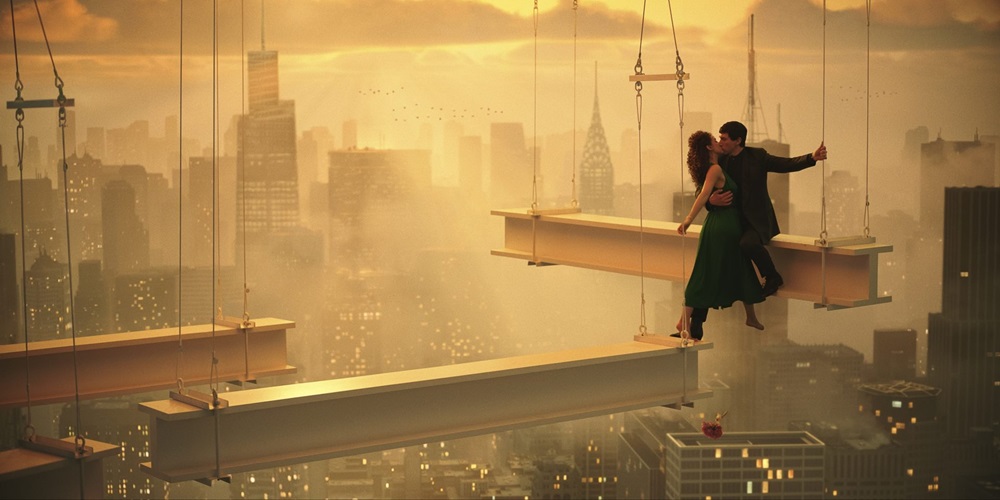
In many ways, âMegalopolisâ reflects the director himselfâan aging filmmaker unafraid to take risks, even if those risks lead to failure. Thereâs a tragic beauty in watching someone of his stature go all-in on a project that clearly meant the world to him, even if the result is a glorious mess. Itâs a rare kind of bad movie that makes you appreciate its ambition while lamenting its wasted potential. If this is Coppolaâs swan song, oh boy. What a bold, unapologetic way to go.
As I stood up to exit the theater where I was the lone patron, the projectionist wasted no time stopping the film while the end credits were still rolling. If that was indicative of their own feelings about the movie, Iâll never know. Personally, however, while I canât say I loved âMegalopolis,â even I have to admit that I canât stop thinking about it.
Like listening to my late Lola, watching âMegalopolisâ feels like trying to follow the half-remembered fragments of a dream recounted by someone who’s still piecing it together themselves. In a strange way, thatâs the film’s own merit: Coppola has given me something unforgettable, even if not for the reasons he intended.


Francis Ford Coppola’s âMegalopolisâ premiered at the 77th Cannes Film Festival, and as theatrically released in the United States by Lionsgate on September 27. Follow us for more coverage.




