





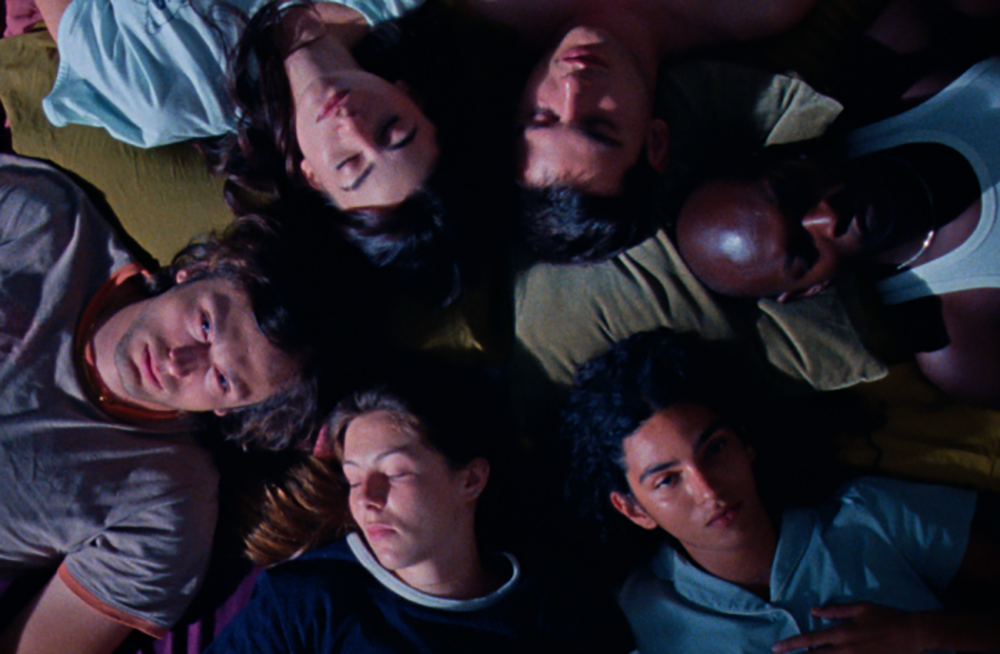
âWhy do we always need misfortune to reunite?â Gaspard (Andranic Manet) asks his twin sister Louise (Noée Abita) in a series of voiceovers. Referring to the siblingsâ childhood friends who currently join Gaspard for a covert summer getaway, Louise reminds her brother that itâs just life, to which Gaspard reflects, âWe should have done this earlier.â
With âEternal Playgroundâ (French: La récréation de juillet), writer-directors Pablo Cotten and Joseph Rozé evoke nostalgia and the crystallization of core childhood memories, the best of which are placed on a pedestal. More than the maudlin sentimentality, however, the film encapsulates peopleâs intrinsic desire for connection, lest they face their fears of finally growing up only to see life ultimately pass them by.
[More Tribeca Coverage: âEmergent Cityâ: An (Oftentimes) Objective Take on Contemporary Urban Development]
Transforming an Entire School into a Time Capsule
âEternal Playgroundâ begins with a dialogue from the twins Gaspard and Louise. The film makes it clear right away that all the conversations are happening in Gaspardâs head, with Louise having recently died. The conversations revolve around the siblings recounting their memories of celebrating their birthday every July 14, which coincides with Bastille Day, and how their parents made them believe that the fireworks display during the day were actually for them.
Subsequent scenes show Gaspard as a passionate music teacher completing his first year at his former middle school. Itâs the last day of school in July, and everyone â from the students to the faculty â is raring to go on break until September. For Gaspard, however, the approaching summer holiday holds a bittersweet significance. It marks the first birthday he will spend without his beloved twin sister, whose absence the film makes clear has left a big void in his heart.
So while everyone else hurriedly leaves the school, Gaspard stays hidden until the principal locks the building, leaving the Gaspard inside. We begin to realize that he intends to honor Louiseâs final wish: gather their five former best friends at their deserted school and celebrate Louiseâs life, while the remaining friends reconnect.Â
While initially hesitant, the friends â who have drifted apart over time â eventually agree to reunite. They take a leave from their adult lives and their responsibilities, spending the next few days in the school, behaving like kids once again as their memories come flooding back.
Re-contextualizing Old Friendships Resulting from a Devastating Loss
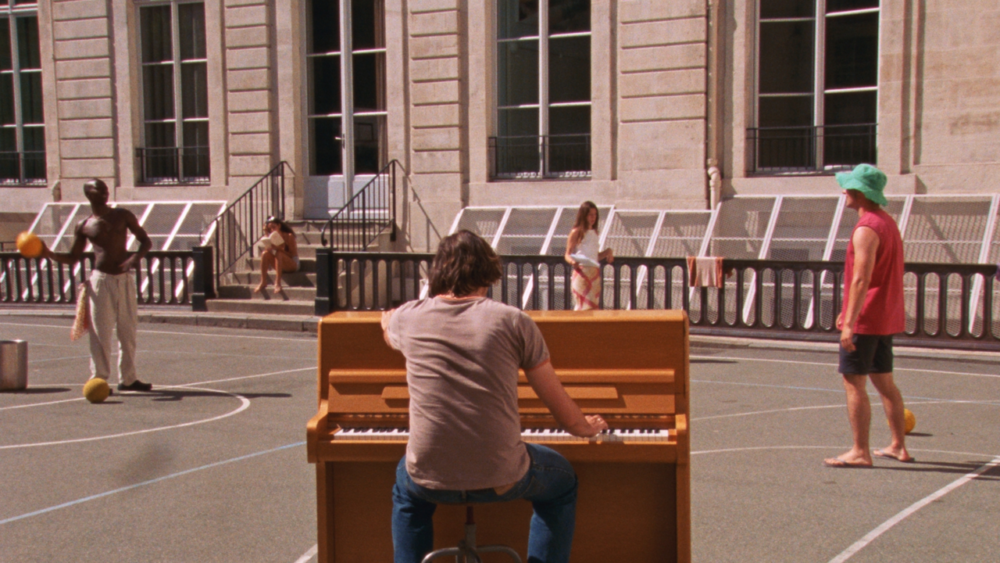
Somehow, âEternal Playgroundâ is the antithesis of the Beach Boys song âWouldnât It Be Niceâ, in that the formerâs characters behave like children in this temporary world theyâve created. Here, they bask in nostalgia, revisit their rose-tinted childhood memories, and forget the reality awaiting them outside the school. They spend their days playing games in the schoolyard, dancing in the empty classrooms, and reminiscing about their old teachers.Â
Even so, they also talk about their desires, regrets, unfulfilled potential, and ambitions with a childlike innocence. âEternal Playgroundâ makes it clear that Louiseâs death has brought the friends together again, this time with a promise that no one would lose touch anymore.Â
However, a seemingly harmless white lie by one of the characters threatens to disrupt the harmony that everyone carefully reestablished, with Gaspard and Louiseâs birthday fast approaching.
âEternal Playgroundâ: Enough Heart to Offset Its Saccharine PredictabilityÂ
Whatâs impressive with âEternal Playgroundâ is that this serves as the feature debut from writer-directors Rozé and Cotton. The filmmakers, shooting in 16mm to give the film a gorgeously nostalgic feel, focus on the reunion as a joyous celebration of life and a newfound, shared sense of belonging. Tara-Jay Bangalterâs camerawork deserves praise here, beautifully capturing scenes that evoke nostalgia to revisit oneâs youth. And while its adherence to the by-the-numbers predictability found in most coming-of-age films of the same verve can feel too contrived at times; the film proudly wears its emotions on its sleeve.Â
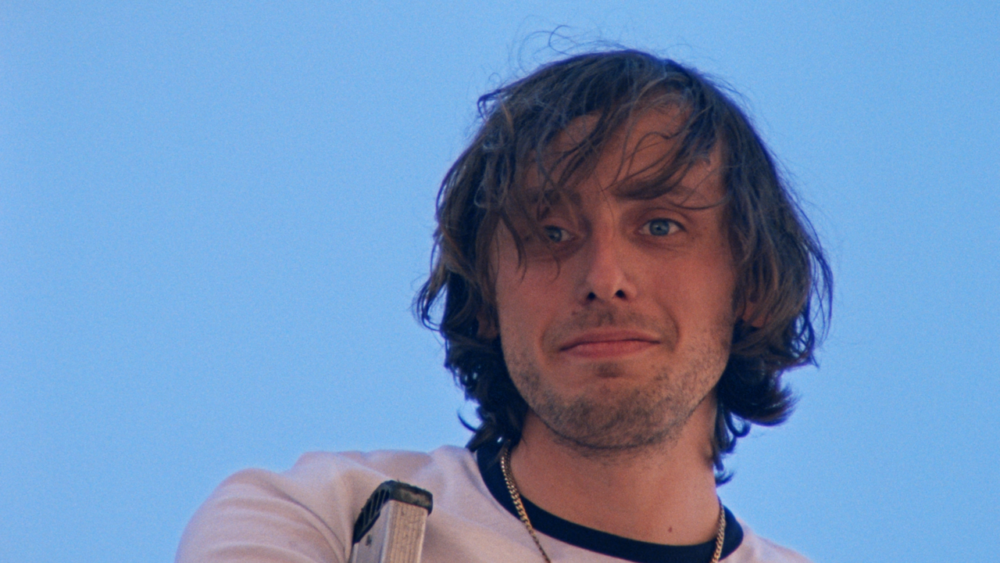
Finally, much can be said with the filmâs cast. Alassane Diong, Carla Audebaud, Alba-Gaïa Bellugi, Arcadi Radeff, Nina Zamzem, and Noée Abita all merit kudos for their performances; but Andranic Manetâs performance as Gaspard really takes the cake here. Manet imbues his character with a lack of maturity, unexpressed grief, and pent-up personal disappointments; so much that audiences couldnât stay mad at Gaspard even if he behaves obnoxiously at certain points in the film.Â
âEternal Playgroundâ captures the intricate feelings of loss, companionship, and the bittersweet journey of growing up. There are moments that play it predictably safe, but fortunately nothing that takes away from its melancholic yet hopeful atmosphere. And when the final scene unfolds, we finally stop caring if Gaspard would still have a job next school year, with all the violations he has committed for the sake of honoring Louiseâs final wish. Heck, we don’t even know if heâd be a free man by then.Â
But for what itâs worth, he doesnât seem to care either. And for that, weâll gladly go along for the ride.Â





