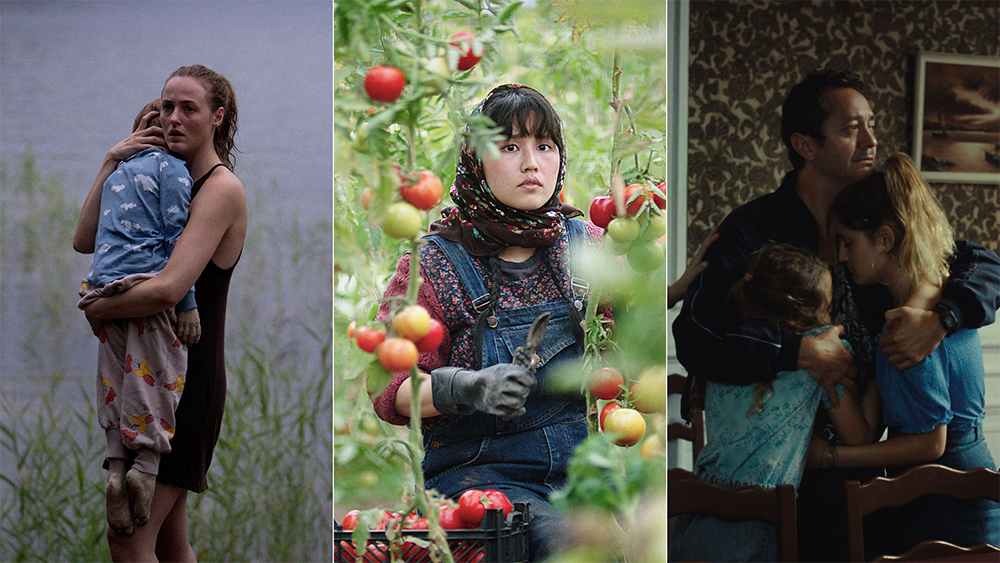
Outside of the two documentary sections (U.S. and World Cinema Documentary Competitions), you can find some of the most captivating and piercing features screening at the Sundance Film Festival in the World Cinema Dramatic Competition. I believe most of the films that premiere there, whether they succeed or not at establishing their respective themes, tend to contain more weight to themâexploring political, emotional, and even psychological debacles happening to the characters or the world around them. Plenty of films this year captivated me quite a lot, all covering different grounds. In this capsule reviews piece, I will be talking about three Sundance films from this yearâs section of the slate, all of which I like (some more than others) due to their expressionism within their unique settings: âHandling the Undead,â âIn the Land of Brothers,â and âReinas.â
‘Handling the Undead’ (Directed by. Thea Hvistendahl)
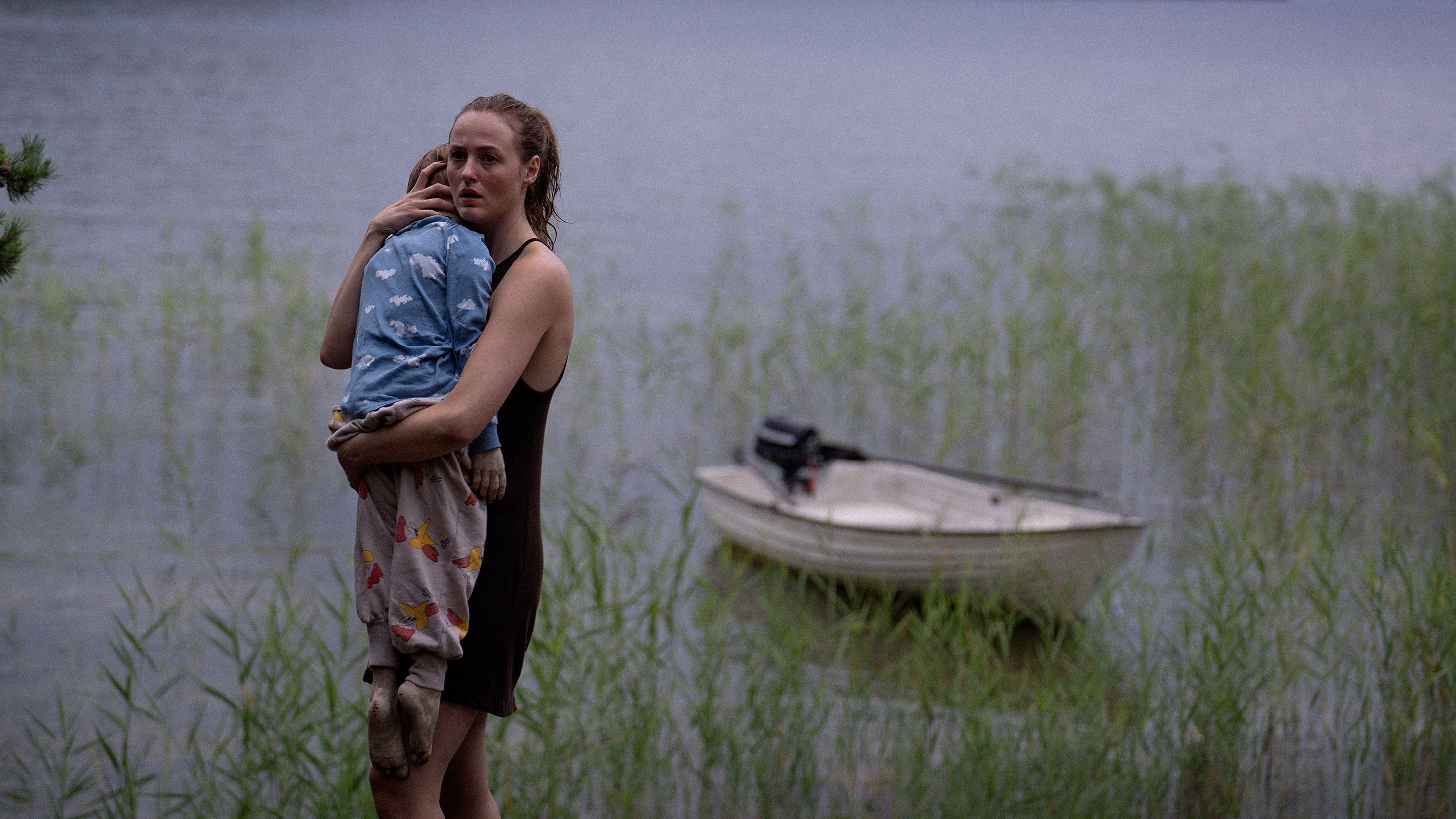
Based on the book by Swedish writer John Ajvide Lindqvist of the same name, âHandling the Undeadâ decides to rip apart most of the zombie movie tropes we know of, throwing the gory and bloody aspects out of the window and focusing more on curating an atmosphere filled with dread and melancholy. In the same vein as he did with âLet the Right One Inâ and vampire films, Lindqvist pens this script with a single goal in mind: depicting the essence of grief through the physical embodiments of that emotion. Whereas vampires symbolize hope for the right person to arrive in your life and change it, the reanimated beings who rise from the dead are the sadness slowly eating you alive.Â
Told from the perspective of three separate families, Thea Hvistendahlâs vision for âHandling the Undeadâ is reminiscent of what Tomas Alfredson did with âLet the Right One Inââletting the coldness of the creature and the themes being depicted be the guide for what these characters go through psychologically. It all starts on a hot summer day in Oslo. After a mysterious power outage, thousands of recently deceased people rise from their graves to haunt the lives of their loved ones. We see these events transpire through the eyes of three different families. They are drowning in their sorrows. These people are suffering from the respective losses they have endured recently.Â
Whether it is a son or a wife, these characters are burdened to come face grief once again. However, this time, it is on a more profound level. They might still be moving on from their losses or even still feeling the wounding effects. But this experience will make them revisit that mentally draining part of their lives once again. It is fascinating how Thea Hvistendahl uses a classic horror cinema monster. It is not a flesh-seeking beast, but a physical embodiment of those emotions, one felt throughout those days of mourning. Depending on the severity of oneâs condition after the passing, it will make the appearance of the âzombieâ even more hauntingly striking.
First and foremost, âHandling the Undeadâ is a tragedyâfilled with melancholy and despondency up to the brim. In contrast to its hot summer day setting, the film is very cold. Sometimes, you can even call it exceptionally cruel. Scenes where characters reflect on the unholy anomaly are met with wicked ones that reach their mental stability peak. Hvistendahl wants to unpack how these people deal with their respective losses and their reincarnations. The toll of seeing a person you cared for the most pass away, later to be reborn into a soulless succubus. These objects remind you of life yet are shells of a now-passed being. It is a nightmare come to life; nobody would even wish this to their worst enemy.Â
The experience of having someone leave the face of the earth is already a gruesome one. So, imagine relieving those exact moments and not having an inch of space for closure. It is very fascinating, soul-stirring stuff that is being concocted here. Hvistendahl wants to get under your skin in her feature debut. She demands that the viewers place themselves in the story. We think about how these circumstances would play out in our heads. The choice of screening this film in the World Cinema Dramatic Competition is odd. Yet I understand this due to how Hvistendahl handles the horror and drama genres.Â
Because of this, âHandling the Undeadâ garners a personality of its own within the expansive realm of the horror genre. Some viewers might distance themselves from the coldness this film oozes from its stirring pores. And those expecting blood and guts after reading the word âzombieâ somewhere in the promotions might also be a drawback. But those seeking a unique, singular experience that tethers between the wistful and the melancholic â while working to reinvent the notions one might have of the living dead â might want to check this film out. It is a piece of work that, on all accounts and cinematic aspects, tries to remain singular, distinctive, and tactful. This is one of the most unique features to play at Sundance this year.
Grade: B
‘In the Land of Brothers’ (Directed by. Alireza Ghasemi, Raha Amirfazli)
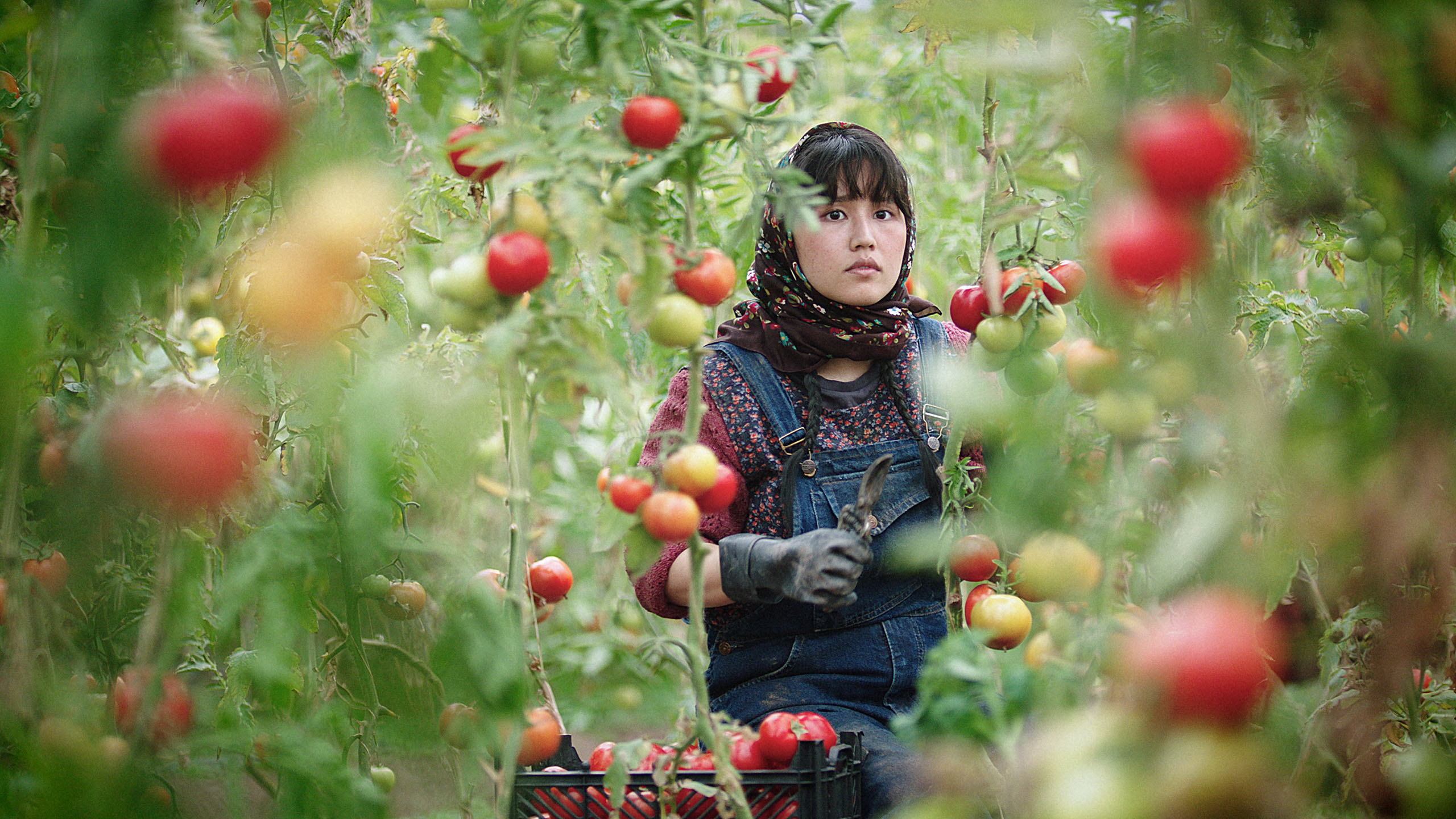
The second film I will discuss in this piece is Alireza Ghasemi and Raha Amirfazliâs latest piece of work, âIn the Land of Brothersâ â which won the Sundance Directing Award: World Cinema Dramatic. Their debut is constructed like an anthology series, a triptych of stories centered around refugees and their experiences. Set in Iran during a period of significant, ruinous change â the time during (and after) the U.S. invasion of Afghanistan that lasted from 2001 to 2021, Amirfazli and Ghasemi explore the injustices that plenty of people seeking refuge in the country are still facing today due to a system that is slowly tearing down their humanity. It is a tragic story that shows the viewer the many ways these refugees are being mistreated and how shockingly casual this abuse happens.Â
At the beginning of the film, we get an intertitle that mentions how more than five million Afghans crossed into Iran for sanctuary after (and during) the invasion. This place they seek asylum in is referred to as the âland of brothersâ, which is where this film gets its title. In contradiction to its title, we see the struggles an extended Afghan family experiences in three different chapters. Each of these chapters is set in a distinct period, traversing through time â seeing how the country and its system change â as the wounds of maul slowly injure these people. Since characters cannot voice their inner feelings of detachment and separation, we rely on the actorsâ facial expressions and subtle yet brutal reactions to the situations transpiring.Â
Although they are thematically connected with one another, these sections have their distinctive angles. It requires excellent control from the director at hand to make sure each part of the anthology-like structure fits yet feels unique enough to stand on its own. And Alireza Ghasemi and Raha Amirfazli make that their priority. They ensure enough insight is expressed by the time a division arrives. You could expand more on each family member’s daily experience. The directors could’ve played with various scenarios since this is a severe and essential matter being depicted. Yet, I think the necessary time was given to them to the point where the feeling is palpable through its cold, kafkaesque visual language.Â
Each one flows differently from the other in terms of how it builds its connective thematic tissue. The film sometimes feels like a Dardenne brothers picture, yet with more frigidity attached. But what ties these chapters together ultimately makes âIn the Land of Brothersâ striking through and through, even if some of the characters feel they need more characterizationâthe only thing keeping this picture from being an astonishing piece of work. Ghasemi and Amirfazli make sure that the film doesnât indulge so much in its misery that it rips the effectiveness of the real-life events âIn the Land of Brothersâ based on. Instead, the directing duo intertwines hardships with optimism toward the viewer to grow awareness of these topics.Â
We are meant to pay attention to whatâs being demonstrated on the forefront and how the rest of the people in the background react to such happenings. None of it feels instead forced. Everything is tackled in a realistic manner, which makes it feel like a documentary in some instances. This also has to do with the characters being played mainly through non-actors. Because of this, each dynamic feels true-to-life and organic rather than insincere. Thereâs an intricacy being thought of as the stories develop. You notice the fragility and urgency from which this story was initially constructed. And I feel that what makes âIn the Land of Brothersâ an essential watch and one of the most crucial features that Sundance Film Festival-goers must seek.Â
Grade: B-
‘Reinas’ (Directed by. Klaudia Reynicke)
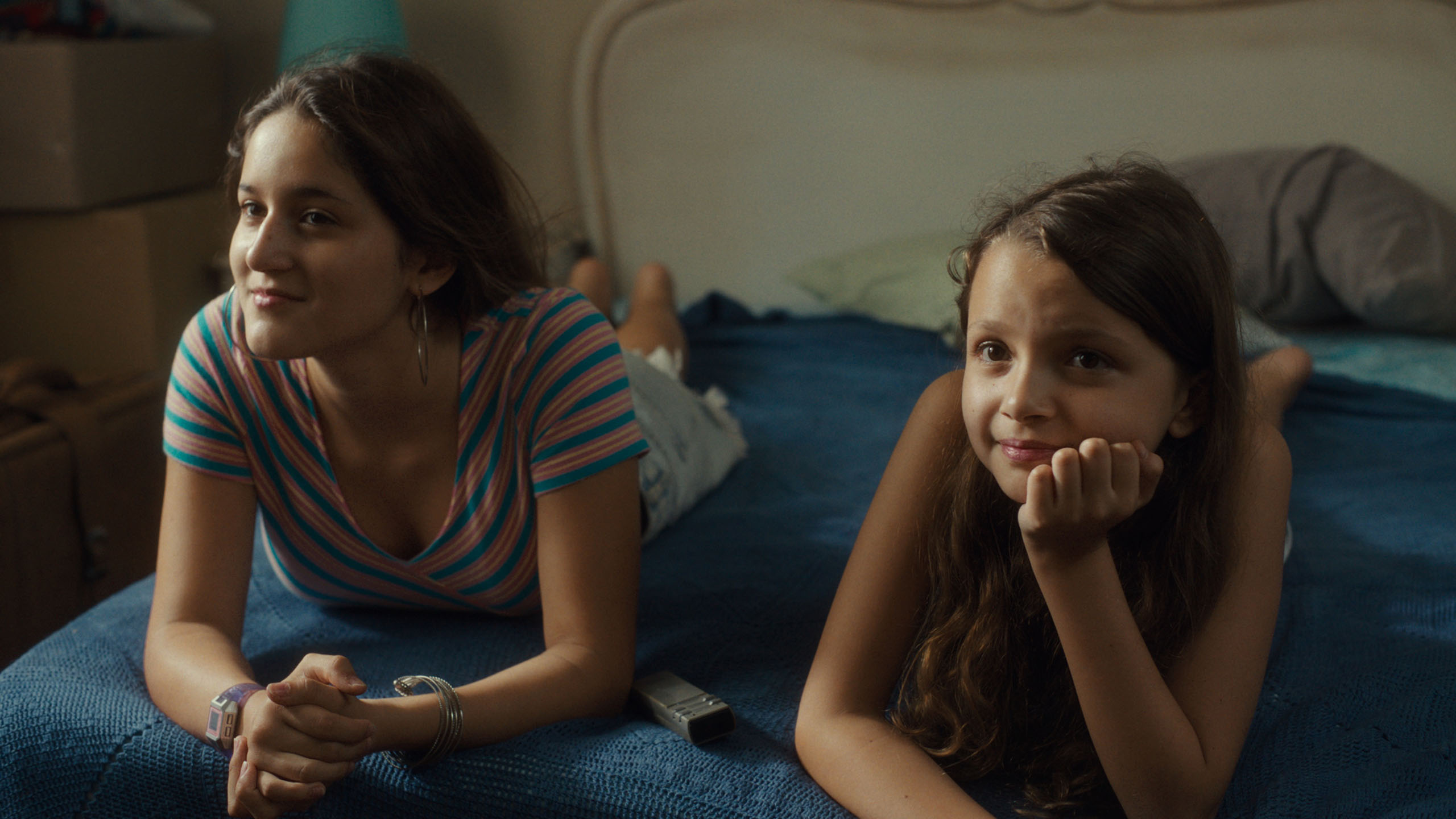
The third film in this Sundance World Cinema Dramatic Competition capsule is Klaudia Reynickeâs touching coming-of-age film âReinas,” which has an element of political turmoil in the backgroundâmaking each scene have a more defined effect and rationalization. Each year, there are a couple of parent-child stories premiering at the Sundance Film Festival. I donât know if it is a pet topic that the curators have in mind when selecting films. But it is a slight, interesting circumstance that occurs year after year. In this case, Klaudia Reynicke constructs this type of story via its settingâs political turmoil. Each interaction has a more emotionally profound note to them. Even the scenes that rely on the conventional tropes seen in father-parent stories have that feeling.
Peru, 1992: two sisters, Lucia (Abril Gjurinovic) and Aurora (Luana Vega), and their mother, Elena (Jimena Lindo), are planning to leave the country once and for all in search of a better life abroad in the United States sooner rather than later. Their country is in significant political turmoil, which has Elena preoccupied with her daughtersâ future. It is struggling to the point where everything is near crashing down. Every single move is monitored, and violence is running amok in the outskirts of it all. News of car bombings and shootouts is often heard through the local news and radio. In essence, Elena believes that this way of life is currently too unstable for them to continue like that.Â
She wants a change in scenery that could benefit her family. Elena sees the U.S. as a place of fruitful opportunities for them. The kidsâ absent father, Carlos (Gonzalo Molina), is coming to grips with this decision by them, mostly in ways of rejection and obliviousness. He doesnât want his âreinasâ (queens in Spanish) gone from his life, as they keep him moving. Some of his actions might not reflect that way from the other charactersâ perspectives. Yet he still cares for them. Carlos has been distant for a very long time. At the moment in which they are planning to leave him behind, he wants to be forced into the picture. Now, he likes to reconnect with his daughters. He wants to hold onto the only thing that has given a spark to his lonely soul.Â
Reynicke uses Peruâs history to set the atmosphere of âReinas,” interweaving the past and present of the country as a looking glass for this familyâs experiences. This element is what makes the film tick. The combination of natural character dynamics with the economic and political issues make up some emotionally tangible scenarios. Add that to the touching performances by the cast, particularly Molina and the young actresses playing the daughters. Thereâs plenty to hold onto on an emotional level. The reason why âReinasâ doesnât elevate these thematic plot points to a more profound level is because of its structure. The first half of the film tethers between these two issues quite nicely. However, the second one shifts its focus and renders the background and atmosphere useless.Â
In the process, the film loses some of its well-intentioned meaning. There is a lot of tenderness and delicateness arising from each story beat. This is mostly seen in Carlosâ story of not wanting to be left behind in a troubled city. But how everything is managed when coming close to curtain closing comes out somewhat disorganized rather than natural or free-flowing. This slight film covers much ground narratively, yet it all comes short by the end.Â
Grade: C
“Handling the Undead”, “In the Land of Brothers”, and “Reinas” screened in the World Cinema Dramatic Competition as part of the Sundance Film Festival 2024.