






Iâll let you in on a little secret: I used to hold Filipino movies to a low regard.
Donât get me wrongâââI love a good Pinoy story onscreen as much as the next person. But for the longest time, Philippine cinema has played things safe; and by safe, we mean profitable. Needless to say, formulaic Filiipino movies featuring household names starring in melodramatic or slapstick roles have been the norm. It took Jerrold Tarogâs 2015 film âHeneral Lunaâ before I saw how much my perspective needed readjustment.
Filipino moviegoers, it turns out, can appreciate a good movie and will flock to cinemas in droves to watch (and re-watch) it. Whatâs needed, instead, is the support for filmmakers with good, unregurgitated stories to tell.
This brings me back to my earlier statement: While I used to hold Filipino films to a pedestrian regard, I donât espouse the same belief today. Heck, even the oft-maligned Vivamax films made a movie that I really appreciated. (Tip your hat and take a bow, âFlirtatious.â)
Indeed, from animated films and documentaries to slow-burn meditations in black-and-white, 2023 was a great year for Philippine cinema.
Here are 10 Filipino films that made my personal list.

10. ‘Where is the Lie?’ (dir. Quark Henares)
Despite the filmmakerâs choice to frame this story about catfishing through a âshe said, they saidâ approach and present it as a dark comedy; thereâs so much to like about Quark Henaresâ âWhere is the Lie?â (originally titled âMarupok AFâ). For instance, the movie works as a gentle film that focuses on oneâs insistence of wearing rose-tinted glasses because they make her feel special. But by doing so, all the red flags sheâs supposed to spot from the get-go end up looking just like any other flag.
More importantly, at its core, the film is a cautionary tale about the dangers of whirlwind relationships, especially in todayâs technology-driven world.
9. ‘Raging Grace’ (dir. Paris Zarcilla)
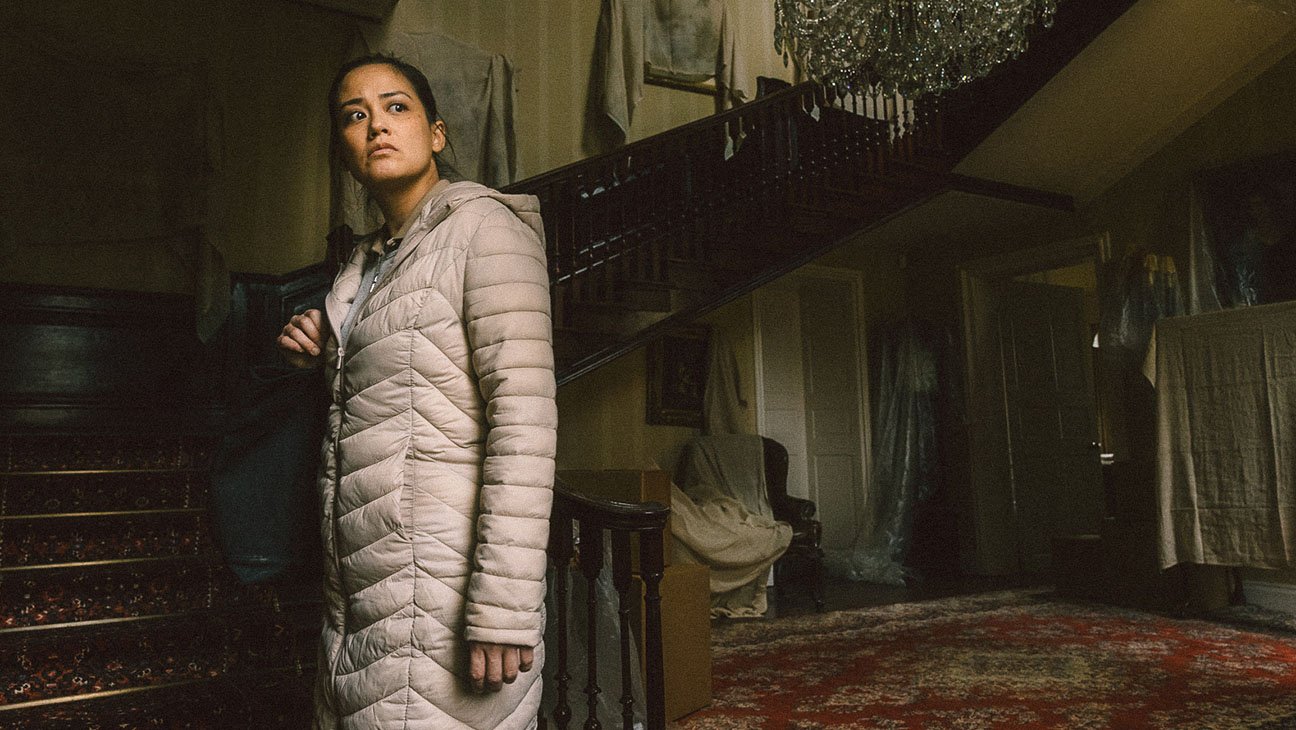
This is a controversial pick, not because of the quality of the film, but because this is a British productionâalbeit one written and directed by a Filipino and starring one of the finest actresses in Philippine cinema today. As timely as it is creepy, Paris Zarcillaâs “Raging Grace” relies heavily on its atmospheric, unsettling quality; so much that several times it has to bank on Max Eigenmannâs performance and utilizes it to the hilt.
This lifeline makes up for the unevenly yoked marriage of jump scares and social commentary on immigrant workers; the latter of which, by the way, being waaaay scarier.

8. ‘Firefly’ (dir. Zig Dulay)
As a heartwarming fantasy film about the magic of storytelling, Zig Dulayâs âFireflyâ exudes sincerity with its mother-and-son storyâmaybe a little overeager, in fact, to tug at the heartstrings. It almost-obsessively aims to make the audience care for its characters, so much that it can prove counterintuitive at certain points of the film.
Nevertheless, thereâs a lot to admire about the movie. Len Calvoâs playful score and Neil Dazaâs travelogue-like cinematography complement an overall good screenplay from Angeli Atienza; and the same abovementioned sincerity is more than enough to trump its more glaring shortcomings. Also: Watch out for Euwenn Mikael. That kidâs going places.
7. ‘In My Motherâs Skin’ (dir. Kenneth Dagatan)
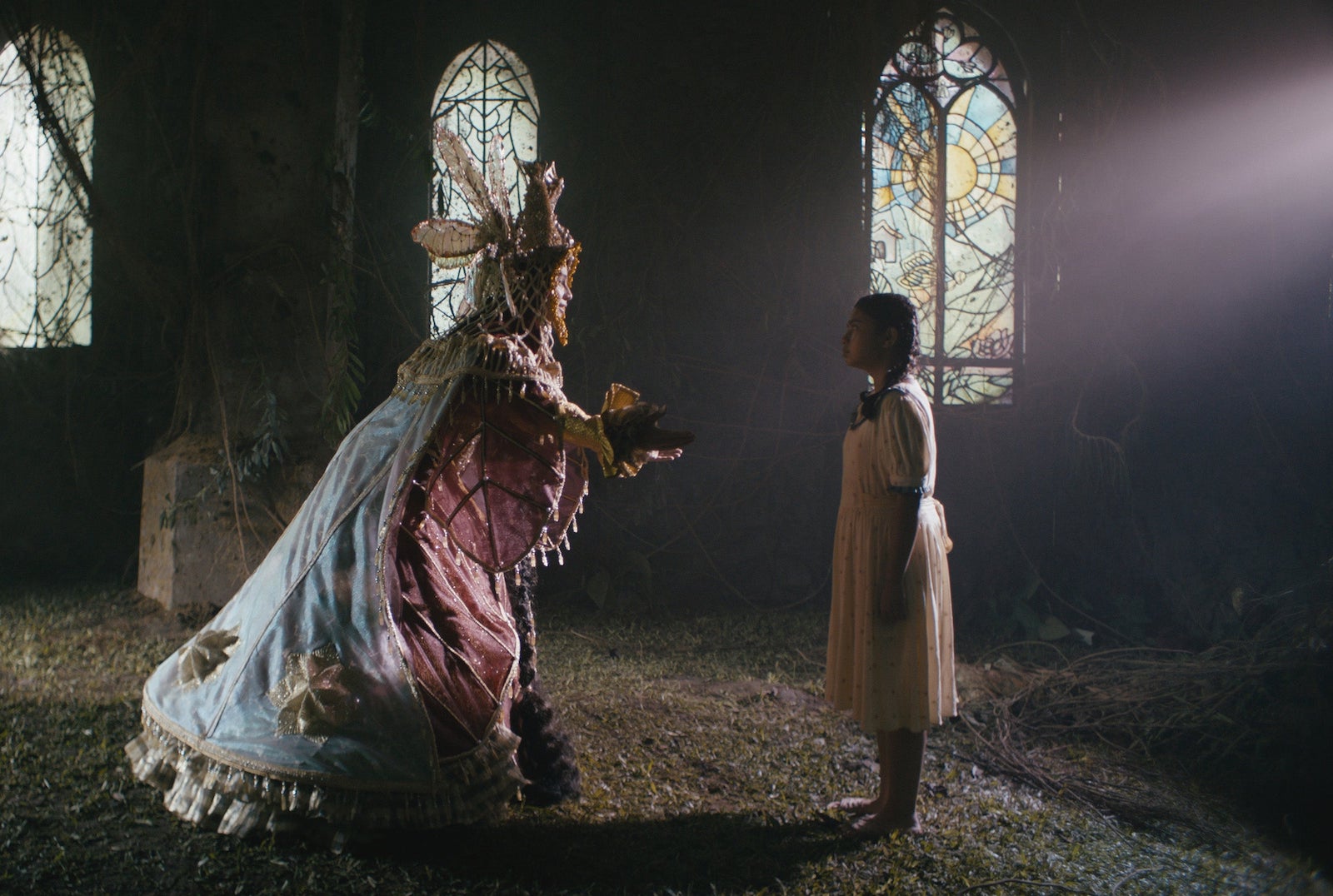
Kenneth Dagatanâs steady direction gets plenty of help from the technical aspects, namely Russell Mortonâs gorgeously eerie camerawork, Ming-Cheng Kaoâs editing, and Sing Wuâs music. This union consequently lends credence to âIn My Motherâs Skin,â a part-folk and part-body horror that repulses as well as it shocks. Think of “Panâs Labyrinth” directed by a Cronenberg (more Brandon than David, though).
While its narrative choice to set the story at the tail end of World War II adds aesthetic texture to its already creepy atmosphere; the film couldâve done away with it and instead shot it in a contemporary rural setting and it wouldâve still workedâmaybe even better.
6. ‘Nitrate: To the Ghosts of the 75 Lost Philippine Silent Films’ (1912â1933; dir. Khavn)
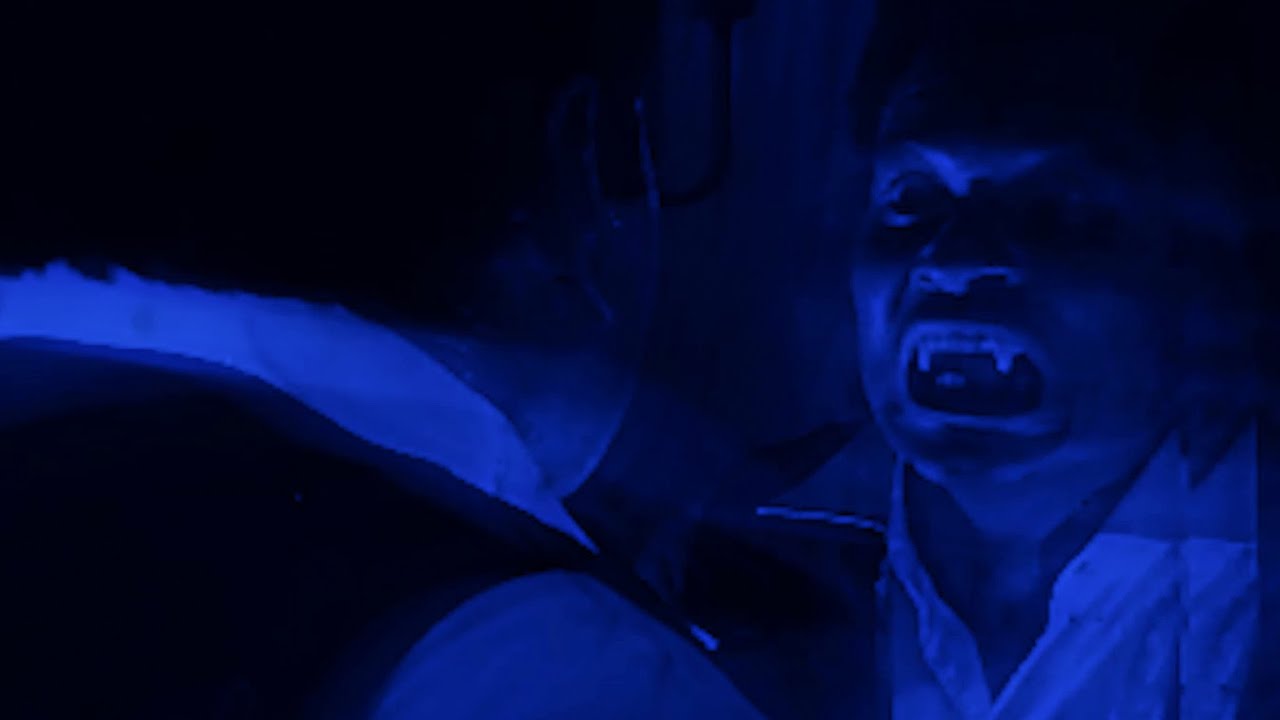
To the average moviegoer this might be a vignette of nothings, an experimental film that simply weaves together 75 Philippine silent films lost beyond recovery. But for someone who loves film, boy. This is almost a required viewing.
Khavnâs undertaking with âNitrate: To the Ghosts of the 75 Lost Philippine Silent Films (1912â1933)â should galvanize both the stewards and appreciators of Philippine cinema to champion film preservation. After all, such medium serves as kaleidoscopic canvases that depict Philippine arts, history, values, andâmost important of allâidentity.

5. ‘Gomburza’ (dir. Pepe Diokno)
In “Gomburza,” Director Pepe Diokno aims to cover as much Philippine history as he can, sometimes to the movieâs own detriment. Thus, this is a very rare case wherein I wished the film were longer, because I understand how important it is to give the narrative enough space to breathe. After all, this is an integral chapter in the countryâs history that most of the youth today probably know little to nothing about.
With its subject matter comes a levelheaded observation that its patriotic undertones can be mistaken for jingoism. But I think thatâs the point the filmmakers were trying to make: If it takes an extra pinch of patriotism from watching Philippine history to fight todayâs injustices, then itâs a fair trade.

4. ‘Huling Palabas’ (dir. Ryan Machado)
Amidst the rise of VCDs and the waning days of VHS tapes in 2000s Romblon, a movie-loving 16-year-old boy spends his summer renting VHS tapes with his childhood best friend. One day, a VCD-owning man from the city visits the town, catching the boyâs eye and spurring the latterâs self-exploration.
Ryan Machadoâs coming-of-age film âHuling Palabasâ (lit. âLast Showâ) is as much a film about a 16-year-oldâs sexual awakening as it is a filmmakerâs ode to his hometown. With extensive shots of Machadoâs quaint and laidback province of Romblon, âHuling Palabasâ also introduces audiences to the Onhan language, which adds to its appeal as a film that tells a story any Filipino moviegoer can relate to, regardless of language, dialect, and sexual orientation.
3. Essential Truths of the Lake (dir. Lav Diaz)
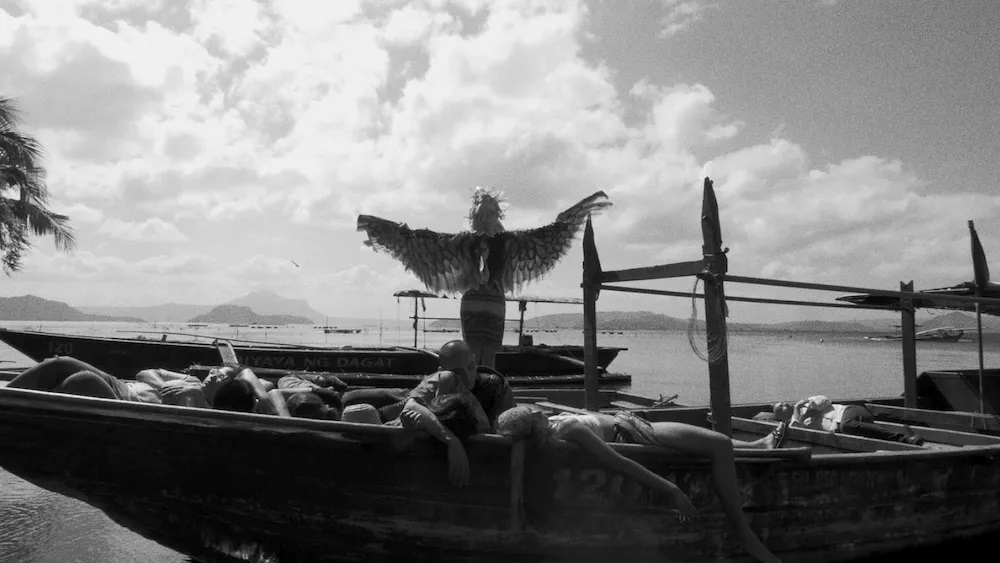
As a prequel to Lav Diazâs earlier movie âWhen the Waves are Gone,â âEssential Truths of the Lakeâ wonât probably earn Diaz new admirers. But whatâs certain is that his ardent supporters would likely adore him even more.
The film sees the director at his more probing and introspective modes, asking more questions than it answers them. And in doing so, âEssential Truths of the Lakeâ drives home its singular point: This is essentially Diazâs own expression of indignationâunfiltered, clumsy, sincere all at onceâtoward the injustices committed by an extrajudicial-killing government that, until now, has yet to be held accountable.
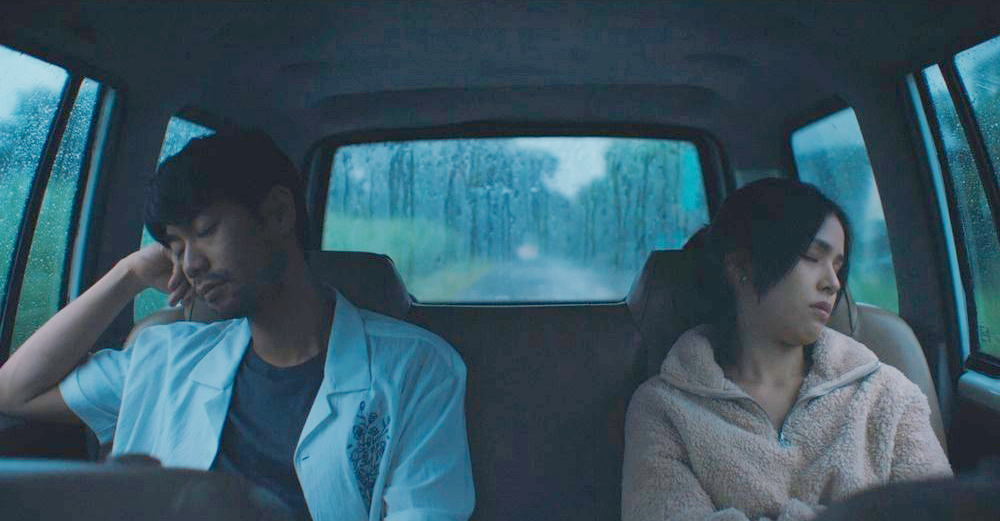
2. ‘Gitling’ (dir. Jopy Arnaldo)
When a Japanese filmmaker Makoto (Ken Yamamura) flies to Bacolod to promote his recent film, heâs assigned a translator (Gabby Padilla) whoâd work on the formerâs subtitles. What starts as a professional working dynamic turns into something more, highlighting the power of language not only to collaborate and communicate, but also to confuse and conceal.
Shades of âDrive My Car,â âBefore Sunset,â and the meditative films of Hong Sang-soo infused with Philippine sensibilities, âGitlingâ (lit. âHyphenâ) doesnât cheapen the romantic genre as some films are wont to do. Director Jopy Arnaldo captures the latent tension between his leads, especially heightened by borrowed time. Using five languagesâsix, if we can count all the nonverbal cuesâto tell a story is a herculean task if the filmmaker wants the audience to latch onto the characters with emotional investments ready for the protagonistsâ taking. And yet here we are, ranking said film near the top.
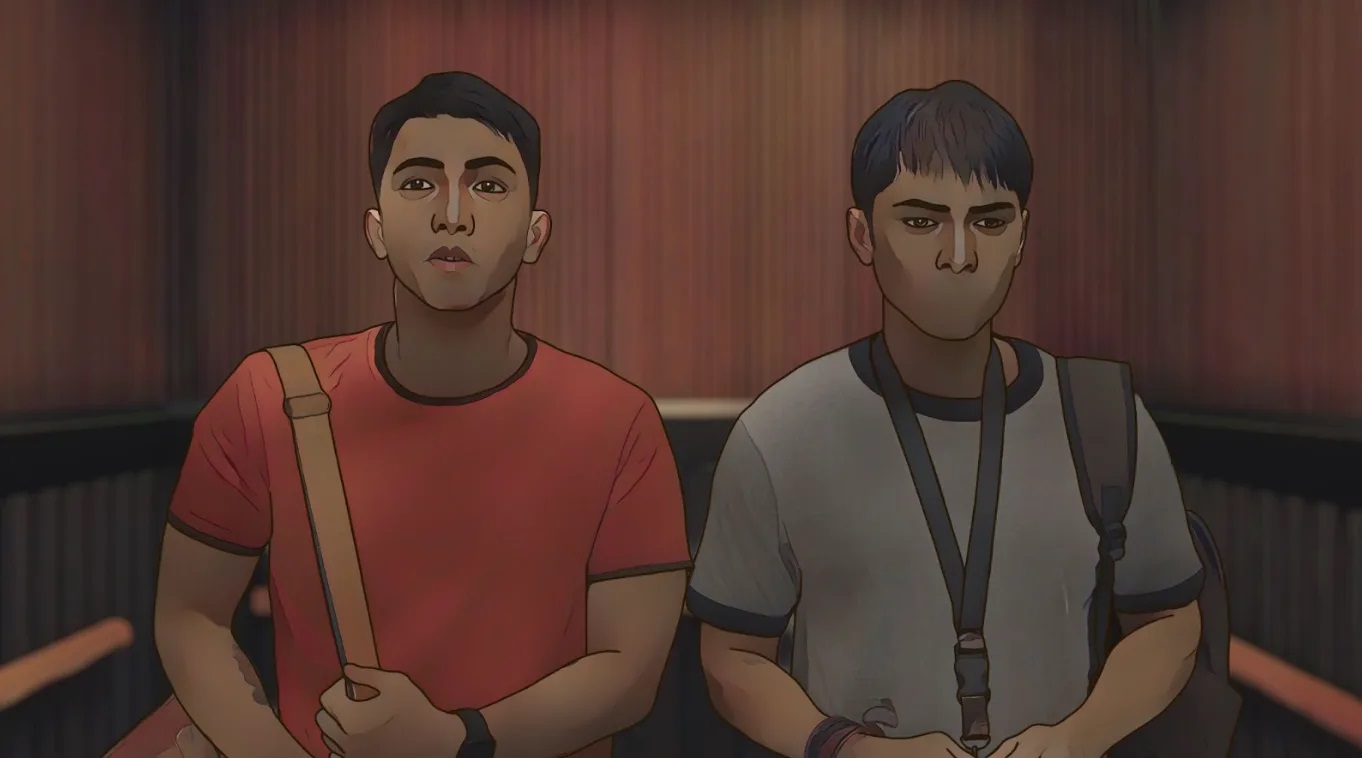
1. ‘Iti Mapukpukaw’ (dir. Carl Joseph Papa)
In 2023 I attended Cinemalaya for the first time, and this was the first film I saw in person. By the time the credits rolled, Iâd always known Carl Joseph Papaâs âIti Mapukpukawâ (titled âThe Missingâ internationally) was my Filipino film of the year. Shot in rotoscope animation, Papaâs movie sheds light on the unspeakable effects of trauma and grief. However, I fell in love more with the film highlighting how a strong support system can help victims navigate their journey toward healing, something Papa said was very important for him.
Not often do films like âIti Mapukpukawâ grace the local screens. But when they do, audiences are left with awe, knowing they’ve just witnessed the magic of Philippine cinema. And as the country’s official entry for the Best International Feature Film category at the 96th Academy Awards, the film rightfully claims the title of best Filipino film of 2023.
Honorable Mentions:Â
- “Ang Duyan ng Magiting” (dir. Dustin Celestino)
- “Nowhere Near” (dir. Miko Revereza)
- “Third World Romance” (dir. Dwein Baltazar)
- “National Anarchist: Lino Brocka” (dir. Khavn)




