






“The Royal Hotel” (directed by Kitty Green and written by Kitty Green and Oscar Redding) explores themes of culture shock and toxic masculinity similar to Sam Peckinpahâs film “Straw Dogs,” or more recently Emerald Fennellâs “Promising Young Woman.” Both those films took violence against women to the Nth degree, truly capturing the feelings of rage, helplessness and despair that women feel under the merciless bullying and depravity of toxic men.
“The Royal Hotel” is bland by comparison. Not only does it feel frustratingly tame, dulling the impact of what itâs trying to convey, but it also does more harm than good to the âme tooâ theme.
Hanna and Liv (played by Julia Garner and Jessica Henwick), two young American females wanting to see the world but having no money, take jobs at The Royal Hotel, a bar located deep in the Australian Outback. Excited at the prospect of seeing Australia and making money, they soon find that the men who frequent the bar as well as Billy, the barâs owner (Hugo Weaving) are more malevolent than they ever imagined.Â
Regrettably reinforcing toxic behavior
The main issue I had with the film was how it mind-boggingly reinforced the idea that if a male is pushy, childish, and borderline abusive, theyâre more appealing to women than a more mature and thoughtful man. Throughout the film, Hanna is hit on by Matty (Toby Wallace) who âflirtsâ with her by pressuring her into drinking shots with him, telling her to smile more, and even approaching her on her time off, pressuring her into getting in his car to go on a ride to a nearby swimming hole, which she bafflingly agrees to. Once theyâre both in the water at the swimming hole, heâs grabbing her and aggressively pushing her underwater âplayfully.” Even after all of this, she has affection for him.
Meanwhile, Teeth (James Frecheville), a shy, handsome and thoughtful man who frequents the bar, asks out Liv, and she politely turns him down, seeming extremely uncomfortable with him. As a result, Teeth gets relentlessly mocked by the rowdy bar patrons throughout the rest of the film.
Thatâs whatâs so maddening: the film encourages the idea that awful male behavior is what attracts females. Itâs surprising, especially given that a female directed and co-wrote the film. Also, I never felt Hanna and Liv were in real danger, even in the filmâs climax when things escalate. Itâs like director Kitty Green was holding back, giving us brief flashes of the rage and violence that the degenerate bar patrons are capable of, but never following through with it. As a result, the film is lackluster and lacks the anxiety and terror it could have had.
Liv and Hanna are a great contrast
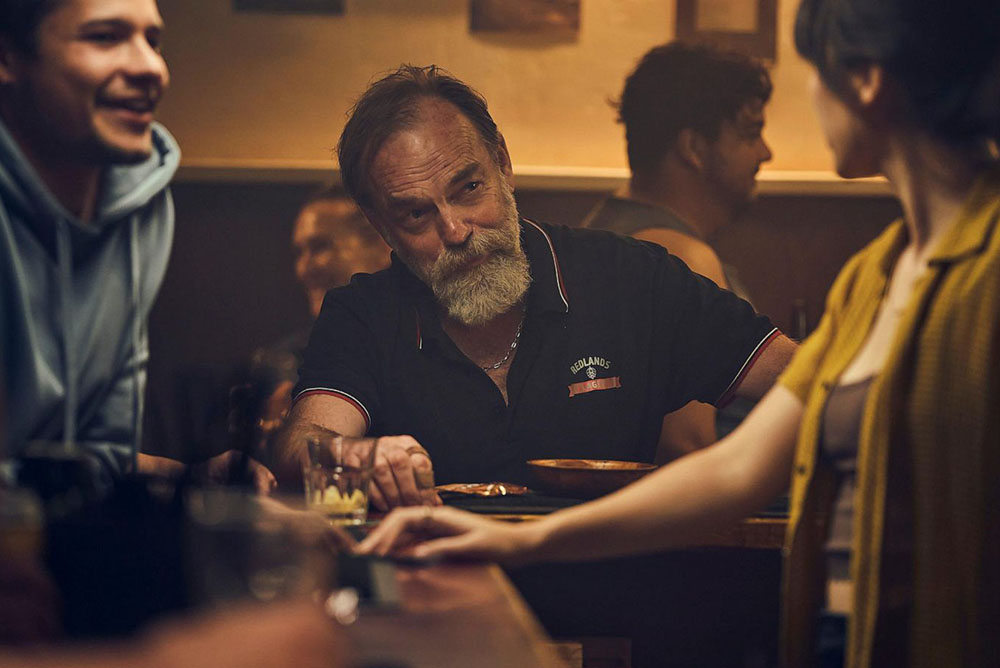
On the plus side, Hanna and Liv are both wonderfully complex characters and their different outlooks on life are fascinating. Hanna is more logical and less forgiving than Liv. When Billy âjokinglyâ calls her a harsh female slur (that I canât even write here), Hanna takes offense at it, and rightly so. But Liv just laughs it off, saying itâs a cultural thing.Â
Liv, oh Liv, what is wrong with you? Liv is more adventurous than Hanna, but sheâs far more naïve. She jumps into everything feet first, except, strangely enough, dating the relatively normal guy Teeth. Hanna feels the doom around them, but Liv always seems oblivious to it, laughing off everything the bar patrons do, no matter how obscene and horrendous they get. The two women are a great contrast to each other.
Also, Daniel Henshall gives a perfectly chilling performance as Dolly, by far the creepiest guy who frequents the bar. He leers at the two women and occasionally breaks into fierce rages, as if he wants to burn the whole world down. As the film progresses, he gets more unsettling and relentless in his pursuit of the two women.
A claustrophobic and suitable setting
I also enjoyed the filmâs setting. Even though we donât get to see much of the Australian Outback, the bar feels suitably dirty and claustrophobic. When the barâs packed, the drinks are flying and the musicâs booming from every corner, the area behind the bar where Hanna and Liv work seems like a prison cage, with the bar patrons being their tormentors.
“The Royal Hotel” isnât a horrible film, it just feels run-of-the-mill, with little tension or horror throughout. Even though it shows what women have to deal with from toxic men, it also unfortunately reinforces those menâs idea of what attracts women.
“The Royal Hotel” is currently available to watch in cinemas.Â




