





The seventeenth edition of the New York Film Festival opened with the Italian provocateur Bernardo Bertolucciâs “Luna” (1979), a love story between an opera singer (Jill Clayburgh) and her 15-year-old son. This year, the festival opens with Todd Haynesâ “May December,” a love story between an adult teacher and her underaged student. But itâs Catherine Breillatâs “Last Summer,” screening last night in NYFFâs Main Slate, which conjures Bertolucciâs unloved film, confronting themes of sexual abuse, incest, and addictive behavior. The daring French filmmaker Breillat attacks taboo subjects with a scalpel, withholding judgments, and the poised, controlled “Last Summer” is like a piece of procedural presenting evidence to the jury. For subject matter that ought to be a tough sit, Breillat links these flawed subjects to the audience. She forges a bond to guide us through an unpredictable maze of raw emotions and body heat.
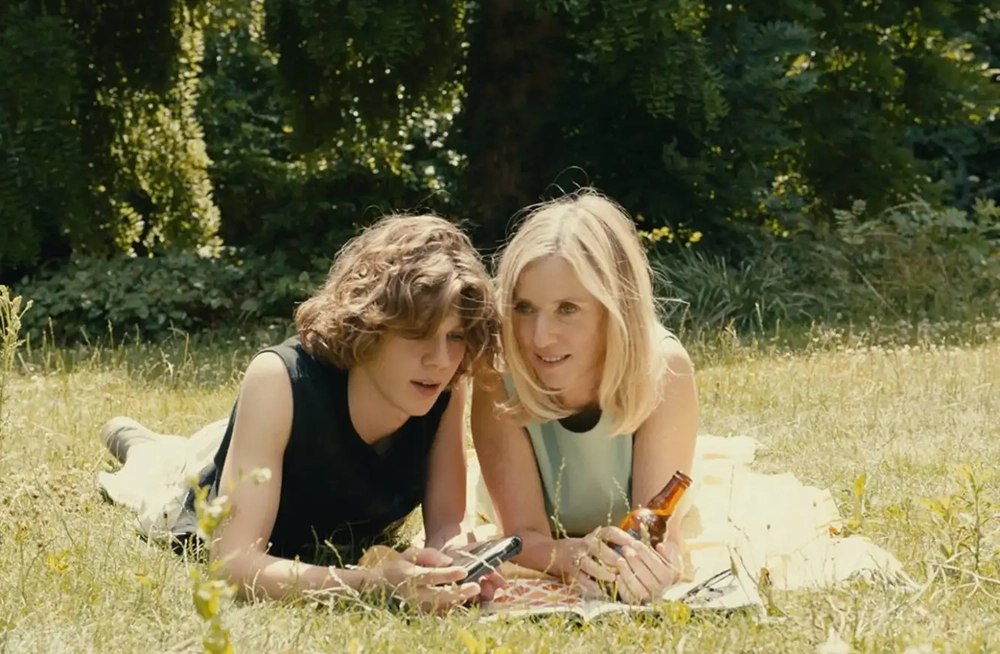
Inspired by the Danish film “Queen of Hearts,” Breillat (who also co-wrote the script) imagines the summer love affair between Anne (Léa Drucker) and her stepson Théo (Samuel Kircher). Anne is a lawyer who represents families and children in cases ranging from custody battles to sexual assault. She lives in a spacious country home with Pierre (Olivier Rabourdin), a successful company man whose mood alternates between somber, them-against-me brooding and an overcompensating kindness endemic to fathers of a particular stripe. Théo is Pierreâs son, and heâs a handful. After his latest arrest, Pierre doesnât so much welcome his son to live with him as he does open the door with a grunt. The dynamic between those three is tense. Meanwhile, Théoâs a darling, affectionate older brother to Serena (Serena Hu) and Angela (Angela Chin), Anne and Pierreâs adopted daughters.
Suspense at Every Breath
Knowing that Anne and Théo will have sex doesnât diminish the drama, it elevates the stakes and generates suspense at every breath, each scene an opportunity to crank up the sexual thrills. But Breillat is too skilled a tactician, too adept a storyteller to just cede to expectations. Anne tells Pierre in one scene that sheâs always been attracted to older men – including when she was fourteen. At a dinner party, Théo finds Anne bored. She’s drinking wine and smoking outside on the steps while Pierre entertains some of his (their?) friends. Anne accepts his invitation to go to town. They drink beer at a bar and interrogate each otherâs sex life. Thereâs a tinge of jealousyâand a flirting winkâwhen Anne asks, referring to Theoâs age-appropriate girlfriend, âWhat about Amanda?â

When Anne and her stepson have sex, itâs all grunts and moans. The camera is from the view of Anne, whoâs beneath Théoâs thrusting, slender body. The camera positioning is a forceful nudge to engage with these two and reconcile the steamy eroticism with the moral question of how wrong this is. Each participantâs pleasure isnât audited; Breillat leaves that up to them and us. Anne tries to let Théo down. Heâs incredulous at first (he keeps trying to kiss her). Later, Théo’s petty (âIâm going to sleep with so many hot girls!â). But after Pierre takes Theo away for the weekend, he confesses all the details. When Pierre confronts Anne about what Theo told him, Anneâs denial is magnetic and disturbing, a blend of skilled legal minds and ruthless sociopaths. Itâs the best acting in a film replete with stiff competition.
Sidestepping Convention to Make its Points
The connection between Breillat and Bertolucci loosens, then withers when comparing each directorâs subjectivity and relationship to the material. Bertolucciâs cinema is personal, typically dissecting a tortured soul with a wandering eye for detail. Itâs been said that Luna was inspired by a childhood memory with his mother, while “The Conformist” (1970) and “Last Tango in Paris” (1972) evoke the lead male characterâs reckoning with sexual identity and obsession, prominent threads through Bertolucciâs writing and public commentary. In “Last Summer,” Breillat dances on a wire. She alternates between the direct, descriptive excellence of Mary Gaitskill and the devil-may-care humor of Lars von Trier. Bertolucciâs films lag because of the excessive focus on the directorâs memory or dreams. However, Breillatâs latest soars because itâs not out to make a diagnosis. And her slight removal from the material retains the focus on the film, not the navel of a particular artist.
Breillatâs entire film is a trial, but thereâs no courtroom, judge, or gavel. Neither the victim nor the predator wins in the end, but Anne gets to keep her house, husband, and career. All Theo has is breakup sex and his whole life ahead of him. Further distancing from the Bertolucci comparison, Breillatâs film pulsates with layered commentary on sexual politics, motherhood, and family. Given her professional background and age, Anne should know better, but she yields to impulse and desire. This isnât a film that seeks to punish her, and thatâs arguably the most controversial element of the plot. Similar to “Women Talking” or “Saint Omer,” the path to a resolution is windy. And some life-altering decisions donât have precedent inside or outside the legal system.
âLast Summerâ is currently playing at the New York Film Festival. The festival goes from September 29th â October 15th. Join us for continual coverage.Â




