In December 2022, Sight & Sound released its once-a-decade ‘Greatest Films of All Time’ ranking. This was the year the list blew up, with unprecedented changes throughout the entire Top 100, including at the top. With this essay series, weâre exploring the films new to the Top 100, and those that left the list. The goal is to analyze â and enjoy â each film, considering its current or former position in the canon, stepping back from the hot takes and manufactured controversies to evaluate a film on its merits. The first film is Charles Burnettâs “Killer of Sheep” (1977), tied for 43rd on this yearâs list, and one of the highest-ranked new entries.Â
For the last half-century, Charles Burnettâs “Killer of Sheep” has been hiding in plain sight. Made for less than $10,000, Burnettâs conspicuous debut won the criticsâ award at the Berlin Film Festival in 1981. And in 1990, this intimate drama, which zooms in on the struggles of one Watts-area family, and widens its scope to examine the entire community, was one of the first fifty titles the Library of Congress included in the National Film Registry. Still, Burnett and his LA Rebellion peers (Larry Clark, Julie Dash, among them) have for decades fought an uphill battle to make their work seen and appreciated. This trailblazing group of gifted Black filmmakers crafted deeply personal films for an audience of few when their New Hollywood counterparts were showered with studio dollars and critical praise. At last, one of the Rebellionâs seminal works enters the canon.Â
‘Killer of Sheep’s’ Vault to the Top Half of Sight & Sound
When “Killer of Sheep” vaulted into the top half of Sight & Soundâs ‘Greatest Films of All Time’ poll, it was no small victory. Tying for 43rd, it was positioned ahead of legendary works from the likes of Michelangelo Antonioni, Francois Truffaut and several Jean-Luc Godard films. Burnett wasnât the only student of the Rebellion making moves: Dashâs “Daughters of the Dust” was tied at 60th, making her the first Black female director to crack the Top 100. Despite the notoriety, finding and watching “Killer of Sheep” can still be a tall order. Rarely screened at rep houses, itâs also elusive on most major streaming services. Thereâs no Criterion DVD or BluRay, so to rent the film, you might need to check the local library or subscribe to Netflixâs DVD delivery service (yes, that still exists; Iâm a subscriber).Â
Enter Milestone Films, an independent distributor, which has served as Burnettâs most indelible booster in the 21st Century. They have worked to clear the rights for “Killer of Sheepâs” indispensable soundtrack and launching the first international release in 2007. Thatâs not to say Burnett was dormant in years prior. The man has always found a way to put his work out there, exploring all mediums, ignoring the limitations of financing and resources. Just look at his 1990s output. It began with “To Sleep With Anger” (1990), a partnership with Danny Glover who, fresh off his “Lethal Weapon” fame, used his good name talent to attract funding for Burnettâs project. It paid off when that film won four Independent Spirit Awards and later, entered the Criterion shrine in 2019.Â
Burnett’s Unobtrusive Techniques Shine
In 1996, Burnett directed “Nightjohn,” a TV movie that aired on The Disney Channel. Based on Gary Paulsenâs novel about a slaveâs attempt to teach an orphaned girl to read and write, New Yorker film critic Terrence Rafferty called it the best American film of the year. The next year, Burnett experimented with digital video in “The Final Insult,” co-produced with a German studio. Itâs a brave, mischievous film that combined documentary with fiction to tell the wrenching story of â to use the parlance of our times â an unemployed gig worker experiencing financial insecurity in modern Los Angeles. The setting marks a return to “Killer of Sheep,” but, like most of his films, it stands on its own. Burnettâs is an unusually eclectic body of work, not easily pigeonholed into convenient grouping (see his resume) or the usual suite of auteurist obsessions (sex, God, etc.)
If there’s one consistent touch to Burnettâs work, itâs an unobtrusive technique which gives his characters room to breathe. And “Killer of Sheep” is a high-water mark not just in Burnettâs cinema, but in the art of observing, of letting life unfold. It might look like a documentary, but it sounds like a greatest hits album, and the plot thrusts forward with the lurch of a sedated opera. The casting of non-actors immediately generates comparison to the neorealist work of Vittorio De Sica or Satyajit Ray, yet “Killer of Sheep” pulls back when it moves towards a direction weâve seen before. Shady neighborhood characters are introduced, then dismissed (this isnât a mob movie). Domestic drama sneaks in, but is dispelled with some misdirection (nor psychodrama). And moments of joy â a car ride, slow dance â are never quite as romantic as they seem (nor rom-com).Â
From Factory Work to Children’s Innocence…
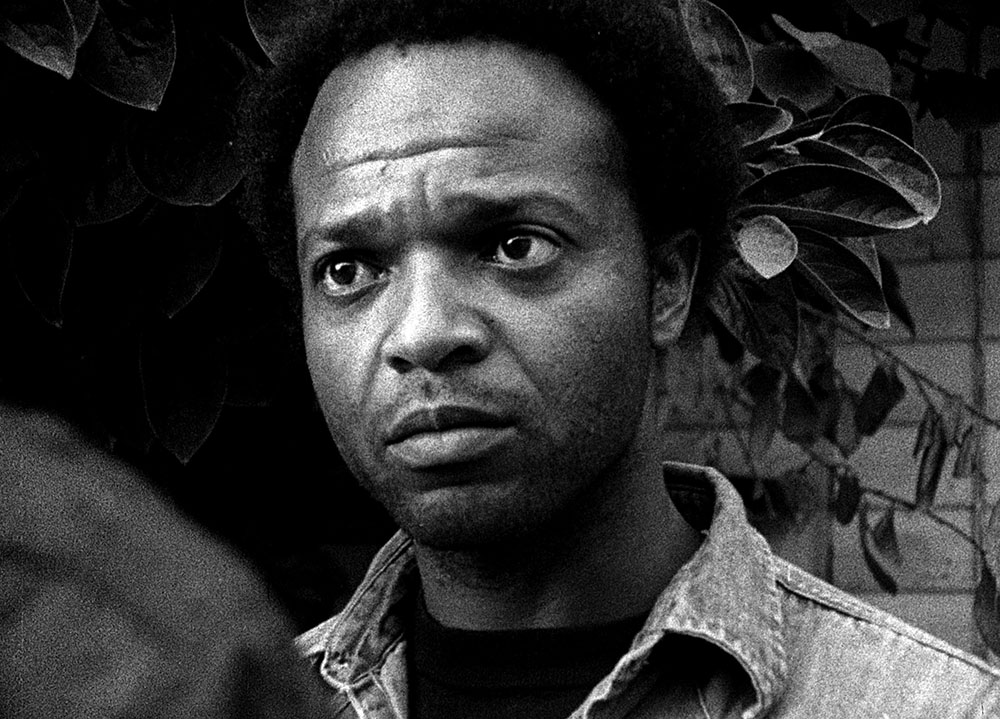
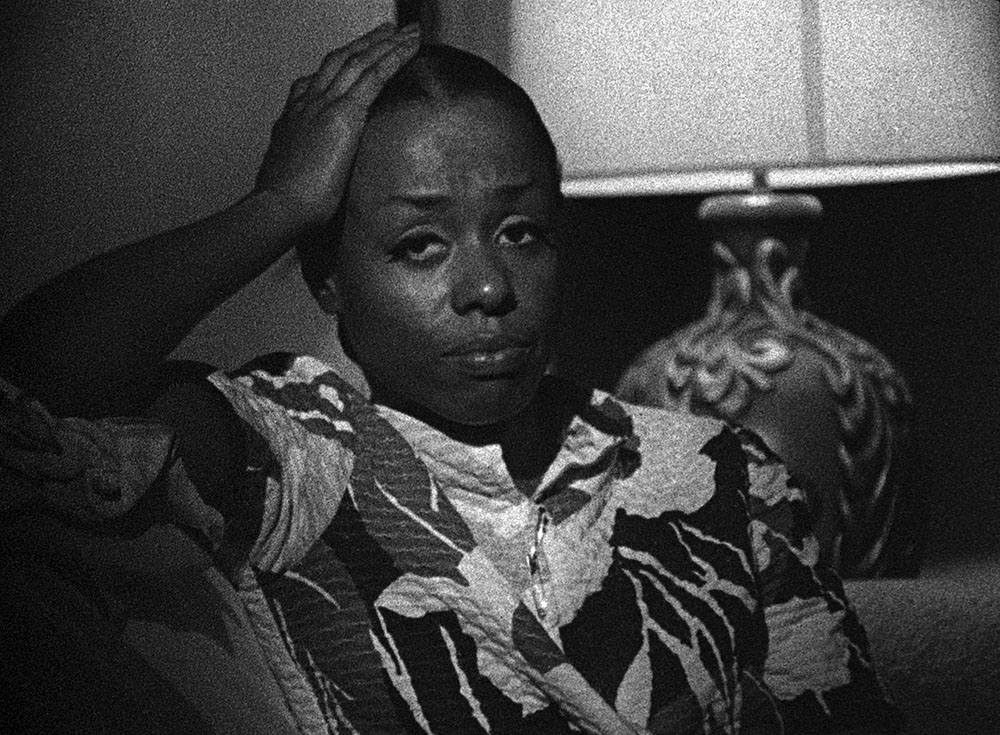
Stan (Henry G. Sanders) is a burdened factory worker whose face and posture suggests a man with the weight of the world on his mind and heart. His wife (Kaycee Moore) tries to reach him, and wants nothing more than to feel some affection going both ways. Stanâs mind is elsewhere: he worries about money, concocts schemes on how to get more of it, and is unable to accept thatâs not what his family needs from him. Stan might be physically present at the dinner table with his kids and heâll dance with his wife, but after finishing a meal, all he can say is: I gotta find another job.Â

Work is neither a source of pleasure for Stan, nor an escape. His time in the slaughterhouse â skinning, cutting, following procedure â contrasts to scenes of children in the neighborhood wrestling, yelling, mixinâ it up. The problems of the adults have yet to muddy the lives of these kids, and Burnettâs camera is most joyful and energetic when centering them. Thereâs a Godardian tracking shot that both follows and escapes from children stampeding towards a car, throwing rocks. And in another nifty sequence, the camera looks straight up at kids jumping from one roof to another. It takes a second to understand what weâre looking at, a point magnified seconds later when the camera whips down from the sky down to Stan, who walks into focus and then cranes his neck up to look up with wonder at the leaping kids.
Filmmaking Highlights â Burnett’s Deserving Rise in the ‘Top 100’
These are not low-budget devices of a student filmmaker. Burnett packs so much into every frame, densely occupying all 80 minutes with evocative images and complex characters. We may think we know where itâs headed, or in what category this film belongs, but Burnett never gives the expected payoffs. Stan and his friend bungle an attempt to sell a giant car engine, going through the effort to carry it out of a home, down stairs, and loading it into a truckâs bed. Naturally, it falls out of the back, and instead of the charactersâ reaction, the camera fixes on the engine. The truck drives away and the filmâs most effective narration â its bluesy, woozy, and sarcastic score â carries us into the next scene.Â
The music is always in the right spot, lyrics substituting for what the characters canât say. That, too, is a cagey bit of subversion. In one scene, the camera watches kids fighting and playing to the tune of Paul Robesonâs âThe House I Live In,â which might sound idealistic if we hadnât previously witnessed the adults struggling, unsure of how to provide for and communicate with their families. When the kids fade out of view, the lyrics âAll races, all religions, thatâs America to me,â land with a wink and a nudge.Â
Inspiration in All Places
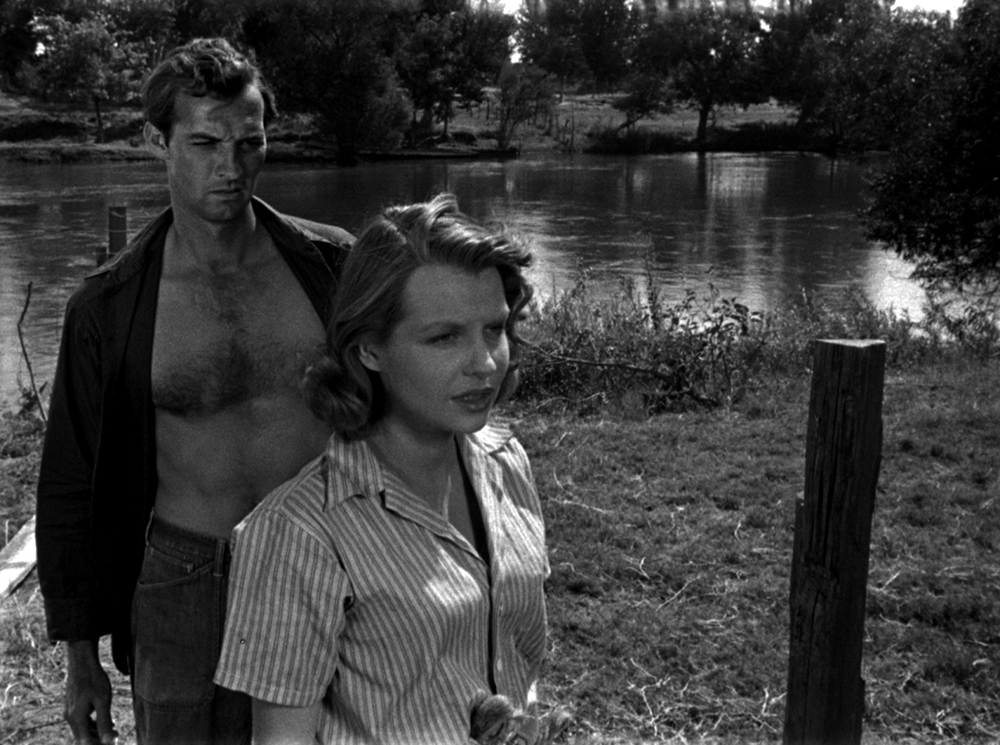
Burnett has singled out Jean Renoirâs “The Southerner” (1945) as an influence, and the two great directors share a kinship for engaging, empathetic storytelling. With his first feature, Burnett created a companion piece to Renoirâs “The River” (1951) â which ranked 185th in Sight & Soundâs poll â only, in reverse (Fun trivia: Satyajit Ray was an assistant on that film). Whereas Renoir, whoâs French, made a film about a British family living in India â an outsider zeroing in on outsiders â (More fun trivia: it was financed by an L.A. florist), Burnett, who grew up in the Watts neighborhood, was on the inside looking in; a fish in his own water.Â
Renoir once said that directors only make one film in their lives, spending the rest of their careers breaking it into pieces and making it again. And no matter the form of genre, Burnettâs career has been a masterclass in playing the hand heâs dealt, turning out realistic scenarios with a conscience. His work gives insight into the mind of an artist generous enough to listen to problems, but realistic enough to know he canât solve them. The latest stop for Burnett is in the top half of Sight & Soundâs poll, and that feels as appropriate as Dinah Washingtonâs âThis Bitter Earthâ in “Killer of Sheepâs” closing credits. She sings âToday youâre young, too soon, youâre old,â summarizing the taste of this overdue recognition. Some parts are sweet, some bitter, but in middle-age, this official canon member deserves its perch on the pedestal.Â
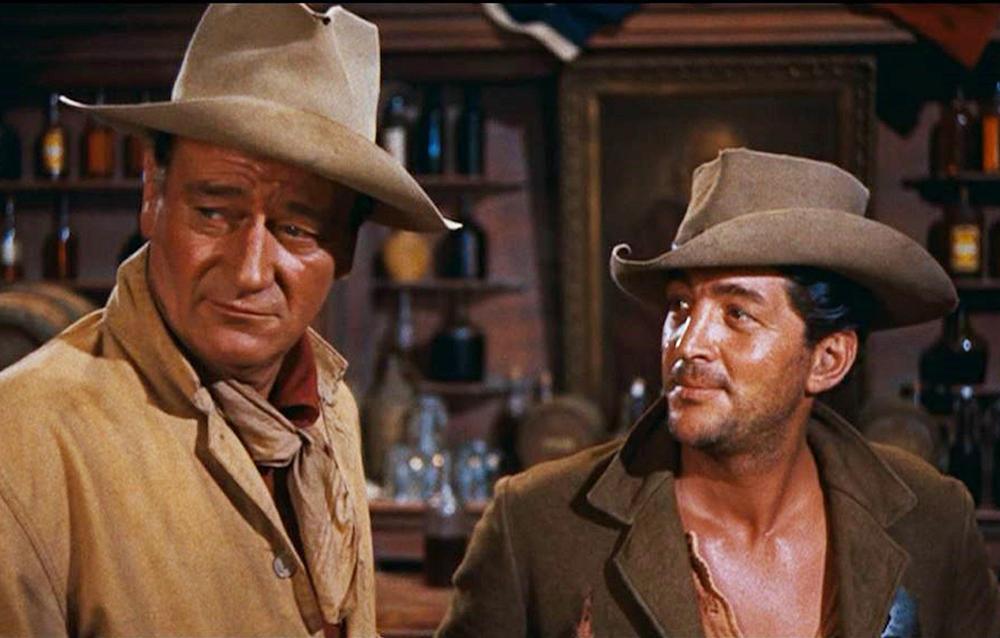
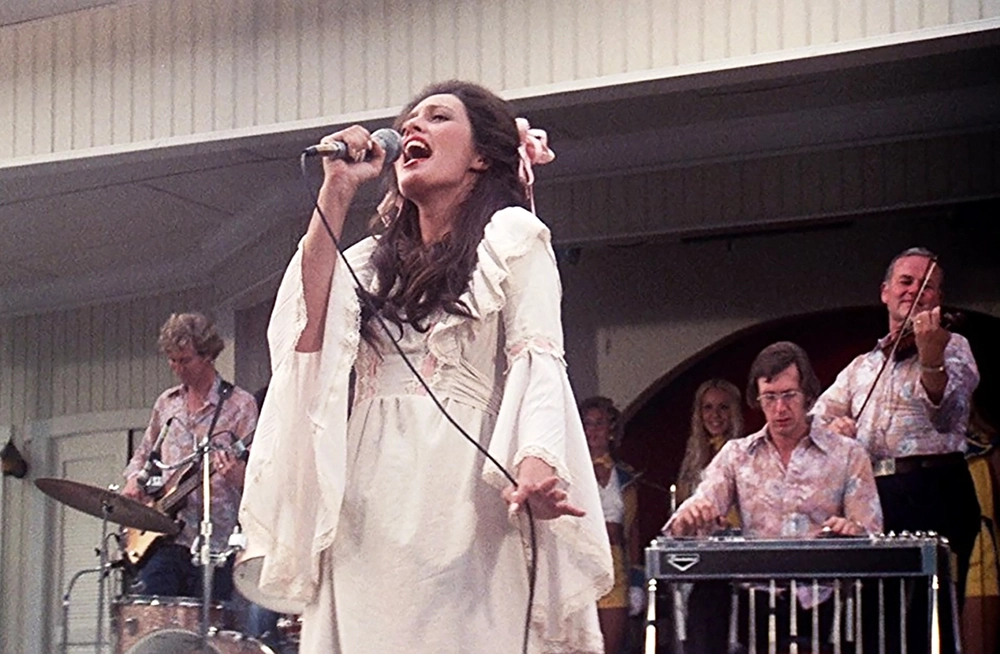
The next piece in this essay series will be Robert Altman’s “Nashville” (1975).Â