





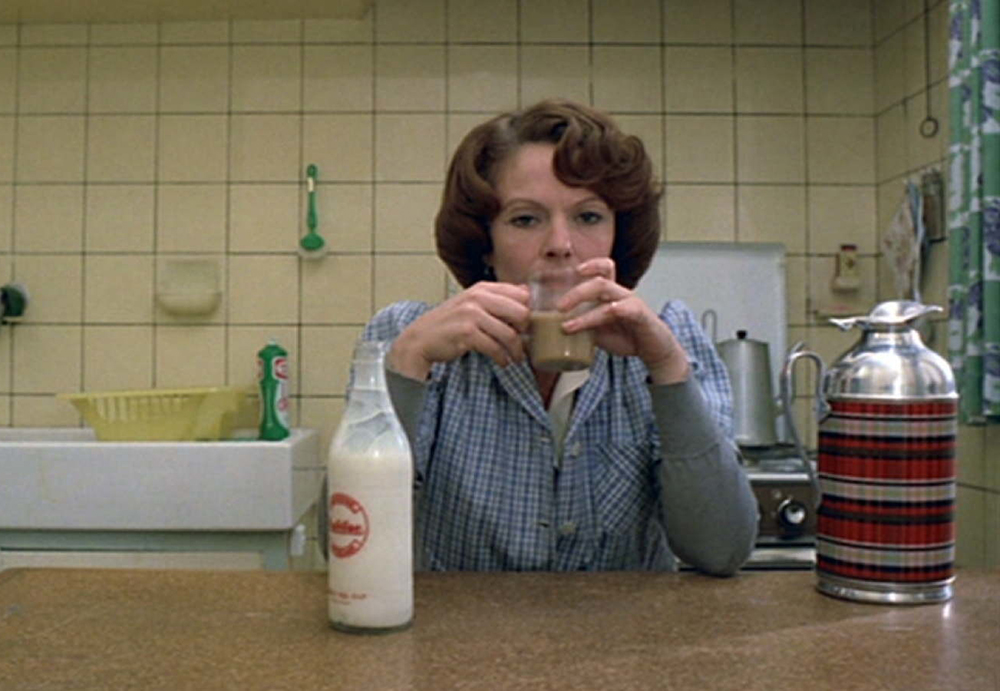
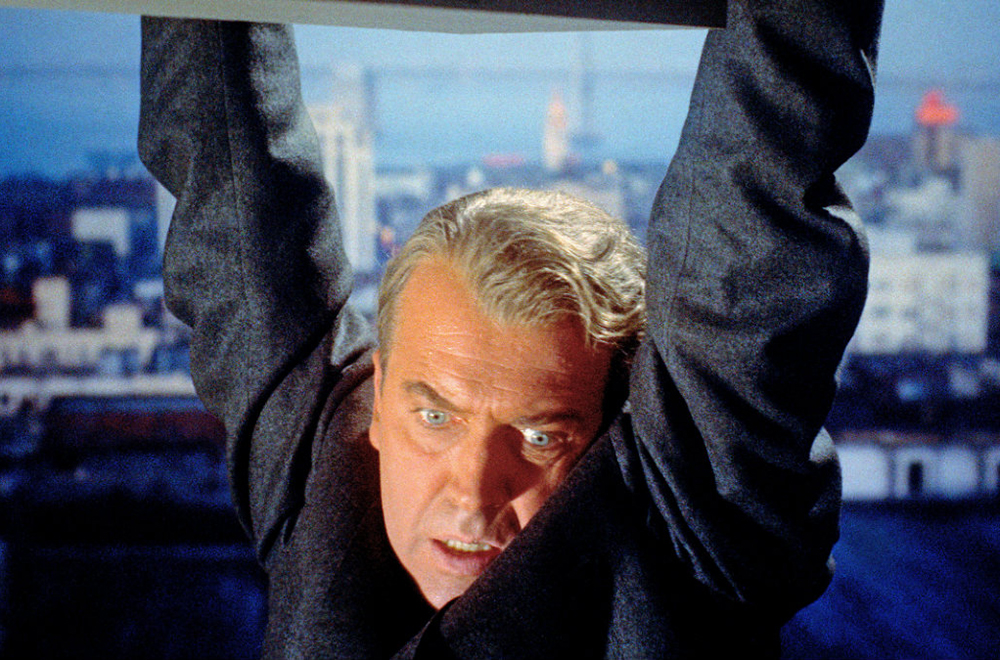
Chantal Akermanâs 201-minute epic “Jeanne Dielman, 23 Quai du Commerce, 1080 Bruxelles” (1975) soared 34 spots to take over as the greatest film of all time in Sight & Soundâs latest poll. The British film magazine announced the results of its once-a-decade criticsâ poll on Thursday, surveying 1,639 participants, nearly doubling the number of voters that took part in the 2012 edition. In that round, Alfred Hitchcockâs “Vertigo” (1958) unseated Orson Wellesâ “Citizen Kane” (1941) as the top film, ending “Kaneâs” five-decade reign at the top.Â
Akermanâs film is just the fourth in the seventy-year history of the poll to hold the top slot. In 1952, Vittorio De Sicaâs “Bicycle Thieves” (1948) won with 25 votes and then came “Kane,” ranking number one from 1962-2012, until “Vertigo” surpassed it. This year, “Vertigo” and “Kane” were number 2 and 3, respectively, with Yasujiro Ozuâs “Tokyo Story” (1953) and then Wong Kar-waiâs “In the Mood for Love” (2000) rounding out the top five.Â
100 Greatest Filmsâthe Ascent of ‘Jeanne Dielman’
The ascent of “Jeanne Dielman” marks not just a triumph for Akerman, whose “News from Home” (1976) made its debut on the list, tied at 52nd, but it represents a dramatic shift in the listâs composition, acknowledging directors and films previously underrepresented. In 2012, for example, only two female filmmakers ranked in the top 100. This year, there were four female-directed films in the top 20, including “Dielman,” Claire Denisâ “Beau Travail” (2000; ranked 7th), Agnes Vardaâs “Cleo” from 5 to 7 (1962; 14th) and “Meshes of the Afternoon” (1943; 16th) co-directed by Maya Deren and Alexander Hammid. Varda matched Akerman with two films on the list: her “The Gleaners and I” (2000; 67th) was a rare documentary selection.
Julie Dash and Jane Campion joined the top 100 as well this year, Dash with “Daughters of the Dust” (1990; 60th), and Campion with “The Piano” (1994; 50th). Barbara Lodenâs “Wanda” (1970; 48th), her first and only feature, was another new entrant, and Celine Sciammaâs “Portrait of a Lady on Fire” (2019; 30th), tied for the youngest movie on the list. Czech New Wave auteur VÄra Chytilová is the last female newcomer, with her provocative comedy “Daisies” (1966; 28th) surging.Â
Some Notable Movements
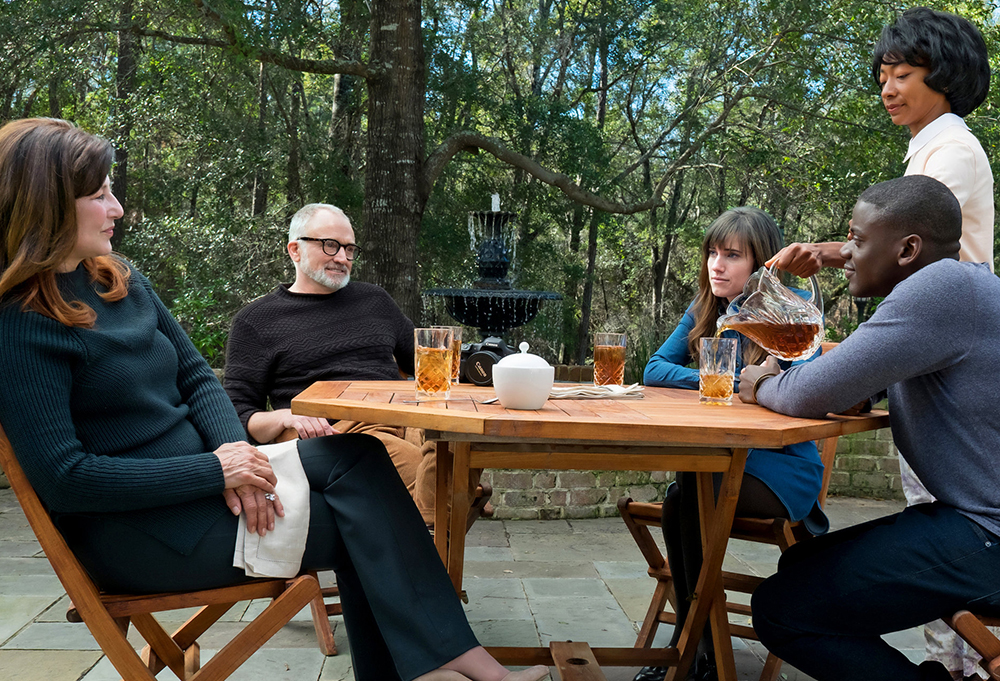
Dash is the first Black woman to make the top 100, and sheâs one of six Black filmmakers new to the top 100. Whereas in 2012, only one film directed by a Black director (Djibril Diop Mambétyâs “Touki Bouki” from 1973) was included, this year welcomed a variety of Black filmmakers from past and present. Jordan Peeleâs “Get Out” (2017) was tied at 95 with several films, including Ousmane Sembeneâs “Black Girl” (1965). Improving from 2012, “Touki Bouki” rose from 93 to 66, just behind Dashâs “Daughters,” which received the same number of votes as Barry Jenkinsâ Best Picture Oscar-winner “Moonlight” (2016). Charles Burnett, a key figure in the L.A. Rebellion movement alongside Dash, had his “Killer of Sheep” (1977; 43rd) make the leap, and the highest-ranked film by a Black filmmaker is Spike Leeâs searing “Do The Right Thing” (1989; 24th).
Notable films bounced from the top 100 include Francis Ford Coppolaâs “The Godfather Part II” (1974; 31st in 2012), Martin Scorseseâs “Raging Bull” (1980; 53rd), and David Leanâs “Lawrence of Arabia” (1962; 81st). The only 21st Century films on 2012âs list climbed much higher. David Lynchâs “Mulholland Drive” (2001; 8th) rose 20 slots while “In the Mood for Love” jumped nineteen. This yearâs list skews much younger, with nine films made since 2000 cracking the top 100, including Bong Joon hoâs “Parasite” (2019; 90th), the first non-English film to win the ‘Best Picture’ Oscar.Â
The New List Will Publish in January 2023
The fourth edition of the directorsâ poll also had some changes at the top. Stanley Kubrickâs “2001: A Space Odyssey” (1968) was the new winner, with “Kane” in second and previous winner “Tokyo Story” tied at fourth with “Jeanne Dielman.” Sight & Sound received ballots from 480 directors, compared to 358 in 2012.Â
Mike Williams, the magazineâs editor-in-chief, lauded “Jeanne Dielman” as a âlandmark feminist filmâ which continues to challenge the status quo. And filmmaker Joanna Hogg, commenting in a release announcing the listâs results praised Akermanâs âirrefutableâ influence, while noting the director had complicated feelings about “Dielman.”Â
The full results and commentary on the “100 Greatest Films” will be published in Sight & Soundâs January double issue. Individual Top 10 ballots will be live on Sight & Soundâs website in early January, alongside the expanded “Top 250” criticsâ list. The Movie Buffâs coverage will continue next week with an analysis of the results compared to our predictions.Â
Support the Site:Â Consider becoming a sponsor to unlock exclusive, member-only content and help support The Movie Buff!


