





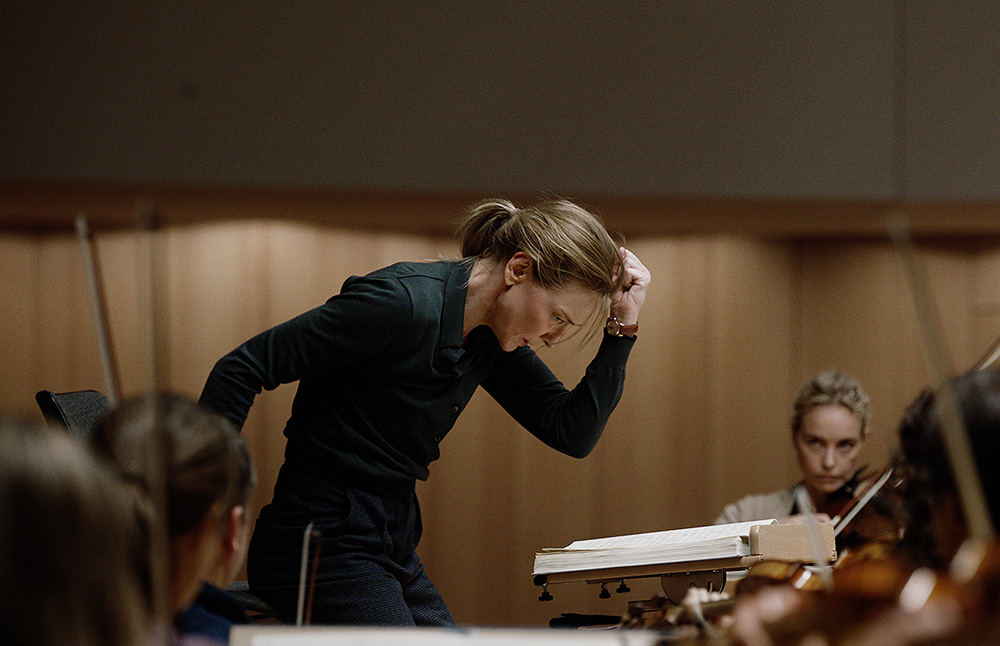
“If you want to dance the mask, you must service the composer.” Todd Fieldsâ first feature in sixteen years, “TÃR” is not only an extremely sharp character study but a masterpiece. It is a work of great talents and heights that enrapture the viewer in a maelstrom of cinematic catharsis; it’s a portrait of an artistâs amour propre (self-destruction through idolism, orchestrating your own cessation), and a towering performance by Cate Blanchett. It has been sixteen years since Field directed a film. His irregular releases for his movies remind me of Terrence Malick. We donât see them often and in uneven time frames. However, once they arrive, it is always something specialâeven if it ends up disappointing the viewer. Fieldsâ last movie was “Little Children,” way back in 2006. And Iâm not much of a fan. Although I have warmed up a bit to the film, Iâm still not sold. Sometimes, the events transpiring in it tend to be quite ridiculous. However, I do love his directorial debut, “In the Bedroom” (2000). It is melancholic and beautiful (although there are moments of hopelessness), with depiction of grief, regrets, and vindication. Nevertheless, Fields’ directorial hand has posture, elegance, and resilience.
Now, he arrives with his long-anticipated third feature, “TÃR” (titled after its main character, Lydia Tár), the film I deem a masterpiece. There are many ways to investigate the film, with its lengthy, almost three-hour canvas. It contains many layers with a somewhat simplistic plot but complex and intricate expansion into its themes. With just a few seconds in, you already know one of the critical concepts Fields wants to tackle. And it juxtaposes with the touches of sharpened knife pretentiousness and slivers of the cognitive riches that “TÃR” contains. At the film’s beginning, Todd Fields presents a âkitschy virtuousâ conversation between the titled conductor and Adam Gopnik, as they talk about the classical music scene of the past and how todayâs movement has evolved. Here is where Field starts to spread some of the foreshadowing elements of the importance of affinities and relationships. He showcases the specificity of the filmâs intoxicating and provocative province.
A Character Study that Critiques Tradition and Modernity
This scene is almost fifteen minutes long, where the audience is just sitting and listening to an interview about Tár. âMe, me, me, me.â That is how we see itâthe world, according to Lydia Tár. Then there are the opening credits, which start backward. The first names you see are members of the crew that typically appear at the end of a movieâs recognitions. The last ones to appear are the âbest in show,” both literally and figuratively. It is a strange way to begin the film. Still, you realize that this is a tale about ego and the fixation with control, power, and governance. It is the skill of hammering down the people one thinks are beneath and how self-importance can grow to enormous heights to the point of manipulation. The interview and these credits baffle the audience (yet in sheer amazement) by the amount of arrogance coming from the mouth of this maestro. Her posture is firm, and her nature is mannered, but more so evidently, she is in total control.
Even if she isnât conducting an orchestra, sheâs conducting the people around her (and the audience). However, thereâs more to it as “TÃR” unveils itself to the audience with all its cinematic magnetism, sovereignty, and extravagance. Most of it may center around the main characterâs amour propre or common vanity and the subterfuge that arises from that same self-conceit. Yet, the film also talks about cancel culture, the fight for survival, idolism, the primal nature of notorietyâs corruption, self-destruction, and adoration through misconception. “TÃR” is a sharp character study that critiques tradition and modernity. It shows that Fields hasnât been lying on his back all these years. Heâs been listening, writing, and noting the aspects of everyday lifeâs structural devastationâhow the world burns and how individuals cause it. âPower, true power, requires camouflage.” Thatâs what happens here. It is all a game of masks, each requiring potency in control and self-worth.
Striving for Perfection; Cate Blanchett Delivers an Acting Masterclass
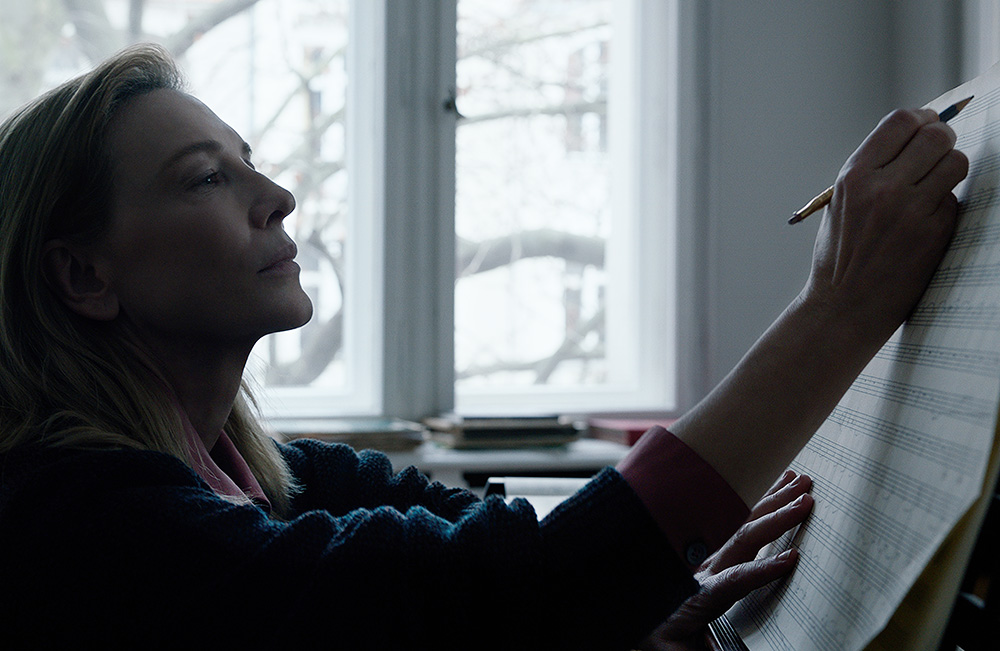
Most people donât know how to do it, but Lydia does, to a significant fault. For almost three hours, we see Lydia Tár (tremendously and astonishingly played by permanently magnetic Cate Blanchett, my favorite actress of all time) fighting to withstand her narcissistic self as she might hit the heavens of ultimate grandeur right before her kingdom collapses. It leaves the woman in the high castle to rot and brood by the ruins of self-condemnation. If sheâs going down, everything and everyone is going down with her. So, who is Lydia Tár exactly? In the world Field built with this film, sheâs one of the most renowned forces in the classical music industry. Tár has achieved something that only a few people have managed to do: being awarded all the main entertainment awards and garnering the title of EGOT. Her day-to-day life drowns in writing and composition. Lydiaâs block for her future works is killing her on the inside. However, she is still calm and deadly, like a predator slowly researching its preyâthinking when best to attack.

There are three special women in her life, although one of them isnât given much affection: her faithful assistant Francesca (Noémie Merlant), her partner, Sharon (lead violinist in her orchestra), and her young daughter. Something asphyxiating cathartic is brewing; Tárâs attention to her new cellist, Olga (Sophie Kauer), which seems less than professional, and the suicide of one of her former mentees causes a downwards spiral in her career. Neither her assistant nor the press can help her escape those troubles. It is the downfall of fame; and although her talented wings have got her this far, Tárâs behavior is tumultuous. It breaks the levity of idolization and switches to damnation. The damage she leaves behind through each of her decisions, whether romantic or exploitative, is of high stature. Tár may draw it out with her sheer arrogant focus to her determination, but something deep down is botheringâyou just know that if it crosses paths with her work, she will break.
Of an Amour Propre; Lydia Tár’s Fall From Grace
What the movie does brilliantly is its portrayal of falling from grace. Fields presents that aspect of dying by its own machination using a cinematic language of hefty forte. He concocts his craft by panic and prose, a combination that results in cataclysmic climaxes that break down a characterâs soul and psyche. He doesnât want to make a statement about manipulation or arrogance but present this type of person to us to see how we react. And one responds with intrigue to learn more about her, but we are disgusted by her arrogance and self-importance. The audience is meant to deliberate on how fame (of the highest order) corrupts a personâs soul to the point where oneâs blinded by their own arrogance. “TÃR” causes this reaction by the well-written screenplay and the grand towering performance by Cate Blanchett. This is Fieldâs first time having a sole screenwriting credit. It feels as if he was keeping his hand at ease in the rest of his works (although “In the Bedroom” is brilliant).
“TÃR” centers around commanding presences, both by the metronome and Blanchettâs arrangement. This is the performance of a generation (the best of her career); it is more than her “Raging Bull.” Her performance is based on swindling between personas from left to right and immediately switching between them in seconds, her personal and public ones. However, there are occasions when the two intertwine to show the real person behind the masks of obsession. In one specific moment, you see Linda (her real name)âthe woman’s actual life on a scorched earth. Just like Marilyn Monroe and Norma Jean in “Blonde,” thereâs a duality of personas, one of which is the armor (the huntress) and the other a body thatâs being eaten alive (the matriarch). Lydia is the performer; Linda is the mother. These shifts shock the audience because it seems as if sheâs vulnerable. The person we have seen for two-and-a-half hours has a weakness.
A Film to Which Words Cannot Do Justice…
Her conducting commandments are lost for a quick second, just to be picked back up again by Blanchett. Lydia controls time, and it doesnât continue if she isnât in control. I havenât seen a performance in such a long period that had control over the audience. Thereâs a scene where Tár recites lines from Edgar Allen Poeâs poem, âThe Bells,” with her daughter that brings back the themes and elements of controlling something uncontrollable, time. That poem examines the sounds of the bell as the milestones of human experience. It examines the vibrancy of childhood, the learning curves of youth, searching for oneself during maturity, and eventual death. The chimes are meant to be equally beautiful and terrifying as it marks a new chapter in oneâs life. Although those precise chimes are present in the movie, Tár is haunted by different sounds that keep her up at night, interrupt her practices, and essentially plague her existence, particularly the metronome, which serves as a ticking time bomb.
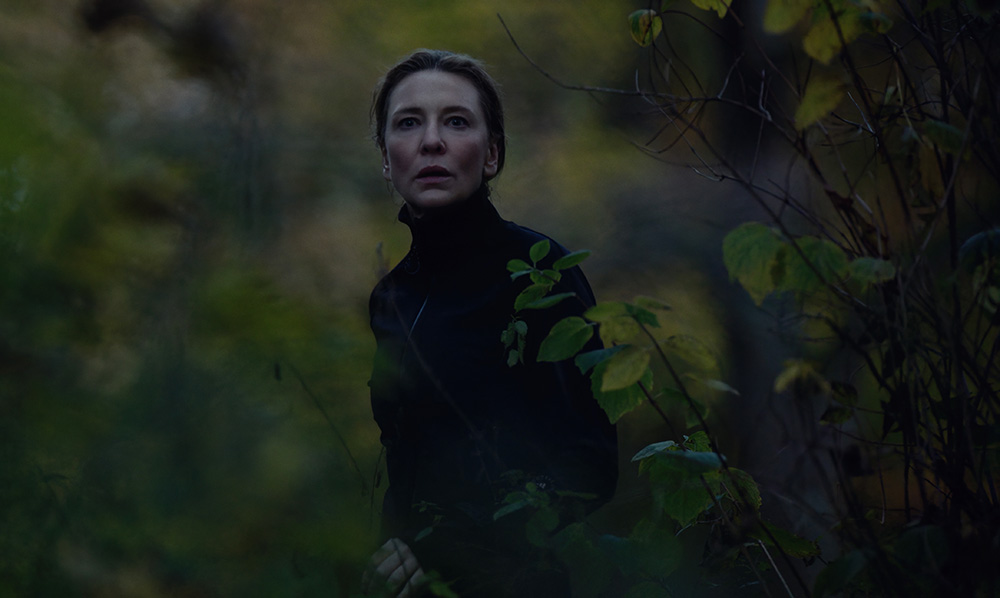
It is, in all its essences, a masterclass in acting. Blanchett is one of the best to do it. Everything is just top-notchâprecision in her lines, whether they showcase Lydia’s positive and negative attributes, the tenure in her high perch mannerisms and gestures, and the stature of her poise. Of course, the supporting players are excellent, particularly the fascinating Nina Hoss (who I love in Christian Petzoldâs “Phoenix”). Still, since Blanchett is the filmâs impressive conductor, you just canât get your eye off her. The element of domination and manipulation elevates her work. Talking about what makes “TÃR” a masterpiece is quite challenging to do. It is hard to do it justice with just a few thousand words. Just to capture every feeling you had while watching, as well as everything that went through your mind that made you decide that it is a masterpiece, is mind-shattering. Thereâs just much more to analyze and contemplate, and it is pretty tricky to capture it in writing. Whatever one may write just ends up piling up, yet never amounting to the filmâs woeful worship.
‘TÃR’ is a Maelstrom of a Film
These are the types of pictures that one just sits in awe of when watching. As the curated images Fields presents to us causes our bodies and minds to wallow across the theater seats, “TÃR” builds its backbone from the ground up, slowly piecing everything together and forming something more than just a great piece of work. Again, this review will not do it justice as I try to piece together everything I saw just a few hours ago. However, I felt the same uneasy yet riveting sensation when I first watched David Lynchâs “Mulholland Drive”âsomething crawling deep inside you that makes you just watch in pure awe. “TÃR” is a vortex that eats everything alive when Blanchettâs hand isnât up to conduct. It is simply a maelstrom of a film, a magnum opus, a masterpiece. Fields took sixteen years to listen and reflect on the worldâs own self-destruction of ego, image, and identity, later presenting us with something of this stature. “TÃR” is easily deserving of the grand title.
“TÃR” is part of our continuing coverage of the 2022 New York Film Festival (NYFF).
Support the Site:Â Consider becoming a sponsor to unlock exclusive, member-only content and help support The Movie Buff!


