





Jerzy Skolimowskiâs “EO” might have been crafted with love and endearment of Robert Bressonâs “Au Hasard Balthazar.” Still, it lacks conviction and a strong emotional punch. The filmmaking and direction are what stand out, albeit its indulgence in style over substance doesnât suffice.
When talking about donkeys in cinema, (a conversation that doesnât happen often, but this year has reached new peaks thanks to Martin McDonagh’s “The Banshees of Inisherin” and Ruben Ãstlundâs “Triangle of Sadness“), the first film that comes to mind is Robert Bressonâs grand masterwork, “Au Hasard Balthazar” (1966). It’s inevitable. Bressonâs feature is about cruelty and plight, all through the titular donkeyâs point of view and a series of vignettes that capture his life as he passes from owner to owner. To be honest, if one made a list of the most heartbreaking films ever made, “Au Hasard Balthazar” should be in the top twenty; at best, in the top ten. Apart from his 1966 picture, Bressonâs work has inspired many filmmakers, from Paul Schrader to Jacques Rivette. This uniqueness and tactility in his filmmaking are rarely seen nowadays, no matter what genre heâs dwelling in (thriller, drama, crime).
Jerzy Skolimowski Draws Clear Inspiration from ‘Au Hazard Balthazar’
Another celebrated veteran director Bresson recently inspired is Jerzy Skolimowski (“Deep End,” “The Shout”). Heâs been making films since the 1960s, but not so many people speak of him for some reason. I feel that he doesn’t get the credit he deserves. It seems that he is just a filmmaker that you could consider âunderrated;” even if I loathe the term or classification, it is true.
The 84-year-old Polish dramatist is now presenting his latest feature, “EO” (which won the ‘Jury Prize’ at this yearâs Cannes Film Festival). It is a film that draws its inspiration completely from “Au Hasard Balthazar,” from beginning to end (for better or worse), and somewhat is his weakest effort to date. The movie isnât a remake per se, but it does have many resemblances thematically and narrative-wise. Like the aforementioned film, “EO” revolves around the ever-changing fortunes (and whereabouts) as heâs separated from his loving owner and ventures onto an unforgiving world filled with people whose souls are drenched in either care or loathing.
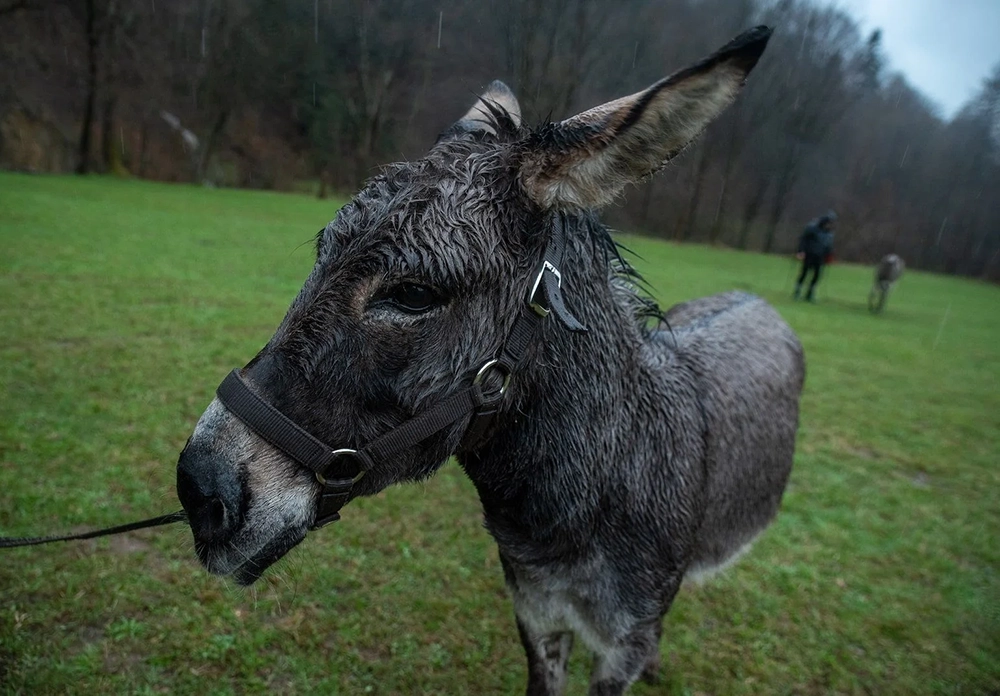
From being a beloved circus animal to a mistreated donkey, “EOâs” journey is supposed to be touching, beautiful, and heartbreaking in equal measureâa sentimental project that revolves around pessimism and the maliciousness of humans towards animals. As the donkey passes from owner to owner, all of whom have different uses and views towards âtaking careâ of him, Skolimowski want the viewer to reflect on the various animals that have crossed your path through the years, whether it be pets or strays. EOâs journey begins when a group of animal activists set him free of his carnival work, sending Kassandra (Sandra Drzymalska), his owner who loved him dearly, into utter tears.
‘EO;’ a Lack of Conviction or Persuasion
The brilliance of this first chapter of his travels is that although Kassandra loves him dearly, her tenderness isnât boundless; thereâs a sensation that the people next to her aren’t that keen on him. The rest revolves around EO searching for Kassandra, unable to stay in one place because of his fondness for her.
The problem is that, while watching (and thinking about it afterward), the story didn’t affect me, unlike Bressonâs film, which tore my heart into pieces. Even if there is a great amount of dread and pessimismâand the harsh reality of animal crueltyâI felt there was a lack of conviction or persuasion. There is a focus on style more than substance for most of its run-time, and occasionally revolving around the same beats for its eighty-six-minute length.
Also Read:Â NYFF 2022 Review: âBones and Allâ Intertwines Tenderness with the Horrifying
Of course, some directorial decisions drenched in style cause great emotional reactions in the viewer (and are also beautiful to look at), like the infrared lighting intertwined with Pawel Mykeitynâs otherworldly score furthers the sense of dread and dismay with its psychedelic yet pulsating eeriness. Yet, “EO” never reaches a level of emotional catharsis that makes the audience feel the pains the titular donkey is going through during his melancholic journey of finding the only person who has treasured him dearly.
A Practitioner of Style over Substance

When you compare it to Andrea Arnoldâs “Cow” (which was even sadder and more brutal), Skolimowskiâs film doesnât capture the central animalâs harsh and unflinching nature. Arnold wanted to plant a seed in the audienceâs mind about changing their diet through sequences of the cowâs daily life; it doesnât indulge in magical realism of some sort or other mechanisms of bringing fantasy elements onto a grounded story. Meanwhile, Skolimowski indulges too much in its visual aesthetics instead of planting seeds of how we treat animals.
There are also some weird encounters with an array of characters, some of which feel from another planet, and scenes that feel quite pointless. I don’t feel they add to the filmâs themes of human vanity and avarice through the eyes of a lonesome donkey. Ultimately, his travels arenât impactful; itâs the filmmaking that elevates it all, even if it lacks the heft of its on-paper thematics and indulgence in style. The love for “Au Hasard Balthazar” has paved the way for Skolimowski to craft “EO,” but that same adoration makes it falter. It isnât completely dissatisfying, but the movie is quite disappointing as it lacks the required emotional gut punch that its inspiration contains in boatloads.

âEOâ is part of our continuing coverage of the 2022 New York Film Festival (NYFF).
Support the Site:Â Consider becoming a sponsor to unlock exclusive, member-only content and help support The Movie Buff!


