





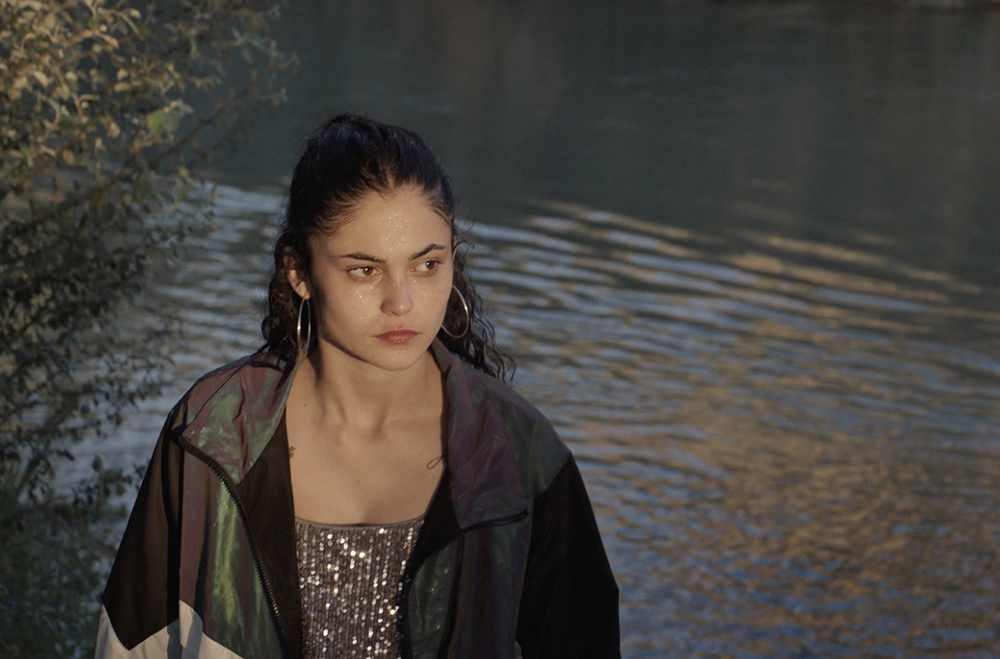
Water really is everywhere in Elena López Rieraâs “El agua.” And, just as in the Samuel Taylor Coleridge poem, waterâs permeance is not a cause to celebrate. The film, which premiered at TIFF on September 8th, is a slippery thing, a genre mash-up that disorients one minute and enchants the next. The blend doesnât always cohere, but Rieraâs inventive style and evocative location filming make it a story to remember, one that deftly conveys the ways in which women in a small Spanish village are cast aside.Â
Ana (Luna Pamiés) is the young woman the film is most concerned with, and what sheâs most concerned with is leaving the village. Thatâs a goal she shares with her group of friends, and they open the film telling each other how they plan to escape. When the friends disband, Ana goes to find a place to pee, and finds that José (Alberto Olmo), whoâs relatively new to town, followed her. This inauspicious beginning to the courtship notwithstanding, José wins her over, and the two fall in love. His co-workers warn against associating with that âgirl from the bar,â and even Joséâs father (whoâs also his boss) has disparaging words about Ana and her family.Â
A Film Filled with Candid and Frank Conversations
The âgirl from the barâ is part of a family that runs a bar. Thereâs Ana, her mother (Bárbara Lennie) and grandmother (Nieve De Medina) â three generations of women whoâve made a living in the village. And life isnât so bad, especially according to Anaâs grandmother. In one disarming sequence, Ana bathes her grandmother while hearing stories about her grandparentsâ own love affair. Itâs a frank and candid dialogue, giving an older woman the power to talk about her sex life without the rebuke of her granddaughter. In another movie, Anaâs character might giggle uncomfortably or joke away the conversation; here, itâs accepted as fact that all of these women deserve to have their own stories told.Â
Riera employs a pseudo-documentary approach to explain the hard-luck nature of women in Anaâs village. Turns out, itâs not bad luck: itâs nature, specifically, el agua, which local legend suggests has for years caused flooding and led to the mysterious disappearance of several women. A number of women appear on-screen to tell stories about those who are lost, and these people are not acting; theyâre more like talking heads in a docuseries, warning viewers about this tragic curse. For the characters in the fiction portion of the film, itâs too late: the flooding and resulting disappearance seem inevitable. To them, escape isnât a means to escape this drowning, itâs a way to pursue their own independence. So when the flooding finally comes, Ana appears to be literally taken, and figuratively transported, ultimately emerging from the water with a determined gaze: not of triumph, but of survival.Â
Riera’s Film is a Well-Made, Polished Effort

Rieraâs film is best when itâs a hang-out film, and weâre able to learn so much about these people â young and old â and the stories that matter to them. Just as with those el agua first-person tales, itâs not immediately obvious whatâs fact and whatâs fiction. José claims to have spent time living in London, but is that the whole truth? Is it a partial truth? That Ana fell for José isnât just a matter of having full faith in him; itâs because she believes in herself and how she can deal with the consequences of the risks she takes. Her mother may warn her about men, but Anaâs stubbornness allows her to chase her own goal of living independently and defy the suppression of those forces which are supposedly more powerful than she is.Â
The ensemble cast does a commendable job, ensuring that there are no wasted scenes or characters. Although the documentary interviews look like a whole different film, itâs a brave strategy, one which doesnât harm the overall quality of the narrative. Still, the scenes in the rural village are so evocative, the humidity and sweat practically drips from the camera, and itâs hard not to wish for more of that. The finished product is a confident, polished effort, with so many more right decisions â on casting, location shooting â than wrong ones. And in resisting a conventional storytelling method, Riera aligns with Ana, as someone who prefers to set her own path than have external forces â or best practices â dictate what comes next.Â
A Film with Troubles, but One that Won’t Forget its Characters
The water in “El agua” serves as a loaded metaphor â for movement, destruction, and even rebirth â but for Ana and her family, itâs at once illusory and inescapable. Flooding will come, and some women may not survive to tell the next generation. The characters in “El agua” are all witnesses to the haunted present of the village, and their best efforts might not be good enough to escape the history that so many before them faced. Likewise, Riera (who co-wrote the script with Philippe Azoury) has made this story her own, invoking the magic of filmmaking to tell a tall tale. The floods may take these women, but Riera wonât forget them, and itâs her job to make sure that we donât, either.Â

âEl aguaâ is part of The Movie Buffâs continuous coverage of TIFF 2022. Follow us for more reviews this week.Â
Support the Site:Â Consider becoming a sponsor to unlock exclusive, member-only content and help support The Movie Buff!


