





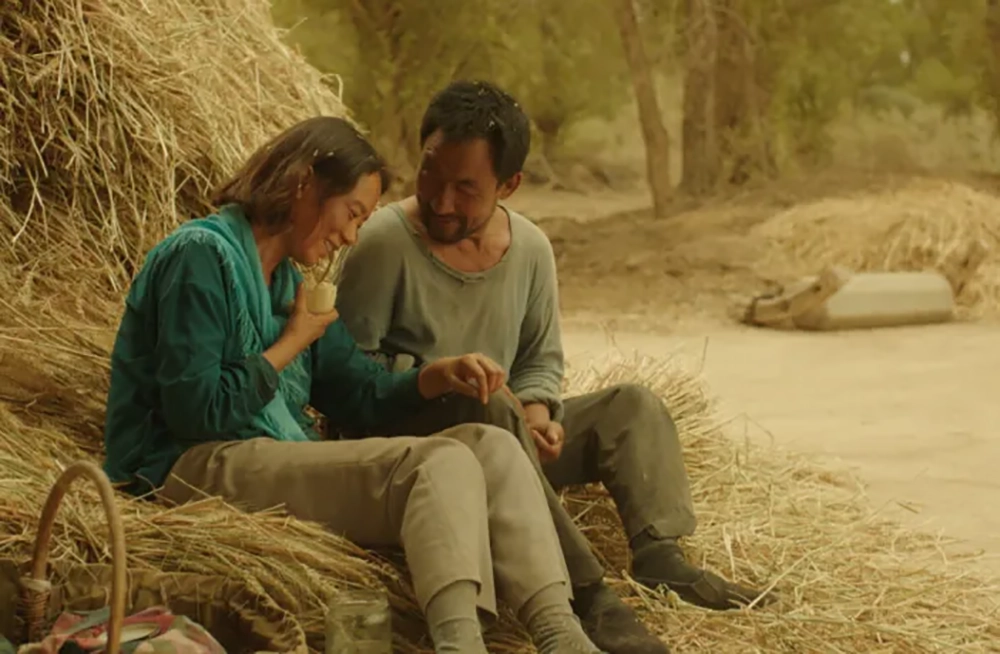
Midway through Li Ruijunâs âReturn to Dustâ (Chinese: éå ¥å°ç), we see a husband and wife planting crops together. The wife points a wilting shoot to her husband, who remarks that even plants that couldnât survive can still serve a purpose: as fertilizer to other plants.
âEveryone has his own destination,â the husband reflects. âEven the wheat. When summer comes, itâll be cut down anyway.â
Itâs a pragmatic worldview to the science of agriculture: seasons come, seasons go. The husband, however, adds that even people have ends and beginnings, doing away with the old and paving the way for something new.
In this Chinese drama, the coupleâs relationship grows even as the (relatively simple) world around them crumbles, no thanks to urbanization driven by the politics of greed. And with that, whether they succeed in eking a living out of whatâs left for them becomes only secondary to how they can sustain the fire that just lit up between them.
On Centuries-Old Traditions Dictating Oneâs Worldview and Way of Life
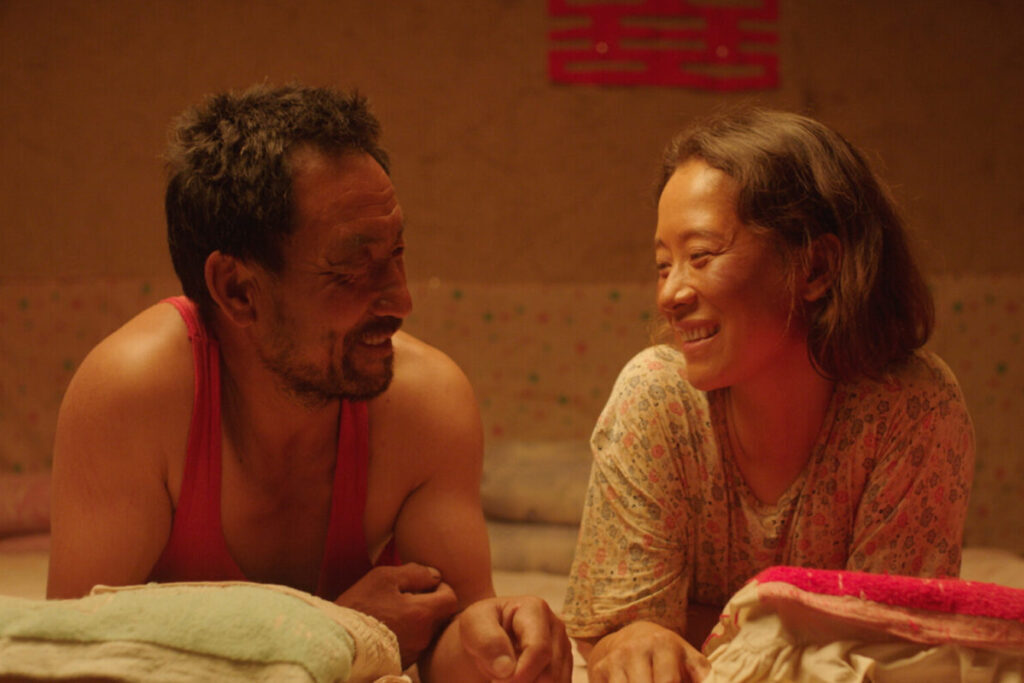
âReturn to Dustâ follows the story of Ma Youtie and Cao Guiying (Wu Renlin and Hai Qing), two people who get together as a result of arranged marriage by their families. However, the reason for the arrangement comes clear from the get-go: with their advanced age, their families see them both as difficult and hopeless. As a reticent farmer, Ma remains the only member of his family yet to unmarry. On the other hand, Cao suffers from incontinence and infertility; and whose singleness classifies her as what the Chinese derogatorily refer to as a âleftover womanâ.
For both their families, the union serves as a good riddanceâand miracle even, should it succeed. However, something slowly happens between Ma and Cao: here are two people having humiliation and ostracism for breakfast every day, now finding a kindred soul in each other. Maâs sagelike remarks to Cao, even when delivered at their most perfunctory, carry a lot of weight. âEat,â he urges Cao one sunny afternoon as they perch atop a sandy plain to rest. âIf the living donât eat, the dead donât receive.â Once, there were two people who had grown used to their solitude; so much so that their resignation meant that self-pity went out the window a long time ago. And now both have found someone genuinely striving to care for them.
All these explain why this new arrangement feels so foreign to them. Now, an entirely new world opens up to each other, and their reticence and lethargy are the only things standing in the way. Nonetheless, from the initial wordless interactions and awkward gestures of affection, the two graduate to becoming close companions. And as noted at the onset, they become partners, dead-set in trying to rise above the challenges that await their now-two-way street.
âReturn to Dustâ: Li Ruijunâs Ode to His Beloved Native Region
Returning to his birthplace of Gaotai, director Li Ruijun aimed to portray how the traditional way of life is dying at a fast pace, as though keeping abreast with the countryâs equally rapid decimation of its rural communities.Â
But while he makes use of pressing topics such as forced urbanization and exploitation of farm workers living in poverty to get his point across; âReturn to Dustâ doesnât bother going deep and examining the politics involved therein. Instead, all these serve as merely backdrop to the charactersâ exploration of their worldview as one.Â
And for what itâs worth, it works. Liâs decision to zero in on Ma and Caoâwhile using extensive wide shotsâgives off a feel that this couple, despite their relatively advanced age, deserves the audienceâs attention as they forge a new life together. The result is a story infused by genuine love, underscored by tenderness and profound humanity.
Liâs storytelling also gets a boost from the photography. When done right, cinematography can either juxtapose the inner conflicts with lush, serene backdrops; or mirror oneâs inner turmoil with the choice of hues to paint a larger canvas. In this case, Wang Weihuaâs camerawork complements the two charactersâ plight; mirroring it with the snowy climate when we first see them set up for marriage, before switching to warmer hues as they both start to fall for each other.Â
Nuanced, Tender Performances Outline the Essence of Human Connection
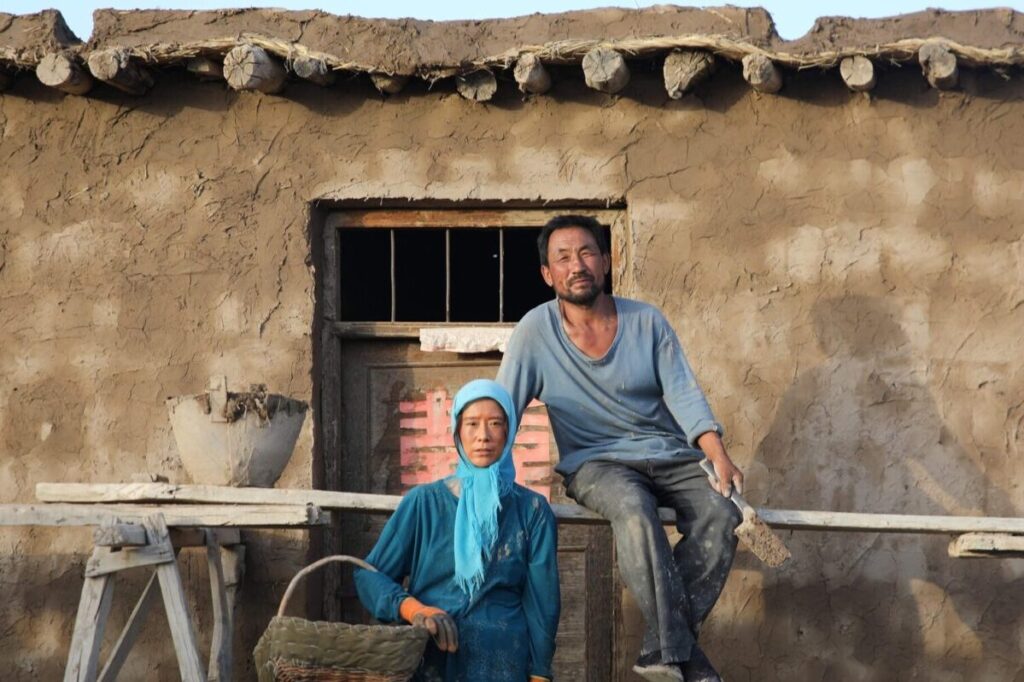
Finally, we can only care so much for a story and its characters if the caliber of the performances matches that of the screenplay. Wu Renlin and Hai Qing’s portrayals of Ma and Cao, respectively, are an exercise in nuance. Sure, their burgeoning relationship might blossom at a slow pace, and sometimes to a fault. But how they portray the characters onscreen exudes charm and sincerity; and it makes the audiences work double hard to see a payoff thatâs as satisfying as it is worthwhile.
âReturn to Dustâ is a profoundly sensitive and tender examination of human connection amid a worldview shaped by urbanization, cultural tradition, and societal expectations. And propelled by Wu Renlin and Hai Qing’s nuanced performances, the film highlights the inevitability of new beginnings, whether in oneâs current life or the next.


Support the Site:Â Consider becoming a sponsor to unlock exclusive, member-only content and help support The Movie Buff!


