





I love science fiction. It is a true escape from reality for me. This may sound pretentious, but good science fiction can strip away the complexities of humanity to its purest forms. Itâs sheer imagination, sometimes greatly exaggerated and fantasized, sometimes rooted in realism and legitimate scientific thought. In general, the genre is absorbing. Â
Thatâs why I love â2001: A Space Odysseyâ as a science fiction classic.Â
I actually didnât watch the film at first. I read the book. It showed up on my senior year summer reading list, the only sci-fi text to make it. As such, I burned through the pages. Finding myself confused by Clarkeâs highlyscientific, descriptive writing, I wanted to experience the plot visually. So, the next day, I watched the movie. Â
It was beautiful. Kubrickâs precise attention to detail and notorious perfectionism is on full display. To think that this was released before the moon landing is insane. It set the bar that even Ridley Scott said that every sci-fi movie following it was obsolete. Technically, the film is a marvel, by todayâs standards and 1968âs standards.Â

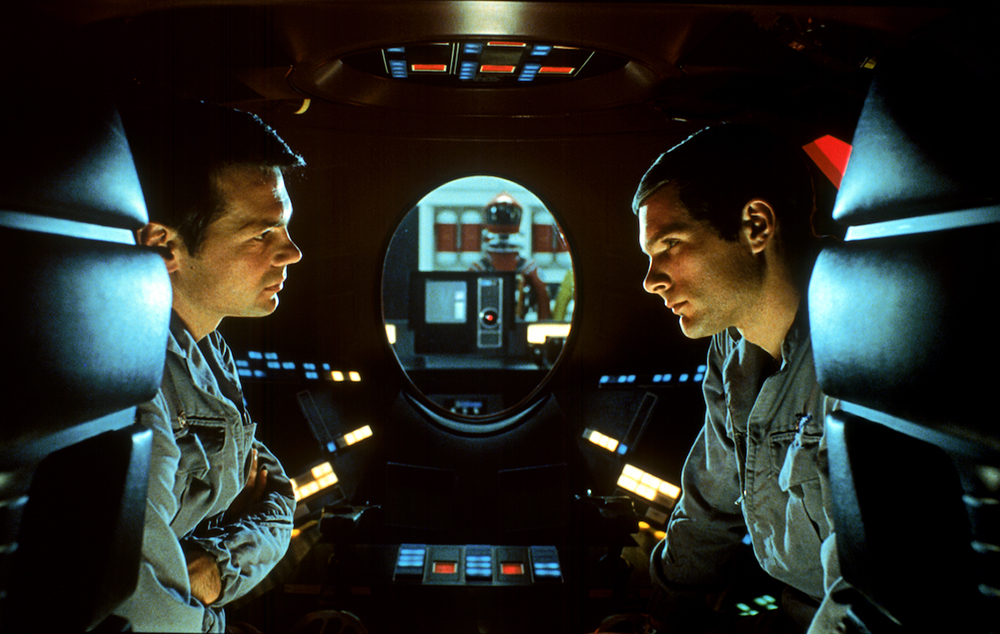
Many of my friends who are into film criticism stopped there. And, I understand why. Yes, the film is a technical breakthrough, but it has little dialogue. It’s hard to sympathize with many of the characters. Ray Bradbury himself said that audiences would most likely not care for Pooleâs death. Its ending and beginning lack coherence with the main narrative.Â
Clarke’s Book Working in Tandem with Kubrick’s Vision
This is why I recommend to everyone I discuss this film with to read the book. Normally, I would scoff at the fact that one would need to read an entire 200+ page novel to understand a movie. But, itâs worth it for this movie.Â
The book provides context, detail, wording, and imagery. Iâd like to say that it guides the reader in how to think when analyzing and interpreting the actual movie. Â
Philosophically and allegorically, the film is about humanity in all its facets. The exploration of a godlike creator, scientific innovation, paranoia, emotion, social division, and evolution are central. This ties back to my point about how sci-fi strips complexities to its purest forms.Â

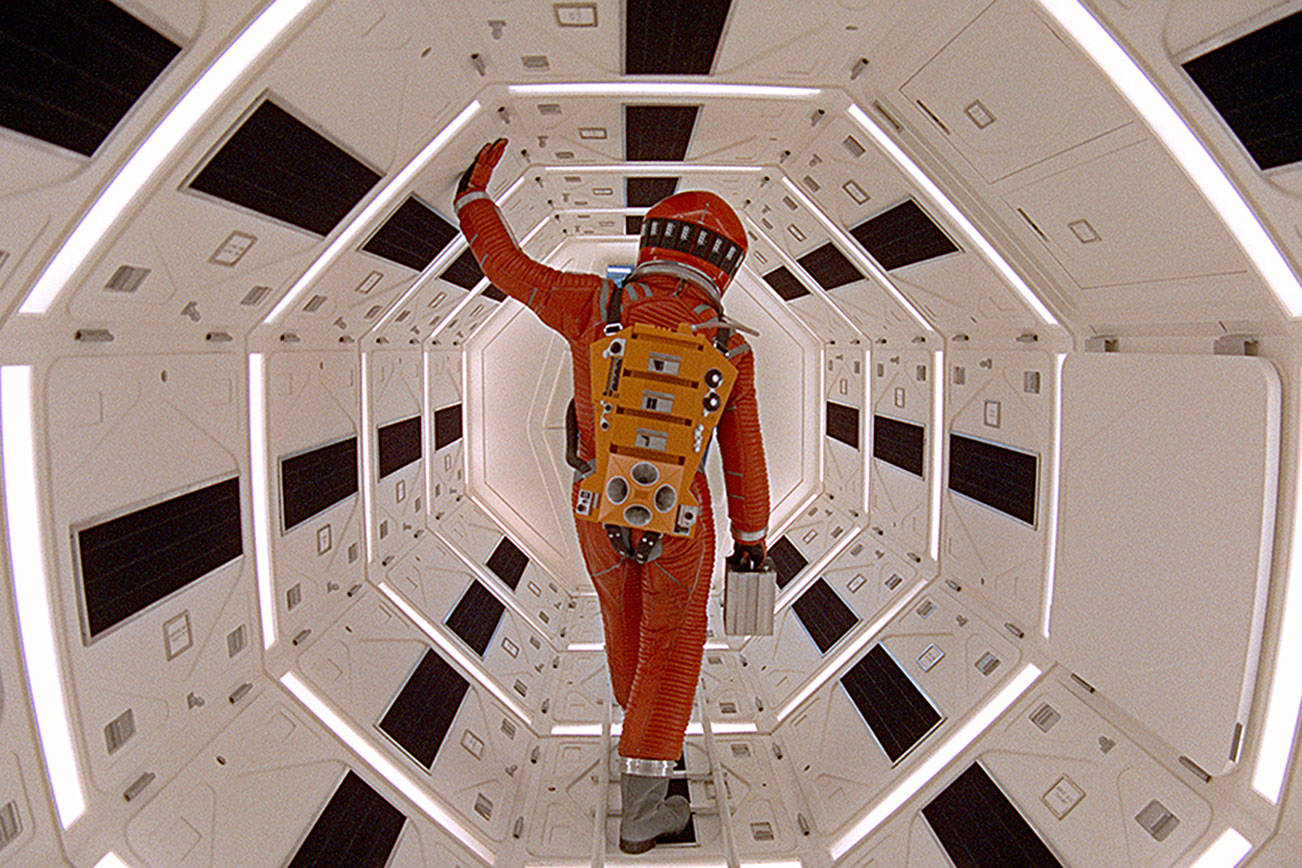
Nietzscheâs philosophy is very much in line with the film. Humanity is in its intermediate stages. Its fullest potential is far from being unlocked. Clarke explores that more explicitly in the book. He describes the main character David Bowmanâs journey through the monolith as a rebirth of sorts, transforming him into the godlike Star-Child. Itâs in line with the aliens that created the symbolic monolith itself. They became pure energy, godlike in a sense, after millions of years of technological evolution. The Star-Child is the first human to achieve its full potential.Â
HAL as a symbolic Representation of the Human Mind
Kubrick and Clarke also touch on artificial intelligence and technology. While the humans of the film exceed their humanity, the supercomputer HAL 9000 becomes increasingly human. Kubrick and Clarke use HAL as a symbolic representation of the human mind becoming increasingly biomechanical.Â
Humanityâs increased reliance on technology has provided society with wonders, but, at the same time, new ethical questions about the emotional interplay between humans and machines. The humans in the film discuss what to do with HAL, which emulates many of todayâs conversations about self-autonomous driving for instance. The fact that Kubrick predicted these discussions fifty years ago is a testament to the legacy and impact of this film.Â
HALâs paranoid breakdown is distinctly human. Roger Eggers described him as âthe most human characterâ in the film despite his âperfectâ computing abilities. The genius of Clarke and Kubrick is that they make you sympathetic to HAL comparable to Frankestein or The Hunchback of Notre Dame. HAL made a mistake, like all humans have done once. Yet, that mistake cost him his âlife.â His final pleas (*spoilers*) before Bowman disconnects him are saddening and remorseful, connecting the viewerâs humanity to the most artificial character in the entire movie.Â

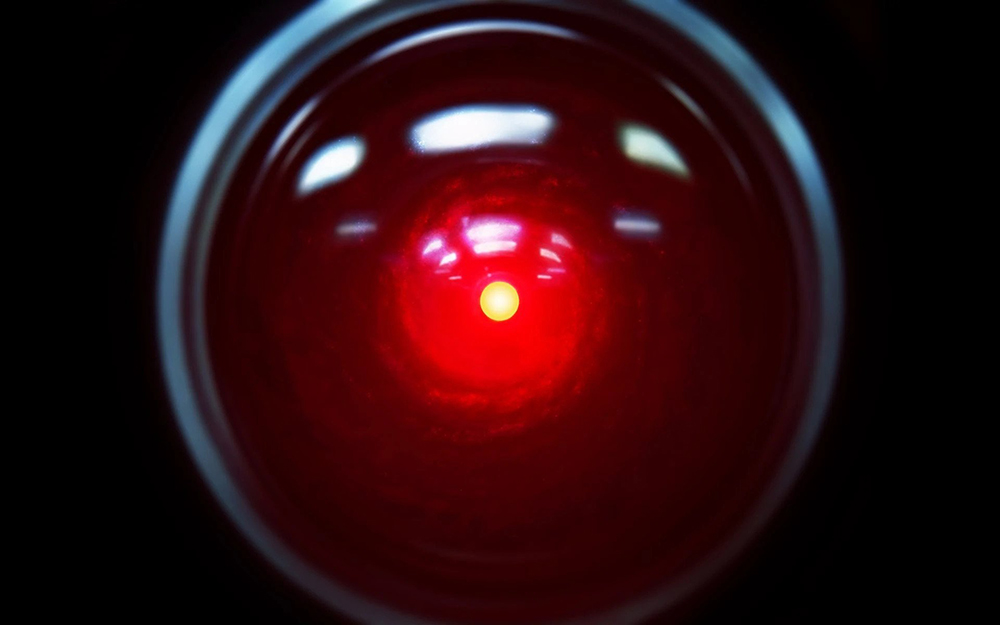
These allegorical symbols and interpretations “A Space Odyssey” are part of why I love this film. Thereâs a new angle or meaning every time I watch it. It makes you think, though not without getting confused.Â
Was Kubrick Being Pessimistic or Optimistic?
People constantly debate whether Kubrick is being pessimistic or optimistic about humanityâs future. Personally, I think heâs being a bit of both. Kubrick acknowledges the limitations of technology through HAL, that humanity is still far from its fullest potential, that any mistake could disrupt its equilibrium, causing the entire system to fall like HAL. Yet, he also posits what humanity at its fullest potential would look like through the Star-Child.Â
I think that Kubrick wanted to make a film that was simply human. Although that may sound unclear and cliché, the divisiveness over the filmâs meaning is evident of that goal. We humans argue, and we also wonder about the future.Â
No film has made me think about the future as much as â2001: A Space Odyssey.â Iâm a forward thinker in general, and the film connected with me because of that. I want to reiterate that this is MY favorite movie. Itâs not the best movie ever made, nor am I claiming it to be. However, its impact on my thinking about technology and space travel is profound.Â


1 Comment
Pingback: 18 Movies Everyone Claims To Have Seen But Probably Never Did - On Your Journey