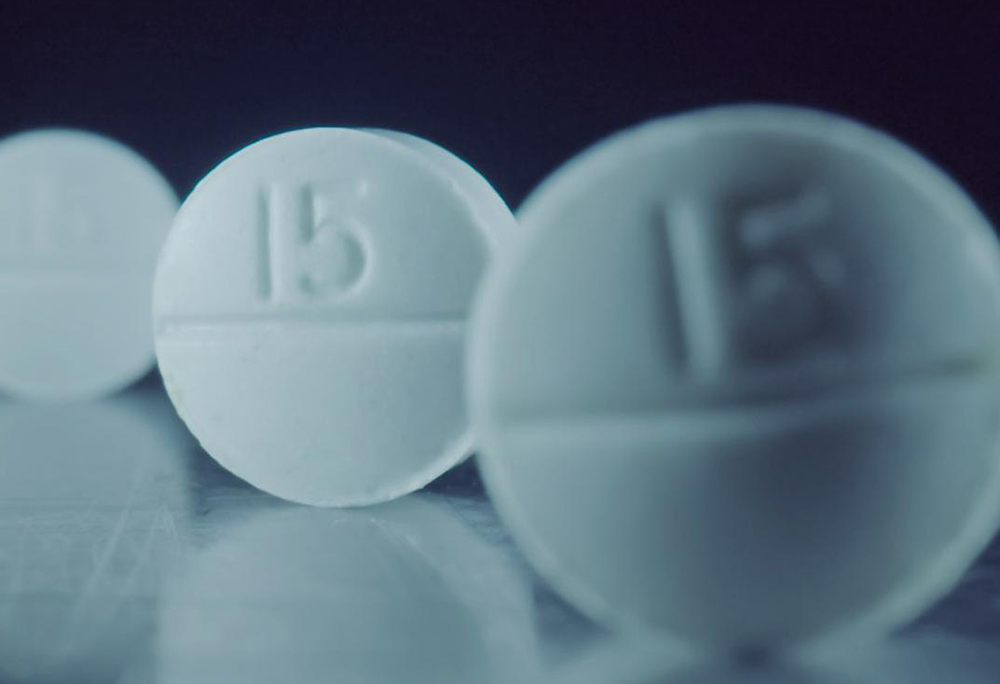
From the beginning of the 2021 documentary âThe Oxy Kingpinsââpremiering this week at SXSWâit immediately grabs your interest. The filmâs first interviewee, Alex, a former drug dealer, nonchalantly describes OxyContin as virtually identical to heroin. If that sounds like a hard pill to swallow, keep in mind this drug was marketed by several manufacturers as âaddiction free;â yet Alex, and similar dealers like him were able to get tens of thousands of dollars per month for selling it. However, if youâre expecting a documentary to focus on people like Alex as the top of the food chain, youâre watching the wrong one. âThe Oxy Kingpinsâ show, fully, how major drug manufactures like Purdue Pharmaceuticals and McKesson not only knew about this epidemic, but caused it, swept it under the rug, and have hitherto skirted responsibility while countless others have gone to jail.Â
Part of what works about this documentary is that it focuses its lens on many different types of people. Addicts, ex-drug dealers (all of whom went to jail save one), lawyers, and criminal investigators. It makes its case plainly (which is highly researchableâ¦simply look up the proposed âpunishmentsâ Purdueâs Sackler family have garnered so far), showing how documents between pharmaceutical manufactures, pharmacies, and distributors hid inimical facts from the public under the guise of âcompetition.â But what is really alarming is the rationalizations these companies have used to avoid culpability completely; they look, and sound, like people without empathy who are simply defending a business modelâeven when that model has killed 700,000 people since 1999 while netting them billions.Â
Part of that business model, it seems, is entrenched class warfare, keeping the real reason for the opioid epidemic hidden from the public while simultaneously convincing people that their drugs arenât bad, addicts just have a disease and are the real ones to blame. But if that were trueâthat their drugs arenât addictive (truthfully they are addictive within 2 weeks)âthen why their corporate strategies to sell anti-addiction drugs to these same patients? This is where âThe Oxy Kingpinsâ shines, shedding a light on the inconsistencies that donât add up until you have no choice but to be horrified by them.Â
One of the strong suits of the documentary is its interviewees all share a passion to stop this epidemic for various reasons. Thereâs Mike Papantonio, a lawyer who is pursuing class action suits (or RICO/Racketeer Influenced and Corrupt Organizations Act cases), who takes a personal stake in bringing these people to justice. And then there is a criminal investigator (known simply as Carol here), who was able to track dozens of instances of pharmacies asking for permission to be delivered above the allowed amount of opiates due to nonsensical reasons such as âitâs Thanksgiving weekend,â when in reality sealed documents show that both distributors and pharmacies knew selling these drugs was a goldmine, no matter who they hurt.Â
But what also works are the truly heartfelt and sad admissions of the criminal life many of the lower players in this film have experienced. Alex went to jail for 8 years; another for 2. Alex recounts he knew what he was doing was wrong (he now works with Papantonio to help right those wrongs for others), and admits, wholeheartedly that he deserved what happened to him while asking the question: but why doesnât it happen to those who created it? âDoug,â a drug dealer who quit before he was arrested, offers one of the most heartbreaking pieces in the film as he recounts that thousands of people got away with murderâ¦including himselfâ¦and it bothers him to think of himself like that, but he has no choice to. That stayed with me; how does an admission that stark pain him soâcompared to those who run McKesson, who admit no fault whatsoever?Â
To be successful, documentaries must have a point, or a purpose. Itâs clear watching âThe Oxy Kingpinsâ that purpose is first and foremost awareness, but also outrage. The filmmakers accomplish this deftly by showing, through facts, interviews, and admissions the devastation these drugs have caused. Itâs a call to action to understand, and it handles that job very well.Â
The rest of the productionâfrom the cinematography to the score to the editing is crisp and tight. One thing Directors Brendan Fitzgerald and Nick August-Perna do is to humanize Papantonio. We see him in his day-to-day routine, sometimes tough, sometimes, kind; but we really understand why he is doing this. Alex is brushed with the same treatment. These are people who care, and in watching them work, it makes us care. It also makes you question how many of these things we take for granted. You may not initially understand the seriousness of this thing; but when an ex-user states that MDs are prescribing more than enough Oxy to kill 10 terminal cancer patients for a guy that has a twisted ankle, it makes you ask why? Thereâs of course many whys: threats of being labeled a bad doctor by governing bodies, peer pressure, patient pressure, threatening of pulled funding, etc. But the point of âThe Oxy Kingpinsâ is that these people are just cogs in a wheel; the real perpetrators, the âtop of the food chainâ the DEA so willfully ignores, are the white collar criminals they consider to be upstanding members of society.Â
âThe Oxy Kingpinsâ is a hard documentary. Itâs impossible to not watch this film and be affected. It covers a range of topics from greed to addiction to preying on people in poverty, and itâs only real criticism is it doesnât offer many answers. But, at the end of the day, itâs not its job to; itâs all of our jobs, as a society, to determine how we want that society to be. Certainly one of the most insightful documentaries Iâve seen in a while, âThe Oxy Kingpinsâ deserves to be seen by all.Â
*âThe Oxy Kingpinsâ premiered at SXSW on March 16th and will be available for viewing by press and ticket holders until March 21 at 1 AM CST.