





Whatâs nice about the SXSW Film Festival is its devotion to shorts. With categories such as documentary, narrative, and animated, itâs really encouraging to see the work of these filmmakers being exposed and celebrated along with their feature film big brothers and sisters. Iâve always felt that shorts can offers some for he most real forms of cinema; succinct but powerful, they can touch on all the elements of longer films, but must do so in a constrained run-time. No easy task, Iâm sure.Â
The âDocumentary Shortâ programâs first day heralded several fantastic films. I reviewed two of them, âPlant Heistâ (about massive succulent theft along the California coastline) and âThe Box,â a powerful account of the psychological damage that spending time in solitary confinement does to prisoners. Both showcased their material well, showing not just the immediacy of their subject matter, but the larger application to society as a whole.Â
That brings us to the âNarrative Shortsâ category, focusing on fictional stories meant to resonate with viewers, all while filmmakers get the change to experiment with the art form of cinema in the search of a larger message. Below, I want of focus on two powerful films that premiered on March 16th (and both of which are available for press and ticket holders to watch until 1 AM CST on March 21st through SXSW Online.Â
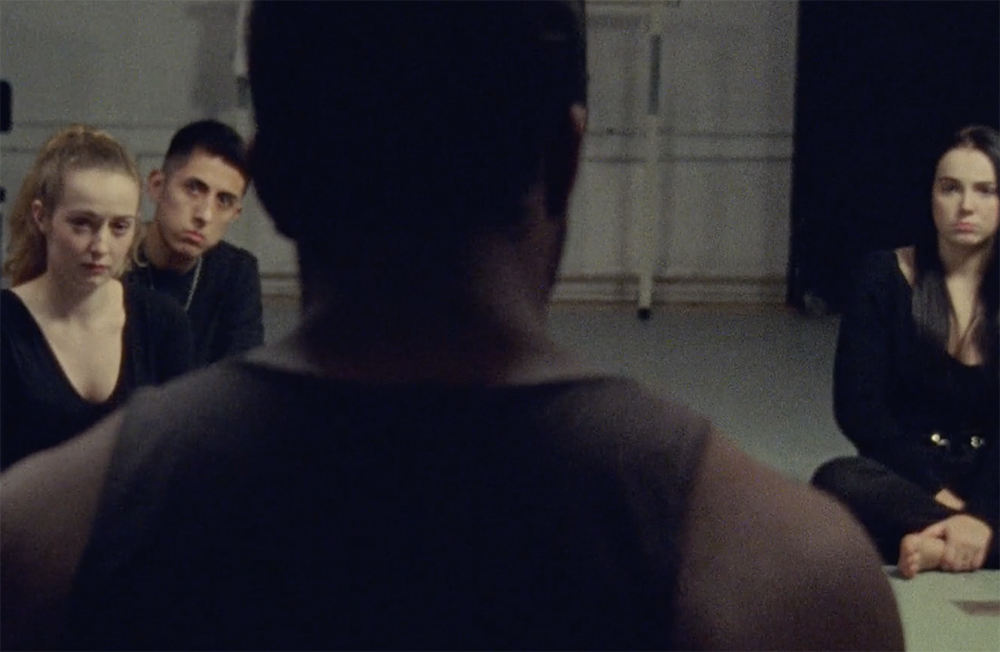
Iâll begin with âPlay it Safe,â a short that runs 12 minutes that focuses on the art form of performance theatre, but quickly shows its hand at making an artful statement about stereotypes, racism, and the decisions people of African decent often have to make regarding theatre and movie roles aimed to typecast them. This movie comes at an important time, as weâve seen this year in Regina Kingâs powerful âOne Night in Miamiâ how such themes play out as one of the main characters, Jim Brown (played sublimely by Aldis Hodge) discusses a role in a Hollywood movie heâs gotten, playing a typecast role as a Buffalo Soldier.Â
But what is stark about Mitch Kalisaâs âPlay it Safeâ is it tackles the important question many people in minority positions face: do I want to become a martyr? Why canât I just live life for the sake of living, rather than fighting a seemingly never-ending battle for equality?Â
The filmâs lead, played by Jonathan Ajayi (âWonder Woman 1984â), is wonderful, imbuing the pain that often goes along with such questions with just a look, when so much more could be said, with so much pain hiding behind gentle eyes. We see early instances of this, such as when two theatre-mates coerce him into joining them for a party, offering to get him in and get something ‘good to smoke,’ when you can tell heâs not interested and the whole event seems like a strong-arming without considering his mild protestations as reality. They decide for him; his acquiescence not fought for, but assumed. Itâs in this way that Whites often appropriate Black culture, and Kalisaâs film both knows this and handles it with grace. Itâs a film that makes you understand while simultaneously not making you afraid to.Â
The film reaches its climax when Ajayi must do a theatre exercise and imitate an animalâand of course he is selected to imitate a gorilla. Thereâs a few moments here where Ajayi offers some of the best facial acting Iâve seen in cinema: itâs so obvious, and so hurtful what is going on in behind his eyes. And as he stares blankly, debating what to do, his instructor even realizing the folly of her decision when she sees the card he pulled, itâs impossible not to understand what is going on in his mind. Itâs hurt, shock, but also something much worse: the idea that his thoughts donât matter, that no matter what he does things like this will continue to happen he is powerless to stop.Â
But thereâs another element that is just as hurtful to watch, the knowledge that no other student in the class has the ability to select an animal that will be traumatic to them. Itâs one of the best 60 seconds in cinema as he makes up his mind what to do, and the ending result lands powerfully and decisively. Kalisa takes a hard topic and handles it well, and this is one of the best shorts of the festival. âPlay it Safeâ premiered March 16th at SXSW and is available to watch on demand at the festival until March 21st at 1 AM.Â
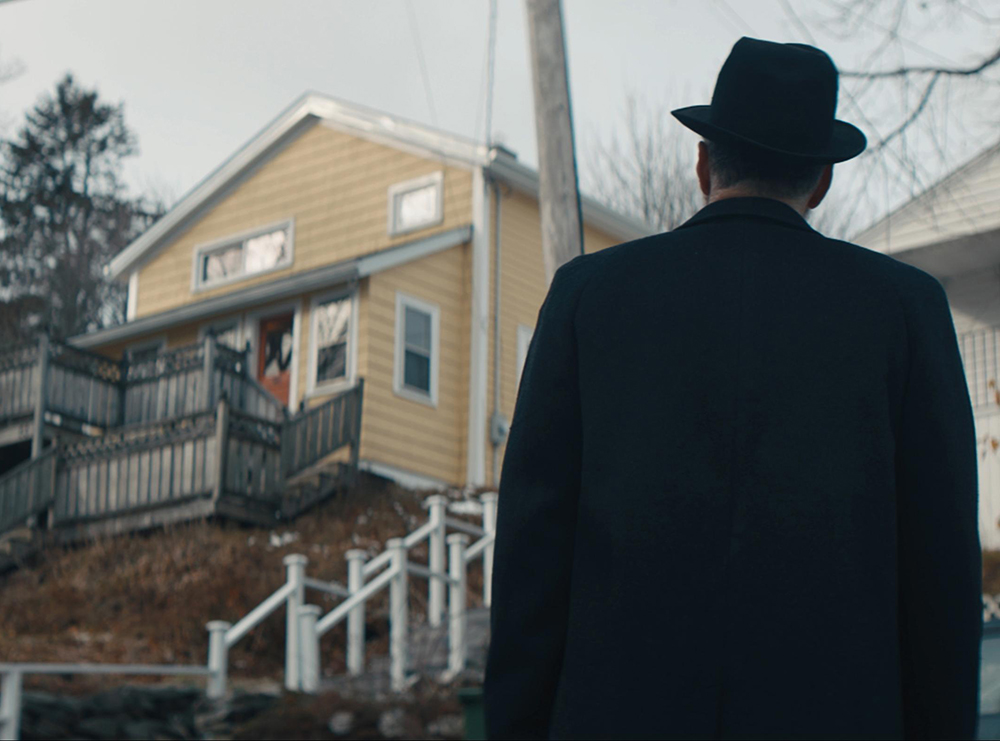
The next film, âThe Mohel,â is interesting in its presentation, and also deals with difficult material and makes it stick in a sub-16 minute run-time. The film, written and directed by Charles Wahl, tackles religion, financial hardship, and a sense of community and fitting in, centering on a Jewish couple James and Lola having their first child (Daniel Maslany, Kaelen Ohm) and preparing for the childâs circumcision in a ceremony called Brit Milah. The film is well-done, showcasing initially the joy a new child brings to the couple, and then the financial decision to have the Brit Milah in the face of economic problems. Utilizing the interested Rabbi (Sam Rosenthal) or a medical doctor pose equal problems, even though the Rabbi is cheaper. âCan we afford the MD? asks Lola. James shakes his head. âWe canât afford either.âÂ
But what âThe Mohelâ quickly becomes is a larger statement, dealing with the coupleâs need to fit in, as well as doing the right thing for their child and the Jewish community. James is respectful and accommodating, but from the second that Rabbi Fishel enters their house, thereâs a subtext of passive aggression and judgement that is palpable to watch. Lola has tattoos she didnât cover, which is judged through scrutinizing eyes and whispers; friends who will be intimately involved in the childâs life are underhandedly scolded to do a good job with a silent âor elseâ looming in the air. Frustrations line the proceedings, and the second to last scene, involving a hard conversation between James and Rabbi Fishel is hard to watch, leaving much room for interpretation. Are the things we do for our children enough? Or is everyone secretly judging us for not doing a good enough job? âThe Mohelâ has questions but not answers, which is its strong suit.Â
What works about the film is that it itself doesnât judge, but just asks. Its cinematography by Guy Godfree (âLet Him Go,â âMaudieâ) is subtle and poignant, letting the power of the proceedings wash over us. It shows both the beauty of a newborn child and all the responsibility that goes along with it, especially with one that hopes to be accepted by their faith as an ardent follower.
âThe Mohelâ is a good length, not too long or not too short, and handles its material well. It also brings an element of humor to break up the seriousness of the proceedings; the beginning and middle serious and often-frustrating in their approach, the final shot is laugh-out-loud funny, made all the more so by Maslanyâs pitch-perfect delivery. A good film you should definitely check out, âThe Mohelâ premiered March 16th at SXSW and is available to watch on demand at the festival until March 21st at 1 AM. Â


