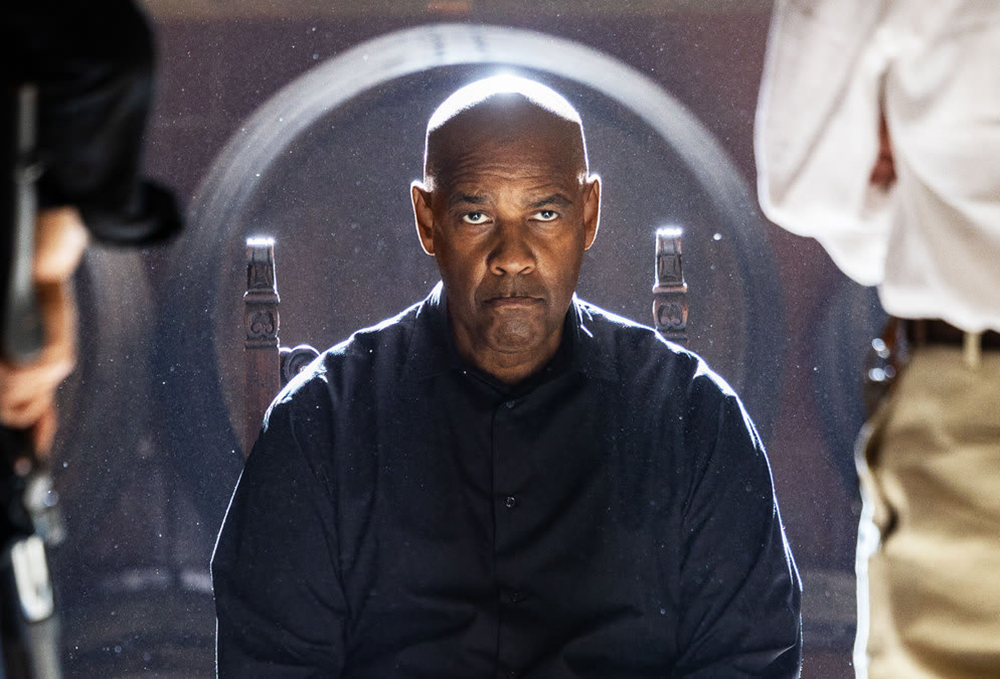
Itâs fairly safe to say that, at the turn of the 21st Century, a few movie genres have become threatened to extinction. Add to that the proliferation of franchise action and superhero films that major studios consider their cash cows, and you have the recipe for disaster.
Mob and gangster films, the same way with musicals and Westerns, are an acquired taste. For the most part in these genres, itâs a congruous dichotomy of âeither you like them or you donâtâ where gray areas donât exist. But while the golden age of mob films has passed, there have been a handful of great films that stood firm to represent this dying genre. Whatâs more is that some of these mob films can be considered modern classics that can be mentioned in the same breath as the likes of âThe Godfather,â âScarface,â and âGoodfellas.â
In this list, weâre going to count down the top 10 mob and gangster films since 2000. But before we jump right in, I would like to give shed light on these honorable mentions that barely missed the cut:
âKilling Them Softlyâ (dir. Andrew Dominik, 2012)
âSnatchâ (dir. Guy Ritchie, 2001)
âAmerican Gangsterâ (dir. Ridley Scott, 2007)
âIn Brugesâ (dir. Martin McDonagh, 2008)
âRoad to Perditionâ (dir. Sam Mendes, 2002)
10. ‘Black Soulsâ (dir. Francesco Munzi, 2014)
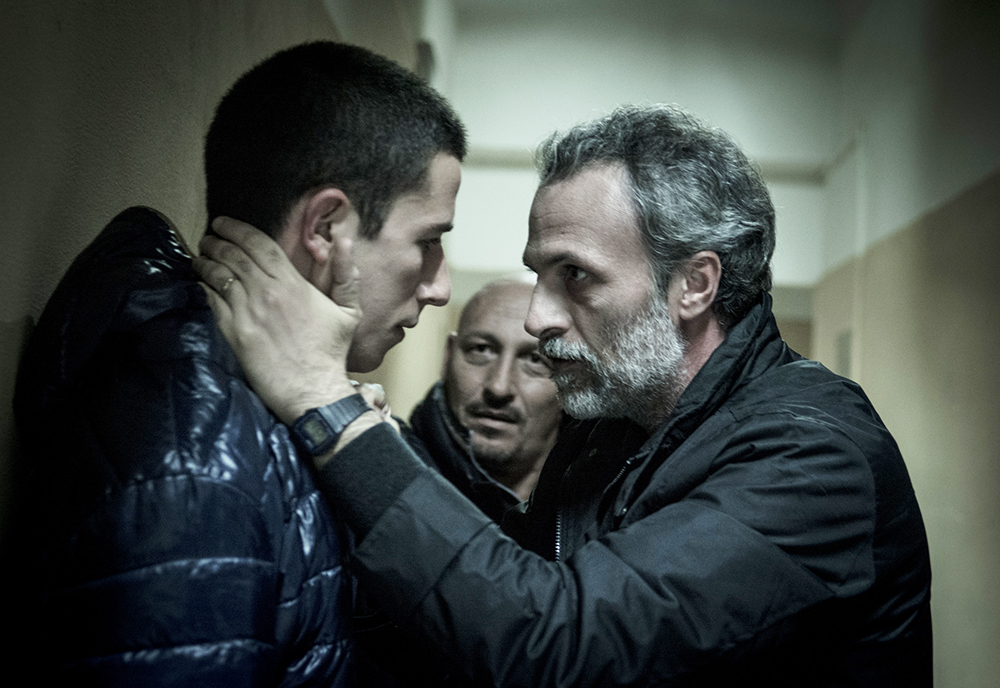
A story of three brothers with divergent views on their familyâs criminal history, âBlack Soulsâ (“Anime nere,” original title) is director Francesco Munziâs perspective on how a life of crime takes a toll on all those involved. With themes of compromise and revenge intertwined with the overriding essence of family, âBlack Soulsâ is a gripping mob film courtesy of Italian cinema.
On surface, these three brothers donât share the same stance: the eldest, Luciano, has chosen to live a quiet life in the mountains to remain hands-off in the businesses of his siblings. The middle brother, Rocco, maintains some semblance of legitimacy as an entrepreneurâwhich was actually in large part thanks to their youngest brotherâs illicit money. Among the three, itâs this brother, Luigi, who works actively as an international drug dealer.
Director Munzi, with his smart choices, amps the moral conflicts and dials them up to eleven by introducing Leo, Lucianoâs son who sees his uncle Luigi as his superhero. The young manâs naiveté and loose-cannon personality set off a chain of events that involve rival clans and families to seek retribution against these brothers. Suddenly, those who donât want any part of the dirty work see themselves doing more than the limits of the dictates of their own morality. If anything, âBlack Soulsâ is an examination of how the worst in us isnât any different from the best in usâand that maybe all it takes is a little push.
9. âA Prophetâ (dir. Jacques Audiard, 2009)

A new prisoner, who is of Algerian descent, finds favor in the eyes of a Corsican mobster. This poses a dilemma given that there are two major factions in the prison: Corsicans and Muslims. Would he compromise his heritage by continuing his association with the Corsicans? Does he align with the Muslim mob in the end? Would he choose to remain neutral instead?
In the hands of a less-capable director, âA Prophetâ (“Un prophète,” original title) would have devolved into a generic prison crime film that excitedly answers those questions, and in doing so focuses more on style (or lack thereof) and less on substance. Thankfully, Jacques Audiard utilizes an almost-surgical approach in pacing the story. While we are eventually served with answers to the questions, Audiard bides his time hereâmuch like the lead character Malikâand settles us down with the intent of making us care for the protagonist.
And truth be told, it works. âA Prophetâ gives us a character (played to near-perfection by Tahar Rahim) that we can care about and root for, despite his eventual deep dive into the criminal world. As a crime film, this works best during times of introspection, especially when we realize that once the credits start rolling, weâve actually cared for him even if his âsuccess storyâ in the prison entailed doing the things weâd hate to see other characters do. And when you have that feeling going, you know itâs apt to give props to the director in command, and to his star who breathed life into an otherwise would-have-been-bland caricature.
8. âInfernal Affairsâ (dir. Andy Lau, 2002)
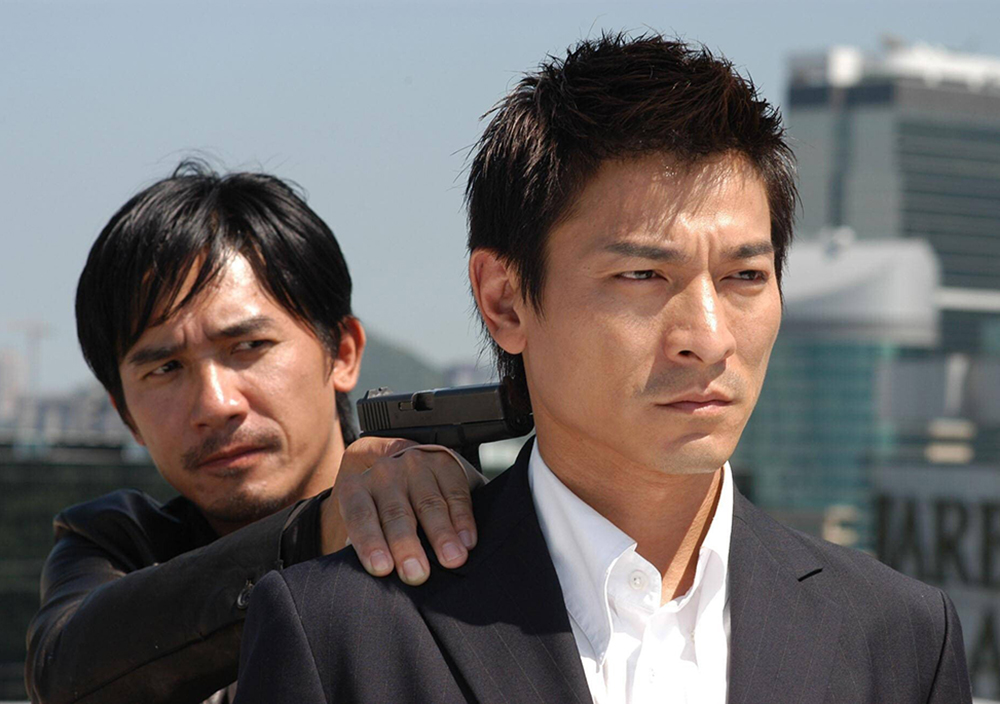
Itâs almost impossible not to talk about Andy Lau and Alan Makâs masterful film without mentioning the American remake (more on that later) that garnered worldwide recognition. In fact, itâs unfair that the main distinction of âInfernal Affairsâ (“Mou gaan dou,” original title) is that it served as the blueprint that Martin Scorsese usedâalmost plotline by plotlineâfor âThe Departed.â Quite simply, it ultimately depends on oneâs preferences in thematic sensibilities to determine which of the two films is better.
Having that said, âInfernal Affairsâ zeroes in on the wear and tear of the undercover work done by two characters (Andy Lau and Tony Leung). As moles planted by the Hong Kong Police Force and a powerful triad to spy on each other, these two characters become kindred spirits during a ten-year undercover work trying outsmart each other and deduce the otherâs identity to finally redeem theirs.
Hong Kong action cinema has always had a soft spot in the hearts of the world; but with âInfernal Affairsâ and its audacity to provide stirring commentary on the rigors of everyday life of its characters, that affinity has become deeper. Suddenly, we see Hollywood action films trying to be sociopolitical with their dialogues and themes andâmore often than notâfall flat. Coincidence? I donât think so.
7. âGomorrahâ (dir. Matteo Garrone, 2008)
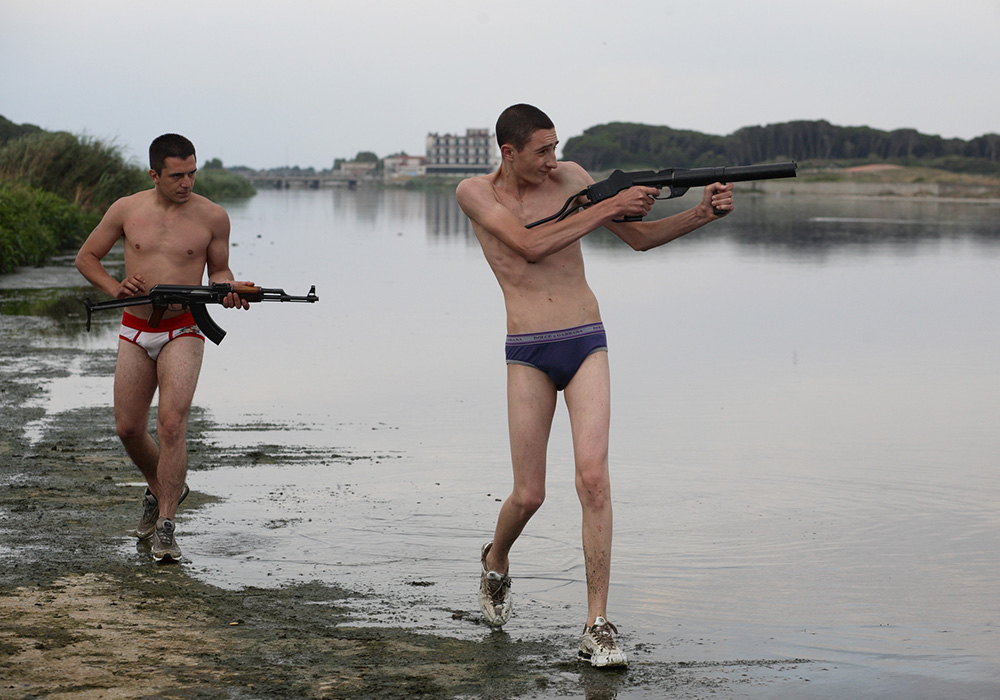
By opening the film with the murder of gangsters relaxing in a tanning salon, director Matteo Garrone doesnât waste a second here. Using the Scampia feud (a series of clashes between Camorra gangs in Scampia) as the filmâs backdrop, âGomorrahâ employs an inspective style of filmmaking by intertwining five separate storylines involving people affected by the organized crime in the area.Â
Based on the best-selling investigative book by Roberto Saviano, âGomorrahâ affords its source material the literary justice it demands, both by using its narrative framing device and avoiding the pitfalls of character lionizations. In the end, Gomorrah isnât merely something that rhymes with the Camorra clans; itâs also a metaphor for the amorality embodied by those living the mob life.Â
With its visceral execution and utter authenticity (casting amateur and non-professional actors who are known to have actual involvement in Camorra clans and later on have been arrested for various crimes), the only reason âGomorrahâ isnât ranked higher in the list is that the films above it are simply better in terms of overall quality.
But judged solely as a mob film? Oh dear. Matteo Garroneâs masterpiece would rank near the top.
6. âTriad Electionâ (dir. Johnnie To, 2006)

Following the events of âElection,â âTriad Electionâ jumps forward by two years: we witness Lam Lok (Simon Yam), the current chairman of the triad Wo Shing whose tenure is about to end. While tradition requires election every two years to determine a new successor, Lok aims to break from it and seek reelection. On the other hand, we see Jimmy Lee (Louis Koo) wanting to leave the triad and legitimize his business. In a twist of fate, both men see each other at the opposing sides, seeking to wield the power given to the new chairman of the Triad.
Both of them have heard the song before: would it play the same notes, or would the tune be different this time?
Hereâs the short write-up: âTriad Electionâ (the sequel to 2005âs âElectionâ) is Hong Kongâs answer to the United Statesâ âThe Godfather: Part II.âÂ
Hereâs the longer take: âTriad Electionâ picks up where âElectionâ ends; expanding on the themes of politics, power struggle, and the ever-prevailing question of loyalty and trust in organized crime. And while director Johnnie To seemed content to provide a character study between two opposing men who were basically the same sides of a coin, in âTriad Electionâ he might have realized the high rewards of presenting oneâs evasion of mortality in a world where morality is lacking.
What we have, as a result, is a confidently paced crime film that grips us tightâand never lets go.
5. ‘City of God’ (dirs. Fernando Meirelles, 2002)
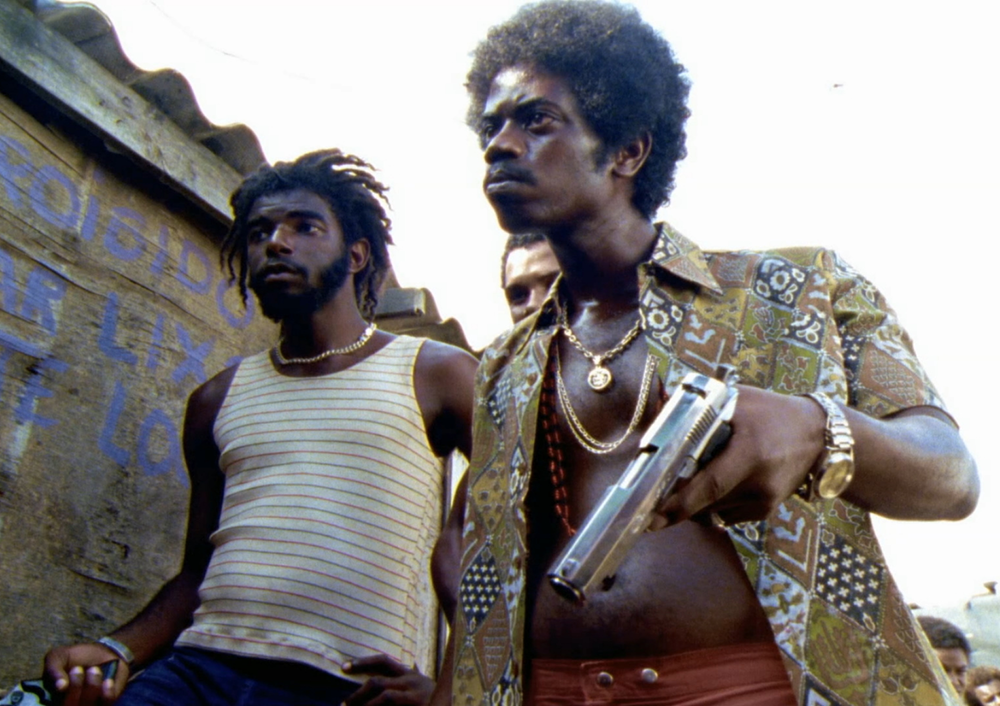
âCity of God,â Fernando Meirelles’ film about the growth of organized crime in the suburbs of Rio de Janeiro, starts with a bang: one of the chickens that are being prepared for a meal escapes, and people with guns run to catch it as it runs for its life. Meirelles uses this as analogy for a no-win situation, which was typified by the movie’s tagline: “If you run, the beast catches you; if you stay, the beast eats you.” Indeed, this chicken scene also symbolizes the protagonist, Rocket, who himself is a metaphor for people whose lives are affected by gang violence amid abject poverty.
Loosely based on real events, Meirelles’ film is a passionate take of gang life in the suburbs that is brimming with energy and fully invested in the lives of its characters. âCity of Godâ is a stark depiction of life outside the city: terrifying, unsettling, but never losing its sense of comedy. It never looks down on its subjects, nor does it glorify them; instead, Meirelles combines an almost-clinical approach with a visceral style in presenting a film about violence that is both suspenseful and funny, teeming with both maturity and naiveté without tilting the balanced scale toward the opposing poles.
Almost 20 years later, âCity of Godâ remains one of the greatest films of world cinema. Kinetic, darkly funny, hypnoticâMeirellesâ masterpiece still deeply resonates to this day.
4. âSexy Beastâ (dir. Jonathan Glazer, 2000)
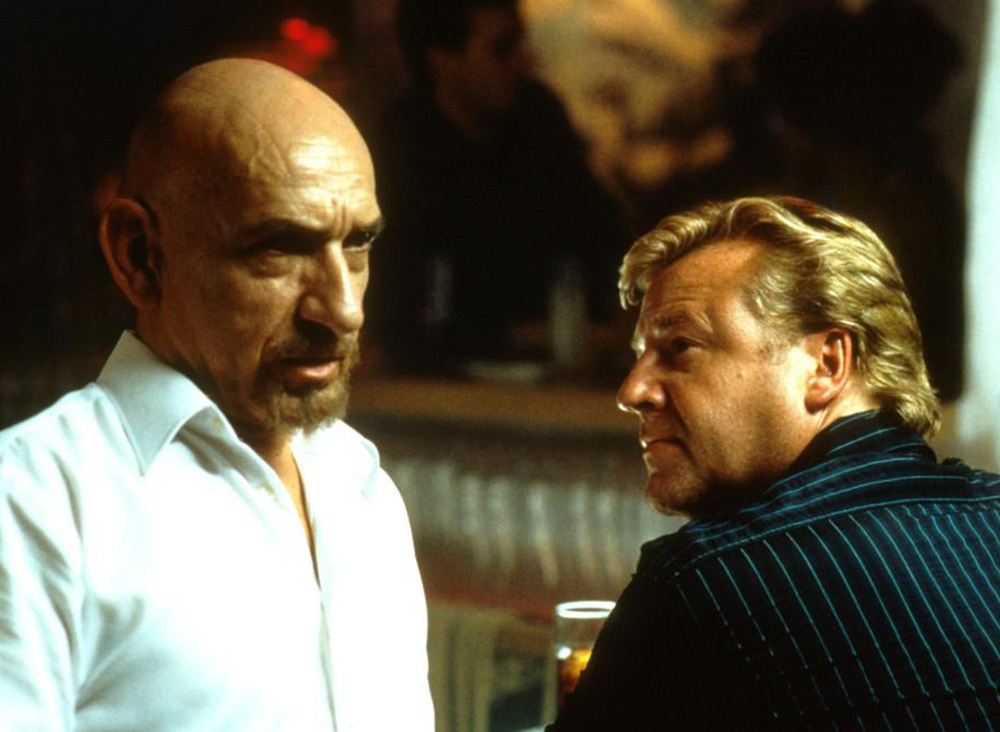
When director Jonathan Glazer (then famed for directing music videos) decided to finally try his hand at directing, I wonder what made him choose âSexy Beastâ as his directorial debut. Personally, though, Iâd like to think Glazer saw the humanity in this darkly funny crime film about a retired former criminal, Gal, being dragged by a psychotic ex-colleague, Don, to do the usual âone last job.âÂ
The particulars? itâs a bank robbery in London involving a vault with safety deposit boxes inside. Say yes, and Gal gets paid with the percentage of total takings; say no and Don kills him senselessly.Â
For starters, itâs a tired trope in the crime (and, to a lesser degree, heist) genre, but Glazer and stars Ray Winstone and Ben Kingsley infuse the two above-mentioned characters with multilayered nuances that allow the audiences to somehow relate to them. Adding Ian McShane to the mix as a crime boss from London who sanctioned the said last job, and we have a gritty, impenitent mob film that unsurprisingly retains its sophistication amid the carnage it shows on-screen. And while violence is basically a slow Tuesday in this genre, Glazer and his cast make sure âSexy Beastâ remains watchableâeven after more than 20 years.
3. ‘The Departed’ (dir. Martin Scorsese, 2006)
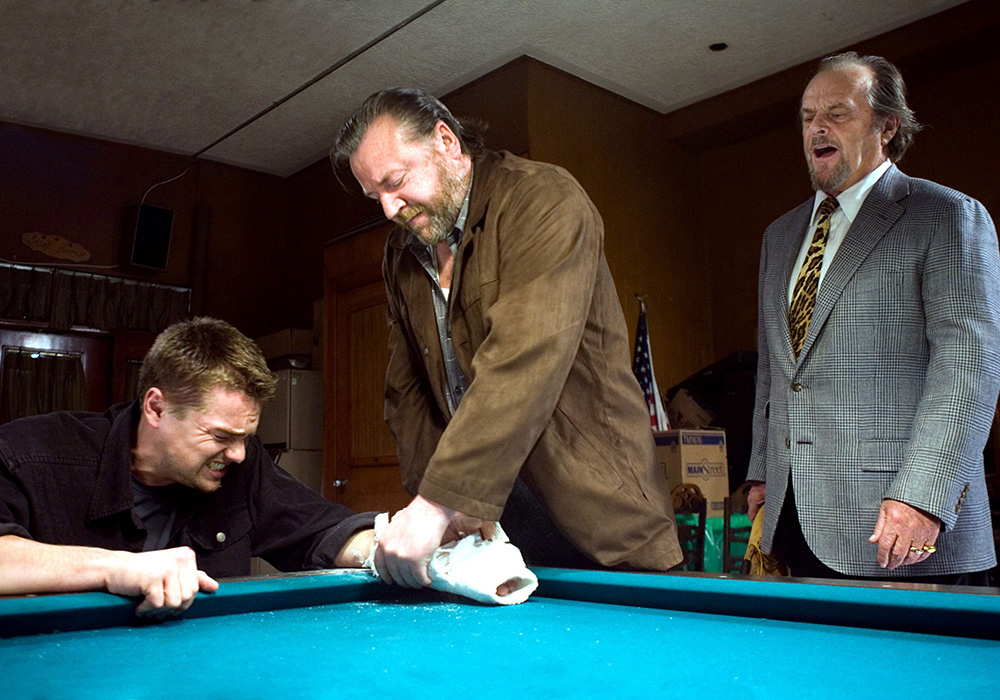
As a cat-and-mouse crime film that pits the Massachusetts State Police and a local mob bossâs crew in a race to find out the mole from their own ranks planted by each other, âThe Departedâ is that rare crime film that was widelyâand wildlyâanticipated before its release and was delivered on its promise, and more.
Using âInfernal Affairsâ as its benchmark but also basing it on real-life criminals that include the Boston Winter Hill Gang and Whitey Bulger,’ âThe Departedâ greatly benefits not only from Scorseseâs assured direction, but also the castâs performances. From Leonardo DiCaprio, Matt Damon, and Mark Wahlberg to Alec Baldwin, Vera Farmiga, Martin Sheen, and Jack Nicholson; we get to see a two-and-a-half hour movie that simply breezes through, takes our collective breaths away, and leaves us wanting for more.Â
âThe Departedâ will most likely be dismissed by its detractors as a remake of our 8th entry on this list, while allowing director Martin Scorsese to finally receive a long-overdue Academy Award, albeit for a lesser film. Nonetheless, Scorsese and Writer William Monahan make sure the film has a strong foundation of its own, and that in essence, âThe Departedâ remains a crime and mob film through and through.Â
2. âEastern Promisesâ (dir. David Cronenberg, 2007)

Fresh from directing a crime film just two years ago, David Cronenberg enlisted Viggo Mortensen anew for this Steve Knight-penned gangster film that transcends Cronenbergâs âA History of Violenceâ with relative ease. This film, âEastern Promises,â focuses on the criminal underworld populated by Russian gangs, and the illegal rings that these gangs operate to fund their criminal operations.
Well-regarded (and somewhat controversial) for its depiction of sex trafficking and prostitution, violence, and the realistic portrayal of Russian mafia and gang members, the film also makes use of a plot device we seldom see in mob films anymore: plot twists. Cronenberg seems to have realized the importance of keeping his audiences invested as the movie progresses, even as frustration about the perceived lack of direction of the film began growing. Truly, the reveal in the third act makes âEastern Promisesâ a worthy viewing experience that thankfully pays off. And with Viggo Mortensenâs magnetic performance drawing us in, we get to be gob-smacked by the endâand weâre all the better for it.Â
âEastern Promisesâ not only solidifies its renown as one of the best crime films of the last 20 years; it also reaffirms David Cronenberg as an unapologetic and masterful storyteller.
1. The Irishman (dir. Martin Scorsese, 2019)
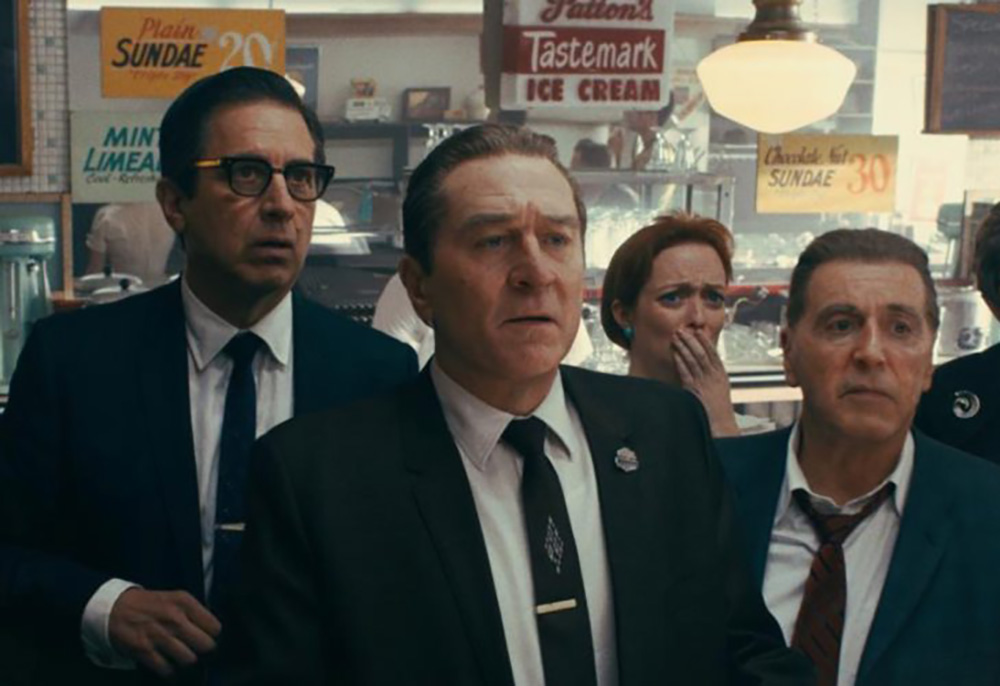
The story of Frank Sheeranâa hitman for the Bufalino crime family who gains notoriety for his claims to killing union leader Jimmy Hoffa in 1975ââThe Irishmanâ frames its story from the point of view of an old Sheeran nearing the end of his life. In doing so, Scorsese might have found such retrospection resonant, and for good reason. Whereas Sheeran looks back at his life and the regrets and pains that come with each step forward, Scorsese seems to use it as his own way of looking back at his career.
Itâs important to note how this film languished in development hell for over a decade and failed to interest a distributor to finance the filmâwhile superhero films and tentpole franchises received financial backing with enormous budgets. So while Scorsese preferred having his film shown on the big screen, the fact that only Netflix decided to finance and distribute the movie meant that he had to acquiesce to the changing of the guard in the film industry. So if this marks his last gangster film, then âThe Irishmanâ is Scorseseâs bittersweet swan-song: an elegiac masterpiece that sees the director (and to a lesser degree, De Niro, Pacino, and Pesci) taking one last, long look at his career and paying his final respects.
More than anything, though, it reaffirms the legendary filmmakerâs unparalleled love of cinema by giving the audience an instant classic that sits, not only among his best hits, but also alongside the greatest movies ever made. And for someone consistently serving us a masterpiece every decade (âTaxi Driver,â âRaging Bull,â âGoodfellas,â âThe Departedâ), âThe Irishmanâ is a very welcome way to go.
So, do you agree with picks for mob and gangster movies? Leave a comment below and let us know what you think.