





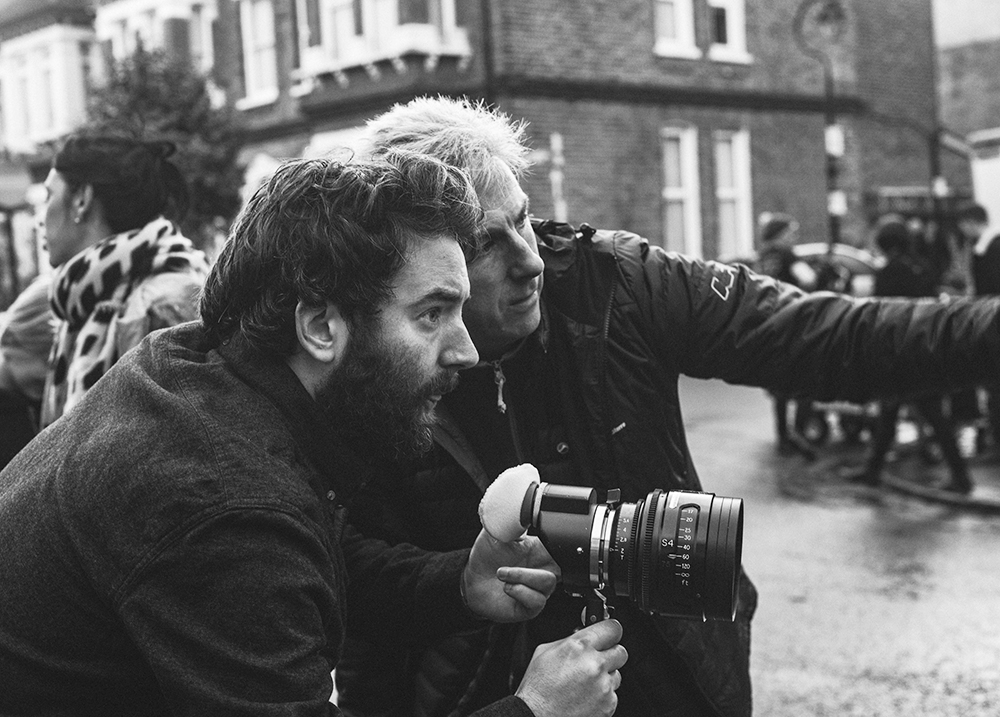
At The Movie Buff we recently had the chance to watch the short film âCandice,â written by producer and director Alexei Slater. The short, filmed all at night, focused on the relationship between two strangers, preconceptions they have about one another, and underlines the concept of âstranger dangerâ in a society that is everyday less communal, and more individual.Â
But, keep in mind, this is no âBefore Sunrise,â where the characters fall in love. Slater is seemingly concerned with the recesses of human nature we never talk about. His characters learn, the emphasize, they reformulate their preconceptions to fit reality. They become better versions of themselves.Â
Slater is no stranger to all sides of the camera, and has worked as a producer, a writer, a director, assistant, coordinator, and more.Â
We recently had the chance to catch up with Alexei, talking about his movies, the many hats he wears, working in film during a pandemic, and his hopes for the future.Â
Hi, can you introduce yourself for our readers?Â

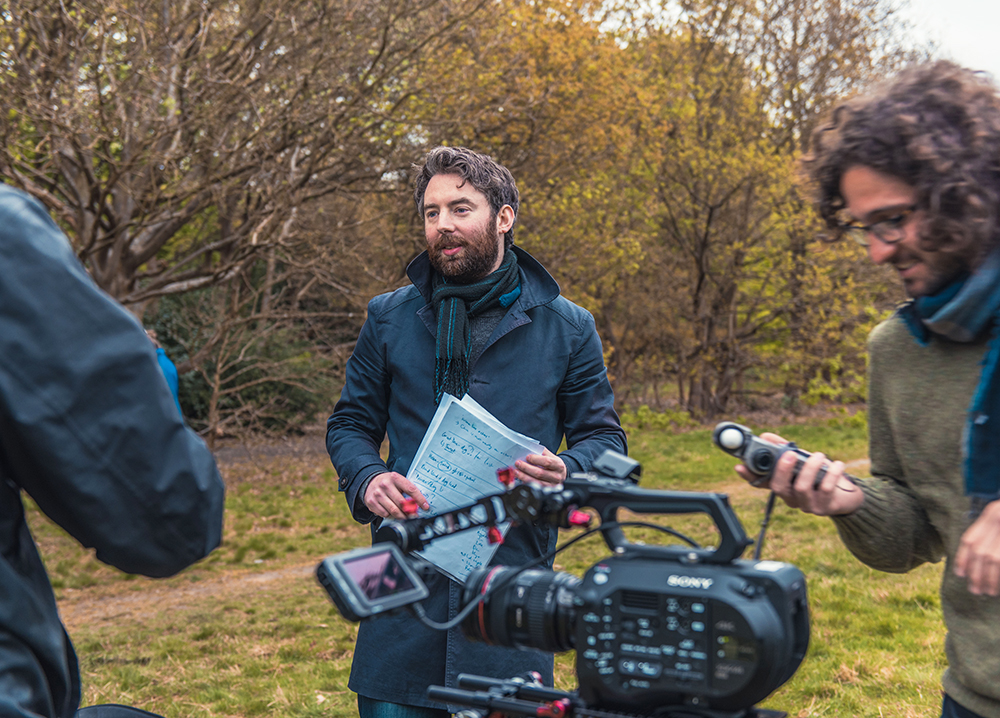
AS: Iâm a writer and filmmaker from London, UK. I worked for HandMade Filmsâthe company the late great Beatles guitarist George Harrison originally set up to produce âThe Life of Brianâ when the filmâs financing fell out in the â70s. I worked there for over seven years before founding my own company in 2011, through which I’ve made many short films and am developing longer form projects.
How have you been keeping busy during these uncertain times?Â
AS: Iâve had a pretty quiet lockdown in the UK where we’ve had varying lockdowns since March. Iâve done some exercise, read, watched TV and movies, jamming on the guitar and [have] been writing. Iâve seen a few friends here and there and watched a lot of my team, Arsenal FC, who have been awful lately. And learned how to Zoom.
Weâve noticed that many of your films are associated with Turn the Slate Productions. Did you found the production company? Can you tell us a bit about it and your success to date?Â
AS: Yes I founded Turn The Slate Productions with a producer friend Jessica Turner when we were putting together the first short film through the company, â82″ in 2011. (The company borrows our names in the title.) It was founded more for legal reasons originally, but since then my outlook changed over time and the company took on more significance allowing me a vehicle through which to produce my work and begin to develop an individual identity/brand. I maintain the website, run all the social media, and also do any freelance/consultancy work through the company too.Â
Iâm not a terrible producer and Iâve got a real interest in directing; but the writing is where my heart lies.”
Iâve had a decent run of short films over the past decade; the eight films of varying budgets, genres, and scopes have screened in approximately 200 film festivals and picked up 40-50 awards and nominations. Â
How many films have you had a part in, to date? And can you tell us what drew you to making independent films?Â
AS: I’ve made eight shorts to date; I was a producer or co-producer on all of them, also writing six and directing a couple. I think I was ready to start making my own work and Iâd written a short story which, I was I think, originally encouraged by an old friend (âFletchâ) who read it, then later my dad, to rework it into a film. Iâd been reading scripts and working in the industry for a good 5-6 years at that point, so it was a good time to start.Â

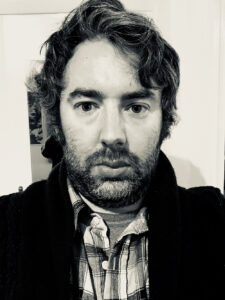
It’s also a great opportunity to develop long-term collaborations and teams in various departments. An old buddy from HandMade Films called Hugo Mitchell has assisted me on many films, [and] my pal Daniel D. Moses has shot virtually all stills and EPKs. My friend Nick Saunders has edited a number of them. Sally Miura and Alice Cousins have done âHair and Make Up Designâ and costumes multiple times, respectively. Katherine Jamieson has graded four of my shorts now.Â
Iâm missing out people here, but basically I enjoy working with good people again and again; and when I make these small indie shorts, it allows that freedom. Recently I was a producer on a short called âStationary,â which allowed me to advise the slightly younger filmmakers Louis and Jonathan, which was a rewarding experience for me.
I see that youâve taken the writer/producer role more often than youâve taken on directing. Is there a reason for that? Do you feel that you have more of a pull toward screenwriting?Â
AS: Iâve always wanted to be a writer since I was a kid. I studied critical theory in film as part of my literature degree, then picked up an understanding and interest in other areas of filmmaking at HandMade Filmsâ¦and the writer/producer hat became one out of convenience as I had a creative input and control over the process, as opposed to giving over a script to people who went off and made it without me. Iâm not a terrible producer and Iâve got a real interest in directing; but the writing is where my heart lies.
What goes into your writing process? Iâve noticed across your films the themes are constructed around human relationships and interactions. Is this something youâre drawn to when you come up with characters and their dynamics?Â
AS: Thatâs interesting you mentioned human relationships/interactions in my short films; I think most interesting work is about that in one way or another. I donât generally set out to discuss a given subject or theme; it often starts with the characters first. Having said that, I’ve been on a creative kick lately and have been originating concepts more. As is common knowledge in writing circles, drama (and comedy) originates from conflict, so thatâs important to keep in mind most of the time.
We recently watched âCandice,â which we thoroughly enjoyed, which attempts to break down walls between strangers, and especially preconceived notions of âstranger danger.â Were you trying to make a larger statement with the film? What are you hoping audiences will take away from the film?Â

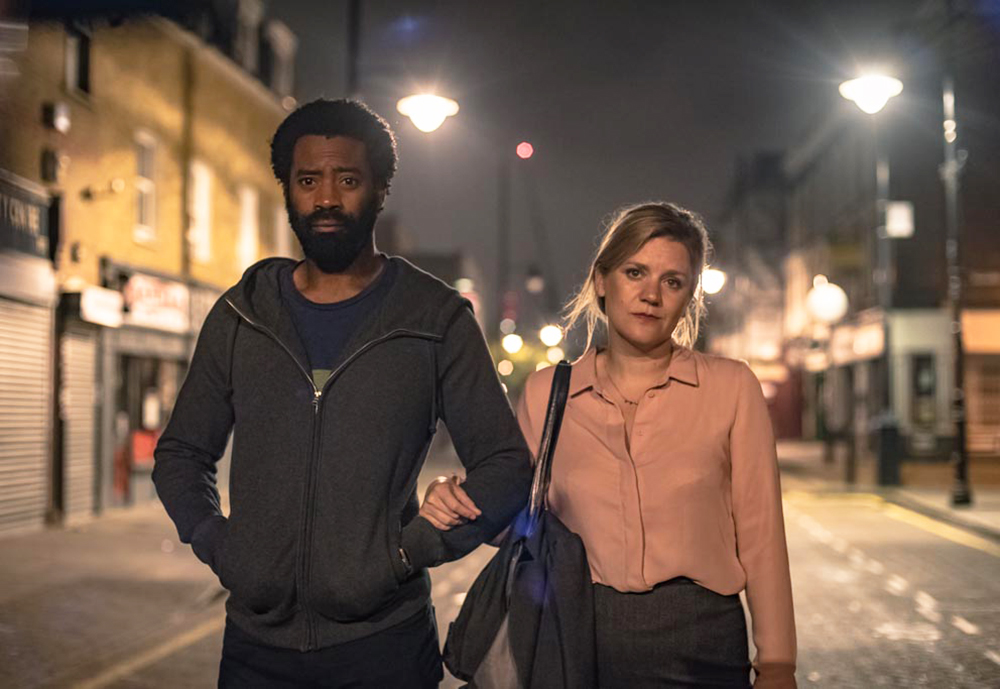
AS: I donât know if I wanted to make a larger statement with the film. As you mentioned above, there was something interesting and ultimately, I hope, compelling, about these two quite different characters colliding, hence the conflict. Their resulting conversation and increasing harmony between them was interesting to discover in a realistic way. Humans are complex creatures; but a simple conversation between them can change perspectives, change moods, change the course of lives. I hope people enjoy it, want to find out what happens to the characters as the story progresses, and perhaps wonder about them after the credits roll.
Were there any challenges you had during filming?Â
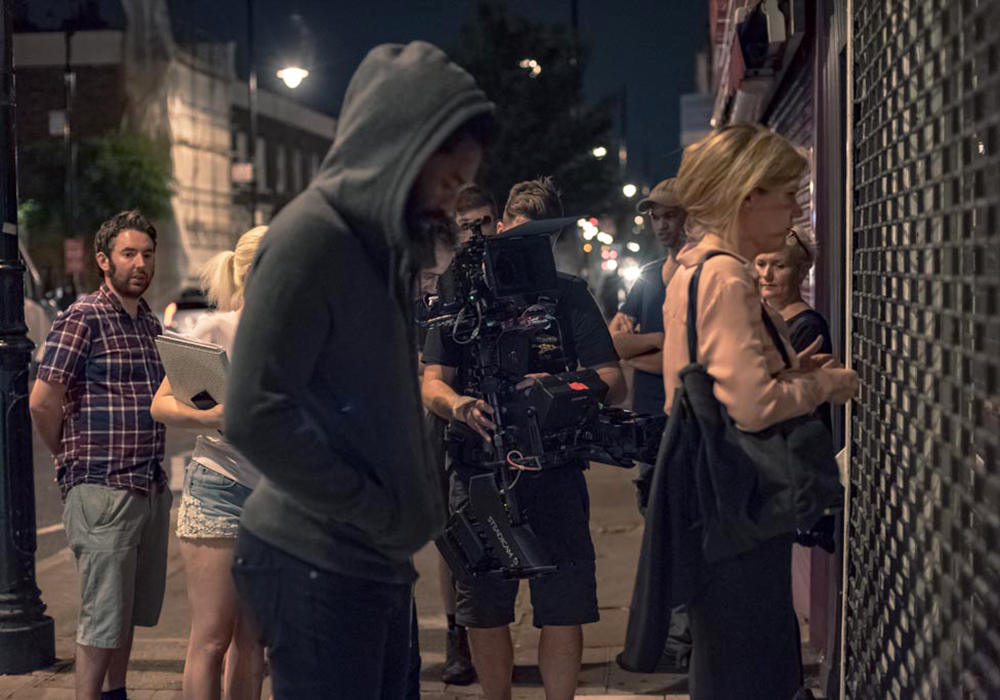
AS: It was a night-shoot, so the challenges that [it] brought were the biggest: securing locations, permits, avoiding public interruptions, and keeping cast and crew energized. It was a first for me but a great experience; and Iâm very proud of the film and everyoneâs work on it.
Do you have a favorite film that youâve worked on? How about the hardest?Â
AS: â82â was my first short, so it was made without any frame of reference or specific ambitions. We did extremely well by most standards, so it always holds a nice place for me, but Iâm spurred on to make new work which surpasses it in depth and scope.Â
Iâm proud of all the shorts for different reasons. I was super excited by the cast of âCandiceâ as Olivia and Nicholas are gifted performers who hadnât met or worked together, so to put them together in our little film and garner those performances was something special to me. âCall Me Alvyâ was also a great experience with another wonderful cast and crew. I worked with Tracy Ann Oberman and Kevin Eldon, who are two of the leading comedy performers in the country; it was an ego boost that they came on-board and a personal thrill to direct them even if it was for two days.Â
I also worked closely with one of my regular collaborators, Gareth Hughes whoâs a top-level veteran camera operator and director of photography (DP). He put an incredible effort into the design and shooting of the film and itâs always great working with him.Â
Of my two smaller short films that were made on a tiny budget but with lots of love, it was wonderful that âEwww” won âBest Comedyâ at Crystal Palace Film Festival and âGreat Daneâ screened at Athens Fest in Ohio, an Oscar qualifying festival. The success of those films is down to the great casts of comedy actors I know from comedy troupe ZazuâNick Read, Harrie Hayes, Tom Machell, and Maddie Rice. James Webber and Lorenzo Levrini did a great job on âGreat Daneâ as director and DP, respectively.Â
My most difficult short was âScarlet Says,â which I donât want to dwell on so much later, but it was also a great learning experience for the future.Â
Can we talk about your directorial efforts? Were these a challenge for you?Â
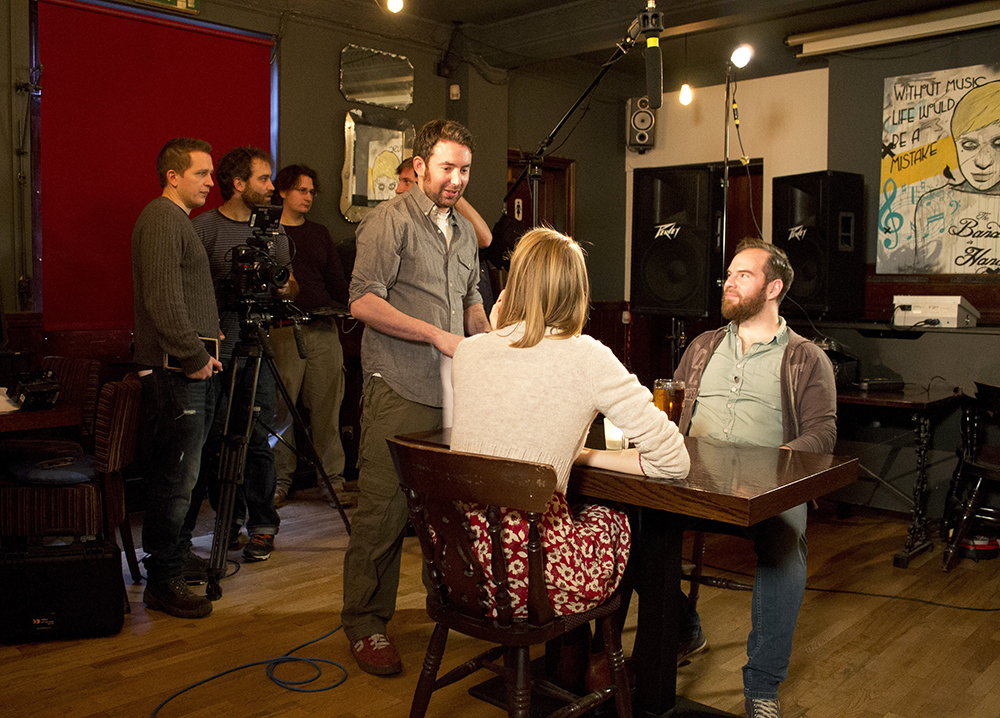
AS: âEwwwâ was a small shoot and tiny budget. It was wonderful to see my small comedy vision executed by the talented cast and the excellent editing from Jim Page helped push it over the line. You need people on the same wavelength whatever scope of the project.Â
âCall Me Alvyâ was a bigger budget and bigger cast and crew. A good friend called Nev Pierceâwho is also an excellent film journalist, filmmaker, and screenwriterâwas an executive producer and brought in some key finance. As well as the necessity of helping fund the budget, that support also spurs you on that someone you respect believes in you and your project. It was just challenging as it always is to cram in everything over the short shoot time.Â
On âAlvyâ we had to do a huge set changeâturning the real synagogue we shot in to a comedy nightclubâwhich we pulled off somehow with the efforts of everyone, including our production designer Jason Kelvin, who had to order various materials and redesign the space in very little time. I was one anxious director at the time.Â
I tried to plan the films with storyboards and preproduction meetings, but you can never mitigate all problems which will occur. Gareth Hughes assisted me with lens choices and camera angles on âAlvy,â so it was great to be working with a trusted friend and collaborator with whom Iâve [done] four films.
One of the films you wrote and directed, âEwww,â had a uniquely different comedic tone than some of your previous productions such as âGreat Dane or âThe Driving Seat.â Can you talk about your inspiration? Where you going for shock, humor, social satire, or something in-between?Â
AS: That film I think came from a dream where I imagined the entire film. I think I woke up and wrote it all down. Thatâs never happened before or since. It was a cooky three-page story that I hadnât done anything with for a long time until I realized it could be a good first short to direct. My old friend Carlos Rodriguez encouraged me to make it and became a vital co-producer on it. Iâve got a childish sense of humour sometimes and love lots of comedy from “Monty Python,â Harry Enfield, âThe Fast Show,â âSNL,â âCurb Your Enthusiasm,â Naked Gun, Mel Brooks, and lots, lots more. It was meant to be pure comedy entertainment.
Whatâs the biggest joy or being an independent filmmaker? How about the biggest struggle?Â
AS: I like the freedom of raising a bit of money and going out and making short films without reporting to anyone on taste, style, or content. Obviously I want to move on to features and TV, so that requires proper budgets and commissions. The struggle is it can be an uphill battle when, for example, you donât have a regular producer or an agent pushing your work. But on the flip side, it drives you on to break through and show what you can do. Iâm a very determined person. You also learn more and more about everything as you donât rely on others, which probably helps in the long run.Â
Do you find that the modernization of cinema, such as having access to more film festivals and online film critics/bloggers is helping to get the word out about independent films? What more can be done to help audiences catch hold of important films they might not otherwise hear about?Â

AS: Social media is a great help, but of course itâs two-sided as the competition is magnified; so thereâs more of a platform but many, many more people and companies competing. The modern filmmaker must be relatively social media friendly and knowledgeable, which you could argue is not necessarily a good thing. Advertising helps but itâs expensive, so word of mouth will still always play a role in a good piece of art.Â
Do you have any advice for people looking to get into independent filmmaking?Â
AS: Be polite, friendly, and respectful in all your dealings, diligent in your efforts, patient with yourself and others, research and prepare very well, and take some risks. Read and watch widely too.
What are your hopes for the future? And are you working on anything currently?Â
AS: I hope to have TV pilots and spec features green-lit going forward. Iâve written four spec features and two TV pilots so far. Iâm developing new features and might be shooting one of my un-produced shorts with a great director I know. I like to be making things. I also just completed the first draft of an American crime novel I am hoping to eventually get published in the future.Â
Thanks for taking the time to talk to us, Alexei. It’s been great hearing about your journey.Â
AS: Many thanks for your time, interest in my work and these questions. Happy New Year!Â
You can find out more about Alexei’s projects by visiting Turn the Slate Productions at www.turntheslateprodcutions. You can also “Candice,” Alexei’s short film, for free by clicking on the video below.


