During the Iran/Iraq war in the 1980s, Tehran and its people witnessed the bloodiest years in their entire history. Set in the same era, Iranian-born Babak Anvariâs directorial debut âUnder the Shadowâ projects a womanâs struggle in Tehran with a devilish spirit which overtakes her house, while her husband is away to serve his duties to his country as a doctor. Originally in Persian language, the movie gives disturbing glimpses of a country at warâbombings and missile launches without the slightest hint, regular sirens warning people to move toward safer places, curfews on the streets, broken houses, and petrified people.
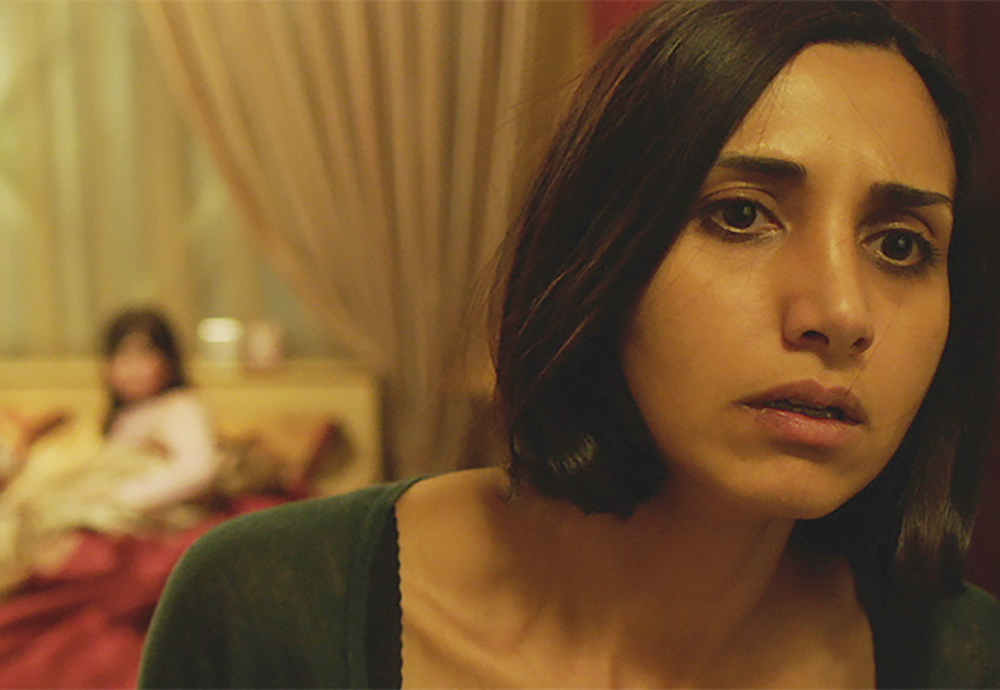
The movie has blended horror with so many different elements that it certainly leaves you with lots to take in. Narges Rashidi (as Shideh) portrays a disadvantaged woman living in Tehran whose married life is a challenging one; and, by doing that, Narges has done a fabulous job of highlighting the socio-economic plight of women living in Iran, which has remained quite unchanged in the last few decades.Â
Like many other countries, Iran has had a long-standing history of patriarchal society. When a Jinn invades Shidehâs house, her troubles grow manifold. The Jinn has been showcased as something that is invincible, leaving no option for Shideh and her daughter other than to escape their very own house. The concept of Jinn in Arabic and Islamic stories has always fascinated poets and storytellers. Merely hearing the word Jinn or Genie reminds us of âAladdinâ or âThe Arabian Nightsâ cartoon. It even finds a mention in the Quran.Â

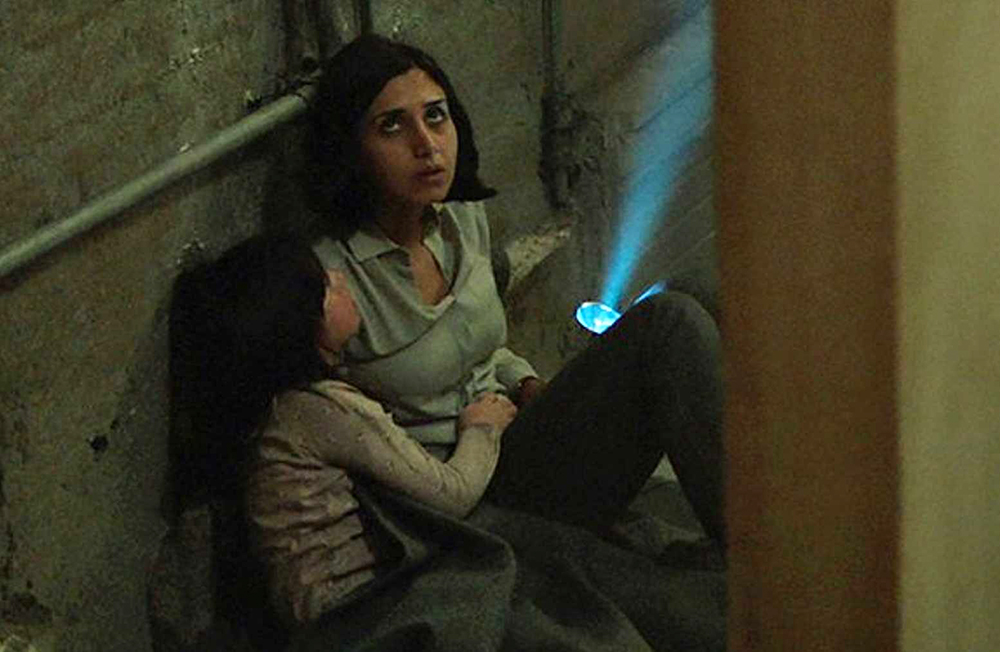
In âUnder the Shadow,â though, donât expect to meet a big blue happy creature whoâll grant you wishes! But rather a formless malevolent spirit, whose strength is unbeatable. What really rewards the movie with a very believable and real feel is the direction of some awe-inspiring scenes. There is a particular scene where an entire missile penetrates halfway through the roof of Shidehâs building, and another scene where she is covering her broken windows with tape to prevent Jinn spirits from entering the houses along with air. I donât remember the last time I saw anything of that nature in any other horror movie.
Although the film doesnât have many jump-scare moments or eye-popping ghost makeup visible on the screen, the film is a slow-burn psychological thriller that will amaze and frighten you at the same time. âUnder the Shadowâ also projects the detrimental effects of stress on human mind.Â
The writers of the film have tried building a strong link between stress and fear. Medical science supports the idea that a tired and weak mind can leave people less immune and more vulnerable to various psychophysical anomalies. And a great portion of this film deals with Shidehâs inability to cope up with her family and social life: a stubborn young daughter who wonât do anything without her doll, Kimia, a husband who is overly loyal to his profession and country, and next-door neighbors who are blatantly selfish. Frequent occurrence of these elements leads the story astray at times, though, giving the film a somewhat gloomy feel that can be difficult to bear. A big part of the run-time makes the story appear more like a tensed family drama than a horror one.
Looking from a common viewerâs perspective, fear definitely gets a new definition in âUnder the Shadowâ along with a real, terrifying reflection of a war-laden nation. Itâs totally worth waiting to see what Babak Anvari brings next!