If you grew up in the â90s or the early 2000s, thereâs a good chance that “The Mummy,” starring Brendan Fraser as Rick OâConnell, played a huge role in your childhood. Far removed from its 1932 black-and-white horror original, this action-adventure film remains a solid piece of cinema that not only people in my age group, but also new generations, can enjoy. Sure, there was another attempt in 2017 that failed to match the hype or truly grasp audiences, but that was some time ago. Now we have the writer and director of “Evil Dead Rise” (2023) offering his own version of “The Mummy,” moving away from its family-friendly tone and taking it back to its horror roots.
Lee Croninâs “The Mummy” is a tale of a journalist whose daughter goes missing in Cairo, Egypt, only to be discovered eight years later in a 3,000-year-old sarcophagusâlong after the family has relocated to Albuquerque, New Mexico (I guess this family really loves sand). Overwhelmed by the news, the daughter is welcomed back with open arms, with no apparent psychological evaluation and no questions askedâand this is where the unsettling horror begins.
The Sound and Camera Play Important Roles
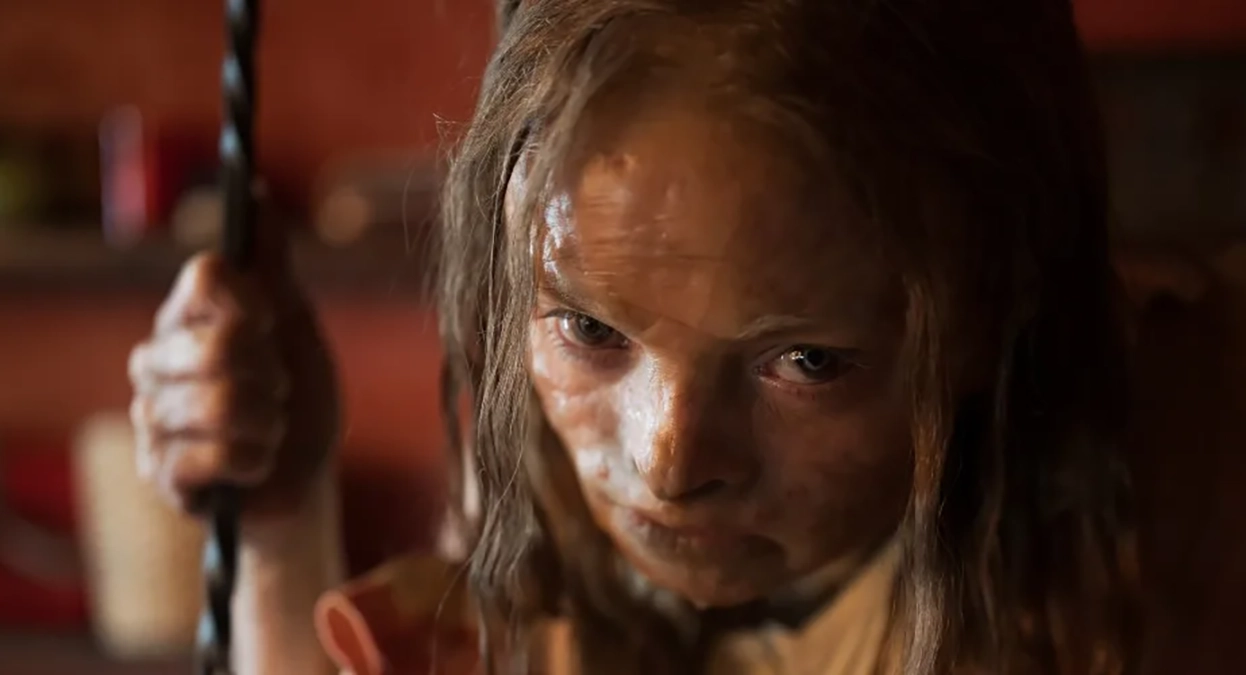
Every ominous moment feels personal, with close-up angles capturing every disturbing expression and making each scene feel claustrophobic. The film also plays heavily with shadows, further building suspense. However, what really stands out is the sound. The biting, ripping, and scratching elevate the tension to an extreme level in a way that canât be ignored.
With a threat living in the next room and a house full of unaware family members, I didnât feel much concern for any of the charactersâ safety. The danger never felt realâat least not for the immediate family. Instead of striking fear or delivering absolute terror, the film leans more on grotesque imagery and excessive bodily fluids. These antics may be entertaining at the moment, but after the initial shock wears off, I found myself still waiting for something more.
Though I enjoyed the performances from Jack Reynor and Laia Costa as the parents of Katie Cannon (Natalie Grace) individually, when the two actors share the screen, there is a noticeable lack of chemistryâas if the romance was never present even before the disappearance. I also feel this could have been avoided with sharper editing or possibly more rehearsals; either way, it was painfully obvious.
The Latter Half Suffers
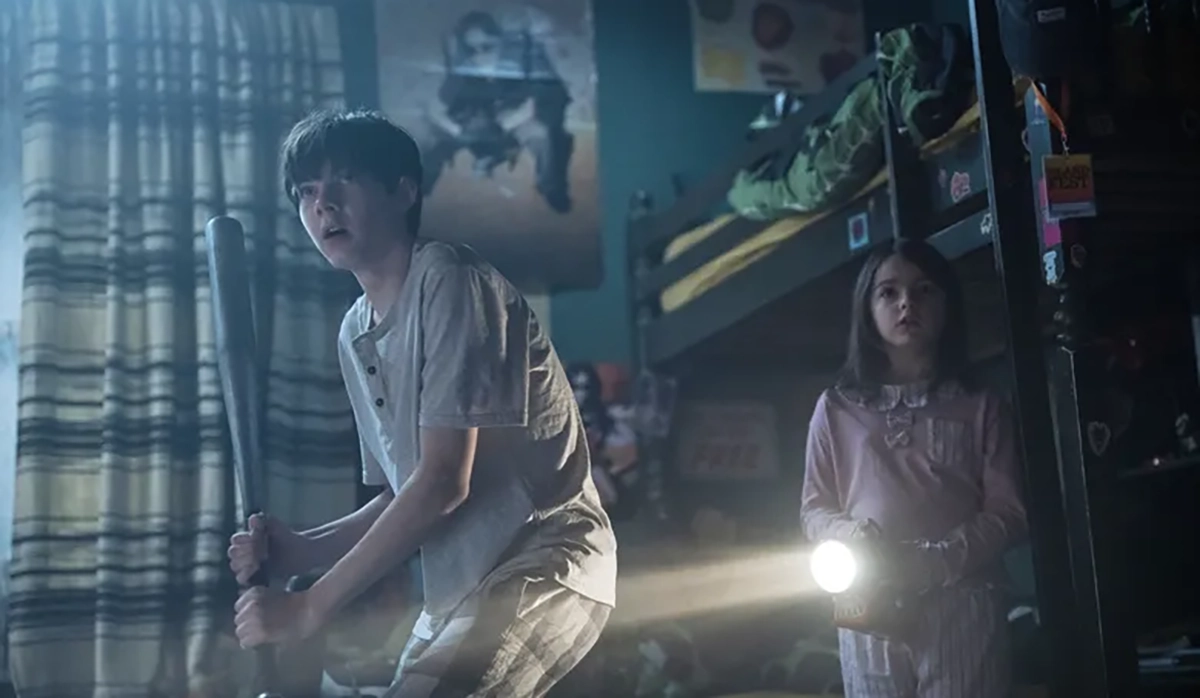
In situations like these, the family usually seeks outside helpâbut what do you do when the help is insanely incompetent? I found that many of the characters made illogical decisions, which makes it difficult for me to root for their success. I can understand a character or two making poor choices, but everyone seemed to be on the âjust go with itâ page. As a result, no voice of reason emerges until itâs almost too late.
Sure, itâs a horror film, so some tropes are expected, but at times it feels like a collection of different ideas thrown together without doing anything particularly unique. The movements throughout the film often resemble a feral animal, and at times this comes across as demonic possession or even a zombie infectionâbut never as an original piece forging its name alongside the greats.
It may not be “The Mummy” youâre familiar with, or necessarily a traditional take, but if you can get past the repulsive antics and questionable decisions, this might be better suited for streaming rather than a theatrical viewing.