Having watched Ben Wheatleyâs sharply written and delivered 2016 hit âFree Fireâ in the summer, I was very excited about watching âA Field in England.â That was, of course, until I turned my attention to his inconsequential adaptation of âRebeccaâ on Netflix this October. With hope that Iâd be in store for something in the vein of âFree Fireâsâ witty edge, sadly âA Field in Englandâ is closer to âRebeccaâ in terms of both execution and disappointment.
Expectation aside, âA Field in Englandâ presents a historical horror/thriller that belligerently plays with both the senses and the seemingly apparent principles of the English Civil War. In an interview with Film4, Wheatley attests that his film has âvery little concession for explaining in the movie full stop,â and I believe that this is the crux of most of my issues.
âWeâre not running away; weâre going for beer.â
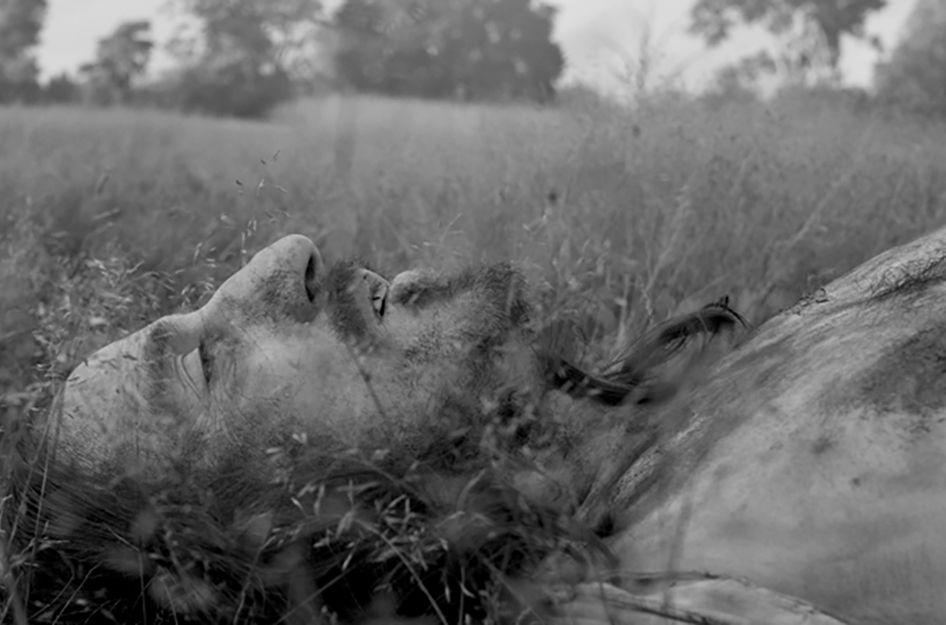
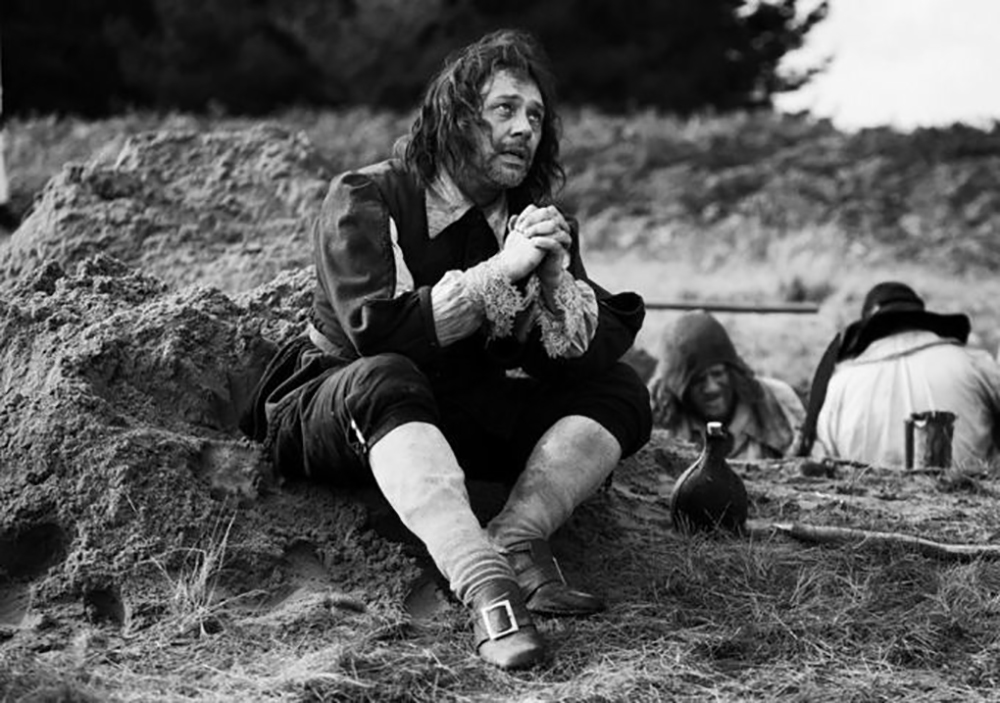
The film, written by his wife Amy Jump, situates the viewer with a group of unlikely allies following their desertion of a Civil War battle. Their motivation? The promise of an English alehouse. The first act feels promising as our protagonist, Whitehead (Reece Shearsmith), is swept away from a harsh, disorienting battle toward the sweeping monochrome vistas of the English countryside. The stakes are set, and the tensions are immediate. This man-of-peace, Whitehead, is caught up with the likes of ruffian English soldiers, contemplating themes of class and intellect as he discusses education, war, and simply getting his hands dirty. Weâre treated to magnificent wides of characters stumbling through open fields, and the stage is set for the freakiest trip of your life, having been exposed to some pretty perplexing visuals at this point.

âHave you never looked up?â
âSounds badly paid.â
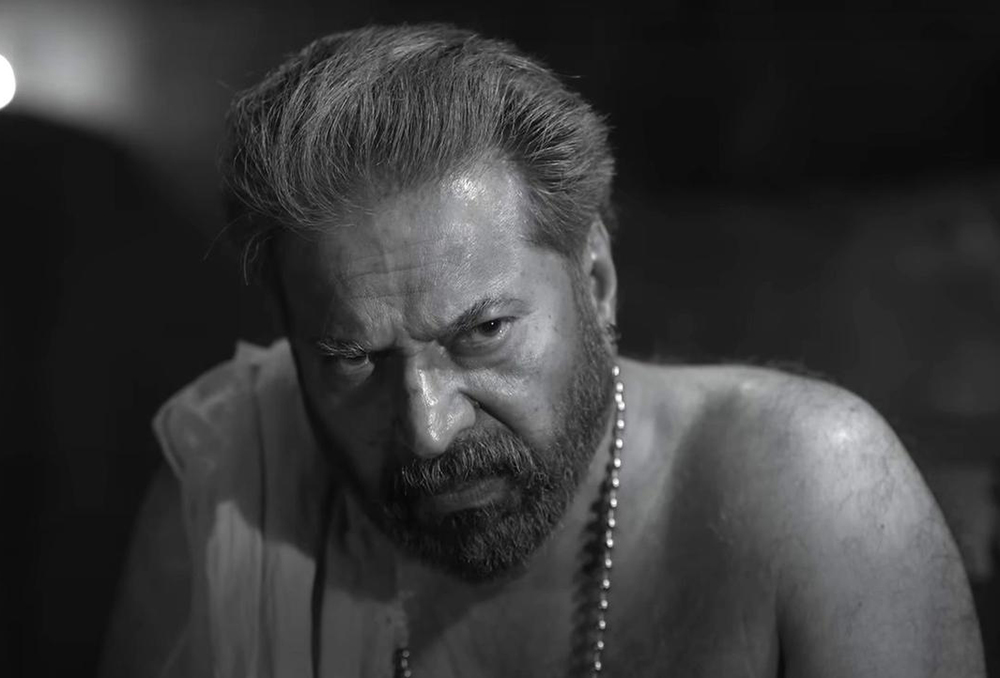
So where does âA Field in Englandâ go wrong? Itâs sad to say, but Michael Smileyâs OâNeil. The introduction of this brooding Irishman (who looks suspiciously like Guy Fawkes) with a lust for dominance signals all cohesion going out the window. Typically, events of a filmâs plot happen for a reason. They are to further the ambitions of the protagonist and to help achieve this goal by overcoming obstacles. But, to my eye, âA Field in Englandâ gets that simple idea wrong.
After a clear and logical setup, things start to happen with no prior foreboding and no sense of trajectory. One example being, as we hit act two, tug-of-warring a man to life with no context as to why and how. Of course, this may be contributing to a message about the Civil War that Wheatley wants to propose to his audience.
Perhaps, like in the film, the war was of little consequence to the characters that fought in it much like the idea of an alehouse slowly becomes to the characters of the film. The war was the result of Charles I, a man with a lust for power much like Smileyâs antagonist. However, this superiority freak takes power and ruins everyoneâs idea of a warm and picturesque alehouse with his self-imposed ideas of finding some buried treasure.
What occurs in the field beyond the half-hour mark simply comes across as nonsensical. Stylistically, thereâs a lot of flair to be enjoyed and the soundtrack does a really good job of encapsulating a certain weightlessness to the film through the perpetual beating drum. But even if a lot of the imagery, sound, and thematic substance may be somewhat intriguing to those well versed in the history and lore of the English Civil War, to the average viewer it just comes across as downright strange. The result of the unnecessary bouncing of charactersâ logic throughout the film and the pairing of unusual visuals is a lack of both tension and connection.
âA Field in Englandâ draws you in really well with a meticulously crafted atmosphere and character setup, but fails to form any kind of structural significance. It certainly had the potential (and possibly aspiration) to find itself among the ranks of psychological horrors like âThe Lighthouse,â but the only thing horrifying about âA Field in Englandâ is how absent I felt during those 90 long minutes.