



A documentary in the truest sense of the word, âEuropean Tour â73,â written and directed by Ross Munro, feels like something your grandfather might have shot on holidayâand believe me, thatâs a good thing. The documentary short, at under 15 minutes, chronicles one familyâs trip from Canada to Europe, highlighting important issues of the â70s and before. It also cycles through some familiar themes…history has a way of repeating itself; and with Munroâs upbeat and energetic narration style, the film has a more personal and emotional touch. Itâs an open window into his familyâs life, and, ultimately, a welcome one.Â
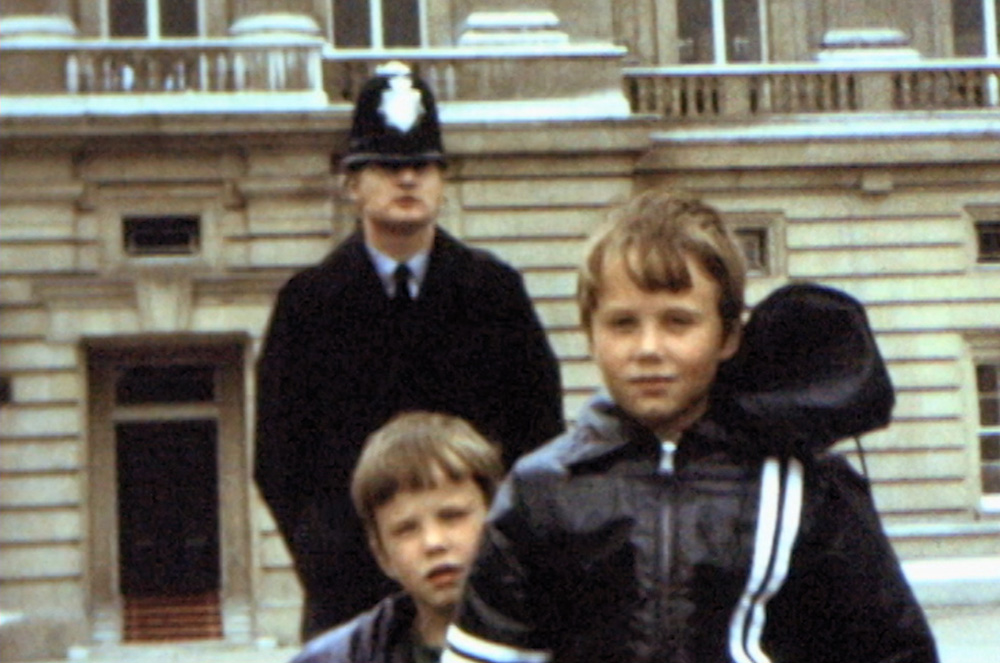
When I mention the film is shot like a family vacation from the â70sâIâm not kidding. The documentary, interspersed with rather impressive animation sequences, is mostly archival footage from Munroâs familyâs trip to Europe in 1973, shot on Super 8mm tape. It causes the film to wash over you, to make you feel the nostalgia for this bygone era, and to also appreciate the sense of imagination the reels bring to the short. It takes viewers into the picture, and lets them feel what a home video feels like, back when that really meant something. As a child, my dad had a Canon SLR. Weâd get back from a yearly trip to Canada and develop them. What a time lapse! In a day and age of smartphones and instant access to digital media, Munroâs documentary feels like an injection of peaceful nostalgia.Â
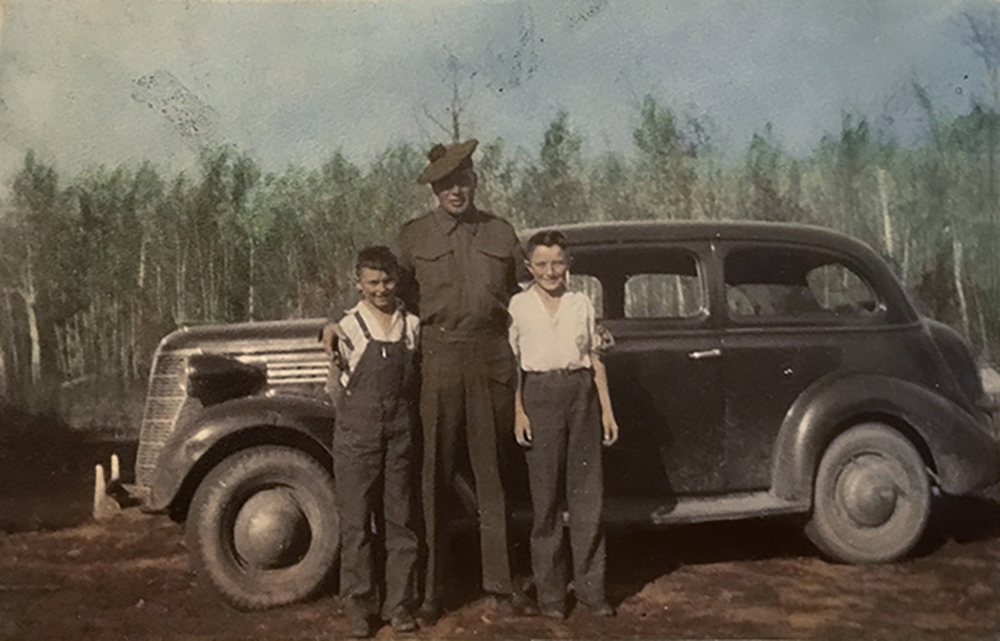
The overall point of âEuropean Tour â73â is, on the surface, to chronicle his familyâs journey from Winnipeg to Europe, but on a more serious note, itâs the mission of Rossâ father to connect his five young children to the the steps his own father took as a member of the Canadian military during World War II. Munroâs love of film and pop culture help to ease us into these territories as he remarks of England that it is âhome of the fictional martini-drinking spy,â and bookends this by showing poster advertisements of the latest James Bond film starring Roger Moore that Munro, a film lover, would have to miss to embark on this European journey.Â
The strong point of this documentary is the seamless narration by Munro, which is upbeat and prosaic, and the Super 8 filmography that makes a bygone era seem like it happened just yesterday. Munro speckles the film with jokes: anecdotes about his fatherâs love of tourist landmarks (the Eiffel Tower and the Palace of Westminster among its chief landmarks), and tongue in cheek jabs at social commentary. His observations of the crumbling presidency of President Nixon, as well as threats of war and fighting socialist/’red’ threats, are juxtaposed to the worldâs current political climate, but flipped over. His observations are part of a larger picture, not partisan but realist, and one canât help but to be connected to his unique documentary style.Â

On its underbelly, âEuropean Tour â73â is just fun to watch. You feel connected to this family, feel connected to its source material, and feel drawn in by the way Munro turns an innocent family history into salient material all can connect with. His humor hits the mark when appropriate (jokes about his mother knowing just enough French to make sure they score good baguettes is clever), while his narration of the filmâs most serious sequenceâfilm footage inside a Nazi concentration campâmakes the material more accessible, and less monstrous than it should be. He approaches it as a moment in history; and his steady, light intonation reminded me of Roberto Benigniâs spellbinding âLife is Beautifulâ in its hopeful approach.Â
Munro told me that he went into the film focusing on his own family, but ended up stumbling on something that transcended it, and something that everyone could relate to. But Munro has surpassed that. He has made a welcoming picture that could have been any familyâs story in the 1970s, whether Canadian, European, or American. The cultural references of this decade are hammered home with exactness, the filmâs landscapes are documented with joyful exuberance, and, like a family heirloom, seems like something that can be passed down from generation to generation.Â
All in all, âEuropean Tour â73â is a good documentary, more personal than weâre used to seeing, and is definitely worth a viewing. The documentary just finished screening at the Lunenburgh Film Festival (Canada) and the American Documentary Film Festival (USA). The film is slated for screening at the upcoming Oregon State International Film Festival from Oct 19-Oct 24, 2020.Â