





Named after the injection administered to revive overdosed heroin addicts, âNarcanâ is less about this drug but about paramedics, their lifestyle, and the effect it has on their loved ones. âNarcanâ is dark, deep in the right places, and smartly makes allegorical contrasts between assumptions we, as a society, have about both paramedics and drug abusers. Written and directed by Peter McNamara, the film won two separate film festival awards, including âBest Narrative Short.â âNarcanâ features capable acting and a focused lens – though its 20 minute run-time may be too short to tie all its pieces together as effectively as it intends.Â
The film focuses on an Irish-American paramedic named Sean. At the movieâs opening we see heâs a dedicated worker, taking his morning run, silhouetted against the backdrop of NYC before hopping in his truck and driving to work. He holds an envelope in his hand which he regards with deference; amidst this, he listens to a voicemail from a woman who states she âcanât do this anymoreâ and needs to talk. Reasons for this arenât quickly presented; in fact they are obscured for most of the film, which causes Seanâs situation to perplex us some as the film progresses. His face strewn with worry at work, his boss, (Anthony Bourray) asks if heâs okay. âYeah Lou, Iâm good.â Lou hesitates, not convinced, repeating his question. Sean responds in his same monotone: âYeah, Iâm good.âÂ


The filmâs photography is its high point. Whether itâs featuring shots of the Manhattan skyline, row houses that makes up its neighborhoods, or pans of the paramedic van racing through the streets, it takes us into these peopleâs lives with precision and care. âNarcanâ feels like New York, a credit to the cinematography and film editing done by Fredy Soberanis and Eamonn Clay respectfully.Â
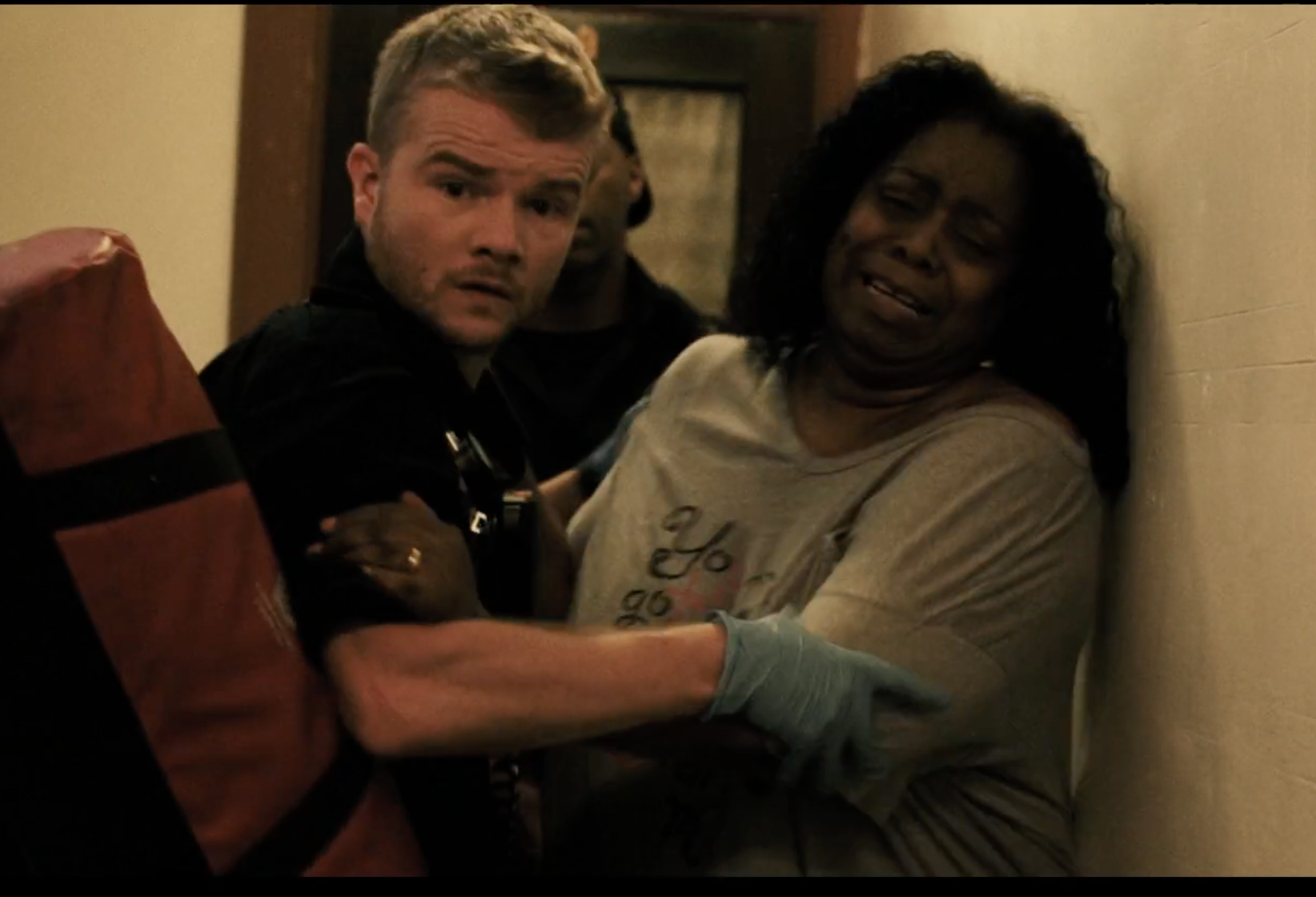
Two of the filmâs most effective shots feature Halpin in scenarios that solidify his character and job: one, as he effectively manages a violent scene in an addictâs house as he revives him after an OD, and a thoughtful shot at the filmâs opening, as Sean stares up from a bathtub full of water he has submerged himself in. Coupled with some later details, such as his strained relationship with his wife (Laura OâShea) and his son Kevin (Harris McNamara, the filmmaker’s son), the message is clear – Sean is drowning, trying to balance his home life with his work one, and is woefully failing.Â

Overall, âNarcanâ is a good film. It highlights the struggle of paramedics to do a job that often involve thankless tasks (in one scene Sean is punched by an addict he revives; in another he is brought to the brink of horror by sights his job privies him to). It makes smart commentary on the use of Narcan without moralizing, taking on stereotypes of drug users and those who aid them in its presentation (while also linking the developments of these scenes to Sean’s personal life). The acting by all involved is solid, and it ends in a believable and heartfelt way. While more depth and character development would have helped the film to excel, weâre still presented with a solid effort by McNamara that is both thoughtful and dramatic.Â
– by Mark Ziobro


