





In a modern world where one can FaceTime loved ones from across the globe, Matt Morrisâ âPartitioned_Heartâ has the impact of a virtual bond and a funeral goodbye in the same 9 minute package. Like the 2016 movie âHer,â the film is carried solely by one live actor and one vocal one, yet imbues elements of sorrow, reminiscence, and grief into a film that is both thoughtful and real. Goodbyes are hard; âPartitioned_Heartâ makes the case that this is no different through virtual medium than in life. The film has the savviness of a tech picture and the reverence of a grave visit – a nice achievement for a short film with but two actors.Â
âPartitioned_Heartâ leaves us in the dark on its plot, but the film is the better for it. Thereâs a father, played by a Carlo Rota doppelgänger named Travis Mitchell, and a son, Daniel, played by Malik Uhuru. Daniel died – or so we glean, and is trapped in a computer program and able to communicate with his father through voice only. Danielâs been trapped in the computer program for days, is still in considerable pain, and has a request for his father – to delete him permanently from the terminal. The film deals with the emotions of both father and son as the former attempts to come to grips with his sonâs passing and honor his wishes.Â
âPartitioned_Heartâ is filmed crisply, and, while short, takes us on a view of emotional struggles and remembrances. We see a picture of father Rob with his son Daniel on a nightstand, and a quick telephone conversation between Rob and someone we assume is his wife. Daniel wants to know if his father has talked to his mother âabout himâ – and while we assume she knows of his passing, weâre unsure if she knows of his current predicament within the computer terminal. Weâre not to know; âPartitioned_Heartâ is about a bond between father and son, and the film accomplishes this with remarkable grace.

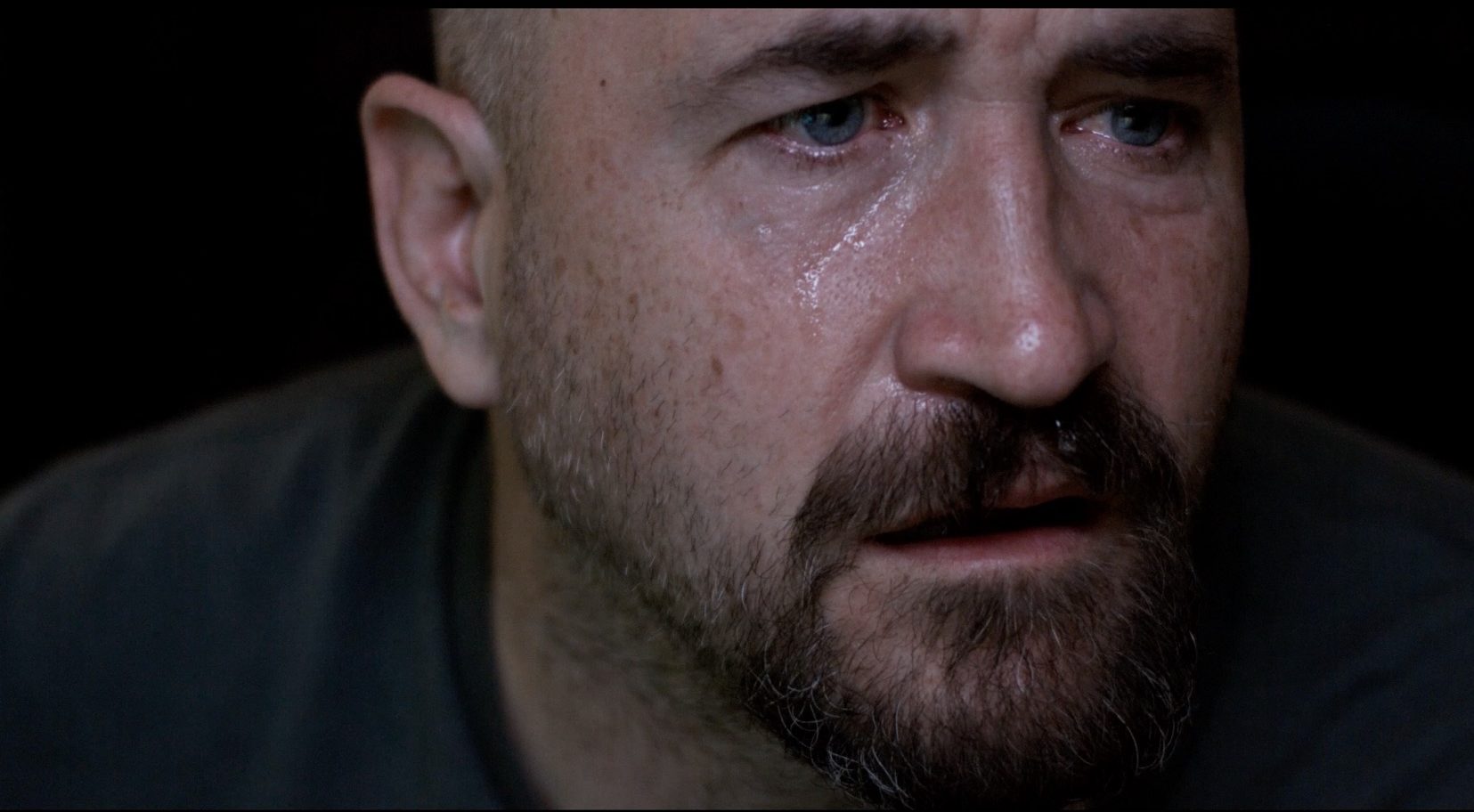
The gem of âPartitioned_Heartâ is the acting of Mitchell, who manages to impart – with little but facial acting and speech – the emotions of a grieving father we quickly identify with. The film, written by Morris, gives him an edge and a heartbeat, touching on his emotions and inability to let his son go, while also adding an additional layer when his son, more tech savvy than he, must walk him through how to âdeleteâ the program and terminate his existence. You get the impression that Rob didnât put Daniel into the program, but yet he canât let him go. But what father could? âI canât let you die!â Rob entreats. âI am dead,â Daniel responds, with both anger and pain. âIâm just talking to you. Thatâs the only thing I can do anymore.âÂ
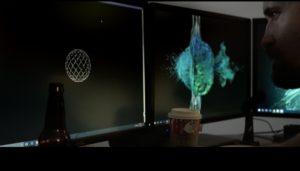
The filmâs cinematography is done by Brian Seo, and for a film with such wide emotions, is photographed simply, focusing on angled shots of three computer monitors and close-ups of Robâs face as he goes through the impossible emotions he must face. Danielâs identity is handled well too – heâs encapsulated in what looks to be a stationary sphere that resembles a cross between common computer screensavers and early DOS programs. A blinking dot next to this sphere indicates he is âalive.âÂ

But âPartitioned_Heartâ is a good film. It flows easily, is filmed well, and features nice performances. Itâs a film thatâs easy to digest, and deals with real emotions while packaging them in a unique way weâve not seen before. Morris has produced a good project here, and Iâd be eager to see more from him in the future.Â
– by Mark Ziobro


