





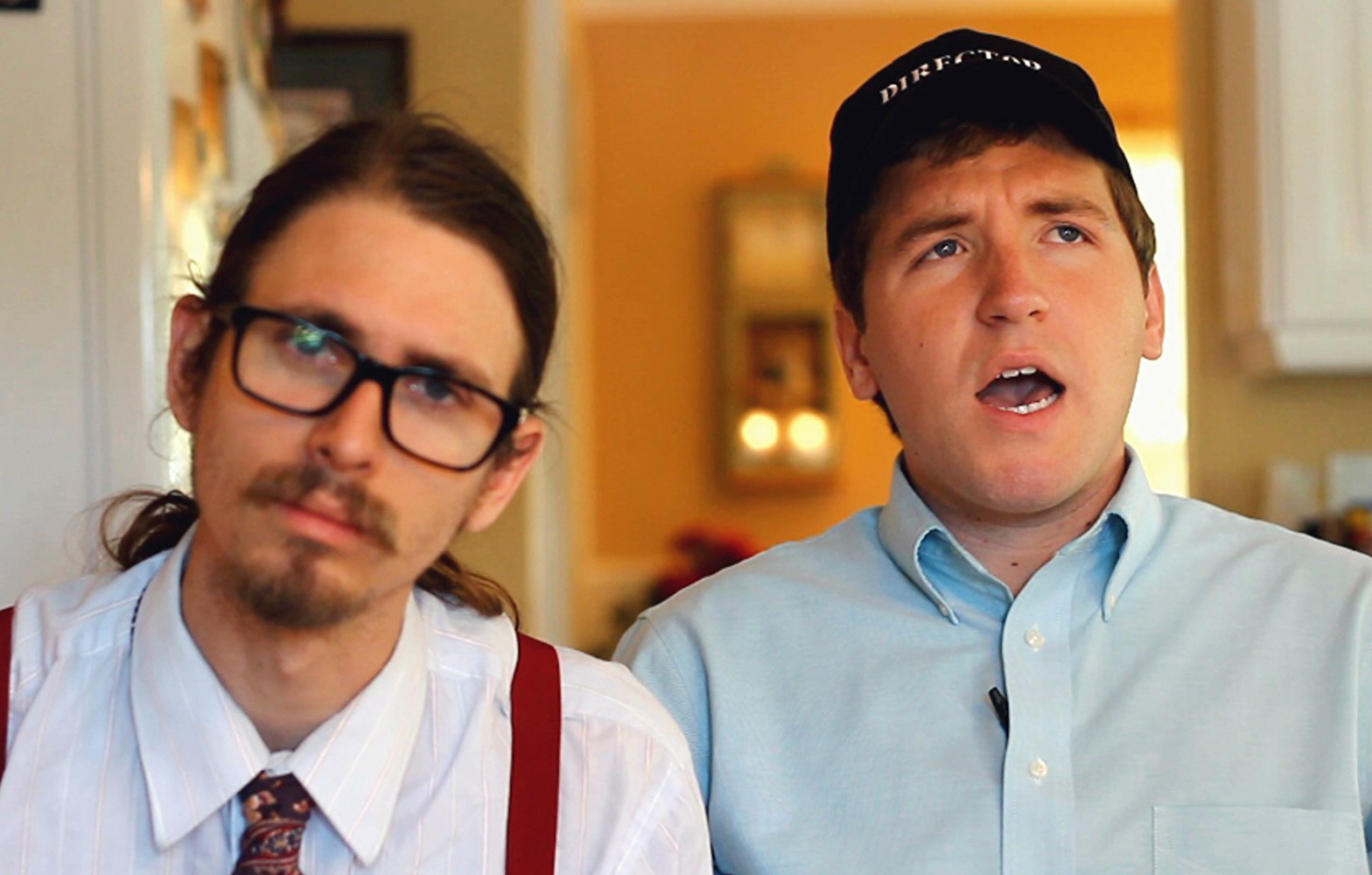
âWe Make Moviesâ is an independent film written and directed by Matt Tory. Tory, who has seven writing credits to his name, including 2013âs âThe Familyâ and the 2014 short âOut of the Blue,â tries his hand at a mockumentary-style film here, with mixed results. âWe Make Movies,â as other critics cite, is lighthearted, and does its best to paint layers of friendship and camaraderie throughout. It succeeds moderately. The filmâs characters are likable, even Toryâs narcissist type âStevphen,â though he tries awfully hard not to be. But the film falls a little flat. Acting wise the film is hit or miss, itâs overlong at 1 hour and 51 minutes, and lacks the kind of in-depth introspection or humor that makes films like this successful.
I read a number of reviews of âWe Make Movies,â and many liken Toryâs Stevphen to Steve Carrell in âThe Office;â and I suppose they are correct. I feel that fans of that show, or of Carrellâs dry, oblivious narration, are the audience Tory was going for here. The basic plot is that Stevphen is making a movie, itâs called âA New Don: The Inspiring Story of How the Presidentâs Nephew Fell in Love, Saved a Nation, and Found His Way Home.â This long-titled movie is not to be taken seriously, but itâs production is, albeit in a mocking way. âWe Make Movies,â loosely tied together, is a comedy about the hijinks that can, and do, unfold during the making of a low-budget movie. Along the way the actors starring in the film grow, as do tempers, frustrations, and, by the end, their friendships.
For a film produced on a low budget, âWe Make Moviesâ features capable cinematography. Itâs filmed by Austin Duncan and Jodan Hopewell (the latter who plays one of the main roles in the film) and is crisply digital. We see a lot of interesting filming locations throughout the movie, such as a (seemingly) deserted ranch house, a scathing desert, and a quaint countryside. Thereâs not a lot of play in the way of lighting, closeups are fresh and clear. It makes for a more engaging picture; sometimes with indies, especially ones with low budgets, clarity of picture can become a concern. This is definitely not the case with âWe Make Movies.â


Itâs also through the filmâs cinematography that we discover its strongest asset, which is the acting of Tory, and the sense of camaraderie that he was able to elicit from the other actors. I was impressed with Tory, especially during closeups, in his ability to come across strong and natural. Even when the film breaks from the traditional âmockumentaryâ aim, Tory shows strength. One scene between he and Hopewell, as Tory describes feelings he may have developed for a cast member, hints at a deeper treasure to âWe Make Moviesâ that unfortunately the film doesnât take any time to develop.
Itâs laughs its makers are after. They seem to seek these by dredging certain characters through the mud, showing Stevphen explode into tirades about the cast ruining his perfect film, or by showing inter-cast skirmishes that âWe Make Moviesâ provides and offers as entertainment. Unfortunately, the humor mostly falls flat, as we donât really know enough about the characters to feel for them. We feel for Stevphen, as narcissistic as he is, because we do know him. However, the rest of the cast feels painted incredibly thin. Thereâs the best friend (Hopewell) whoâs maybe taken guff from the director for long enough. Thereâs the âtalentâ (Zack Slort) who takes every chance to let everyone know how good he is. And thereâs a friend (Jonathan Holmes) and a new girl, played by Anne Crockett, who stay on Stevphenâs good side as long as they donât get in the way of his production. Stevphen yells a lot; itâs intended as humor, but by the filmâs unavoidable âweâve had enough scene,â weâve seen it coming from a long way away.

I watched âWe Make Moviesâ off the heels of another mockumentary, âCon,â directed by Bertie Brosnan. That movie deals with serious material; âWe Make Moviesâ does not. Itâs not deep but isnât intended to be. It will mostly appeal to those in the throes of making a low budget film, or those who closely follow the indie circuit. Other audiences, who may be looking for a deeper or laugh-out-loud film, may find harder footing.


