âGo to hell, you damn moon.â This has to be my favorite piece of dialogue in this film, âThe Long Awake,â which is a short directed and produced by Boston-area filmmaker Evin Charles Anderson. âThe Long Awakeâ is just that â a story of a man, who we discover, is in the seemingly tail end of a 59-day stretch of being the only man in Boston (or possibly the Earth?) who is still awake as others sleep during an endless night. A departure from Andersonâs pervious screenwriting effort âPaperthin,â also released this year, âThe Long Awakeâ offers food for thought as we follow its lone protagonist throughout.
While âPaperthinâ was directed by a man named Trent England, Anderson here takes the helm, and it shows with the filmâs opening, which is engaging and captivating. The film opens to the blackness of night, scored by low droning bass and techno, which sets the film starkly apart from âPaperthinâ which opened with an interior monologue. A couple of streetlights flickering show us the once busy streets of Boston filled with parked cars, but devoid of people. âItâs nightâ¦itâs been night for a very long time,â a voice narrates; and both the music and the cinematography help us to believe that.
One of the struggles of the movie is that itsâ lack of exposition becomes evident early on, as its lone narrator wanders through pitch darkness after pitch darkness attempting to find one other awake person. The film also fixates on a lone shack, a placard reading âEmployees Only,â which this stranger, dubbed only âThe Wanderer,â arrives at time after time. He muses. Why is it always night? Why does this walking stick, which I constantly throw into the darkness, reappear each night? Certainly, âThe Wandererâ looks haggard; but I questioned the need to devote time to this cabin, or the reappearing stick with such intensity.


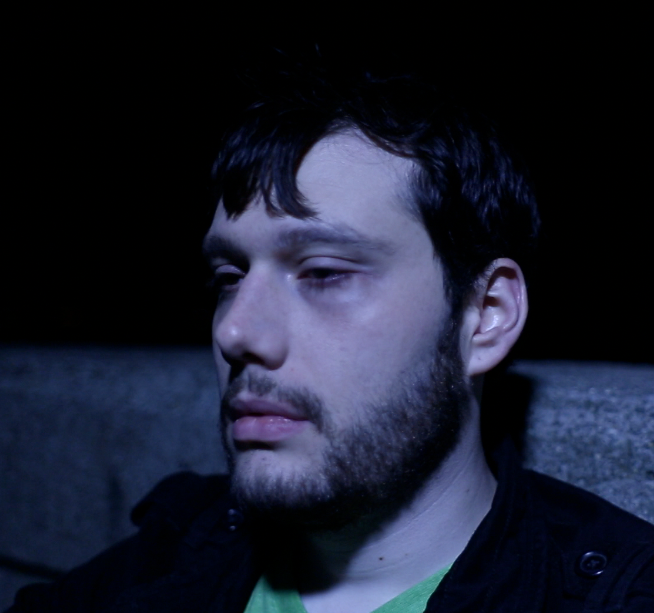
There are several homages contained within this film, and you can tell Anderson and Writer Stephen Walshâs clear inspiration from films that came before. âThe Long Awakeâsâ eerie shot of empty Roweâs Warf practically exudes Cameron Croweâs fantastic shot of an empty Times Square in the intriguing âVanilla Sky,â as well as one-sided dialogue âThe Wandererâ has with motionless people reminiscent of the wonderful âI Am Legend.â Watching both of Andersonâs films, itâs also clear of his devotion to record-keeping, as âThe Wandererâ here chronicles his experiences in a journal, much like actor Elsa McLaughlinâs character âSusanaâ from âPaperthin.â Additionally, Anderson and Director of Photography Tatiana Ivan show âThe Wandererâs diminishing health and alertness with little to work with in the way of special effects. One fantastic shot shows âThe Wandererâs heavy eyelids cast in the light of the moon, which soon becomes the protagonistâs enemy. The filmâs ending, while offering a scene of wonderful emoting from Anderson as well as a cliffhanger (not to be spoiled here), does a fair job of helping you to understand its protagonistâs clearly desperate frame of mind.

– by Mark Ziobro