



Mary Harronâs 2000 film âAmerican Psychoâ isnât a horror movie. Not really. But it does feature an axe murder, and a crazed lunatic running around an apartment complex naked, operating a chainsaw, so it can definitely be filed under horror, piled on top of social satire. The film, starring then-relative newcomer Christian Bale, is a period piece, a criticism of â80s yuppie greed, and a manâs supposed bloodlust born from severe ennui. Itâs also based on the novel, a cult classic by Brett Easton Ellis (âRules of Attractionâ), albeit a more toned down version. Had it stuck to his novel, the film would easily have had to have been rated NC-17.
âAmerican Psychoâ follows the exploits of Patrick Bateman (Bale), a 27-year-old multi-millionaire who works in Mergers and Acquisitions. The film paints the laid back, materialistic, entitled lives these mean lead. Its opening portrays emotionless waiters informing guests of specials, daintily dressed women eating rich deserts with white gloves, and a group of Wall Street types reveling in the relative low cost of tonightâs meal. âOnly $570,â one utters.
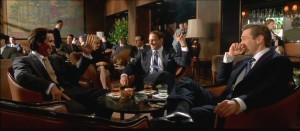

What the film does is to submerse viewers in its â80s subculture and rich, upscale life with seamless ease. Tape decks blare Robert Palmerâs âSimply Irresistible,â its wealthy elite dance to INXS in trendy nightclubs, discussing topics ranging from the AIDS epidemic to Glastnost. Bateman and his entourage are all obsessed with the latest fashions, such as Brooks Brothers suits, Oliver Peopleâs glasses, and envy each other with passive-aggressive spite should one dress better, or god forbid have a better haircut than the other. The best instance of this shines as Bateman pensively monologues an agonizing torture over his friend Bryce preferring anotherâs business card to his.
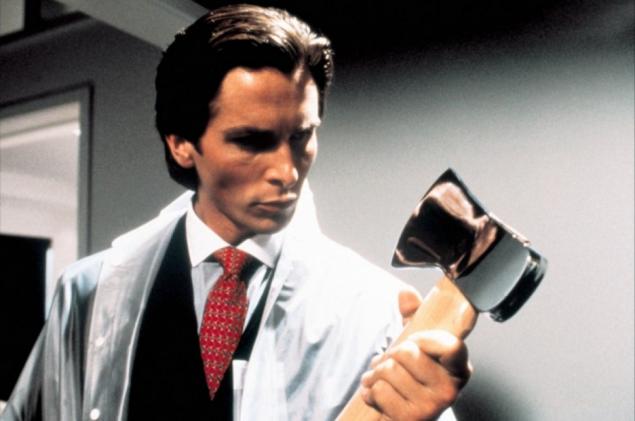
The filmâs cinematography is pristine and clean, shot by Andrzej Sekula, responsible for other crime stories such as âPulp Fictionâ and âReservoir Dogs.â Everything in the film, from its characters apartments, to their offices, to their look and countenance is crisp and bright. And the filming style is unique, using Bateman as narrator to the wealthy yet boring life these people lead, his only escape his pathological fantasies and murderous escapades that line the filmâs run-time. Sekulaâs attention to detail is precise, casting bright rays of light upon the filmâs days, and dark, somber notes on the filmâs nights. And while the filmâs most horrifying sequence involves Batemanâs supposed murder of a fellow colleague, his incessant lecturing on the greatness of artist Phil Collinsâ career, while donning a white, see-through rain slicker and grabbing a glistening silver axe causes a degree of separation from the material that follows.


Other actors, such as Chloë Sevigny, who plays Batemanâs secretary, and Josh Lucas, who plays fellow Wall Streeter Craig McDermott add to the film as needed. Justin Theroux, who plays Timothy Bryce, is probably the most capable aside Bale. Whether purposeful or not, as Bryce was the most compelling character aside Bateman in the novel, remains to be seen. And we even have the dynamic Willem Dafoe who makes an appearance as a police detective who investigates one of Batemanâs murders. None of the characters steal the show, but add to an engrossing portrayal that Director Mary Harron tries hard not to veer from. If Easton Ellisâ novel was about murder and lust, this film becomes instead about greed, avarice, and the dangers of waltzing through life in resigned misery.
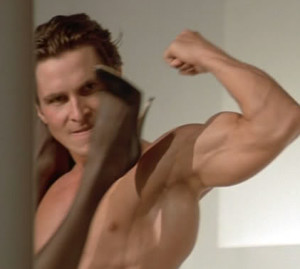

âAmerican Psychoâ is a solid effort, not a perfect film, but one that attempts to comment on society in a clever way while disguised as a period piece. An â80s soundtrack dates it, but doesnât quite cause the film to wash over you as much as an original score might have. Competent acting and direction propel it along, even if the ending leaves more to the imagination than audiences may have liked. While not an out-and-out horror or slasher film, some sequences will doubtless scare audiences, while at the same time providing food for thought on the motives, and life, of its elusive antagonist.
– by Mark Ziobro