All you need is one good shotâ¦â Golf Pro Roy McAvoy narrates to a client. And thatâs all it takes for “Tin Cup,” Ron Sheltonâs 1996 golf comedy, to get our attention. For golf lovers, the movie fosters in all the joys, frustrations, and anguishes of golf â from hooked shots, water hazards, sand traps, and four-letter words, all while setting the stage for romance, comedy, and a comeback tale. Almost. Golf isnât about the bad shots, however; itâs about that one good shot, a lesson McAvoy knows well. Part comedic romance, part reclaiming yourself story, âTin Cupâsâ failed golf pro leads an ensemble cast that is likeable, a story thatâs humorous and loveable, and, under it all, a look at demons you just canât conquer.
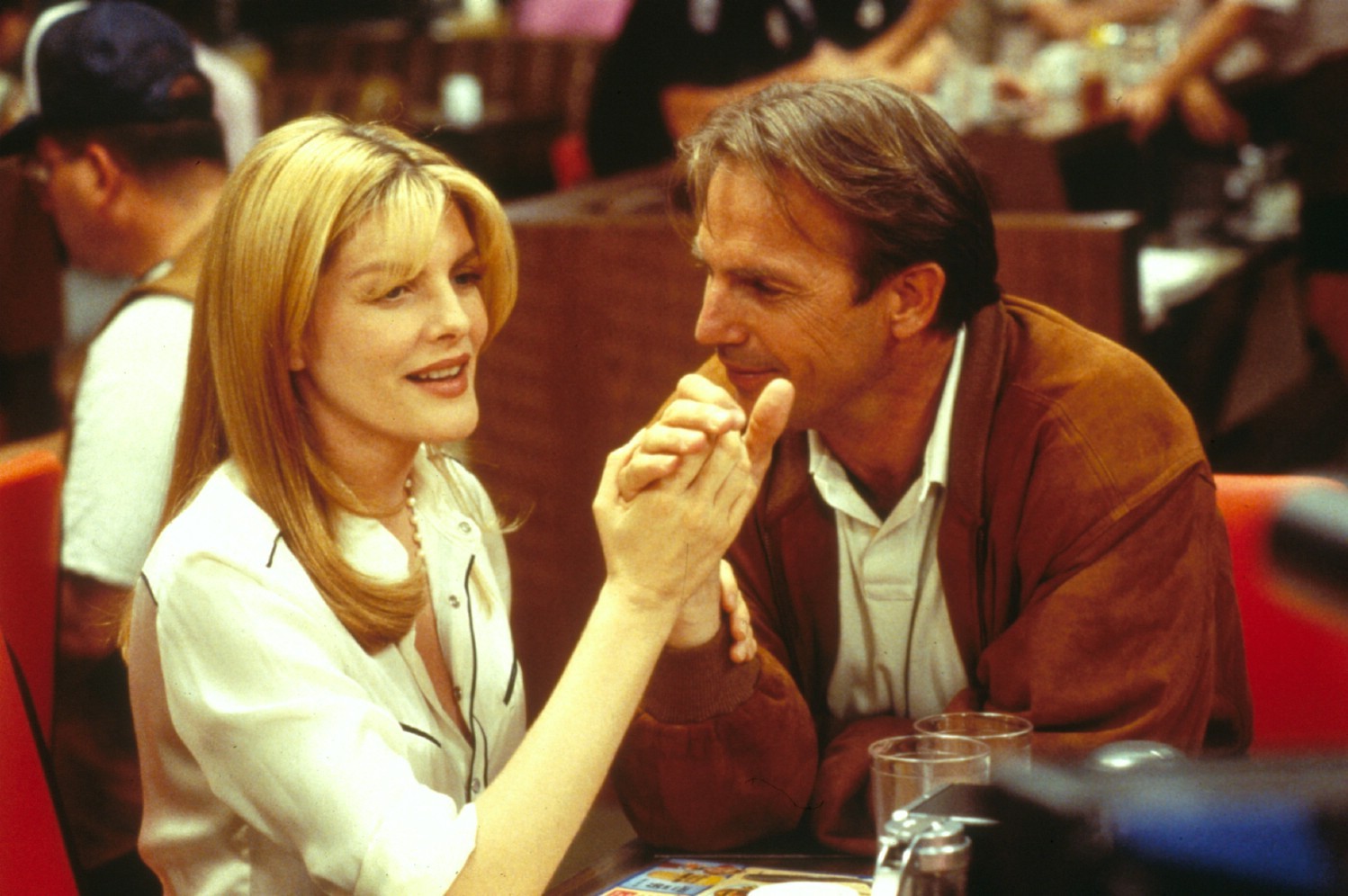
Kevin Costner plays the titular Roy McAvoy or, Tin Cup, a once hopeful golf pro who owns a run-down driving range with virtually no clients. That he meets a woman (Renee Russo) who he soon falls in love with (incidentally his only customer) at the range, that she has an obnoxious boyfriend who has something of a history with Roy (âMiami Viceâsâ Don Johnson), and that Roy has three loyal roadies, who stand up for him, drive him around, and tickle his ego is only part of the charm of this film. While some golf movies teeter the brink of pretention, or focus too heavily on lofty competitions, âTin Cupâ is not so much about the game, but why people play it, and why they just canât put away the clubs after the worst game of their lives.
The film is carried almost solely by its characters, as I couldnât imagine anyone other than the filmâs cast playing these roles. As Tin Cup, Kostner is pleasing, the kind of goofy-yet-loveable underachiever the women in his life think they can change. Chock full of bravado and talent, Cup has the physical game required to be great, but not the mental game required to get there. Costner brings a charm to the character that seems as easy as it is natural. And then thereâs Romeo (Cheech Marin), a perpetually single man who is Cupâs best friend, even if it causes him many a sleepless night. Marin and Kostner form a bond during the film that feels nothing short of an authentic friendship.
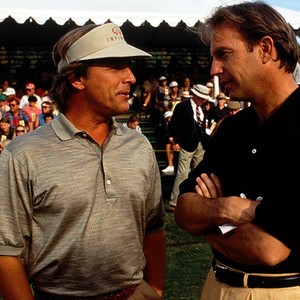

While predictable, the filmâs love triangle between Johnson, Russo, and Kostner works as a plot device to help Roy face his demons from his past, even if he canât exactly conquer the ones from his future. Johnson here owns the villainous role of rival golfer David Simms with a fervor that makes you feel Johnson must really like playing this role. Simms is as sure of himself as Roy isnât; the two play off of each other in interesting ways during the film, especially during tournament play that shows how good Roy can be â if he can only get his immense ego in check.
Russo here is charming as well, and plays Davidâs girlfriend/Solome town psychologist with ease, who strikes up a kinship (and maybe more) with Tin Cup after she signs up for golf lessons. Leaving more serious roles behind such as âOutbreakâ or the sports drama “Two for the Money,â Russo is charming and extremely likable, especially during scenes where Roy and David fight for her affections (such as a trick golf shot taken from a crowded bar, or Royâs seeming inability to ever play it safe when he has a chance to go for the win). Kostner and Russo fall into an easy rapport, making the relationship seem awkward and real, where in the hands of less capable actors could have come off as forced.
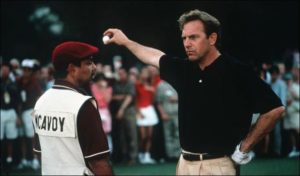

âTin Cupâ also avoids the predictable conclusion many movies of its ilk follow. While its characters learn some lessons along the way, they donât save each other from themselves â itâs not that kind of movie. Sometimes it takes crazy to meet crazy. âTin Cupâ is about finding the people that make your life better and holding on. With a fairly competent story, good acting, and likeable characters, âTin Cupâ is a good throwback movie that reminds you that good comedies are made of heart and not raunch, as many modern films tend to forget.
– by Mark Ziobro