





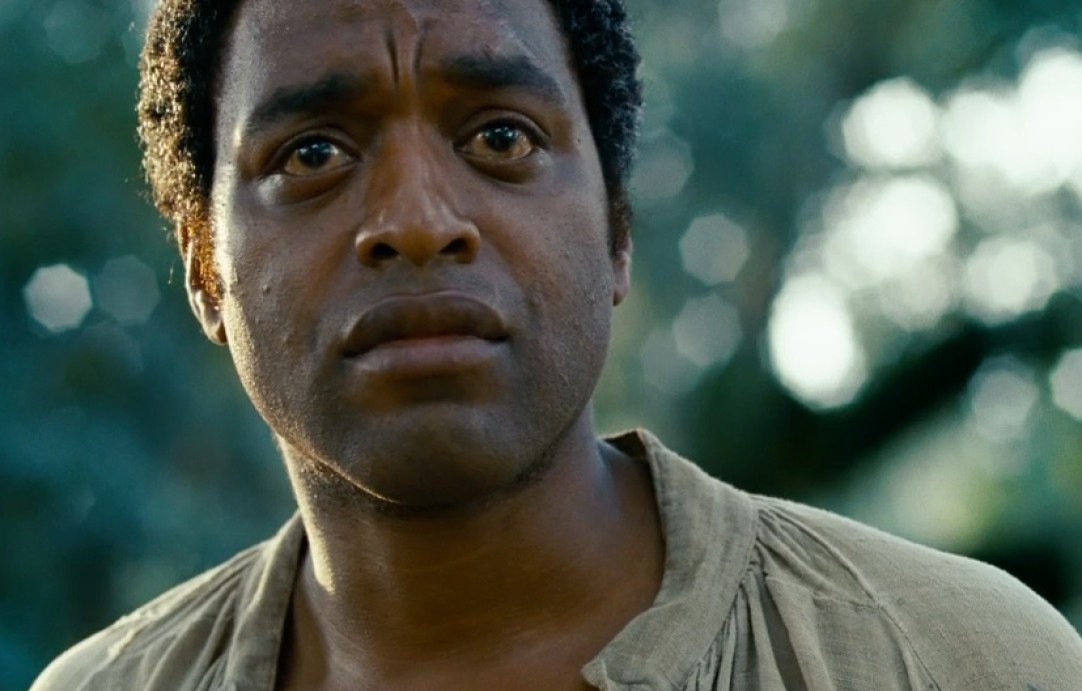
Imagine youâre at home enjoying your life as a free black man in upstate New York. Your beautiful wife and kids go away for two weekends, and when two men approach you with an opportunity to make some money, why not say no? One couldnât predict that by saying yes to making a paycheck, they would then be drugged and sold into slavery. Thatâs exactly what happens to Solomon Northup (Chiwetel Ejiofor), a real person sold into slavery in 1841.
The premise is part of what makes “12 Years a Slave” such a powerful film. In any case, anyone being uprooted from their life is a terrifying reality, even today. Back then, it seems that many were more clever than staging a home invasion. Solomon is stabbed in the back by business partners he trusted, portrayed here by Scoot McNairy and Taran Killam. This film might just be the one to open peopleâs eyes as to why the black people of today are so protective of their rights.

Itâs an educational feature, and the most powerful film of the year. Itâs one of my favourite slavery films as well, at least for educational purposes. Iâd give this a re-watch with pleasure, which would also allow me to watch a few scenes again that I didnât comprehend completely. I prefer Quentin Tarantinoâs “Django Unchained,” but that film and this one cannot be more different in tone. âDjango,â to sum it up in so many words, is an entertaining treat. Another similarity is that both films probably hit the 100-mark with using derogatory statements, mainly the âNâ word. Paul Dano might have said it about 40 times it one cruel Southern tune.
John Ridley (Director of âAll is By My Side” which I didnât like) adapts Northupâs 1853 novel very well, and director Steve McQueen knows what makes humans tick. This film is the platform for a harrowing odyssey of a manâs bravery and will to survive. Solomonâs drive is his family; and he is making sure he does not sink into despair by keeping their memory alive. While he doesnât know if heâll ever see them again, he tries to be as cooperative as possible in order to survive â which isnât very easy at times, when he cares about fellow slaves. One of his friends is a woman named Patsey (Lupita Nyongâo) who plays a critical role in the film. He meets her on Edwin Eppsâ plantation/farm.
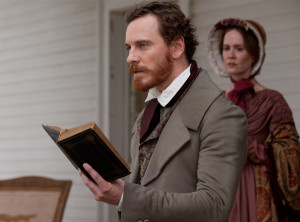
Epps is portrayed by Michael Fassbender in a haunting, villainous performance. Donât be surprised to get chills from him in a few scenes. Epps is known famously in those parks for breaking his slavesâ spirits, it seems â even if his wife (Sarah Paulson) thinks he could do a better job. He is a malevolent soul, and he makes a previous slave owner of Northup (Ford, portrayed by Benedict Cumberbatch) look like a saint â and he already was a very considerate man. Northup meets several characters on his long journey, helping this film have a star-studded cast, even if some big-name actors have about seven minutes of screen time (like Brad Pitt, Paul Giamatti, and Garrett Dillahunt â to name a few).
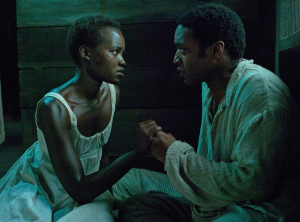
The filmâs power is greatly prominent in Ejiforâs performance, as he tries to hang onto his humanity, not give up his hope, and not sink into despair. Many slaves give up much faster than Solomon Northup, but he has something to fight for; and thatâs what makes this film so inspiring and moving. It also helps it become an unforgettable experience.



2 Comments
You have a list of slavery films .
Pingback: » Non-Stop (PG-13)