





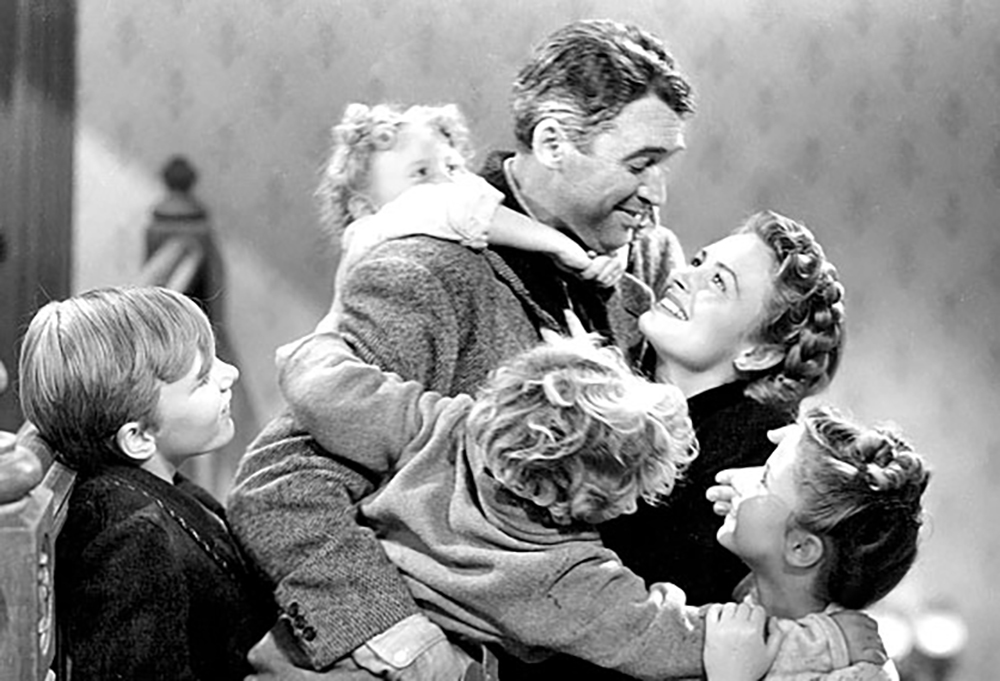
Christmastime is known for promoting a virtual legion of holiday, feel-good movies. The modern gamut of Hallmark Christmas movies, or t.v. specials, aptly reflects this, both in their abundance and the lessons they contain. However, the modern era doesnât have singular rights to these types of stories; such literature classics as âA Christmas Carolâ (1843), or âThe Gift of the Magiâ (1906) show how thoughtful, touching Christmas lessons have been a part of holiday culture for centuries. In this vein, Frank Capraâs 1946 Christmas hallmark, “It’s a Wonderful Life,” though melancholy at times, is both a thoughtful and endearing look at humanity and the lasting impressions people have upon each other.
Based on the short story, âThe Greatest Giftâ by author Phillip Van Doren Stern, âItâs a Wonderful Lifeâ stars James Stewart as George Bailey, a young man who dreams of having the world by his bootstraps, but finds, during his 30s, his world closed off to him as a result of monetary constraints, family obligations, and dreams that never came true. On Christmas Eve, the once affable man is found standing on a bridge, thinking of committing suicide, when he is stopped by a stranger who turns out to be an angel. Making a wish that âhe had never been born,â the angel obliges George, showing him a life in which he had never existed.
âItâs a Wonderful Lifeâ has a lot going for it, first and foremost the originality of the material that has since been duplicated with a plethora of movies since its release. Movies such as “The Family Man” (2000), and even the somber 2006 movie “Click” have attempted to duplicate its message of âwhat would life be like ifâ in their presentation. Filmed in black and white, the movie is a testament to itâs time period, featuring a quaint and idyllic village in Bedford Falls, a respected everyman in the character of George Bailey, and an aged soundtrack to match, featuring songs like âBuffalo Gal Wonât You Come Out Tonightâ â written as part of the original score.
The character development in the movie is particularly well done, especially George Bailey, whom we see has suffered a life of ups and downs but still preservers. Thereâs an ear injury at a young age that leaves him hearing impaired in one ear, a trip around the world that never happens, and the events that lead up to his stagnation, which ultimately sees him staying in Bedford Falls, running his fatherâs business, and, an associate, Uncle Billy (Thomas Mitchell), who loses a sizable sum on Christmas Eve and puts the businessâ fate in the hands of conniving spinster Henry Potter (Lionel Barrymore).

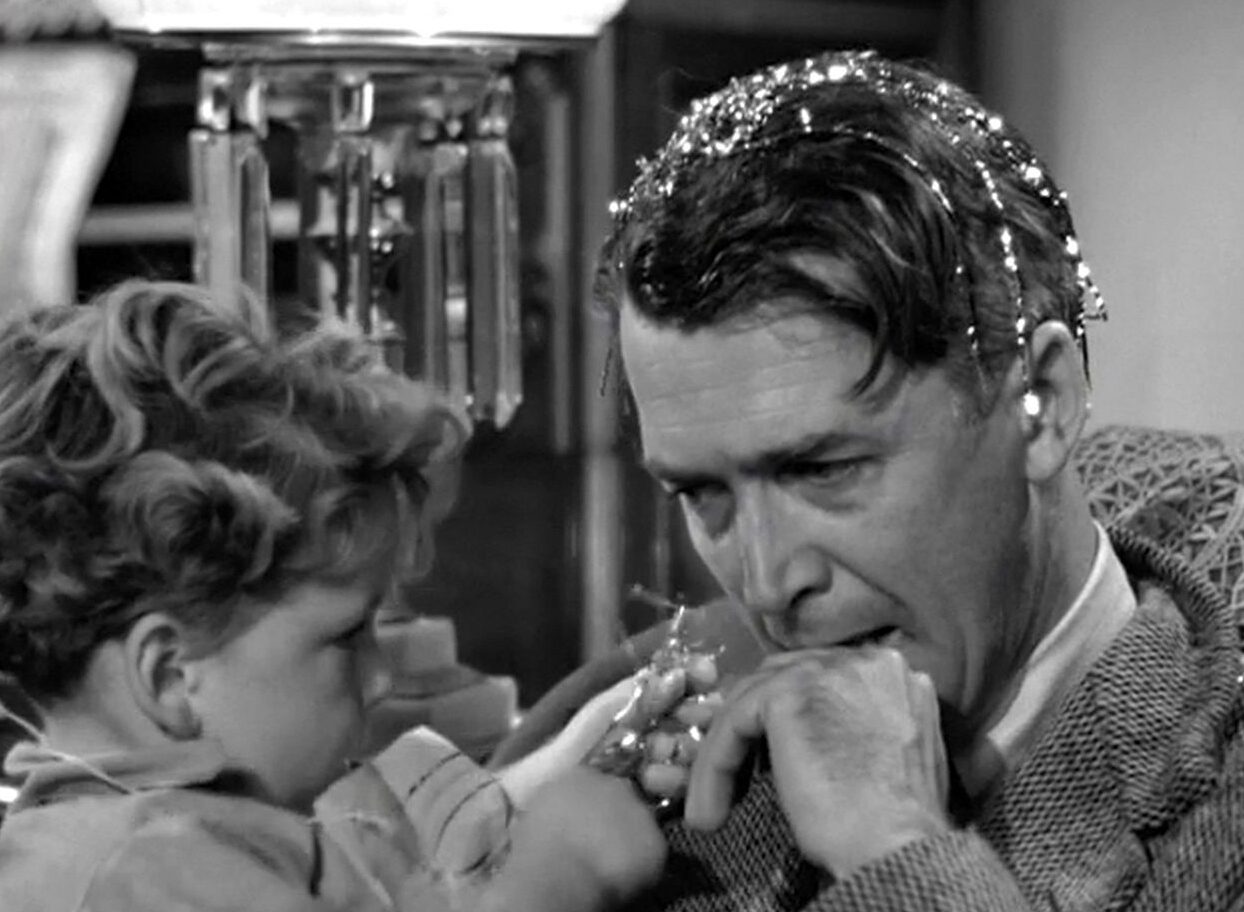
The movie is successful because of the engrossing and believable script, but more due to the performances its key actors were able to bring to the table. James Stewart, known more for the crime actioner âThe Last Gangster,â and the political-triumph âMr. Smith Goes to Washington,â gives a thorough and heartfelt performance as George Bailey. During âWonderful,â he manages to bring both sweetness and believability to George due to situations he goes through and his reaction to them.
During positive scenes, such as Georgeâs youthful spirit, or others, such as the movieâs famous scene where he and Mary (Donna Reed, in her first starring role) first meet, Stewart brings charm and fun to the character. However, more despairing scenes, such as when he snaps at Uncle Billy for losing the money, or when he confronts a bleak future without him shown to him by the angel, Stewartâs acting is real, believable, and rightly melancholic. Even though his reactions to these situations are appalling at times, they are understandable, as honest people will admit they may feel, and act, the same.
Likewise, as Georgeâs wife, Donna Reed brings a sweetness and likableness to an integral character that had the potential to slip through the cracks in the hands of a lesser actor and a lesser script. Her acceptance of certain life situations and underlying support of George comes through in scenes such as when George snaps at the kids when confronted with jail time, or when he and Mary spend their anniversary in a decrepit, rain-soaked house. As the movie is about George and the change he undergoes, her character could have been a throw-a-way, but, in Reed, thankfully became an irreplaceable part of the film.
The movie also excels in bringing to light its message of appreciating oneâs own life through excellent chemistry between Stewart and Henry Travers, who plays the angel Clarence, as well as through the situations its presents. George sees a host of mournful situations â such as the death of his younger brother, and the jailing of a local pharmacist – that wouldnât have come to play had be been alive. Further scenes, such as beautiful Bedford Falls – in Georgeâs time filled with familiesâ homes, busy streets, and community spirit â turned into an overpriced and ugly shantytown at the hands of greedy Potter, show the impact George has had on his community but had never realized.

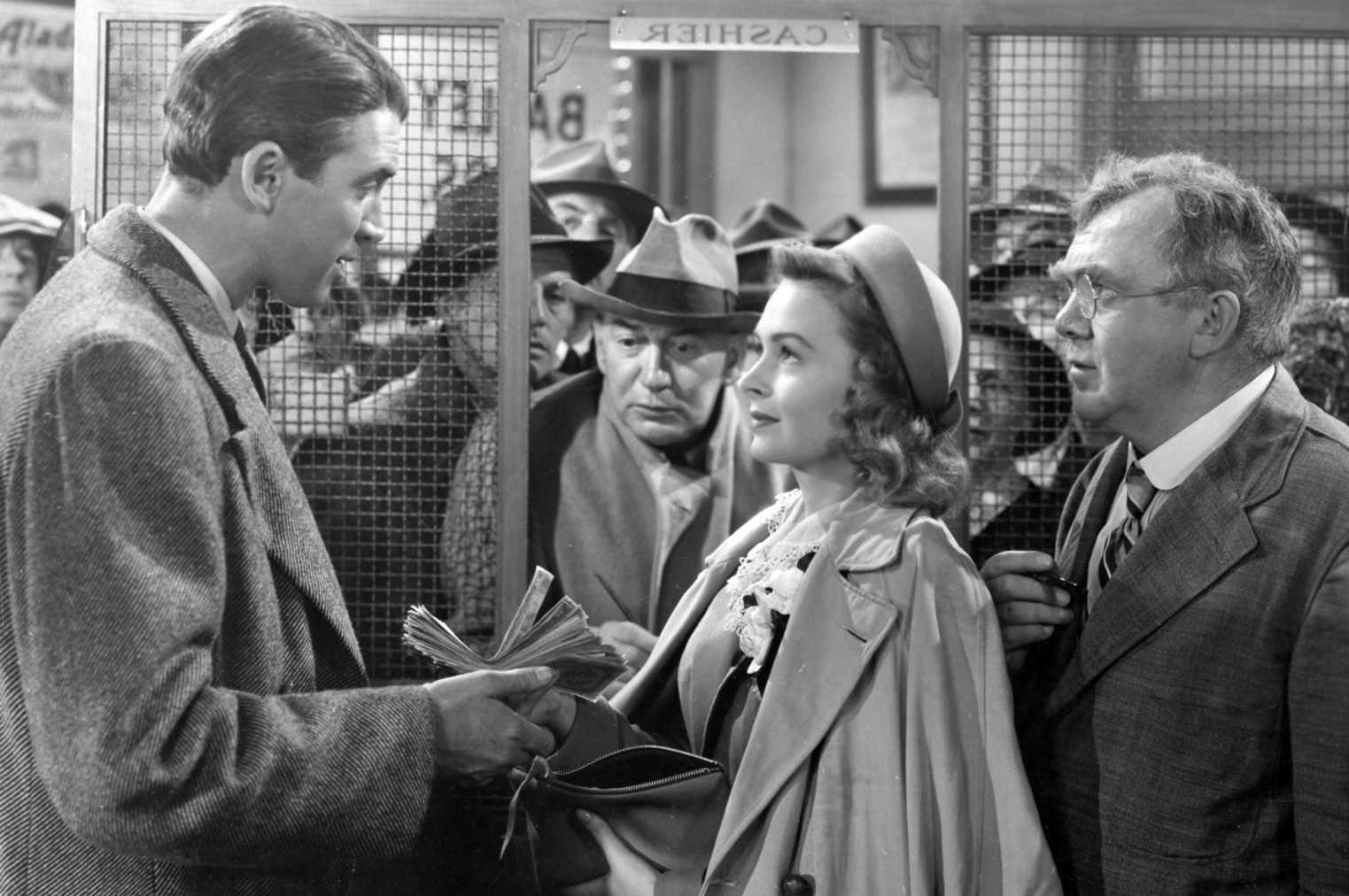
The message of the film, clear to George by the end, works on the viewing audience through its heartwarming and grounded-in-reality effect. Georgeâs financial problems arenât solved through the work of God, or through a host of angels raining down money on he and his family, but rather through the help of benevolent townsfolk who realize and appreciate the effect the Baileys have had upon their life. The movie answers an often-unasked question, âwhat is my purpose in life?â George comes to realize this as he sees the effect he has had on countless lives from both Clarenceâs glimpse, and the droves of people who show up to help him and his family when they need it most.
âItâs a Wonderful Lifeâ is a virtually inarguable classic, both because of its lessons, and the brilliant performances from Stewart and company elicited by the wonderful film-making of Frank Capra. Modern movies â Christmas or otherwise â try to embody the feeling of tone of movies such as this; however successful they are, thereâs just something about this movie that helps it to live on. Itâs a testament to the filmsâ success, and peopleâs love of it, that the film has as great a ubiquity on TV during the Christmas season as any other holiday movie produced over the years. From 1946 until today, âItâs a Wonderful Lifeâ remains one of Capraâs most engrossing films, and a film as powerful during the year 2012 as the day it was released.
*An interesting fact about âItâs a Wonderful Lifeâ from reading Roger Ebert’s review, lies in the fact that the original version, filmed in black and white, garnered much outcry by those against coloring the film for modern audiences. Stewart testified in court against this, and Capra himself issued a statement against coloring the film (now public domain), from his bed while sick. Thereâs something about the black and white film that is just special, just magical, which color just hasnât been able to carry over. In response to the color version of the film, Stewart was recorded as stating, âI tried to look at the colorized version, but I had to switch it off â it made me feel sick.â



1 Comment
most depressing christmas ever. rather be watching martians