âA Page of Madnessâ continues my project of reviewing horror films from exactly 100 years ago.
This 1926 Japanese silent experimental horror film was written, directed, and produced by Teinosuke Kinugasa, himself an icon of Japanese cinema.
I usually wrinkle my nose at arthouse style. But here, the barrage of chilling imagery and seemingly nonsensical characters and story work to make the horror element extremely effective.
Plot?
I wonât pretend to understand what is going on; there are no subtitles. Treating it as strictly avant garde, we open with a torrential rainstorm at a psychiatric hospital.
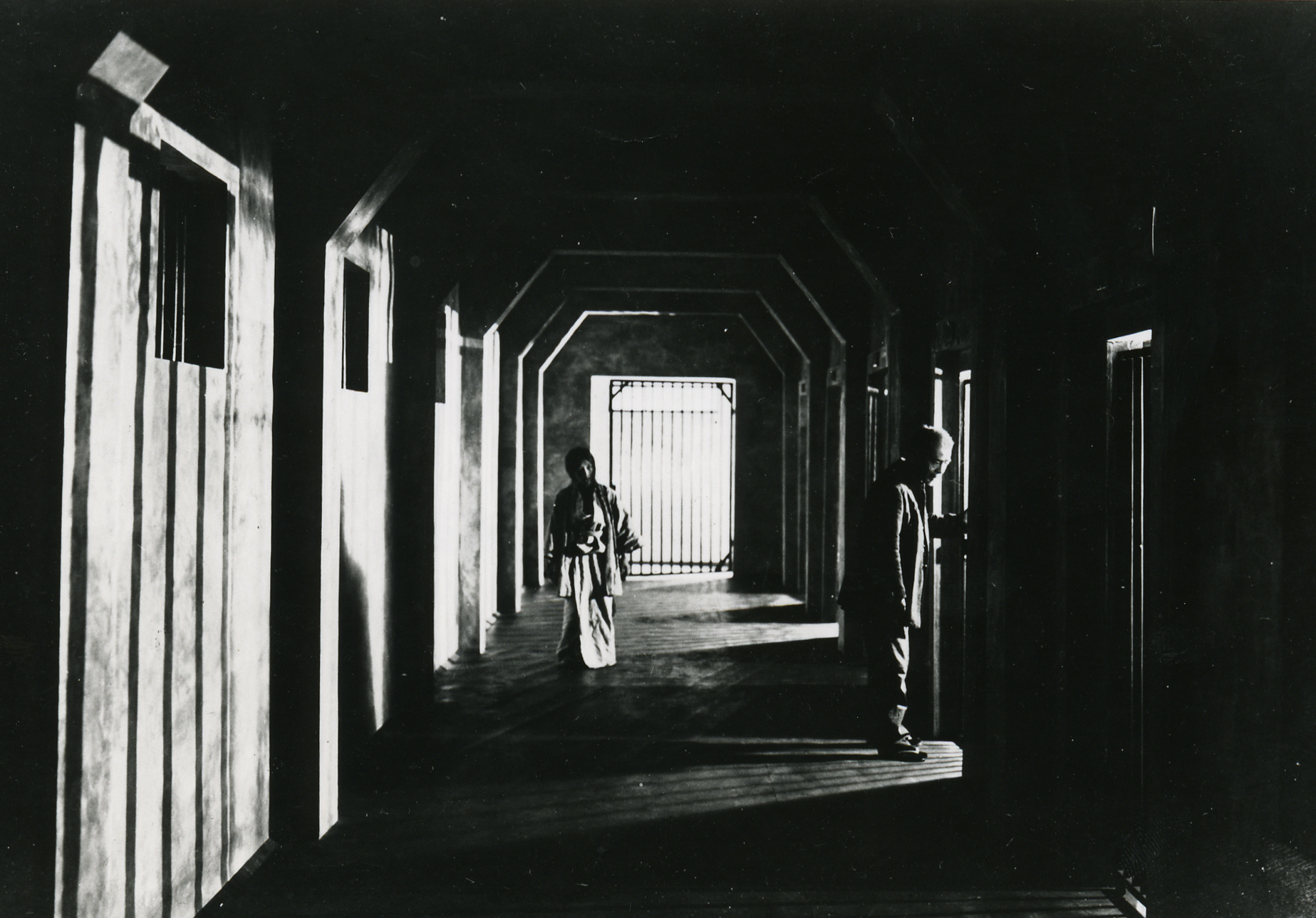
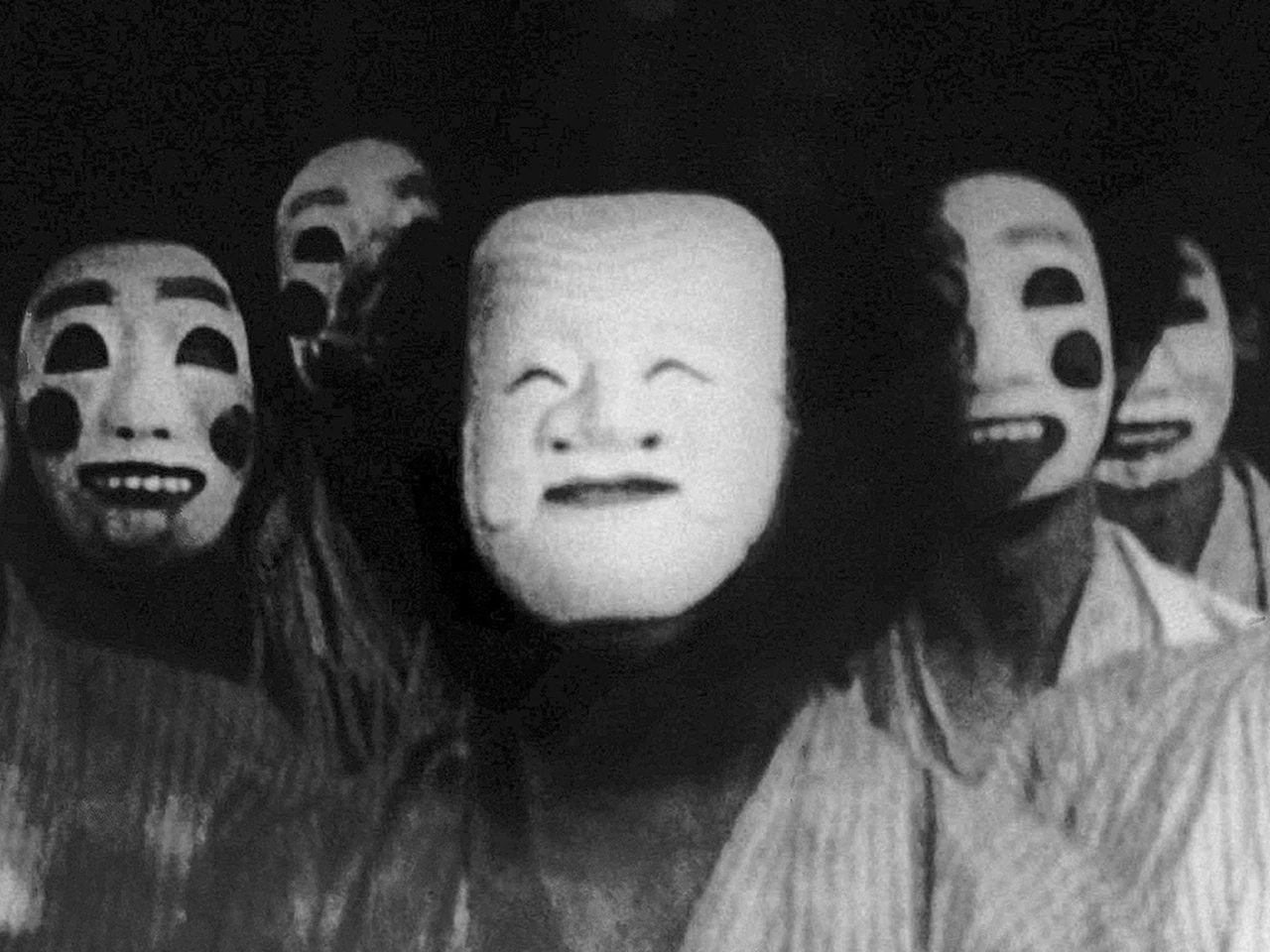
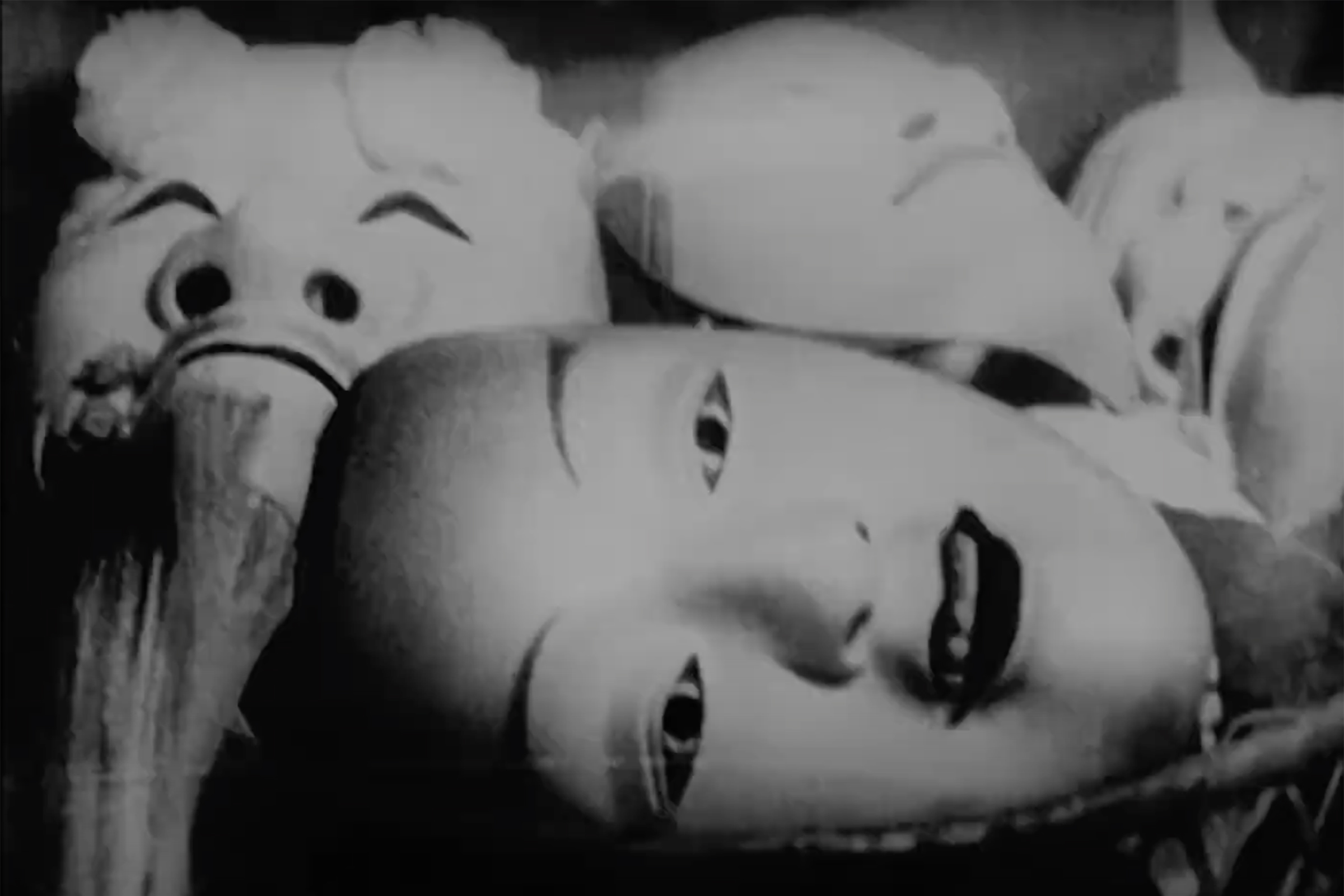
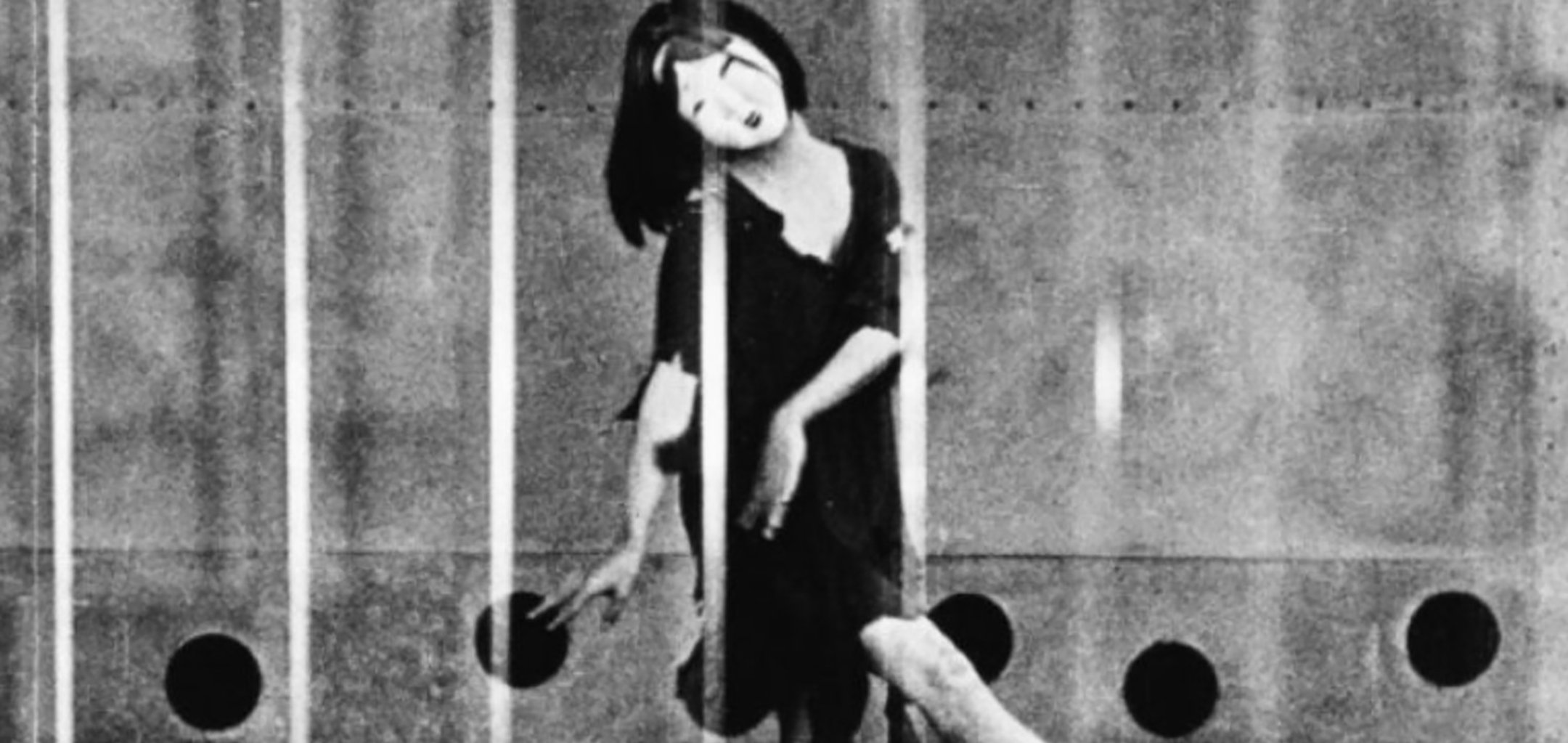
Characters are dancing in their cells, strange faces stare hauntingly at the camera, a plethora of creepy ass masks come out.
The bizarre and seemingly random images and people make the 71-minute film oddly terrifying. It moves fast and reminded me of something captors would force torture victims to watch.
It didnât matter that I was clueless, Teinosuke Kinugasaâs style kept my eyes fixated on the screen, my mouth slightly ajar. He’s a brilliant craftsman, and I would love to toast sake and talk horror with him. Kanpai!
I donât know who played who or what character was what, but I must celebrate the talent, even if most are unfamiliar names and all are long gone.
Masao Inoue, Ayako Iijima, Yoshie Nakagawa, Hiroshi Nemoto, Misao Seki, Minoru Takase, Eiko Minami, Kyosuke Takamatsu, Tetsu Tsuboi, and ShintarÅ Takiguchi.
A Reach into the Past
Its excellent quality for being 100 years old. The film was lost for 45 years until it was rediscovered by Kinugasa in his storehouse in 1971.
Japanese musician Minoru Muraoka handled the score. Itâs an outstanding counterpart, never distracting as the music from old films often does.
I highly recommend âA Page of Madnessâ for fans of visual art. Itâs the perfect film to leave playing at a Halloween party or a haunted house. Its guaranteed to raise eyebrows and generate questions.
Happy October!