





Thereâs something uniquely dangerous about reading a Fantastic Fest synopsis. A grimdark fantasy made entirely with puppets. A haunted prison movie that eventually turns into a dance film. A giant killer snake. Kristen Stewart and Woody Harrelson stuck in a hotel room while a â50s creature feature plays on a mini-DVD player. At a certain point, the programmers arenât describing movies so much as daring you to meet them on their terms.
The problem, of course, is that a great pitch and a great movie are two very different things.
That became something of an accidental theme across my first four days at Fantastic Fest, beginning with a pair of movies from certified weirdo Quentin Dupieux. “Full Phil” and “Vertiginous” are both built around the kind of ideas you can explain in a sentence and then spend 70 minutes poking at from increasingly strange angles.
“Full Phil” is essentially two movies occupying the same space. In one, Tim Heidecker and Eric Wareheim are scientists in a black-and-white creature feature hunting a sea monster. In the other, Woody Harrelson plays a wealthy father attempting to reconnect with his estranged daughter, played by Kristen Stewart, in a French hotel room. Sheâs mostly interested in room service and the movie on television; heâs increasingly preoccupied with food on the floor, a clogged toilet and the possibility that hotel maintenance might see the state of their room.
‘Fun Phil’ Starts Things Off
Somehow this becomes a movie about fathers, daughters, food and the horrors of digestion. Iâm not sure whether “Full Phil” has a lot to say or absolutely nothing to say. I had a decent amount of fun.
“Vertiginous” has an even cleaner joke: a man becomes convinced that reality is a simulation while we can literally see that his world has the graphical fidelity of a PlayStation 2 game. Everybody thinks heâs losing his mind. We can see the polygons.
The trouble starts when the movie has to do something with that realization. Like “Dream Scenario,” the premise is so good that eventually I started imagining possibilities faster than the movie could provide them. Something like “Deerskin” or “Rubber” can take an equally silly premise and keep digging until it finds something strangely sublime underneath. Neither of these movies got there for me, though both have more than enough weirdness along the way to recommend them.
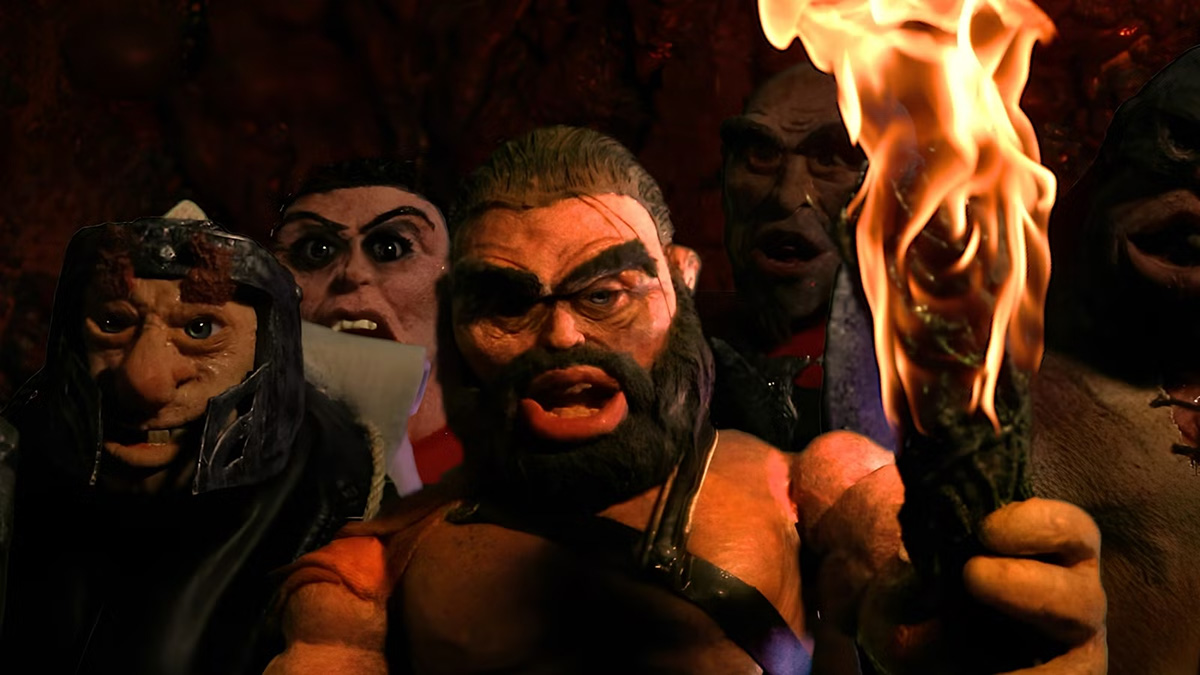
A movie being less interesting than its description became a recurring problem. “Kylgor in the Grisly Abyss” offers puppets, barbarians, monsters, severed heads and practical gore in a package that could accurately be advertised as “The Dark Crystal” meets “Conan the Barbarian.” Thereâs real craftsmanship here. I wish it were anywhere near as cool as that description sounds. Mostly, I was bored. Itâll find its audience. God help them.
‘Ghost in a Cell’ Moves
“Donkey Princess” fared better. Its handmade fantasy sequences would make Michel Gondry-headsâ hearts soar, and there are images here whose tactile beauty genuinely stuck with me. I just never cared as much about the characters as I did the things surrounding them.
And then thereâs “Beware Boiúna,” which somehow manages to make a giant killer snake boring. A giant killer snake movie should be easy entertainment for me. Instead, itâs drab, ponderous, and strangely stingy with both fun and gnarly violence. Let that big snake cook.
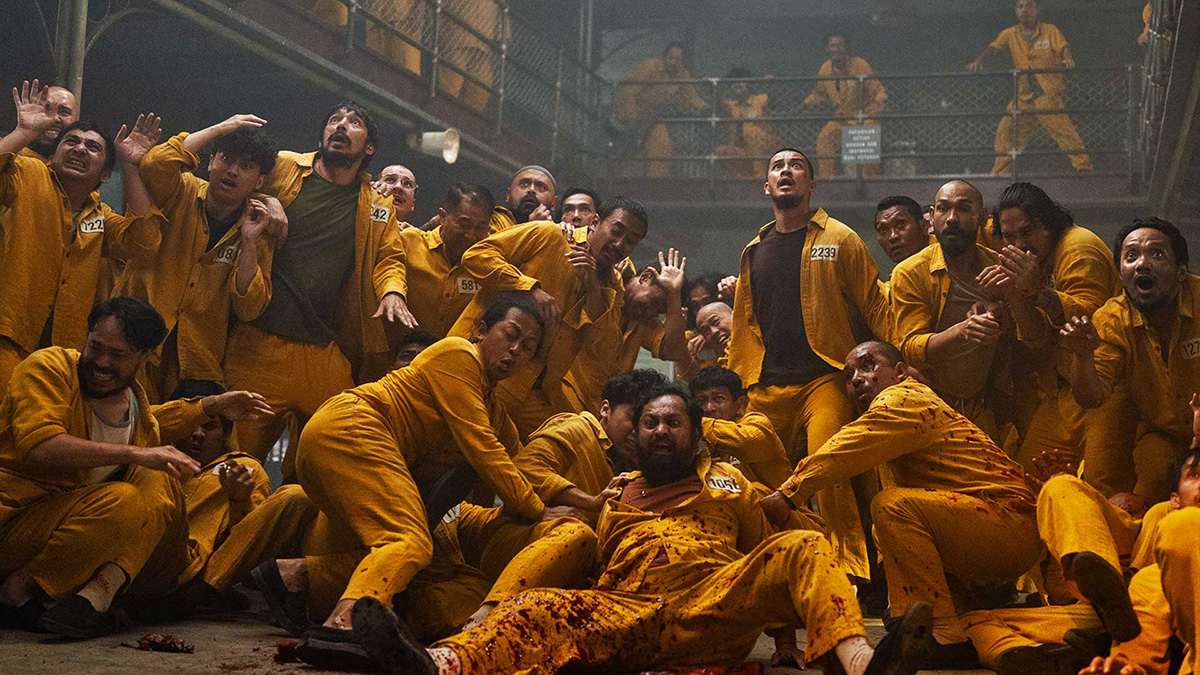
Joko Anwar, thankfully, has the opposite problem. He seemingly canât stop a movie from moving. “Ghost in the Cell” starts somewhere around Sam Raimi splatstick crossed with “Riot in Cell Block 11” and ends up as a dance movie about defeating ghosts and government corruption through good vibes and great choreography. Iâll plead cultural ignorance on some of the politics; either something was lost in translation or I simply wasnât equipped to pick up everything Anwar was putting down. Physically, the movie couldnât be clearer.
‘Resident Evil’ and the Star Power of Austin Abrams
Anwar has that Raimi instinct for letting a gag go several beats beyond the point where a saner filmmaker would cut away. Comedy becomes violence, violence becomes choreography, and eventually choreography becomes the movie. Thereâs a great prison fight where one of the inmates canât fight back without summoning the ghost, so instead he tries to will himself into happy dancing while getting his ass kicked.
I loved it.
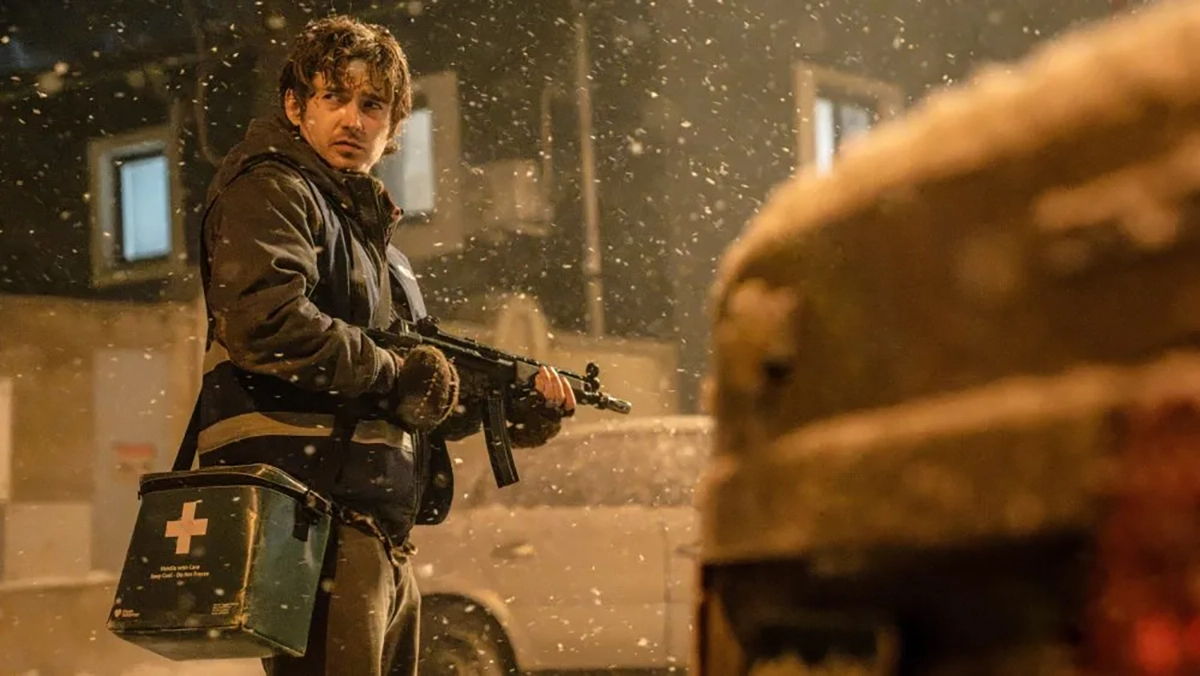
The same sense of momentum is a big part of what makes Zach Creggerâs “Resident Evil” work, although the rhythms couldnât be more different. This is basically 90 minutes of Austin Abrams having the worst fucking night of his life.
Abrams is a star. The whole movie is him.
He runs with Tom Cruise-level commitment and falls with the timing of a silent comedian. Thereâs Bruce Campbell in “Evil Dead II” in the way his body is simultaneously the vehicle for the action and the butt of the joke, and some John McClane in the increasingly battered determination to keep moving. The important thing is that the movie is funny without treating the danger as a joke. Abrams is funny because his reactions to increasingly impossible circumstances remain recognizably human.
He spends the whole movie collecting rifles and ammunition only to eventually realize that he âfucking sucks at guns.â He isnât an action hero slowly discovering that he was a badass all along. Heâs a normal guy becoming increasingly aware of his own limitations at the exact moment the movie stops allowing him to have any.
Funny Without Being Smug
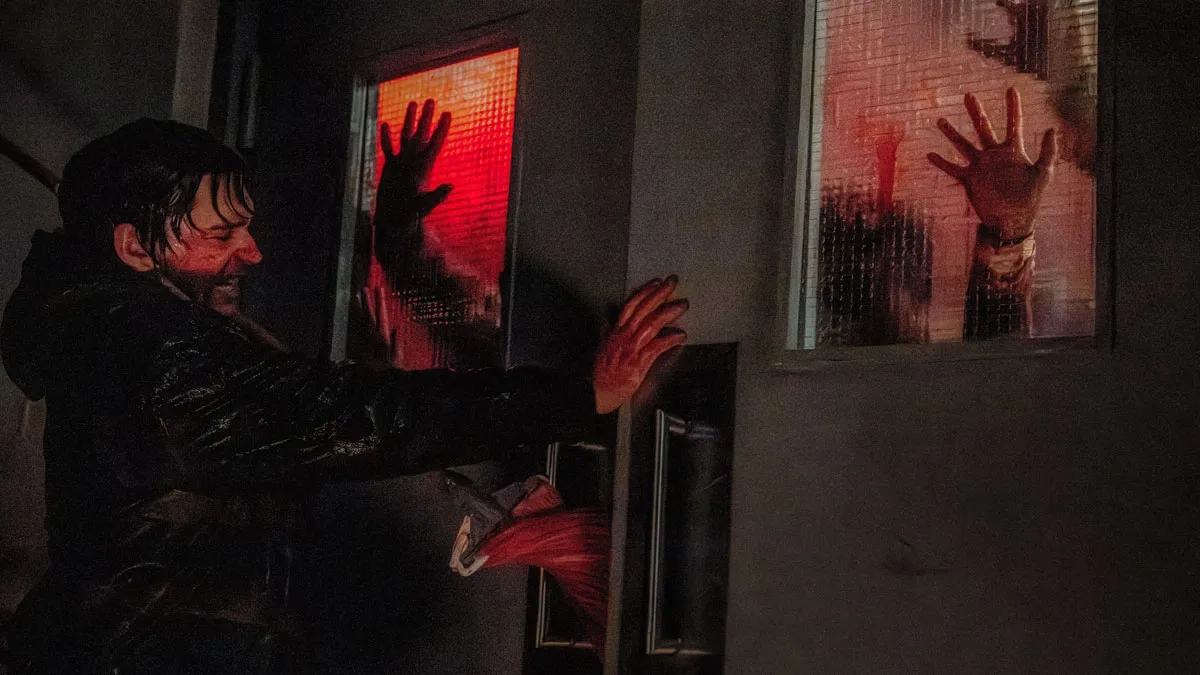
Cregger builds the whole thing around forward motion. A problem appears. Abrams survives it. Before he has time to understand what just happened, something worse is already coming. It has the rhythm of playing a survival game for the first time, except Abrams never becomes an avatar. Every fall hurts. Every victory lasts about thirty seconds.
Dariusz Wolskiâs snowbound cinematography occasionally recalled “The Crow” and “Dark City” for me, while the stripped-down genre mechanics owe something to Carpenter. At other moments, particularly when violence and absurdity collide, I found myself thinking about “Fargo.” None of those comparisons completely describe how spry the thing feels.
What I really loved is that the movie never stops to congratulate itself. Thereâs none of the increasingly common studio-comedy reflex where somebody has to make a joke to reassure us that everyone involved knows how ridiculous this is. The humor is already there in the situation, in Abramsâ body, in the filmmaking.
Funny without being smug. Violent without being grim. Stylish without constantly reminding you that itâs stylish.
I laughed my ass off. I didnât want it to end. One of my favorite movies of the year.
The middle stretch of the festival gave me a few movies I admired considerably more than I liked.
‘Death Has No Master,’ ‘Rome Elastica,’ and More
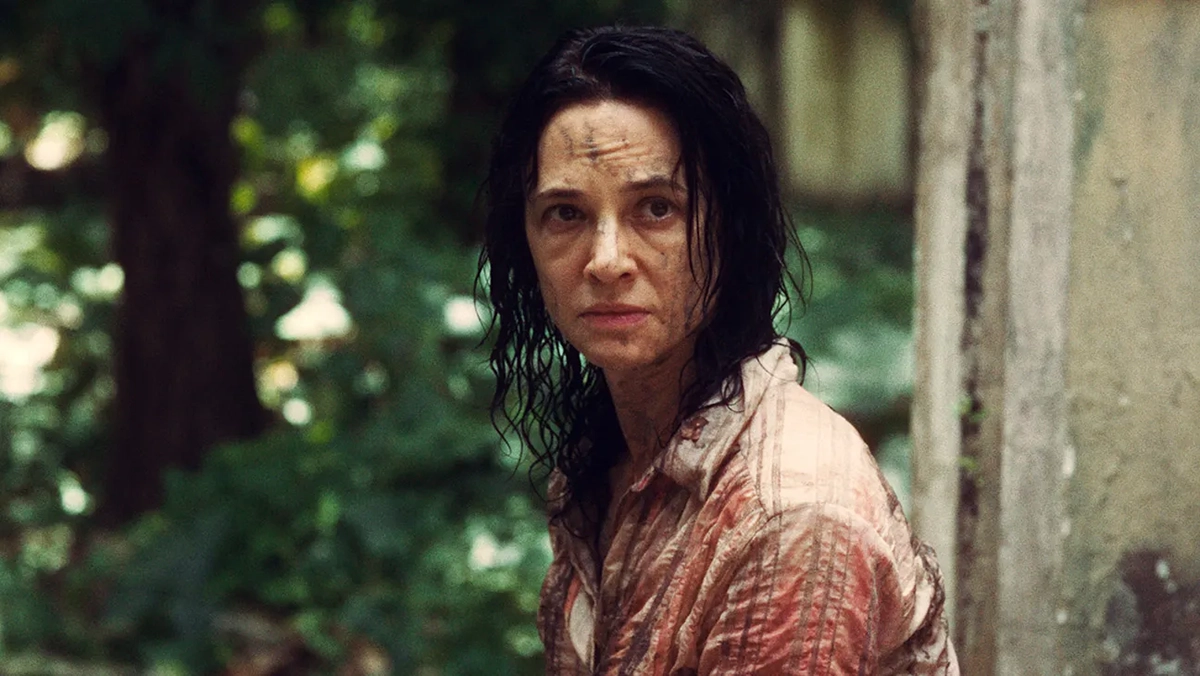
“Death Has No Master” has incredible sound design, beautiful imagery, and a fearless Asia Argento performance in a story about a woman traveling to Venezuela to sell her late fatherâs cacao plantation. The people who worked there have no intention of leaving, and the inheritance dispute starts excavating the violence buried in the land and its history. As a sensory experience, itâs difficult to shake. Narratively, I wanted more.
“A Prayer for the Dying” is beautifully crafted, stately and well cast. Itâs also a bleak, turgid slog about a quarantined Western town and a sheriff gradually losing his grip on reality. Sometimes admiration is as far as it goes.
“Roma Elastica,” meanwhile, is basically what would happen if “Jay Kelly” went to art school and took DMT. Marion Cotillard is in her bag (derogatory). Moving on.
“Platypus” deserves brief consideration, if only because its entire reason for being seems to be texture. It feels like “The Eyes of Laura Mars” made in the register of “Letâs Scare Jessica to Death:” grain, menace, isolation, a great soundtrack and candy-red blood. At times it resembles a trailer for a lost â70s horror movie that simply never ends.
Thatâs both the compliment and the problem. Thereâs very little meat on the bones, and even the gore is surprisingly light. If youâre withholding character, plot and conventional suspense, eventually something else has to provide the release.
A Sneaky ‘In a Violent Nature 2’
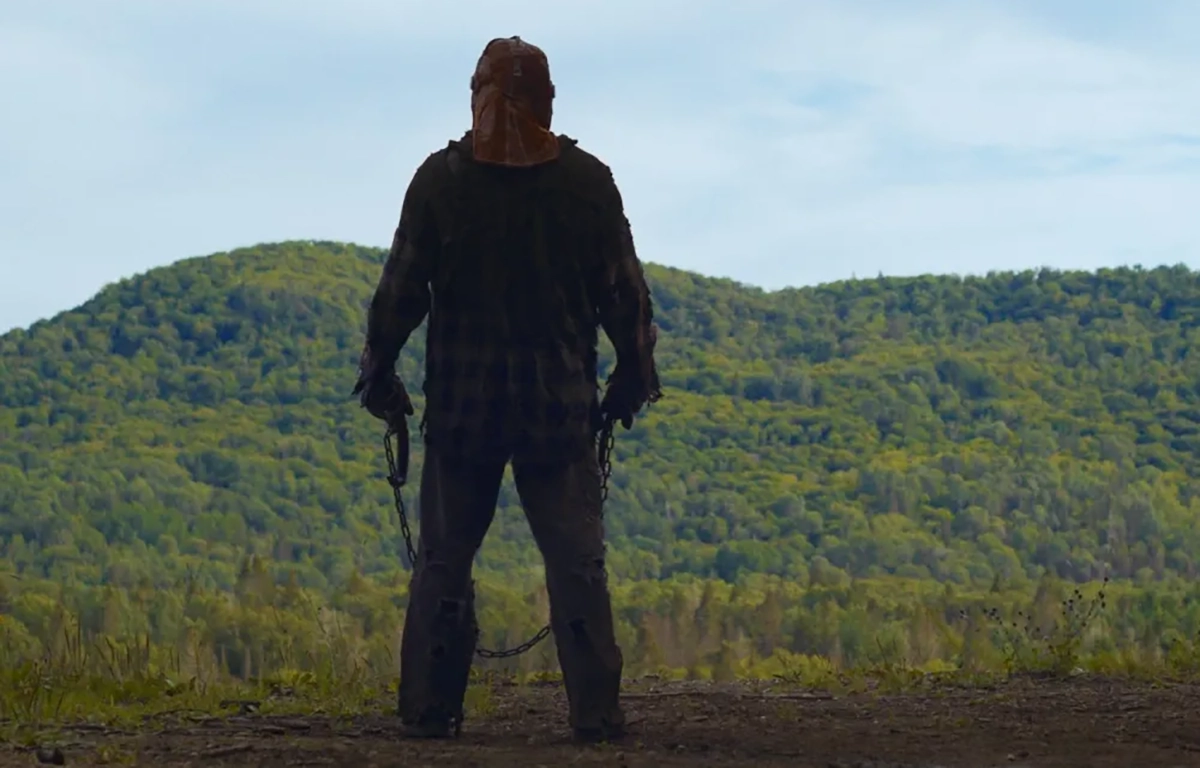
The first “In a Violent Nature” did exactly that for me through form. Changing the traditional slasher perspective didnât just make the movie look different; it changed how the genre worked. Following the killer meant spending time in all the spaces slashers usually cut aroundâthe walking, waiting and weird stretches of natural beauty between murders. I found it genuinely unsettling.
“In a Violent Nature 2,” the festivalâs first secret screening, tries to subvert its already subversive predecessor and loops all the way back around to being a conventional slasher. The practical gore is still impressive and thereâs good camera work, but the perspective shift sacrifices the thing that made the first movie feel genuinely strange.
Mike Flanaganâs “Carrie” has the much more intimidating task of finding something new inside material that has been picked clean for half a century. After two episodes, his answer is basically: What if Carrie White had an iPhone?
I mean that affectionately. Mostly.
Flanagan folds viral humiliation, social media, true-crime aesthetics and the specter of school shootings into Kingâs story. One of the more provocative updates is a school-shooter drill, which canât help but play differently when the audience already knows another kind of school massacre is waiting at the prom.
But the biggest difference between Flanagan and Brian De Palma isnât technological. Itâs temperamental.
Flanagan wants to understand everybody.
Mike Flanagan’s Take on ‘Carrie’
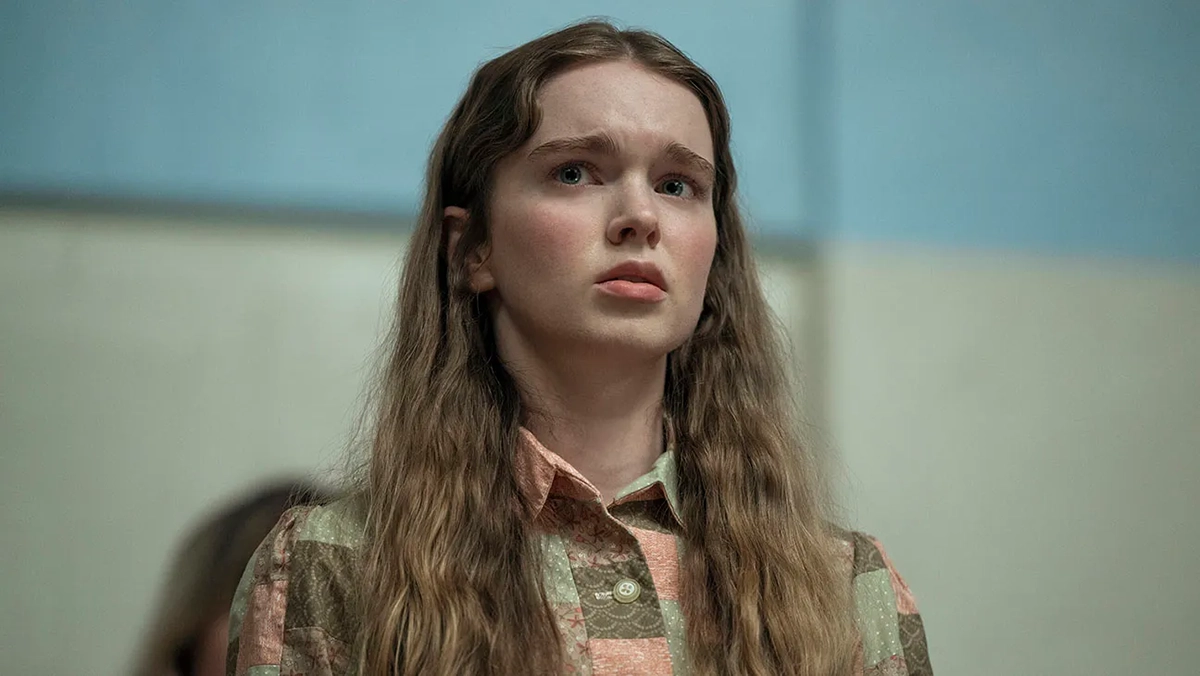
Summer H. Howellâs Carrie is more socially functional than Sissy Spacekâs. Samantha Sloyanâs Margaret White is still frightening but less purely monstrous, simultaneously manipulating her daughter and being manipulated by the worldview she has built around herself. The other students get more interiority. Parents get more context. Everybody gets an explanation.
Some of this is interesting. Some of it is television fat.
De Palma had the ruthlessness of compression. Flanagan contextualizes. Whether all that context deepens “Carrie” or explains the life out of it is something Iâll need the remaining six episodes to figure out.
The two smaller science-fiction movies I caught made for another useful contrast.
“Into the Sky” has Sam Richardson repeatedly getting abducted by aliens while trying to reconnect with his estranged wife, only to return home and develop an unexpectedly sweet connection with the woman now renting his house, played by Sofia Black-DâElia. Richardson and Black-DâElia have real chemistry. The problem is that every time the romance starts working, the aliens interrupt it; every time the sci-fi starts taking over, the movie retreats into comedy.
Richardson can carry a movie. I just wish this one could decide which movie he was carrying.
Sci-Fi and the Animated ‘Jim Queen’
“Future Tense” is exactly the kind of low-budget science fiction I love. It understands that not being able to show something can be more interesting than showing a cheap version of it. Set in a future South Africa where wealthy tourists use time travel to escape into the past, it follows an interracial couple whose relationship is tested by a trip to 1647. The world seems to continue beyond the edges of the frame without the movie feeling obligated to show all of it.
Lawrence Maleka and Kristen Raath are both great, and the strength of their performances keeps the speculative ideas attached to actual human beings. Between them, the premise and the smart use of its limitations, this is exactly the kind of festival discovery Iâm always hoping to stumble into.
“Pathetic Fallacy” gives us Kid Cudi, Johnny Jewel, and Natasha Lyonne voicing an evil spider in what amounts to a neon-drenched slasher musical. It runs long and never becomes quite as emotional or insane as it wants to be, but Adam Egypt Mortimerâs sincerity eventually got me across the finish line.
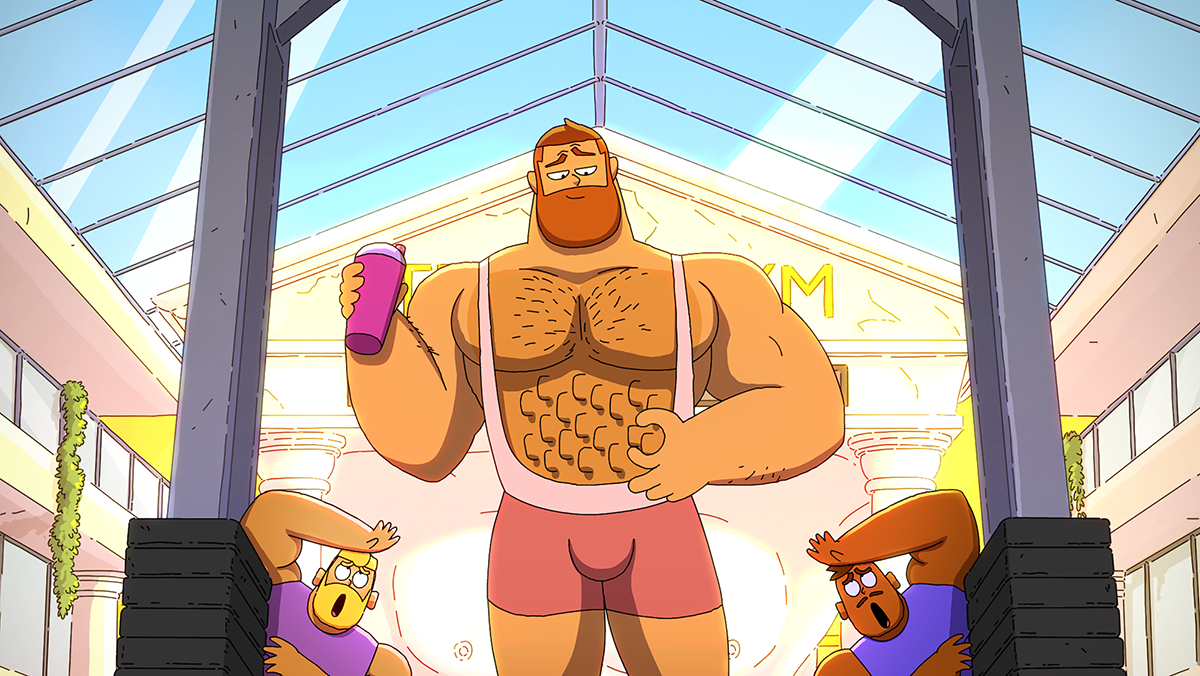
And “Jim Queen” is dirty, very funny and weirdly sweet, with gorgeous animation that reminded me of “Steven Universe.” Underneath all the ridiculousness is a surprisingly perceptive idea about the difference between actually being seen within an LGBTQ community and commodifying your presence in one.
The Strange Creation of ‘Primetime’

Then Sunday ended with a Chris Hansen biopic.
And somehow that was the sickest movie I saw all weekend.
“Primetime” is one of the best movies Iâve seen this year.
Robert Pattinsonâs Chris Hansen is a wonderfully strange creation. Lance Oppenheim has described what Pattinson was doing as Chris Hansen crossed with “Jerry Maguire” and Dracula, and once you hear it, itâs difficult to see anything else. Thereâs something hungry about the performance: Hansen begins as a journalist but seems increasingly intoxicated by the realization that heâs also a television host, performer and celebrity.
Skyler Gisondo is essentially the co-lead, which surprised me, and his eagerness provides an effective way into the machinery surrounding Hansen. The thrill of participating in the sting gradually becomes harder to separate from participating in the show.
Because everybody here is performing. Hansen performs Hansen. The decoys perform children. The predators perform identities online. The crew packages all of those performances into another one for television.
And then we watch.
The Festival Finds New Ways to Think About Familiar Subjects
Thereâs something of “Red Rooms,” “Network,” “To Die For,” and “Nightcrawler” in the resulting nightmare, but Iâm writing more about “Primetime” separately and would rather save the autopsy for then. Pattinson is on a generational run, and while everybody keeps asking when heâs going to put the Batman suit back on, heâs using the time between blockbusters to make things this fucking strange.
But “Primetime” felt like an appropriate endpoint to four days in which I kept thinking about the distance between a movieâs premise and the movie itself. “Kylgor” sounds better when you describe it. “Beware Boiúna” somehow canât capitalize on âgiant killer snake.â “Future Tense” makes a tiny world feel enormous. “Ghost in the Cell” keeps mutating until its original premise barely seems sufficient to describe it. “Resident Evil” takes an incredibly simple survival scenario and keeps finding new ways to move.
And “Primetime” takes âChris Hansen biopicâ and finds something much sicker underneath.
The Discovery of Films
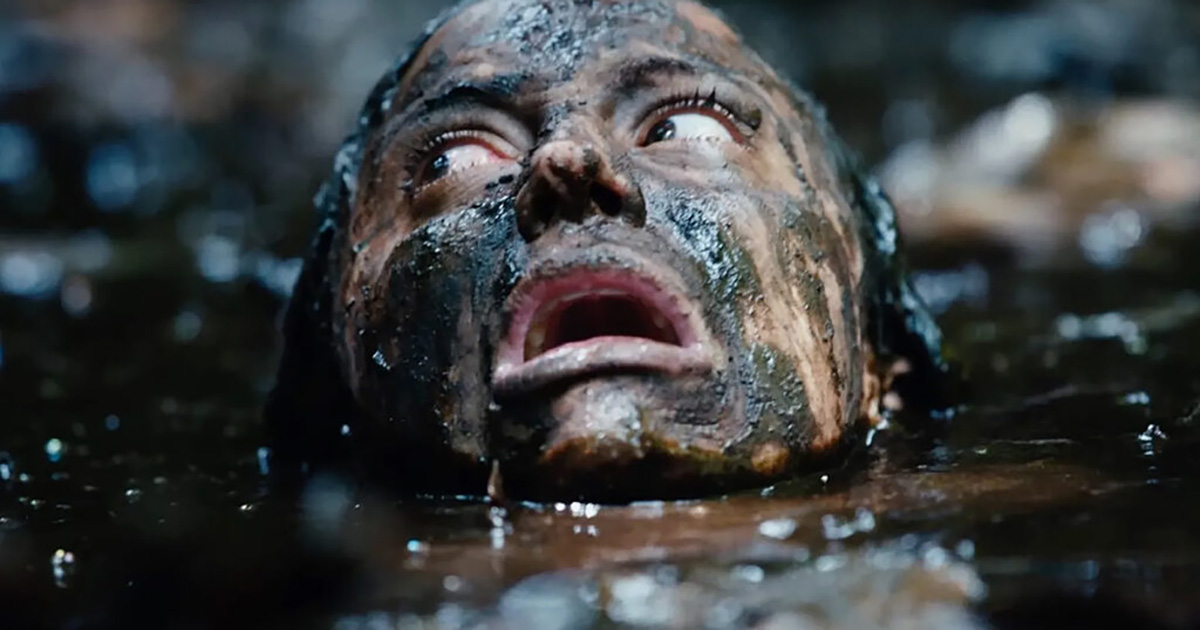
“Primetime” and “Resident Evil” were two of the weekendâs obvious priorities, but one of my favorite things about Fantastic Fest is what happens when you donât get into the movie you thought you had to see. You look at the schedule. You read a few sentences. Maybe you see the giant inflatable “Beware Boiúna” snake looming over the entrance and think: Fuck it, giant snake movie.
That kind of discovery is increasingly rare. For all the planning that goes into covering a festivalâscreeners, tickets, schedules, prioritiesâthereâs still something wonderful about walking into a theater because somebody gave you a good enough pitch.
After that, the movie is on its own.
Fantastic Fest runs from September 17th-September 24th at the Alamo Drafthouse South Lamar in Austin, Texas. Follow us for more coverage.


