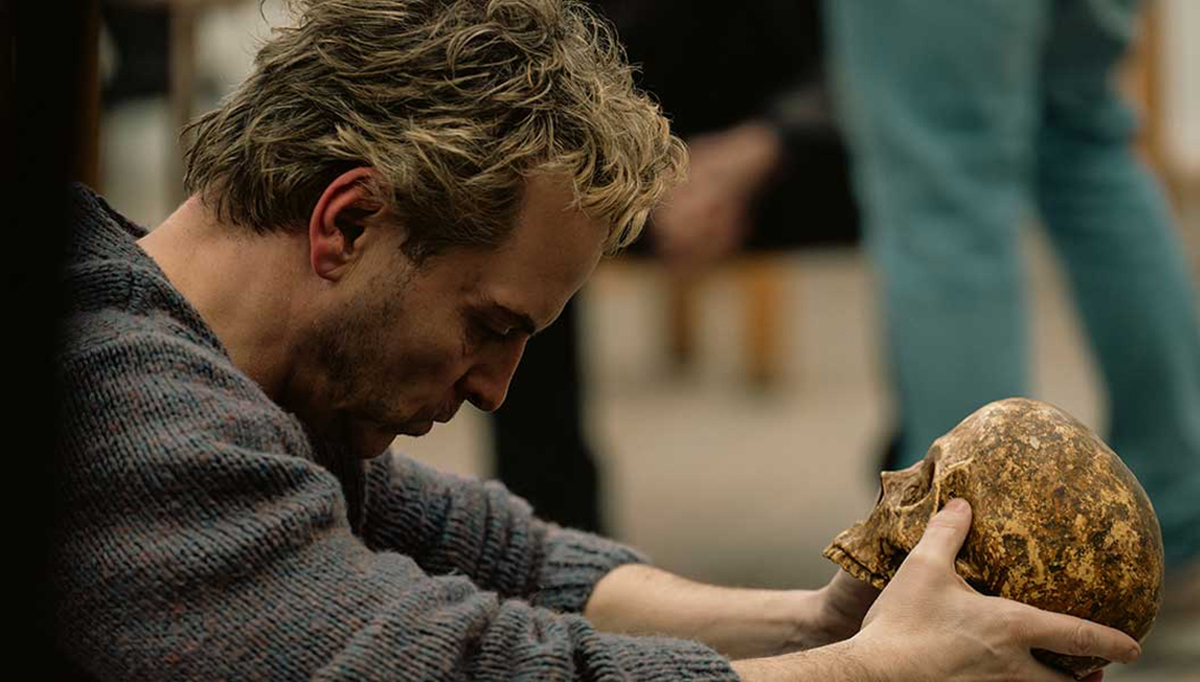
A biopic telling the story of Ian Charleson battling through his AIDS diagnosis and escaping the jaws of death to take to the stage 24 times in one of the most infamous roles in theater history seemed a certainty. Perhaps the only surprising thing about “Elsinore” tackling the subject matter is how long itâs taken to be made. That might ultimately prove to be its detriment. Had this movie been made five years ago, it feels like it could have been a bona fide classic, but now, after countless biopics have followed a similarly familiar formula, it may simply get lost in the noise.
Set in 1989, “Elsinore” follows acclaimed Scottish actor Ian Charleson (Andrew Scott) during the final year of his life as he privately battles AIDS while continuing to work on the London stage. With his health rapidly deteriorating and reaching the point of no return, Charleson is unexpectedly given the opportunity of a lifetime, and one heâs been longing for: the role of Hamlet at the National Theatre. He is forced to take on the immense physical demands of the role while dealing with an illness that all but a select few know about. As rehearsals ramp up and his condition worsens, Charleson must confront his impending death while pursuing what would become the defining performance of his career.
Both a Crowd-Pleasing and Poignant Story
Simon Stoneâs “Elsinore,” working from a screenplay by Stephen Beresford, could easily be accused of being a formulaic biopic that rarely strays from genre norms. While that may be true, thereâs a reason why the formula has become so popular. When followed well, it can create a genuinely crowd-pleasing experience, and despite its structural similarities to plenty of other movies, thatâs definitely something “Elsinore” manages to achieve.
It also does tremendously well as an AIDS drama taking place at a time when the epidemic was at its most rampant. Thereâs plenty of time spent with Charleson at the hospital, depicting the most grueling aspects of the unforgiving disease not only through his lens, but also through those closest to him. Perhaps the most touching is the depiction of Georgie (Luke Thompson), Charlesonâs former lover, who is at a much more advanced stage of the illness. Through him, audiences essentially see the light leaving someoneâs eyes in real time, in a gripping and incredibly difficult-to-watch depiction of what the disease could do to those living with it.
Frequent Shifts in Tone Lessen the Story’s Impact
In that regard, using Charleson as a vessel, the movie dives deeper into the various stages of grief. When we first join him, it seems as though he has reached the acceptance stage of what is to come. However, when the first physical signs of his decline begin to take hold, it becomes apparent that perhaps he hasnât accepted it as well as it initially seemed. Instead, we see Charleson struggle with the impact heâs left on the world, fearing heâll be remembered for a theme song rather than his own work, alongside his desperate longing for something bigger than the crappy roles heâs been forced to take on. Hamlet doesnât simply become another part for him to play; it becomes his chance to leave something behind.
Itâs an element of the story that is handled remarkably well, alongside some of the movieâs more poignant moments, but their impact is dulled somewhat by the constant tonal shifts on display throughout. Beresfordâs script consistently flip-flops between outright comedy and outright drama. For large periods, the dialogue is coded in brilliant British humor that lands blow after blow. But then, almost immediately, the movie shifts into something far deeper and more somber. These scenes are almost always effective on their own, but with that constant fluctuation in tone, it becomes difficult to remain completely immersed in either side of the story. When the bigger emotional punches are eventually thrown, they donât always land with the gut punch that was intended.
Some Themes Remain True Today
That can also be put down to an overbearing score, particularly in the final third of the movie. For the first two-thirds, the music is rather complementary to what is unfolding in front of your eyes. Thatâs what makes it all the more baffling when it completely shifts to the other end of the spectrum and becomes obnoxiously loud, at points even drowning out some of the dialogue. Itâs done in a way that almost tells you how to feel, with the sorrowful music practically forcing an emotional response rather than allowing the performances and subject matter to generate one naturally.
…using Charleson as a vessel, the movie dives deeper into the various stages of grief.”
Thatâs a real shame when you factor in some of the core messaging on display throughout “Elsinore”. The movie depicts a time decades ago when LGBTQ+ people faced persecution and discrimination simply because of who they were. It should feel like a relic of another era, one in which people were forced to hide parts of themselves out of fear of how society might treat them. Yet thereâs something painfully ironic about “Elsinore” arriving at a time when many LGBTQ+ people still experience that same fear of discrimination and hostility. For a movie set more than three decades ago, that aspect of Charlesonâs story can feel uncomfortably current.
A Touching Portrayal from Olivia Colman
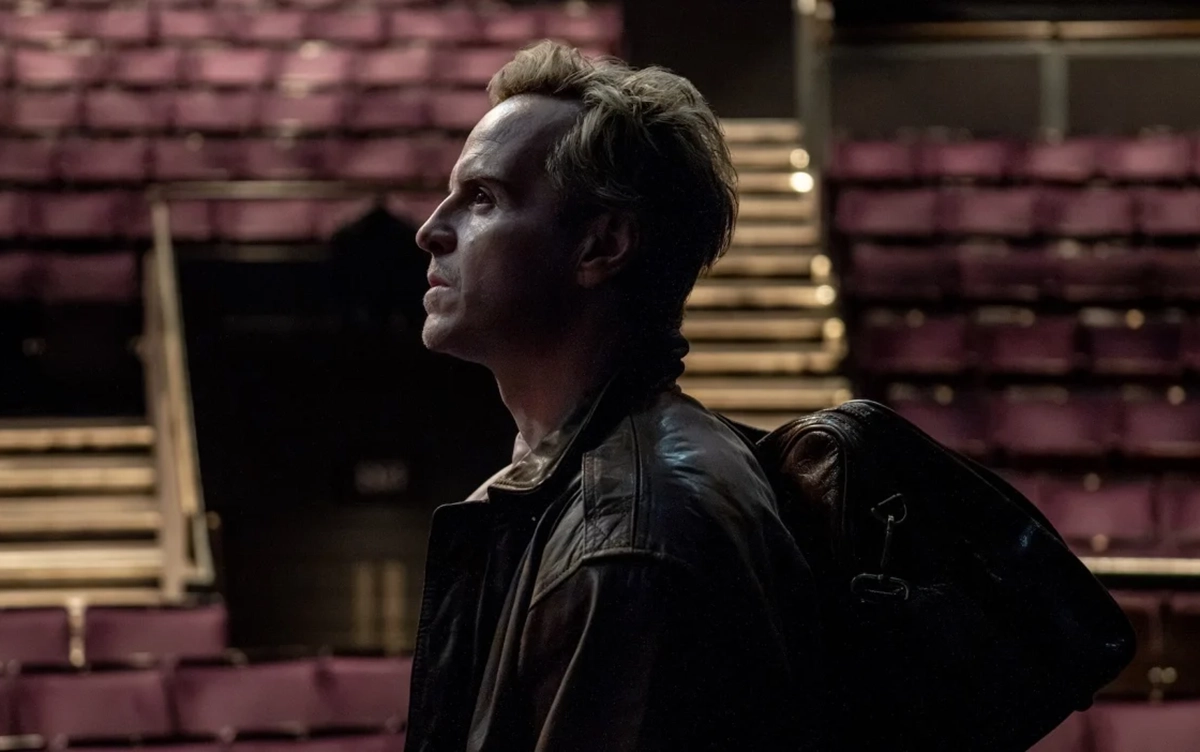
But for all the criticisms that can be made of the movie, Andrew Scottâs performance makes up for each and every one of them. Heâd already cemented himself as one of the best working actors around, with several truly outstanding performances under his belt in the last few years alone. Yet somehow, he elevates his game to an even higher level here in what is a career-best turn. He not only takes on the task of playing Charleson, but also that of Hamlet, reciting some of the most famous passages in theater and doing so triumphantly. More importantly, he makes the two performances feel inseparable, as Charlesonâs own confrontation with mortality increasingly bleeds into the role he is playing.
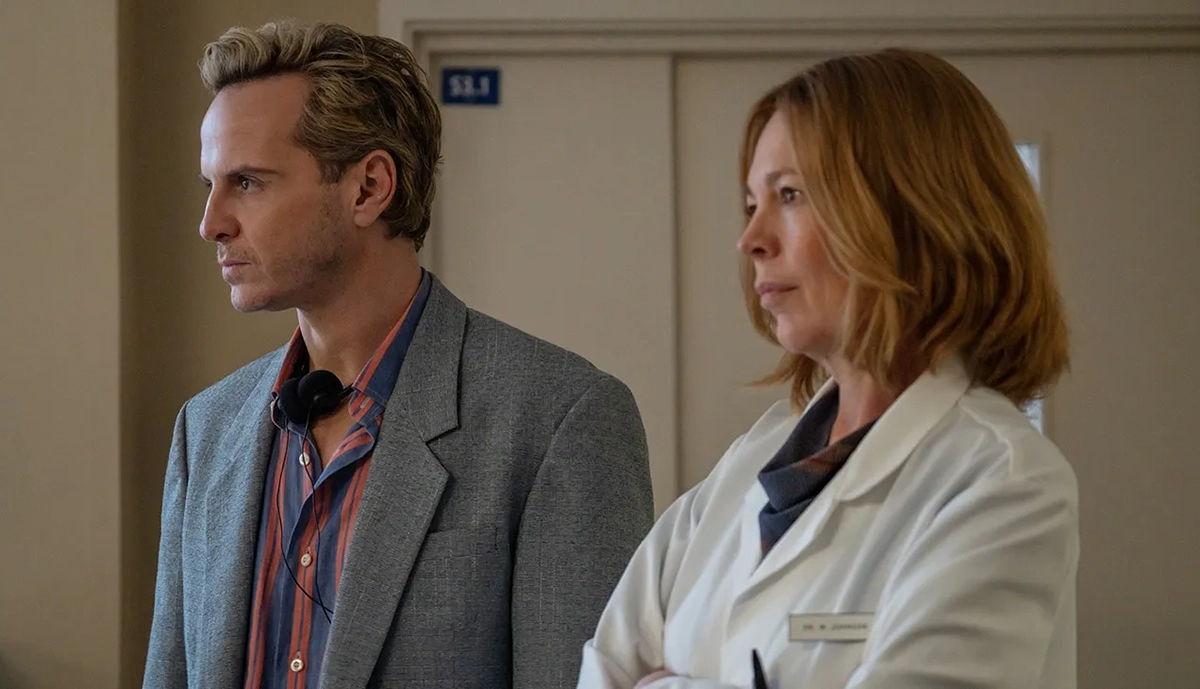
Heâs backed up by a terrific turn from Olivia Colman as Charlesonâs doctor. Sheâs a steely presence who delivers some of the funniest lines in the entire movie, but for me, itâs when she reveals a more sentimental side of her character that she really excels. Itâs there that the performance goes from very good to genuinely moving, giving the film some of its most quietly affecting moments.
Scott’s Performance is a Must-See
So while, yes, there are plenty of elements of “Elsinore” that feel very familiar, with others becoming overbearing, Andrew Scottâs performance alone makes this an absolute must-watch. Underneath those flaws lies a deeply heartfelt story of a truly remarkable individual who overcame so much to leave a lasting legacy that is still spoken about today. “Elsinore” may not reinvent the biopic formula, but when Scott takes center stage, it doesnât need to.
“Elsinore” had its Canadian premiere on Saturday, September 12th at the 51st Toronto International Film Festival.