Over Ryan Murphyâs first two âMonsterâ installments, his MO focused on thematics. There were creative liberties in both âThe Jeffery Dahmer Storyâ and âThe Lyle and Erik Menendez Story,â yet they painted their characters well. They were about monsters, rightly; and while both made pains to humanize their killers alongside an eerie atmosphere, they let audiences wade alongside their time-periods and media frenzy. While inaccuracies plagued both, I specifically liked the latter for its twisting of reality and mind games. Dahmer admitted what he did but only the Menendezâs knew the truth, and kept it for themselves. Murphyâs approach worked.Â
Yet in his latest, âMonster: The Lizzie Borden Story,â Murphy, Writer Ian Brennan, and Director Max Winkler follow the same mistakes that dented âThe Ed Gein Story.â Thereâs so much creative license that you begin questioning its authenticity from the start. While âEd Geinâ took its time to paint a creepy atmosphere and didnât devolve into pure fiction until later episodes, âLizzie Bordenâ isn’t so cautious. Its leadâa good Ella Beattyâtakes an axe to her stepmother and father in 1890s Massachusetts, to the score of pop music, before we even meet the family. âThe Menendez Storyâ started similarlyâwith vicious killingâworking its way back. However, here you basically need Google on speed dial to fact check what youâre seeing. The blame falls on the writers but also the subject. Not enough is known about Borden to make a full eight episodes, and it shows.
The Cast is a High Point
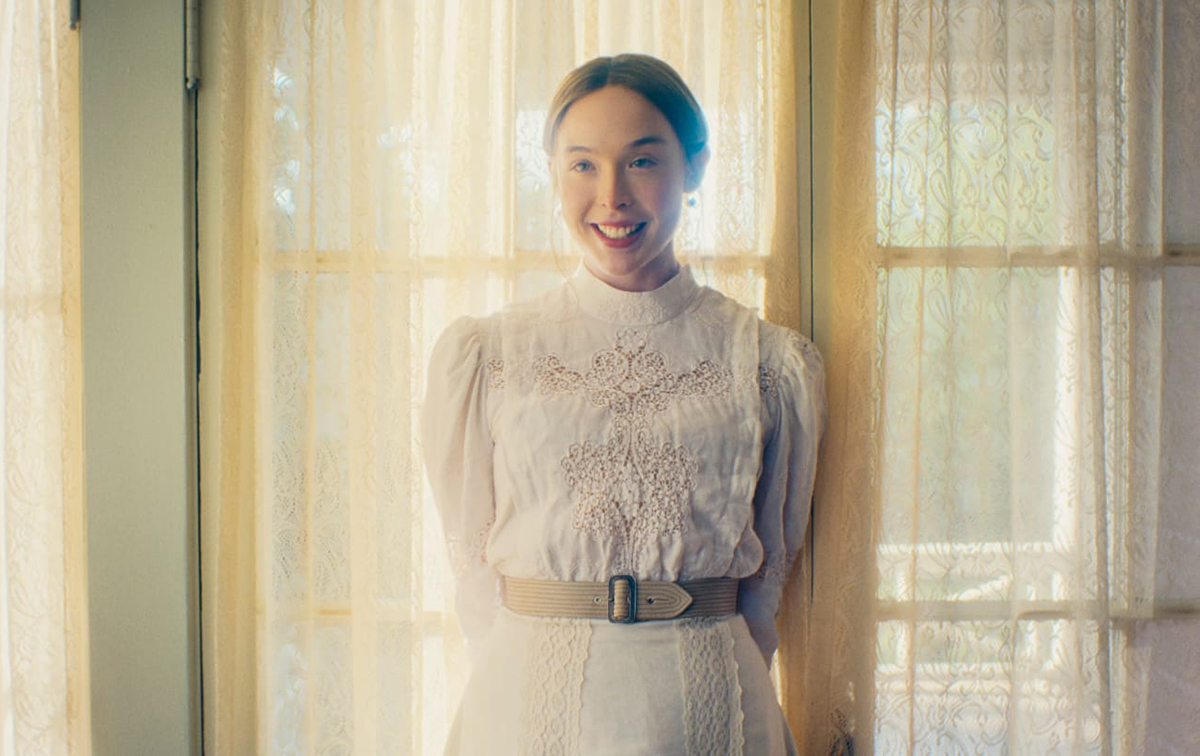
Thatâs not to say thereâs nothing to tell here, or that Brennan and Winkler fail to entertain us. They do. As does the production team. The Borden house and the town of Fall River, MA are recreated beautifully, as is the time-period. The Victorian Era is painted fully, both in look and feel. Itâs especially well-done. If youâve ever taken a tour of a house from that period, the furniture looks small, quaint, and museum-like. Yet here it looks lived-in, large, and real. And even if the seriesâ jumps in realityâand in places straight fictionâbother true crime buffs, itâs still hard not to get taken in with the Bordenâs palatial home, its line of cherry trees in the backyard, and the quaint town they inhabit.
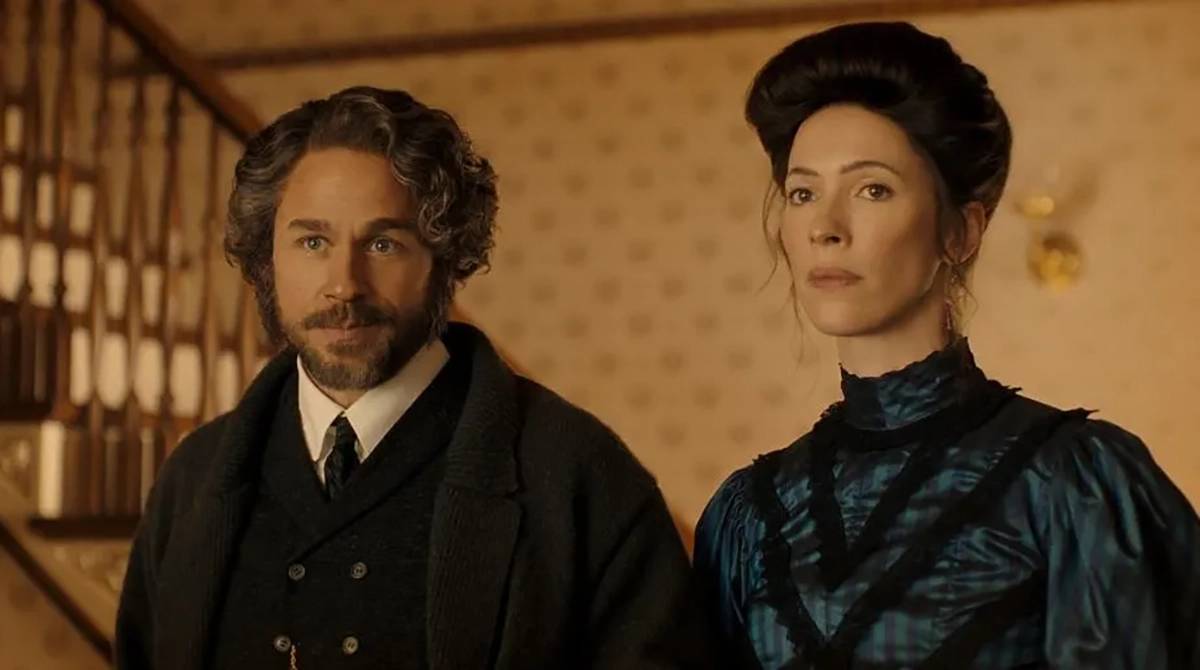
The casting is a wonder, too. As Lizzieâs stepmother, Abby, Rebecca Hall is completely unrecognizable. She transforms into a bitter, lonely woman trapped in a house of people she feels donât appreciate her. And she’s quite toxic, with most of her vitriol falling on Lizzie. The scenes are often hard to watch. She cuts Lizzie down, bemoaning why she wasted her life raising such a wretch. It’s here two things are clear: A, Hall is bringing her a-game and B, the creators are setting Lizzie up to have a motive. Abby is truly terribleâyet a quick search shows that the mother was not really like this. She was cold, and both Lizzie and her sister avoided her. However, Brennan and Winkler are taking leaps and bounds to paint her viler than she was.
Using Fiction to Fill in the Gaps
Likewise, Charlie Hunnam returns to âMonsterâ as Lizzieâs dad, Edward, and was a high point of the series. Edward is a hard-working furniture maker and depressed patriarch. He lost his first wifeâLizzieâs motherâtoo young and spends most of the series complaining that he âlives in a house full of too much estrogen.â He makes caskets for a living, and we see early on a macabre thing he does to make tall people fitâhe cuts their legs off with an axe. This is of course fictionâthe real Borden did no such thing. But the creators give the man a love of axes, which he gives special names to. It’s in part to make him eerie and in part to accustom us to violence. Hunnam interviewed that he built Borden completely from scratch, as not much is known about him. The same tactic, regretfully, seems to have been used with the entire series.
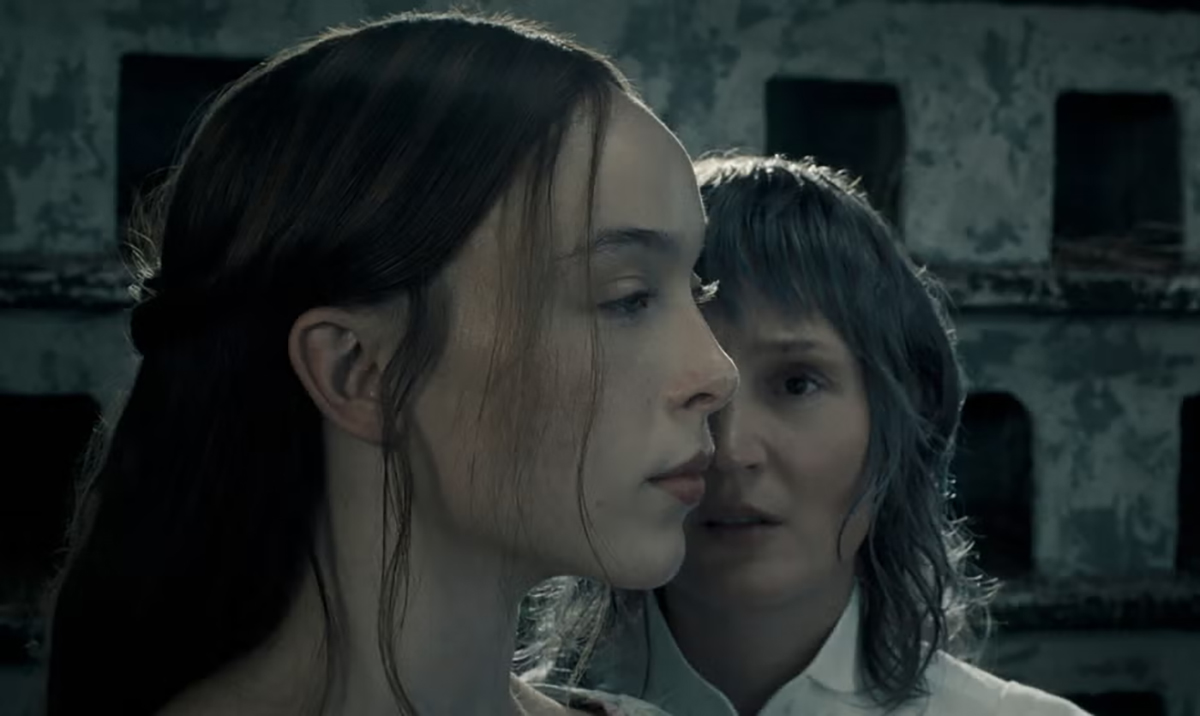
Alongside the parents, âMonsterâ introduces a house servant, Bridget (Vicky Krieps) whom Abby flippantly calls âMaggieâ (her last servant was called Maggie, and she canât be bothered to learn a new name). Yet Bridget becomes a central point of the series. Sheâs worldly and wants to open Lizzie up, whoâs taken a liking to her. She introduces her to the legend of Elizabeth Báthory (also played by Krieps), the infamous countess who was alleged to have killed hundreds of young girls and bathed in their blood. Lizzie becomes obsessed with Báthoryâas do Brennan and Winkler. The series juxtaposes Báthoryâwhom Lizzie grows to idolizeâwith Sarah Paulson playing a solid Aileen Wuornosâwho likewise becomes obsessed reading about Borden. Yet âMonsterâ is reaching. No evidence exists for either woman reading about the other and it’s here the series misses its mark. The creators try too hard to make all three killers appear victims, fighting back against the patriarchy, instead of, as the showâs called, monsters.Â
Murphy Uses Feminism as Absolution
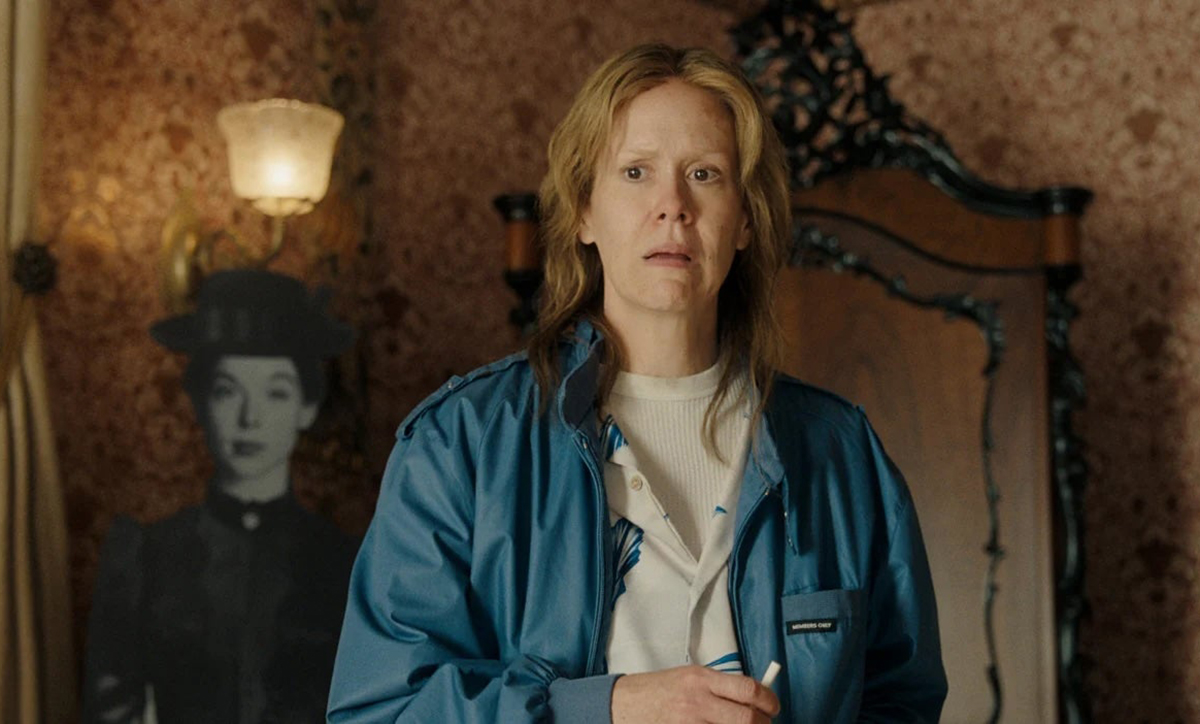
âMonsterâ continues this with an all-but-fabricated plot involving a romantic relationship between Bridget and Lizzie, the former who spurs the latter on to the idea of killing her parents to finally be free. And while we see that Abby is particularly cruel to Lizzie throughout âMonsterââand historians offer several theories as to why she may have murdered her parentsâhere we never really get to know her or reasons. Lizzie disliked her stepmother (history attests to this), but the series portrays her relatively close to her father. Reality is somewhat different (for instance, he killed some pigeons she was keeping and may have abused her). However, throughout the eight episodes, we never really learn who Lizzie is or what she might have thought. “Monster” also lacks any coherent mechanism that would take her from mild-mannered shut-in into brutal axe murderer.Â
In fact, what âMonsterâ doesâthrough both Lizzie and Wuornosâis to show women as the victims of patriarchy. Well, they of course were, yet that had little to do with why or how these two became murderers. The end of âLizzie Bordenâ is especially egregious, showing her take part in the Womenâs Suffrage Movement that, in 1919, earned women the right to vote as she seeks absolution for her crimes. This didnât happen.Â
Lizzie Was a Hard Subject
What did happen, was that someone (Lizzie was in fact acquitted) took a hatchet and bludgeoned Abby and Andrew Borden. Historians still remain divided on whether Lizzie did or could have done it. She likely did. But âMonsterâ spends so long building its other characters (Maggie, Báthory, Wuornos, and even Mr. and Mrs. Borden) that its main subject seems an add-on. Beatty does a good job with what she has to work with, and the cinematography highlights her wellâat first her innocence and later her rage. Itâs just too bad the writers didnât develop her into a realized person or add in some of her real-life activities, which were actually documented. Â
However, apart from its fiction-building and dark comedy (Hunnam is hilariously sardonic in certain scenes), âThe Lizzie Borden Storyâ still has enough to offer. Itâs world-building and strict focus on the Borden familyâfor the most partâis an improvement on âEd Gein,â which inserted so many characters into the narrative it became hard to follow. Fall River is a bustling, lived-in place and the series’ commentary on patriarchy, racism, and classism are apropos. However, its jarring music choices, its inability to define Lizzie, and its ahistorical tendencies may turn off some. At the end, we realize we donât ever really know Lizzie Borden. And as Murphy has announced a 10-series âMonsterâ run, hopefully his next subject is more fleshed out and less fictional. The last two series have lost something along the way that the first two worked so hard to build.