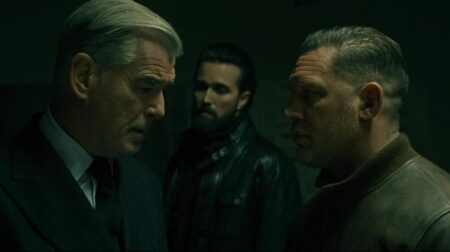
There are actors who disappear into roles, and then there is Jason Statham.
For nearly three decades, Statham has done something that should probably be much harder than he makes it look: he has essentially played variations on the same guy without ever making that guy boring. He is usually bald. Usually British. And he’s usually irritated and much better at violence than everyone else in the movie. He has rules. He would prefer that you follow them. If you do not, there are going to be consequences.
In some ways, my relationship with Jason Statham has been one of the most stable and rewarding relationships of my life. I give him 10 dollars. He gives me exactly what I want. He never disappoints. Even when his movies are lackluster, he never is.
Statham has never seemed especially interested in the prestige-actor tradition of proving himself by gaining 40 pounds, learning a funny accent, or playing somebody dying of a rare disease. Instead, he has spent his career playing to his strengths, refining a persona so thoroughly that somewhere along the way âa Jason Statham movieâ became a genre unto itself.
Thereâs a great tweet that proposes Stathamâs movies should simply be called “Jason Statham” followed by whatever number heâs up to. You may not be excited about a movie called “The Beekeeper,” but put up a poster that says “Jason Statham 38” with Statham surrounded by a bunch of bees and suddenly weâre talking opening night.
For that, I suppose we can thank Guy Ritchie for his greatest gift to cinema.
From Street Sales to Action Man
Statham was already 31 when Ritchie cast him in “Lock, Stock and Two Smoking Barrels:” a former competitive diver and male model who had also spent years selling fake perfume and jewelry on London street corners. Ritchie recognized that the latter experience was basically acting training. Stathamâs opening scene as Bacon, hustling stolen merchandise to a crowd, barely required him to pretend.
“Snatch” followed, further establishing the voice, the scowl, the roughneck charm, and his peculiar comic ability to look like the only adult trapped in a room full of lunatics. But those movies only discovered the raw materials. It would take the next 25 years for filmmakers to figure out everything you could build with them.
These arenât necessarily the ten best Jason Statham movies. Theyâre the ten moviesâor, in a couple of cases, franchisesâthat best explain what makes Jason Statham Jason Statham.
1. ‘The Transporter’ (2002, Dir. Corey Yuen)
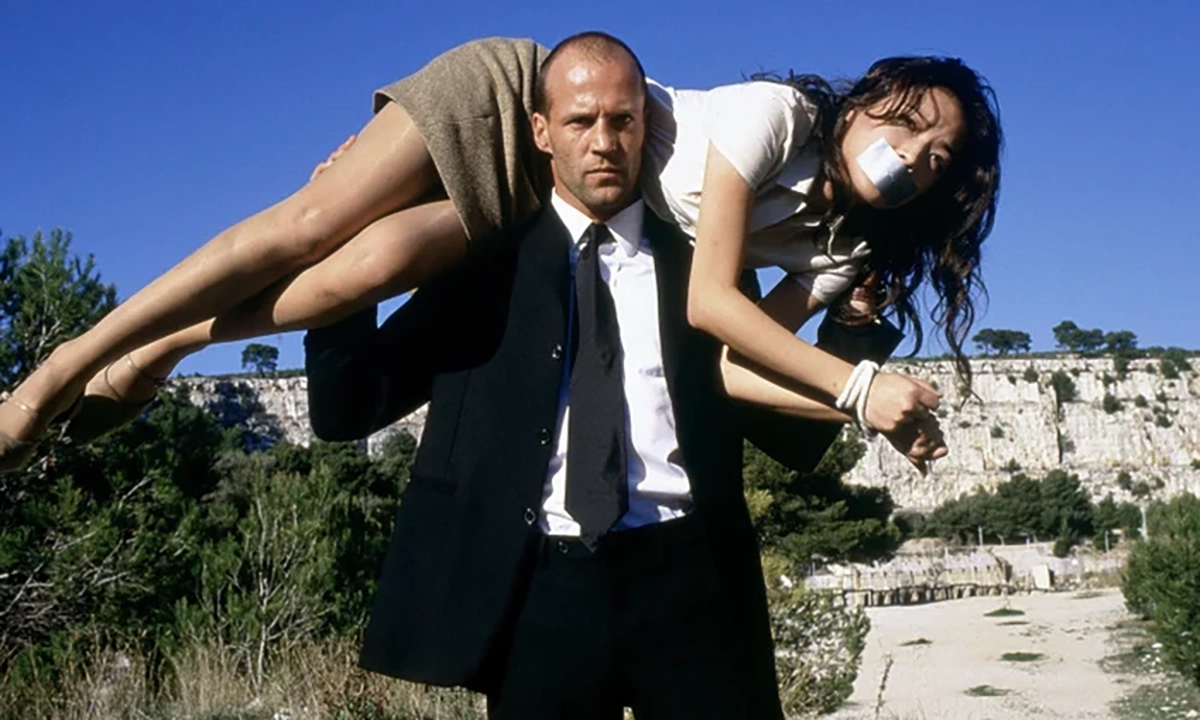
“The Transporter” is the moment Jason Statham stops being âthat cool bald guy from the Guy Ritchie moviesâ and becomes Jason Statham, Action Star.
Frank Martin is basically the perfect vessel for everything he would spend the next 20 years doing: immaculate suit, nice car, a bunch of extremely specific rules, and the ability to beat the shit out of an entire room when somebody forces him to break one of them.
But what still makes the movie rip is the ingenuity of the action. Corey Yuen brings genuine Hong Kong sensibilities to it, where a location isnât just a cool backdrop for a fightâthe entire room becomes part of the choreography. Floors get slick. Furniture becomes weaponry. Every random object gets incorporated into the bit. And Statham is right there in the middle of it actually doing the work.
You can almost see the realization happening in real time: Oh, this guy can really fucking move.
And because Statham plays Frank with that completely unflappable deadpan, all the increasingly ridiculous shit happening around him somehow makes him look even cooler. The car chases rule. The fights rule. Statham rules.
This is where the whole thing starts.
2. ‘Crank: High Voltage’ (2009, Mark Neveldine, Brian Taylor)
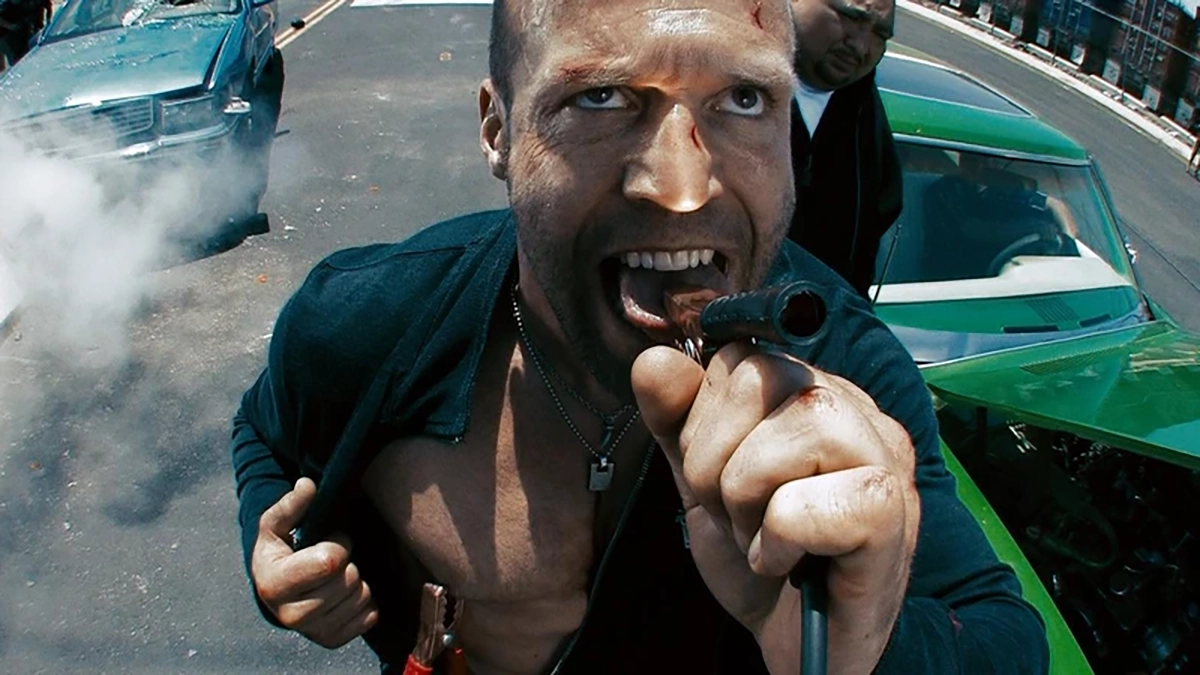
If “The Transporter” constructs the Statham persona, the “Crank” movies strap it to an ACME rocket and fire it into a wall.
Chev Chelios is another hypercompetent underworld professional, except Mark Neveldine and Brian Taylor recognize something other filmmakers hadnât yet fully exploited: Jason Statham is incredibly funny when you take everything solid about him and refuse to let him remain solid for even five seconds.
The premise of “Crank” is almost too perfect. Itâs “Speed” in a person. Chev has been poisoned and must keep his adrenaline elevated or die. That means he has to spend the entire movie doing the things an action hero would normally do anywayâfight, run, drive recklessly, take drugs, have sexâexcept now there is a literal biological reason for the movie to never stop moving.
It feels like a live-action “Grand Theft Auto,” an action movie that pops open its own hood and shows you the machinery underneath.
And Stathamâs body becomes the movieâs favorite toy.
He crashes into cameras, flies through frames, gets thrown around, humiliated, poisoned, electrocuted, and eventually burned alive. The man who normally seems like the immovable object becomes a human pinball. He is simultaneously the movieâs action hero and its Wile E. Coyote.
“High Voltage” pushes that idea into full Looney Tunes territory. There is a Godzilla fight. There is a shotgun used in a way that probably does not need to be described here. By the end, Statham is literally on fire, staring directly into the camera and giving the audience the middle finger while REO Speedwagon plays.
Itâs tempting to look at “Spy” years later as the moment Statham revealed he could make fun of himself. The “Crank” movies had already proved that he has an almost Bruce Campbellâlevel gift for physical comedy and self-awareness.
The key is that Statham never becomes a clown. His absolute refusal to stop being Jason Statham is the joke.
3. ‘The Bank Job’ (2008, Dir. Roger Donaldson)
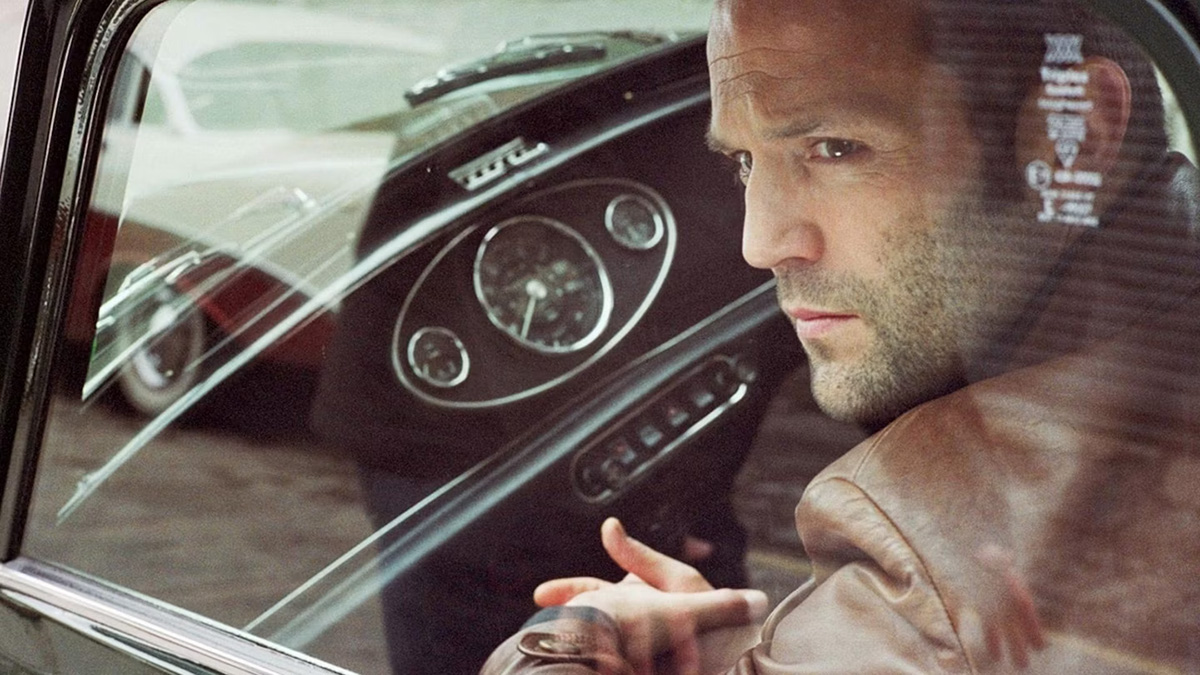
Roger Donaldsonâs “The Bank Job:” is loosely based on the 1971 Baker Street robbery and considerably more interested in a good story than a historically verifiable one. Its version has MI5 secretly steering a group of working-class thieves toward a safe-deposit box containing compromising photographs of Princess Margaret.
What makes “The Bank Job” stand outâbesides simply being very goodâis that it lets Statham do something many of his other movies donât:
Relax.
Heâs funny, warm, romantic, exasperated, occasionally out of his depth, and surrounded by people rather than merely targets. He has terrific chemistry with Saffron Burrows.
There are action stars and there are movie stars, and “The Bank Job” is one of the strongest pieces of evidence that Statham could have been much more of the latter if he had ever particularly wanted to be.
Ritchie discovered the working-class charisma. Donaldson takes that and discovers how naturally Statham fits into the kind of old-fashioned leading-man role that might once have gone to Steve McQueen, Michael Caine or Terence Stamp.
I would happily rewatch it before “Lock, Stock” or “Snatch,” which may qualify as heresy, but Iâm willing to live with that.
4. ‘Death Race’ (2008, Dir. Paul W.S. Anderson)
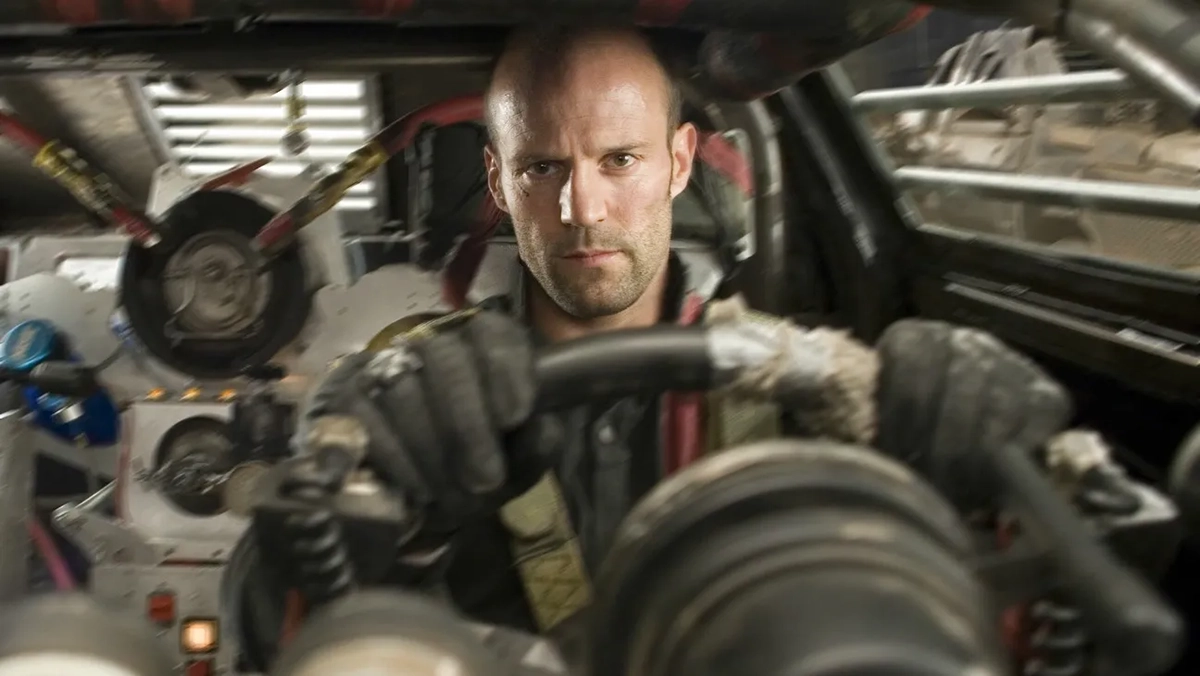
Vulgar auteur master Paul W.S. Andersonâs “Death Race” is basically the Platonic ideal of the mid-budget Statham programmer: wrongfully imprisoned man, dystopian prison, corrupt warden, heavily armored muscle cars, a demolition derby full of psychopaths, and a problem that can mostly be solved by driving extremely fast and hitting people.
Is it a great movie? Fuck no.
Does that matter? Absolutely not.
Anderson shoots enough of the vehicular carnage practically that you can feel these cars getting absolutely fucking demolished, while Statham treats the whole ridiculous enterprise like a serious professional problem that has landed on his desk. He doesnât wink at the audienceâhe lets Ian McShane do that.
This is the kind of thing Van Damme and Seagal used to get into multiplexes before that entire species of theatrical action movie basically went extinct. Statham somehow kept punching the clock and keeping the lights on.
“Death Race” is meat-and-potatoes Statham cinema and one of Andersonâs most tactile pieces of lovable junk. Put the man in a car, give him something to be pissed off about, let Joan Allen run a privatized murder prison, and start your engines.
Movies!
5. ‘Safe’ (2012, Dir. Boaz Yakin)
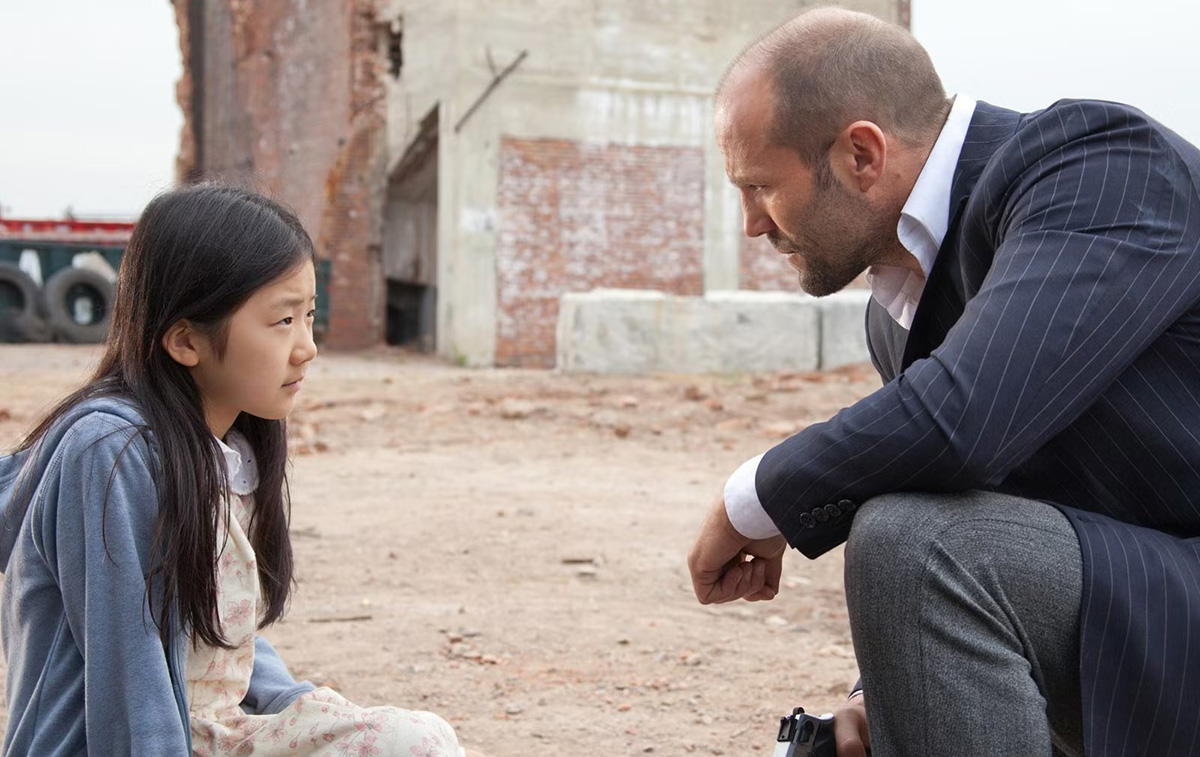
The classic Statham hero is motivated less by bloodlust than necessity.
Someone gets kidnapped. Or threatens his family. Or hurts an innocent person and makes the catastrophic mistake of forcing a man who is extremely good at violence to become violent again.
“Safe” gives that formula more emotional weight than usual.
Statham plays Luke Wright, a disgraced cage fighter and former special-ops assassin who has been systematically stripped of his livelihood and reduced to homelessness. Then he encounters a young Chinese girl with a gift for mathematics who is being pursued by organized crime.
Suddenly, the ruined man has someone to protect.
This becomes an increasingly important variation on Statham in the latter half of his career: the lethal caretaker. The man who can take care of himself discovers that what gives all that competence meaning is taking care of somebody else. See “Homefront” for literal Dad Statham, or this yearâs rock-solid “Shelter” for Statham as the dad who stepped up.
But “Safe” has a bruised desperation those later films often lack. Before Statham gets to become the unstoppable force, the movie lets him be a man society has already defeated.
For somebody whose screen persona is built around invulnerability, thatâs a useful wrinkle.
6. ‘Wild Card’ (2015, Dir. Simon West)

“Parker” gives perhaps the cleanest statement of the Statham moral code:
âI donât steal from people who canât afford it, and I donât hurt people who donât deserve it.â
There you go. Put it on the family crest.
But “Wild Card” takes the professional Statham archetype somewhere sadder.
Nick Wild is a Las Vegas bodyguard with all the usual Statham capabilities and none of the usual sense that those capabilities have made his life any better. He gambles too much and dreams of getting enough money to sail away to the Mediterranean. He repeatedly gets close to escape and then sabotages himself.
The movie only has a handful of major action sequences because it isnât especially interested in whether Nick can beat somebody up.
Of course he can beat somebody up.
It wants to know whether he can stop beating himself.
This is where Stathamâs underappreciated gift for weariness becomes the entire performance. He has always been good at the Harrison Ford âI cannot believe I have to deal with this shitâ expression, but in “Wild Card” the exhaustion goes deeper. Nick isnât merely tired of the current problem.
Heâs tired of himself.
It is one of the clearest examples of Stathamâs range existing within, rather than outside, his persona.
7. ‘Spy’ (2015, Dir. Paul Feig)

Potentially the magnum opus of Stathamâs career.
Statham plays Rick Ford, an elite CIA agent who speaks about his own exploits with the confidence of a man who has survived things no biological organism should survive.
The joke isnât simply that Statham is playing an idiot.
The joke is that every absurd story Rick tells sounds like something Jason Statham might genuinely have done in another movie.
Thatâs what makes the performance so perfect. Statham never performs the jokes as jokes. He delivers the most ludicrous dialogue with exactly the same conviction Frank Martin would use to explain one of his driving rules.
His acting is never in quotation marks.
The “Crank” movies proved Statham could turn his body into self-parody.
“Spy” lets him do it with words.
8. ‘Furious 7’ (2015, Dir. James Wan)
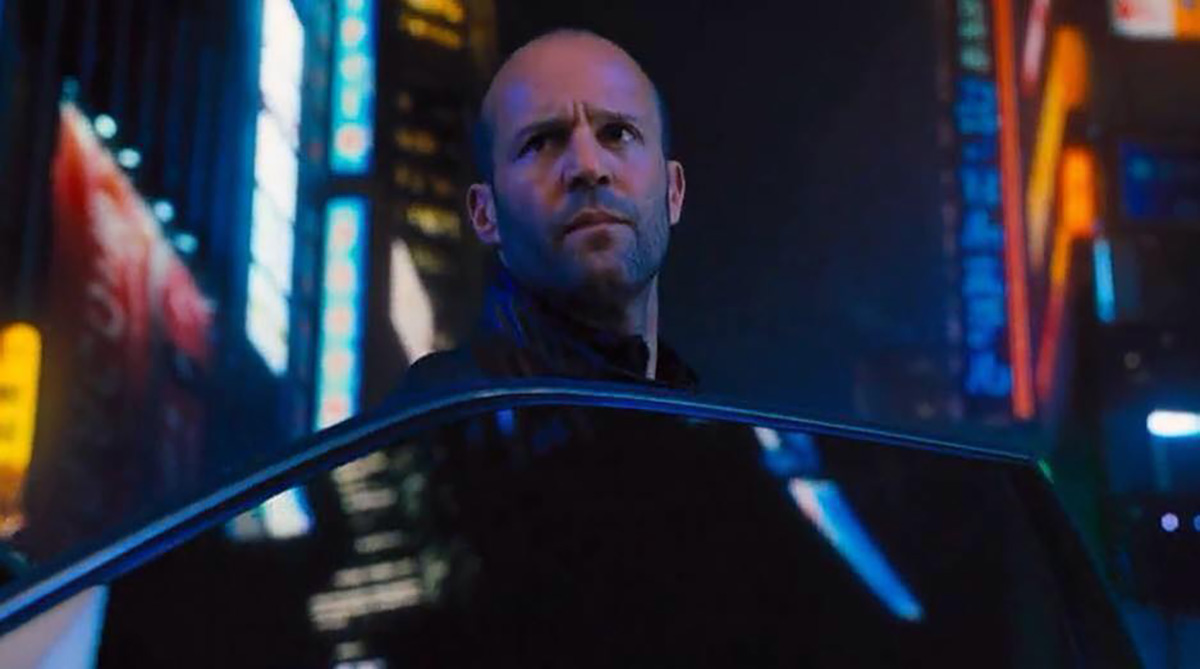
Statham had already received his official induction into the Action Movie Hall of Fame five years earlier in “The Expendables.”
Sylvester Stallone put him shoulder-to-shoulder with the men who had defined the previous generation of action cinema: Schwarzenegger, Willis, Lundgren, Stallone himself. Statham wasnât merely another member of the ensemble. He was the younger man being formally admitted into the lineage.
Then “Furious 7” happened.
Deckard Shaw barely needs an introduction because the casting itself does the work.
While one corner of the Internet spends years arguing about how many movies you need to properly build up a comic-book villain like Doctor Doom, Jason Statham simply walks into the “Fast & Furious” franchise and everybody in the audience immediately understands that these people are fucked.
That is the reward for more than a decade of reliable B-movie labor.
The franchise weaponizes the audienceâs memory of “The Transporter,” “Crank,” “Death Race,” “The Mechanic,” “Safe,” and everything else. The heroes arenât merely fighting Deckard Shaw.
They are fighting Jason Statham.
There is something wonderfully appropriate about the fact that he initially arrives as the villain. The archetype he spent years building as a hero suddenly becomes terrifying when aimed in the opposite direction.
By this point, he doesnât need Stallone to tell us he belongs among the action icons.
Hollywood has caught up.
9. ‘Wrath of Man’ (2021, Dir. Guy Ritchie)
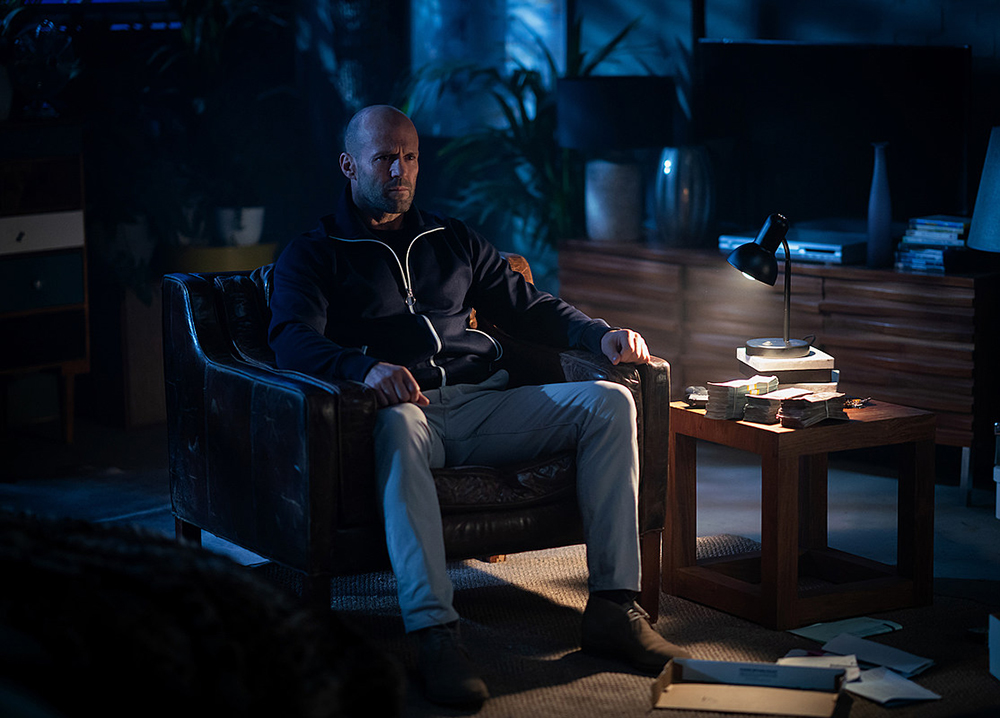
Guy Ritchie discovered Jason Statham twice.
The first time, he discovered the personality.
The second time, he discovered the icon.
“Wrath of Man” feels almost nothing like “Lock, Stock and Two Smoking Barrels” or “Snatch.” Gone is the hyperactive patter, cheeky criminal comedy and lads-running-around-London energy.
This is cold, deliberately paced Los Angeles noir.
It feels closer to “Heat” and “Point Blank” than anything Ritchie made in the first half of his career: professional criminals, armored trucks, jobs going wrong, betrayal, grief, and one very dangerous man methodically moving through an entire criminal ecosystem to settle an account.
Young Ritchie understood that Statham could talk.
Older Ritchie understands the power of shutting him up.
Statham is almost monolithic here. The stillness is the performance. The walk. The stare. The patience. The sense that everyone around him is making decisions he already knows they will regret.
And if there is one genre Statham has earned ownership of by now, it is revenge. Calling “Wrath of Man” his best revenge movie is no small claim when the man is basically the current patron saint of people making the mistake of murdering the wrong guyâs loved one.
There is also the immortal moment when Statham tells Post Malone to âsuck your own dickâ before shooting him in the face.
Cinema.
10. ‘The Beekeeper’ (2024, Dir. David Ayer)
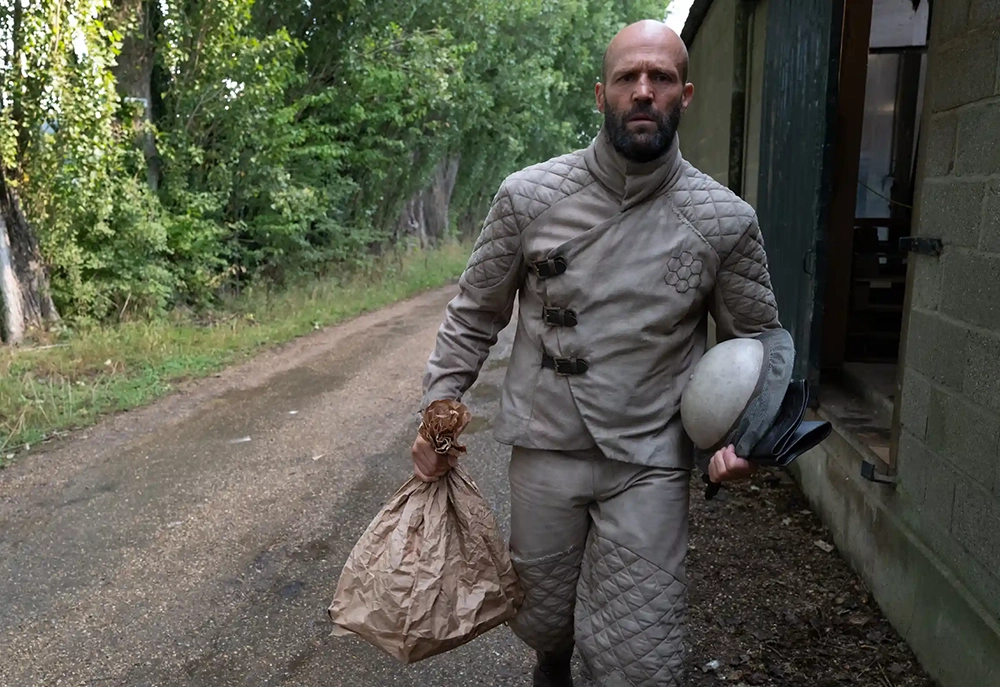
By “The Beekeeper,” âJason Statham movieâ has stopped being a description and become the premise.
His name is Adam Clay.
Of course it is.
He lives a quiet, monastic existence keeping bees until a kindly older woman is destroyed by Internet scammers. This forces him to reveal that he was once part of a clandestine organization of extrajudicial super-assassins called ‘the Beekeepers,’ who exist outside normal intelligence agencies and are charged with âprotecting the hive.â
There are bee metaphors.
There are bee puns.
At one point Jason Statham says, âTo bee or not to bee.â
And he delivers every syllable like the Gettysburg Address.
Somehow, “The Beekeeper” is both a completely straightforward “Equalizer”-style revenge movie and the SNL parody of a Jason Statham action movie at the exact same time.
This is the Statham vehicle in its purest form.
Give him:
- an innocent person to avenge
- a secret special-ops background
- a bizarre professional mythology
- contemptible villains
- a masculine name that sounds generated by an algorithm
- an increasingly unreasonable number of people to kill…
and let him go to work.
The remarkable thing is that Statham never condescends to any of it.
That has always been his superpower.
His movies can be ridiculous. His dialogue can be ridiculous. And his opponents can be ridiculous. The whole production can seem one bad decision away from collapsing into parody.
Jason Statham believes.
And because he believes, for two hours, so do we.
Maybe the easiest criticism of Jason Statham is that he has spent his entire career playing the same guy.
That isnât entirely wrong.
Itâs just not very interesting.
Because the fascinating thing isnât how much Jason Statham changes from movie to movie. Itâs how durable the Jason Statham action hero has proven to be. You can make him a getaway driver, hitman, cop, bodyguard, mechanic, beekeeper, construction worker, or guy whose heart will literally stop unless he electrocutes himself with jumper cables, and somehow the machinery still works.
A great Jason Statham movie doesnât need to make Jason Statham stop being Jason Statham.
It just needs to give Jason Statham a new job, a new problem, and a fresh collection of people stupid enough to stand in his way.