





There have been countless retellings of the story of Robin Hood, from animated Disney pictures to campy romps and self-serious action flicks. All draw on the same idea of a man who takes from the rich and gives to the poor. While these films are rooted in the same image, each puts its own spin on the classic character, for better or worse. Whether he is a caregiver or portrayed as a mercenary bound to protect the weak, there is something to be taken from his legends: Robin Hood takes from bad people but traumatizes them to the point of seeking revenge, all the while the weak he vows to protect are scrutinized by his actions. They may be affected by his decisions, even as he seeks to change the hierarchy in his own way.
The morality and decisions of Robin Hood are put into question. But no film has truly wanted to explore this side of the tale. In the latest adaptation of the archerâs tale, âThe Death of Robin Hood,” by director Michael Sarnoski, it dwells more on that aspect of people and Robin himself. Sarnoski questions whether Robin’s actions are worth all the trauma and bloodshed inflicted on those affected. Sarnoskiâs spin on the tale sets aside the action and the pursuits of the rich to focus more on the pensive. He uses the revenge story he employed in his debut âPigâ as the mold for Robin Hoodâs realization and acceptance, though without the emotional resonance that made many relate to the film. Introspection weighs more than the bloody and violent, which is what sets the film apart from other adaptations.
Robin Hood’s Morality and Decisions are Put Into Question
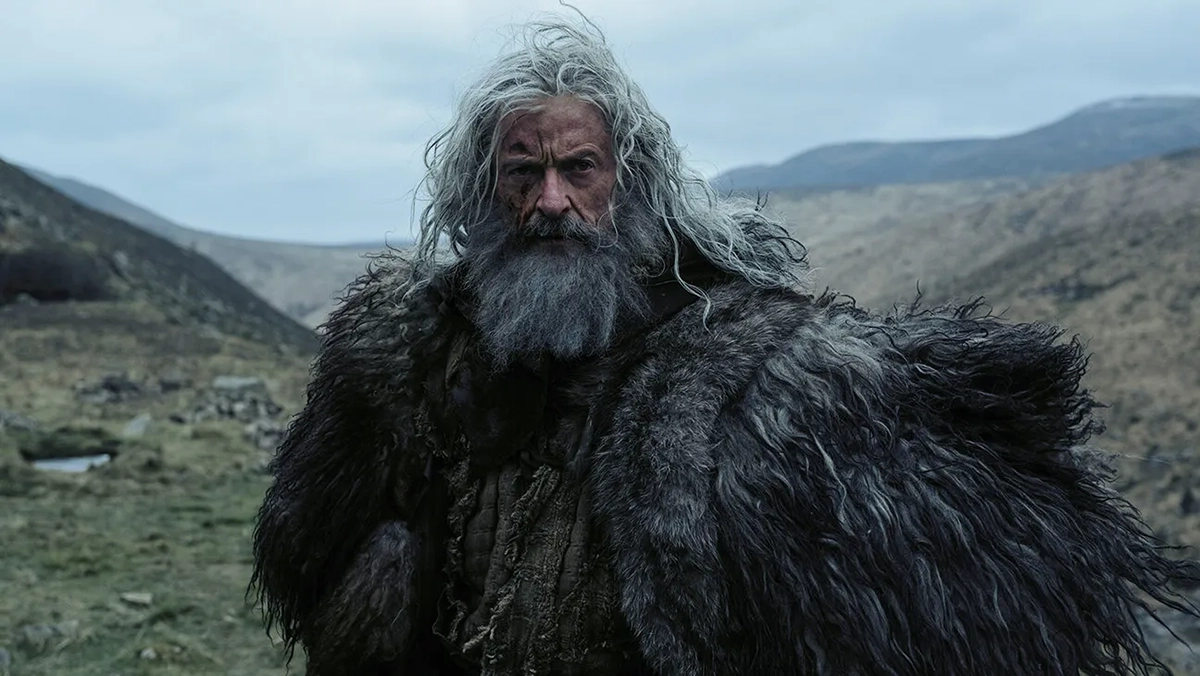
Blood is spattered during its initial passage, but it is merely an introduction to this new chapter. An older, wiser, yet more broken version of Robin (Hugh Jackman) is at the center of this film, one that looks back on his past and the people he has hurt along his travels. Living in the hills of a faraway mountain, Robin Hood, now old and rugged, is reclusive because of his past, which haunts him to this day. He cannot escape the ghosts of his thievery and murders. The kin of those he pierced with his blade and arrows are in search of Robin for revenge. They want to kill the man who murdered their loved ones, even if it was for a good cause, from Robinâs perspective at least. The first minutes of Sarnoskiâs retelling involve the same scenario.
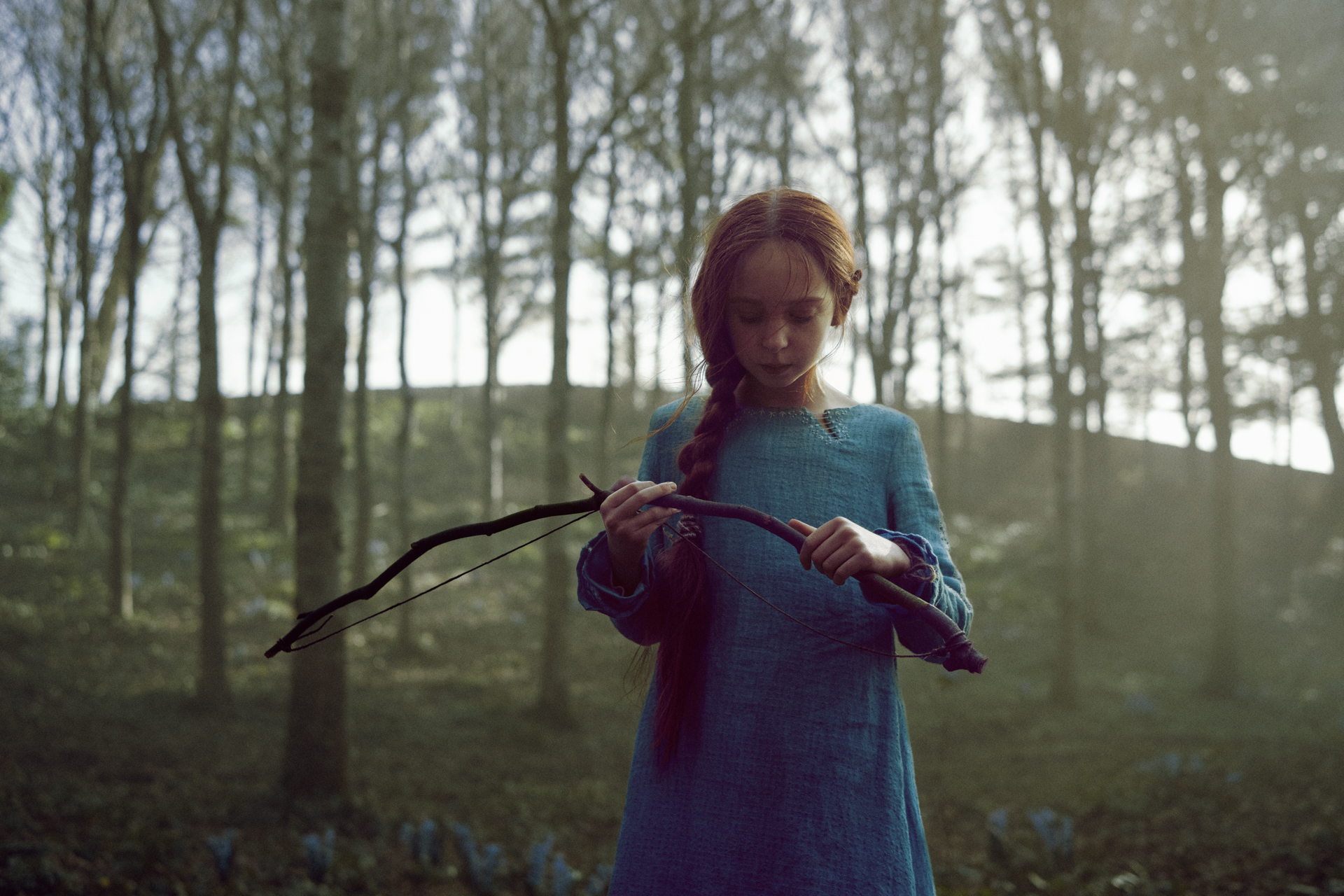
A young girl, disguised as a peasant boy, tries to kill Robin to avenge her parents. Robin already suspected something sinister, so he was one step ahead when she pulled the blade. It is yet another body he must deal with; another ghost that will haunt his daily living. A shot of the plains he inhabits reveals that many have tried to do the same. But Robin did not dispose of the bodies in the first place he saw. He buried them and constructed a stone monument. It creates a field that honors and mourns the dead, much like Doctor Kessler’s bone temple in â28 Years Later.â In the days following the most recent incident, Robin is visited by a ghost he welcomes into his life: Little John, or, as he now calls himself, Edward (an unrecognizable Bill SkarsgÃ¥rd, and the filmâs dread-inducing but limited, role-wise, spark).
Drifting In and Out of Self-Realization
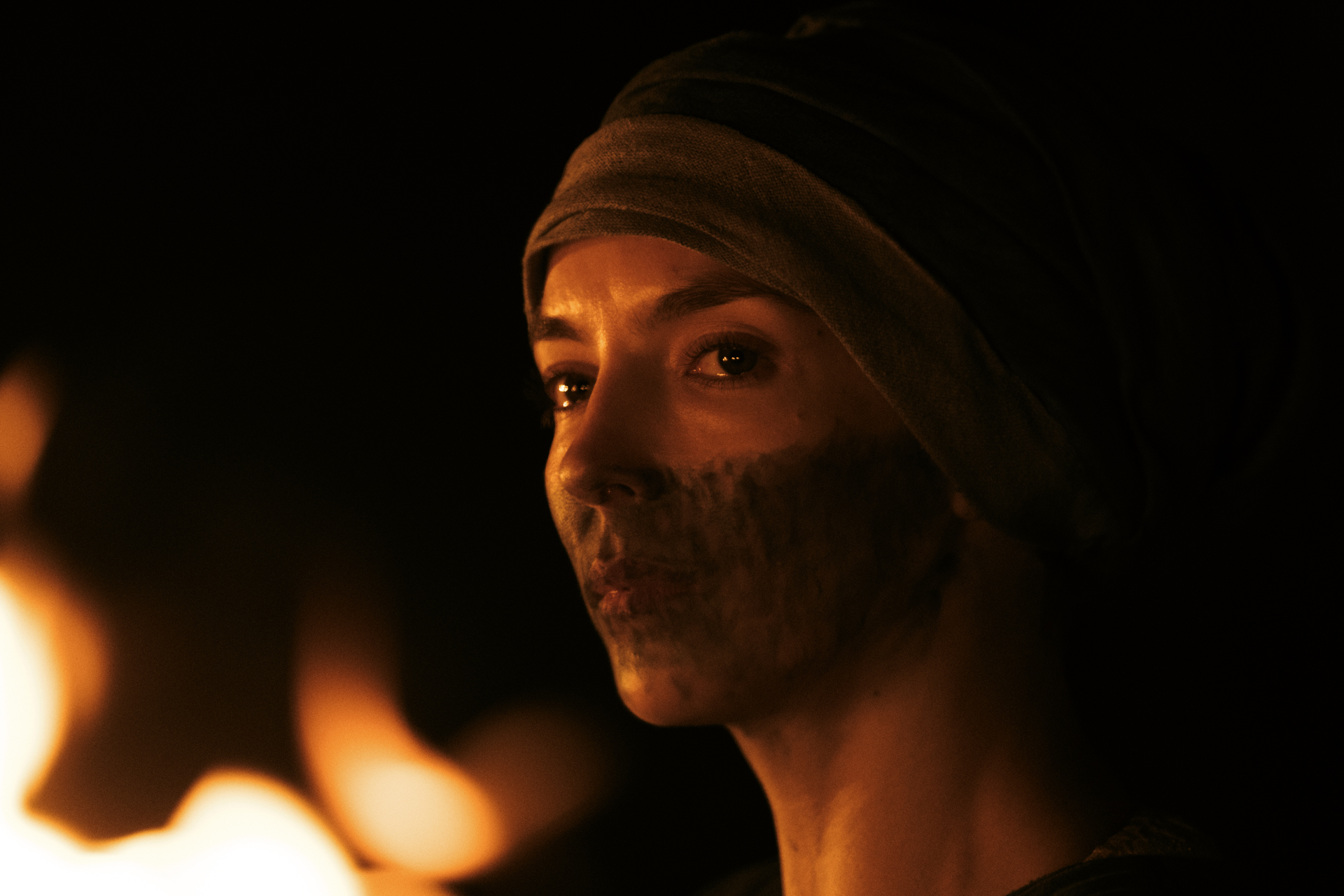
Little John asks for help many years after they last saw each other to help his wife and daughter. At first, he was hesitant, but Robin decided to help his old friend once more as a favor and penance. But his past catches up to him, and Little John is forced to leave Robin, now brutally beaten and bruised, in a safe sanctuary on a remote island run by Sister Bridgid (Jodie Comer). She oversees people in need, those who were abandoned, or those excluded by society who come across her sanctuary. It is in this place that he begins his journey of self-realization and forgiveness. He reminds himself that it is not earned through heroic deeds but through confronting the harm he has caused.
Days and weeks pass, and more people drift into the sanctuary in search of fulfillment or care. Yet Robin remains idle, knowing he must pay his dues somehow. Providing for these people in need does help a little bit. But it isnât enough to fill the hole in his soul. He canât seem to shake off a single memory from his mind. At this point in his life, all Robin wants is to come to terms with what he has done and seek salvation. Through conversations with those who are also carrying emotional scars, he gradually comes to understand that guilt cannot simply be buried. âThe Death of Robin Hoodâ offers an intriguing concept on a part of a classic tale that hasnât been explored before. Sarnoski uses âPigâ and its ideas as a foundation.
A Broken Shell Whom We Don’t Care For
Sarnoski crafts a story centered on a man haunted by his past and searching for meaning, all the while the constraints of the revenge story are broken and shaped into something else. The legend of what made Robin Hood heroic is stripped from him. He no longer has the glory that once defined him. This isnât entirely a tale about how legends are born â it’s about how the âheroesâ must face what lies beneath the myth. Both films are intimate meditations on regret and forgiveness, with great central performances at their cores. However, what functioned in âPigâ does not translate properly to âThe Death of Robin Hoodâ. This happens because Sarnoski does not provide Robin with the emotional depth that Nicolas Cageâs Rob Field has in âPigâ, which makes the film feel less affecting in its climactic moments.
There wasnât a moment when I felt anything for the central character, unlike in âPig,” where the film slowly builds towards a hard-hitting realization that lingers. You are never given a compelling reason to care for the man behind the myth. It keeps Robin at a distanceânot related to the cold demeanor Jackman adopts for his rugged hero â and alludes to his grueling remorse without immersing the viewer in it. The initial sequences see Sarnoski at his most adventurous, dwindling between action and reflection, silence and bloodshed. And that introduction gives the viewer a cinematic high that the film never quite reaches, as the rest of the scenes are medullary dialogue scenes that go the way youâd expect â with lines that tether from comical to revelatory. It becomes quite monotonous in its approach. Sarnoski circles around the same ideas without uncovering new dimensions.
Sarnoski’s Film Circles Around Familiar Ideas
It makes this rethread of his previous ideas serve little purpose, since there is no new angle beyond the one seen in âPig.” At the very least, the concept itself differs from what we have seen before in Robin Hood stories. Yet the fresh premise alone cannot sustain a film whose emotional core never takes shape. So, the question remains: Is there a reason to retell it? I wouldnât. You could do the same with other classic âheroesâ or characters, providing us with a different lens onto their myths. However, without much weight, you canât justify its existence.Â
Discover More: Read all of our A24 reviews.




