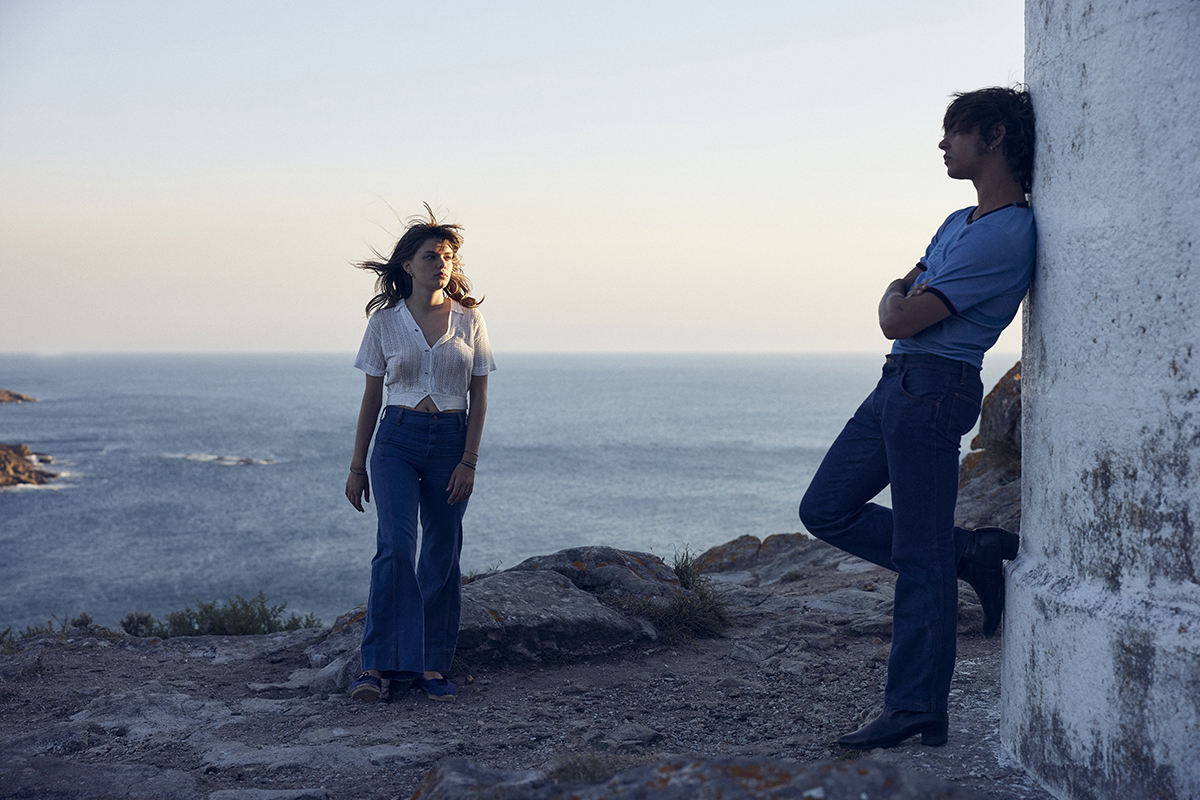
What do we owe the dead? And what do the dead owe us? Often, those meaty, existential questions are easy to flick away â Iâd rather think about whatâs for lunch â but Carla Simónâs swoony, loosely-autofictional âRomerÃaâ forces engagement as a matter of necessity. In three feature films, Simón (âAlcarrasâ) has repeatedly turned the lens on her own history, and she looks even harder here. In âRomerÃa,â Marina (Llúcia Garcia), a young film student, slashes through the secrets and confusing half-truths surrounding the hush-hush circumstances of her parentsâ deaths. Excavating the dead, it turns out, isnât the act of voyeurism or blasphemy that some in her family might imply. For them, it would be easier to look away. Simón â through Marina â holds the gaze and digs into an open wound, blurring the line between expositional naturalism and outright myth-making.Â
Preparing for university, Marina hits a snag when a government office insists that sheâll need family confirmation of her fatherâs death, and his relation to her (âCanât we just add an asterisk?â). The bureaucratic flub hardly flusters Marina. In fact, Garcia imbues in her an unflappability and sideways smirk that suggests sheâs retaining everything for future material. Simónâs episodic script credits her momâs diary (similar to Marina, Simónâs own parents died when she was young), and the filmâs first three acts play out like a live-action personal essay. Introducing complicated family creatures and pairing emotionally-charged conflict with surprising flights to humor or fantasy, âRomerÃaâ conjures Alice Rohrwacher (âLa Chimera,â âHappy as Lazzaroâ), although Simón subdues the dosages of whimsy and post-adolescent mischief.Â
A Generational Echo Chamber
Simón has insisted that âRomerÃaâ is a âfictional creation ⦠rooted in my experience.â And yet a documenterianâs approach forces some distance from what otherwise might be an agonizingly intimate narrative. Itâs tragic enough that Marina can hardly remember her parents, but itâs her pursuit of honesty that rattles, infuriates, and motivates her. Marinaâs aunts and uncles speak in code and contradict each other, creating more questions than answers. Chasing what she doesnât know on foot and boat, camera in tow, Marina pieces together that her parents were addicted to heroin (âHorseâ) and possibly died of AIDS. Only, no one can seem to agree on dates and facts or deliver a consistent message to Marina. Instead, she hears hurtful barbs (âMy mom said to not touch youâ) and finds herself right in the middle of a generational echo chamber of buried grief and collective anger.
Far from a by-the-book bildungsroman, âRomerÃaâ (the term, according to Simón, âis used to designate the pilgrimage of the faithful to a shrine or hermitage to pay homage to a religious figure.â) zags in a dreamy fourth chapter. Marina isnât playacting as deity when, in the final act, the young dead lovers are brought back to life. Here, itâs experimental filmmaking that jolts the structure, an admirable risk that doesnât quite land since what plays out is limited in its imagination and character-building. Mom and dad â played, respectively by Llúcia Garcia and Mitch MartÃn, who also plays Marinaâs cousin â sun-bathe, make out, and tie off in the glorious Galician mountains. Shot by legendary Cinematographer Hélène Louvart (a frequent Rohrwacher collaborator), the grainy, poetic style outweighs the substance (no heroin pun intended), although this showstopping detour is a logical step on Marinaâs mental mission.Â
A Film Grounded in Melancholy
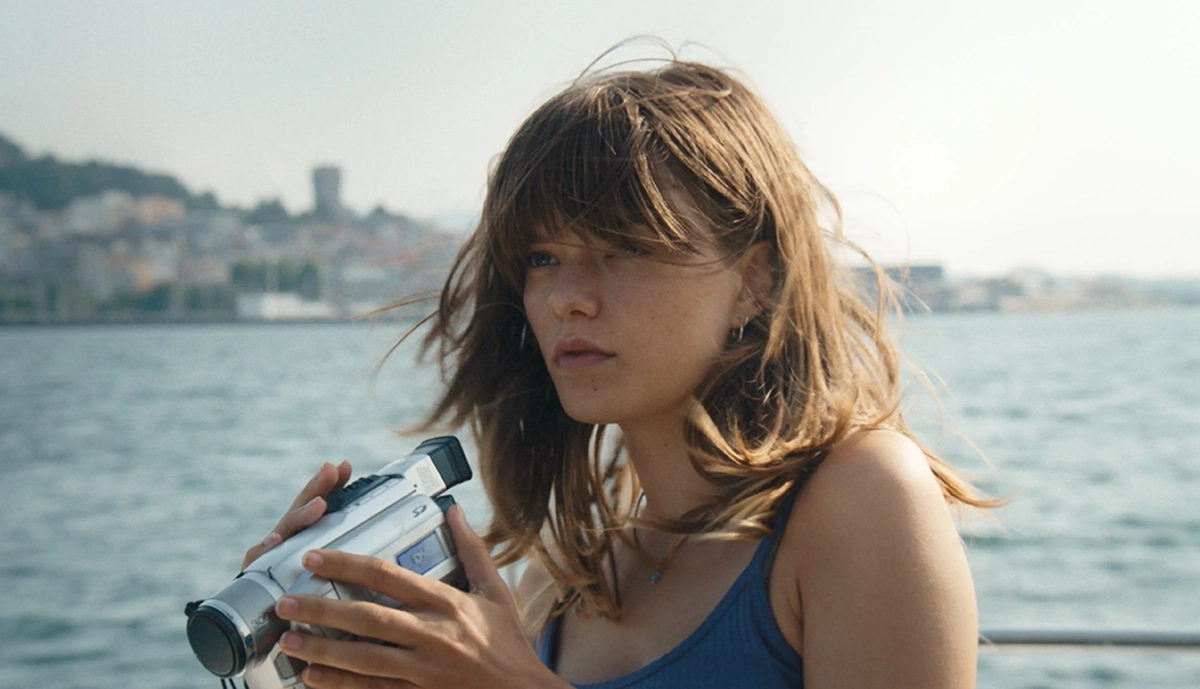
Still, the pared-back melodrama and laughable micro-aggressions (Abuela to Marina: âYou look nothing like your motherâ) grounds âRomerÃaâ in a melancholy thatâs appropriate for a film told in the first person perspective of a young adult/artist whoâs both in mourning and searching. Shifting the emphasis of an earlier question: what do we owe the dead? Simón, through on-screen surrogate Marina, allows symbols and imagery to take hold of the story when words and/or memory fail. Marina, then, calls it like she sees it, summoning the dead to help her understand who made her, so she can credibly remake them on her own terms. Looking to the past, Marina takes what she gets and creates the rest, paying respect to the dead, staging a commendable pilgrimage into her own hazy future.Â
Carla Simónâs âRomerÃaâ opens in New York theaters on June 26th.