





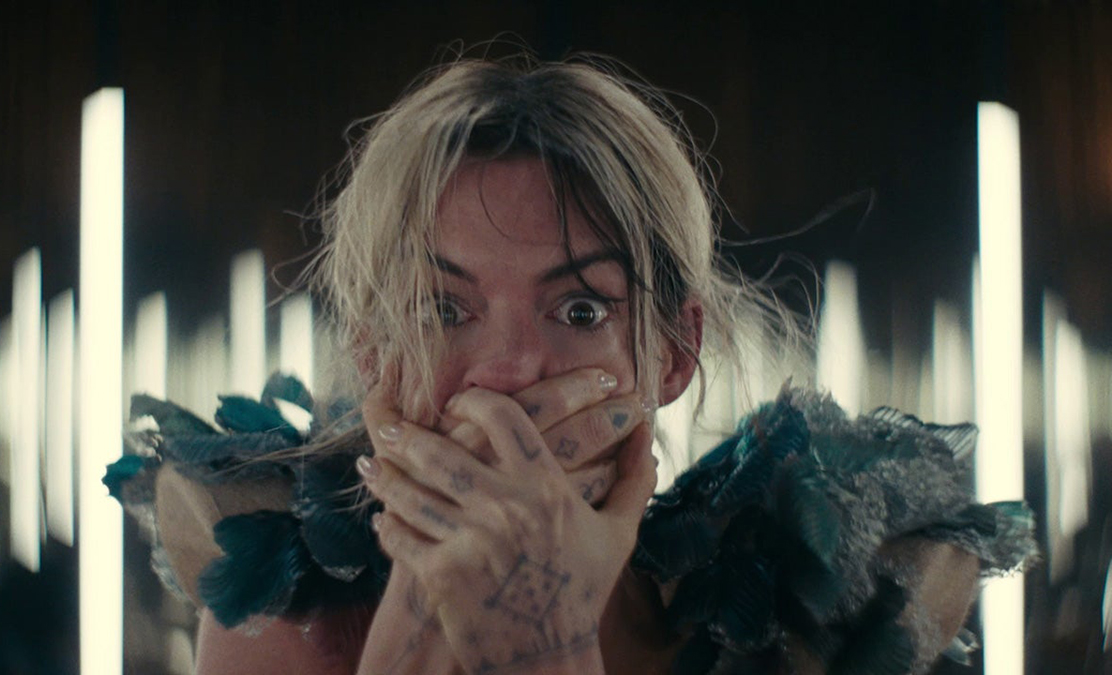
Cover Your Ears. This Song Is Cursâd.
âMother Mary,â directed by David Lowery and starring Anne Hathaway and Michaela Coel, is a musical drama that explores the complexities and challenges pop stars face. The film presents a unique take on the notion of ghosts, depicting them in a way that emphasizes femininity and emotional connection.
The portrayal of the ghost in this film is profoundly unique, offering a depiction that transcends conventional representations. I have rarely felt such an emotional connection to a ghostly or symbolic figure on-screen. The use of fabric in the film is striking, embodying one of the most evocative feminine representations of ethereal beings, simultaneously evoking themes of allure and heartache. The way the fabric flutters, bends, and dances throughout the narrative is nothing short of cinematic poetry, creating a visual experience that stands as one of the most poignant aspects of the film.
Connections Steeped in Femininity
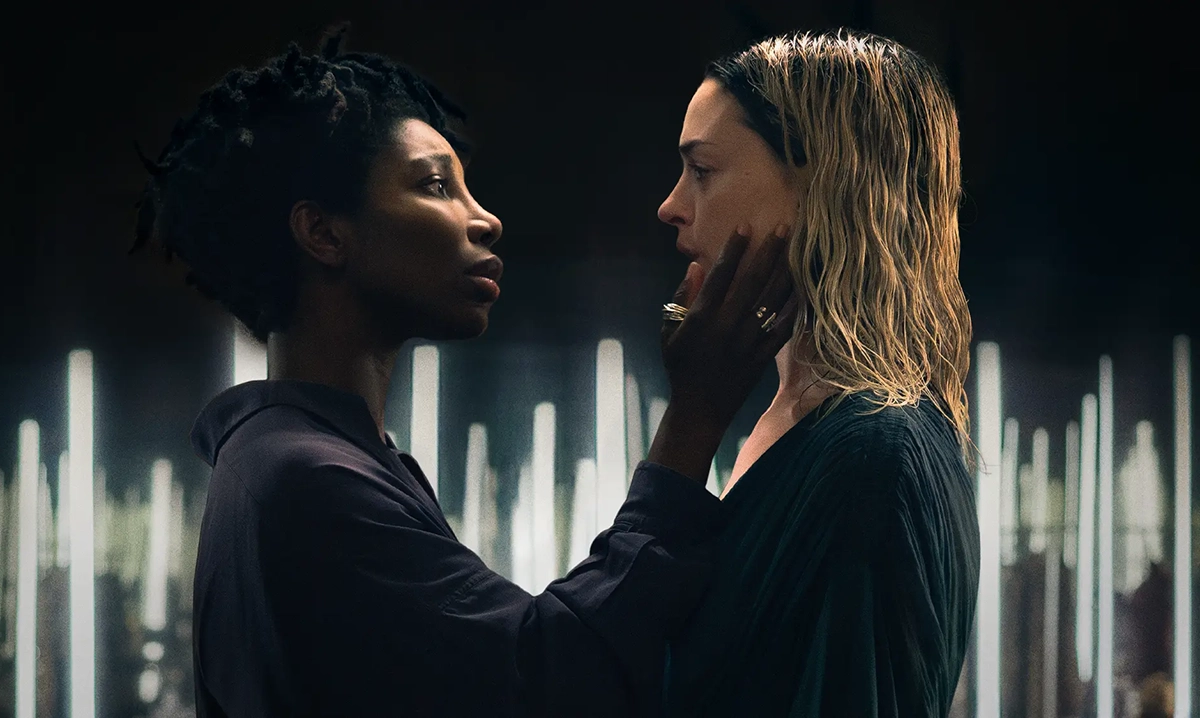
In this film, the ghost emerges as a poignant thread weaving together the narratives of Mother Mary and Sam, underscoring a profound connection steeped in femininity and the heavy emotional toll of loss. Whether their relationship is framed as a friendship or a past romance, the complexity of their bond resonates deeply. The portrayal of female friendships and relationships is intricately nuanced, revealing both beauty and turmoil.
The film’s foundation lies in Mother Maryâs decline and her visceral contempt for her transformed self, highlighting her desperate yearning for liberation. While the initial scenes depict her fall and presumed suicide, the later revelations evoke a deeper shock, reaffirming the filmâs emotional weight. Anne Hathaway delivers a remarkable performance as a fractured pop star, anchoring the narrative with authenticity that suggests personal undercurrents â though interpreting it as such may veer into presumptive territory. Overall, the film is a haunting exploration of identity, loss, and the complexities of female connection.
Dance Transcending Choreography
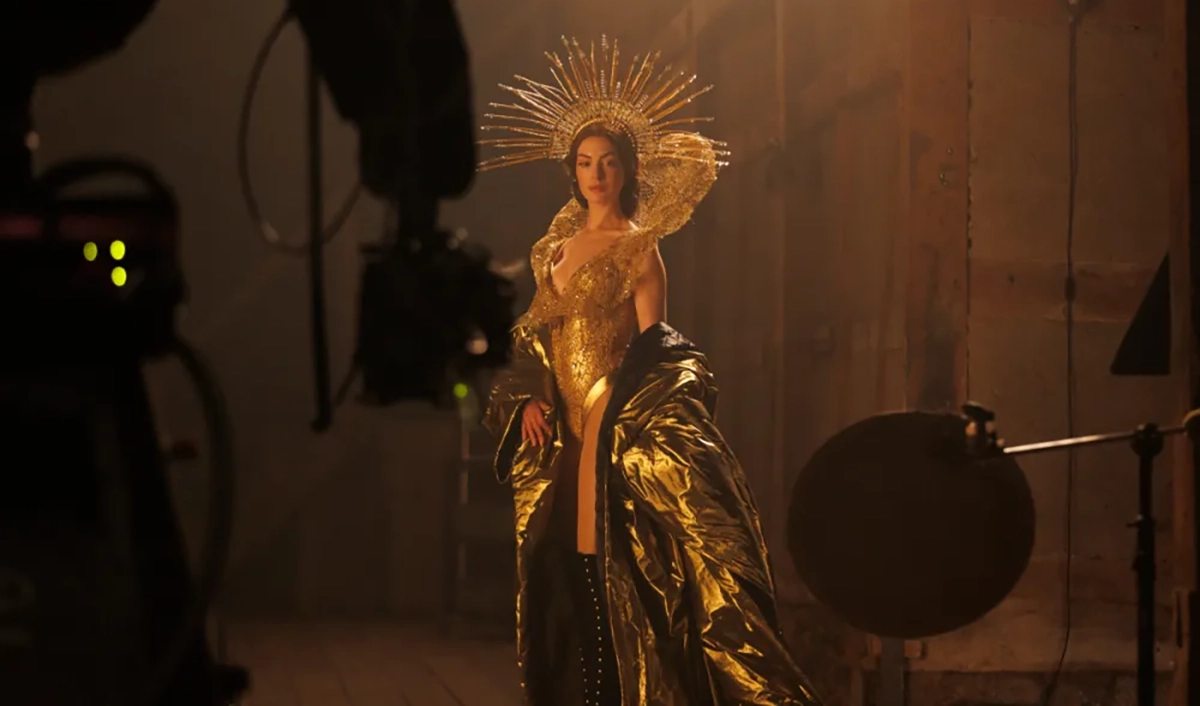
In analyzing a film that explores themes of ambition and self-destruction, the impact of performance is undeniable. A pivotal moment occurs when Anne Hathawayâs character delivers a raw, unaccompanied dance as her swan song. This scene not only showcases her talents but also represents her characterâs internal journey. The lack of music creates an intimate setting, focusing attention on Hathaway’s breathing and the echoes of her steps, stripping away distractions and emphasizing her emotional expression. The dance transcends choreography, revealing her struggles and sacrifices. It highlights the themes of ambition, the quest for perfection, and the toll it takes on one’s soul. Overall, Hathaway’s unvarnished dance crystallizes the filmâs emotional core, prompting reflection on the costs of artistic ambition and the delicate balance between self-expression and self-destruction. It reminds us that profound cinematic moments often communicate through silence, revealing more than words or music can convey.
In a striking homage to âNeon Demon,â thereâs a particularly memorable moment featuring Anne Hathaway as she stands poised on her pedestal after her costume alterations. The scene is visually captivating, evoking the ethereal quality of Elle Fanningâs visions in which glowing triangles pierce through the darkness during her runway walk.
Hathaway’s unvarnished dance crystallizes the filmâs emotional core, prompting reflection…”
Coel Immerses Herself in the Character
Michaela Coel deserves high praise for her performance, which resonated with me on multiple emotional levels. Each line she delivers struck a profound chord within me, and her presence is nothing short of magnetic. Rather than merely acting, Coel immerses herself in her character, making every moment feel genuine and raw. A standout sequence occurs when Sam encounters the striking image of Mother Mary clad in a Joan of Arc-inspired outfit, accompanied by evocative music. This moment captures the essence of inspiration and creativity, her muse, encapsulating the beauty and relatability of artistic expression.
The use of red throughout the film serves as a powerful symbol of femininity â a color deeply intertwined with life and, in a more visceral sense, the experience of menstruation. The final dress, elegantly shaped to evoke the form of a uterus, invites contemplation about the burdens and complexities inherent to womanhood. This nuanced representation in both color and design powerfully conveys the emotional weight carried by women, challenging viewers to confront the realities of their experiences.
Emotionally Impactful
One of the filmâs cleverest decisions is to engage the audience through meta-commentary. The characters become self-aware, lamenting the complexities of metaphor and choosing to abandon it, only for the narrative to pivot back to the metaphorical through the introduction of the ghost. This self-referential approach suggests that the filmmakers are purposefully crafting a deeper thematic exploration â hinting at the ghost’s significance beyond its initial representation of Mother Mary’s decline. However, the restraint shown in not overly complicating the ghost’s role ultimately strengthens its impact, allowing it to remain a poignant symbol of emotional turmoil without descending into convoluted symbolism.
The film’s emotional impact stems from a ghostly figure that feels both strange and relatable, evoking feelings of loss. With a four-year gap between its appearances, the ghost raises questions about its timing. The fabric linked to the ghost creates a connection that oscillates between wanting to pull Mother Mary down and lifting her to something greater. It leaves you thinking: would giving in to this fabric actually be a bad thing?


