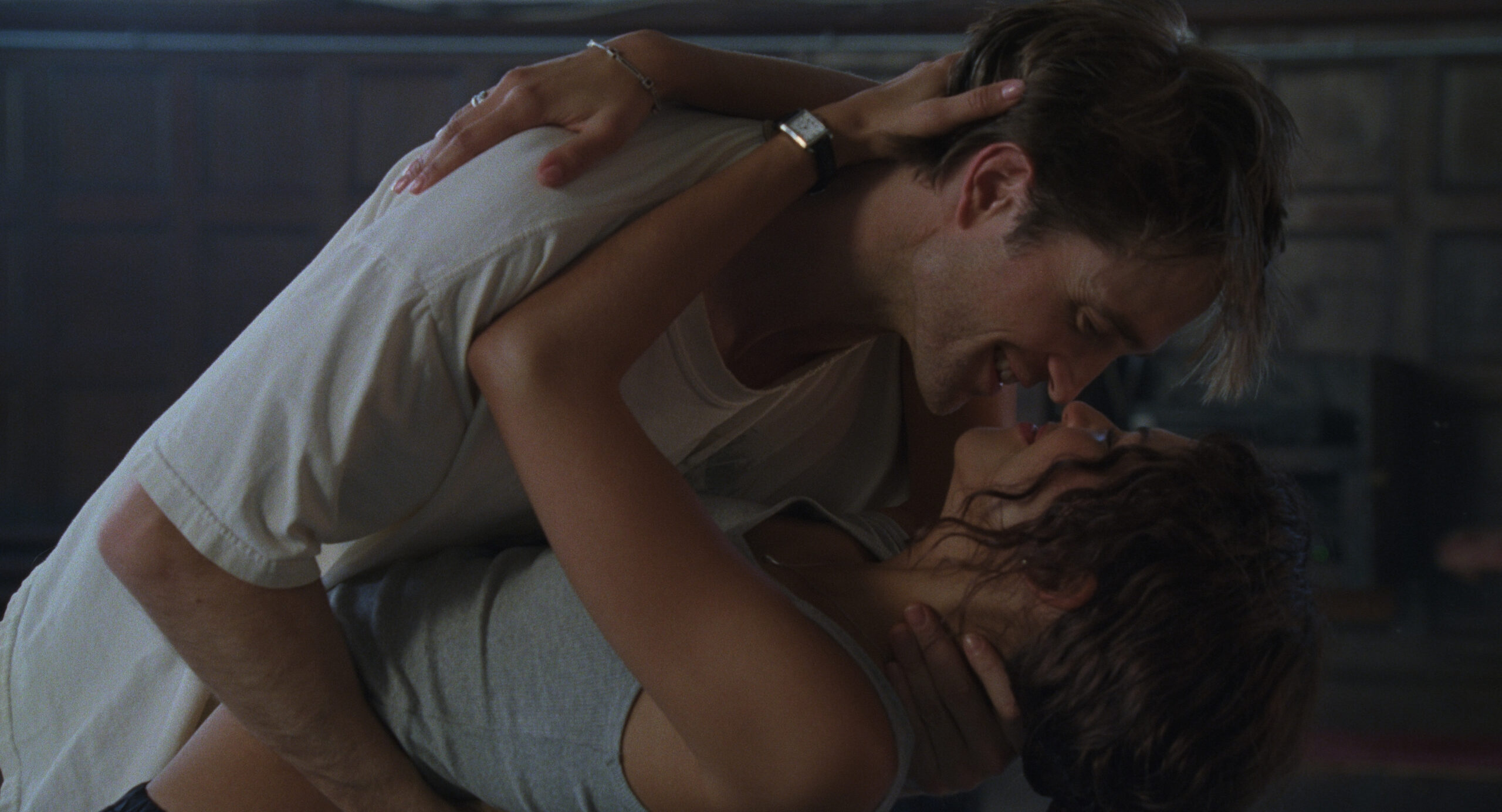
Do you want to know everything about your partner? Do you want to know all of their secrets, whether good or bad? There have been many films that try to answer this questionâfrom Stanley Kubrickâs âEyes Wide Shutâ, where Alice (Nicole Kidman) admits to her partner, Dr. Bill Harford (Tom Cruise), that she had sexual fantasies about a man she met, driving him mad and obsessed with having his own sexual encounterâto Sam Mendesâ âRevolutionary Road,” where a young couple (Leonardo DiCaprio and Kate Winslet) living in the Connecticut suburbs during the 1950s try to come to terms with their personal problems about their ideal lives while raising their two children. Most of these films reveal that complete transparency can be more destabilizing than comforting.
The Removal of Secrecy Exposes the Frail Illusions
The removal of secrecy exposes the fragile illusions that sustain domestic stability. In âEyes Wide Shut,” Kubrick suggests that desire, when verbalized without restraint, removes the boundaries of trust and control. Meanwhile, in âRevolutionary Road,” Mendes frames honesty as a cause for the erasure of comforting fantasies. It gives way to disillusionment and resentment. In this aspect of their respective narratives, the two films argue that relationships do not flourish by knowing everything about your partner; what helps bonds bloom is the balance between honesty and restraint, enabled by vulnerability and understanding, more than by the need for disclosure. However, while the two films might center around these relationships in difficult scenarios, those are a catalyst for something broader thematically.
For example, âRevolutionary Roadâ critiques the illusion of having suburban perfection surrounding the faux âAmerican dreamâ. Gender roles and identity are challenged through societal expectations and a mundane existence. Within that exploration of the relationship between the characters, there is something moreâa conversation about society and their swindling morals. In Kristoffer Borgliâs latest work, âThe Drama,” the same thing occurs. It begins with the reveal of a secret that fractures the main charactersâ bonds and ends with a commentary on the modern generation and their hypocritical morality tests. In his previous works, Borgli has criticized todayâs society through satirical and provocative premises. In âSick of Myself,” a woman does anything imaginable, including contracting a life-altering disease, to get the attention of Osloâs cultural elite.
This 2022 film tackles the extreme narcissism of todayâs youth and the social-media-driven desire for recognition as the lead characterâs delusion and craving for fame grow inside her. In âDream Scenario,” a man, out of nowhere, begins to appear in peopleâs dreams, which starts as a heartwarming occurrence for him but later spins into a nightmarish territory. The film, similar to the previous one, explores viral recognition and cancel culture. But from the angle of collective consciousness and parasocial relationships. But in âThe Drama,” Borgli wants to be more incendiary than before. He wants to catch the audience off guard with his prodding. And while there are many truths to his critiques, the film does not reach the heights of its premise and examinations due to his difficulty in navigating Zendayaâs tricky character and dilemma.Â
A Drunken Game Reveals a Terrible Secret and Even More Appalling Truths
âThe Dramaâ centers on a couple, Charlie Thompson (Robert Pattinson) and Emma Harwood (Zendaya), who are getting married in a week. The two of them match; they are nearly soulmates. And their big day is coming up, when they are going to tie the knot officially. But all of that is soon to change upon a small drunken divulging of secrets, shifting their bondâs tides vastly. On the night of the wine tasting, maid of honor Rachel (Alana Haim) asks the soon-to-be-wed couple and best man Mike (Mamoudou Athie) to join her in a game where they must reveal the worst thing they have ever done. They reveal their heinous acts one by one, a vile act after another, for which they havenât had repercussions.
When it is Emmaâs turn to speak, the game abruptly ends because her secret is so concerning. However, thereâs a difference between their respective secrets. Although the rest of them did what they said, Emma only thought of doing hers, never actually going through with it. And just because of a thought, they react baffled, as if sheâd done the act. Rachel, Mike, and Charlie donât know what to say other than to judge her, all the while Emma does the opposite and doesnât compare herself to those who have done vile things to people who havenât deserved such treatment. In a matter of seconds, everything Charlie thought of Emma went through the window. Now, he has a new perspective on her, one that Charlie doesnât know if he can forgive or forget.
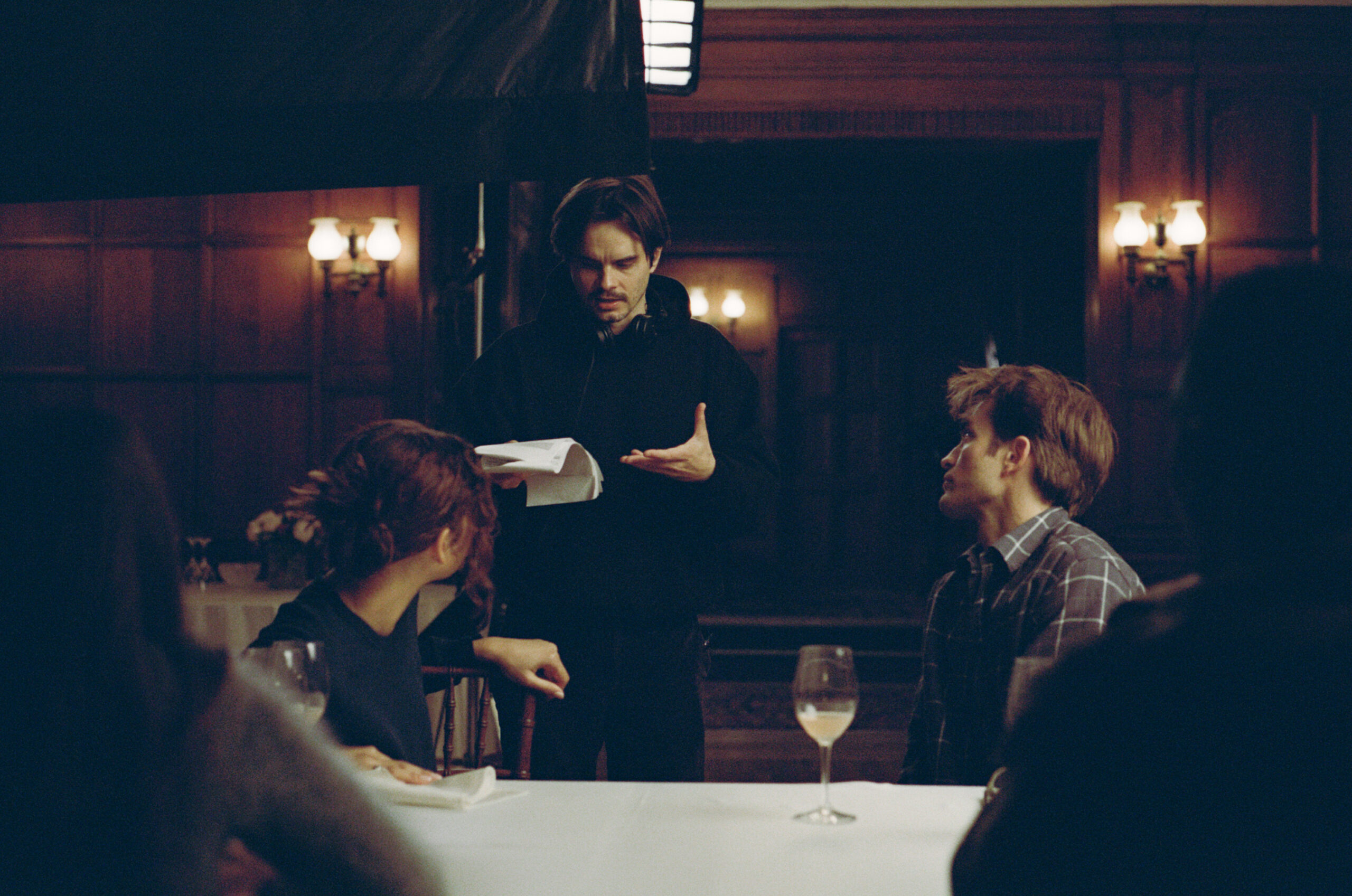
It leaves Charlie with plenty of doubt and concern about whether he ever knew the woman he loved and will soon marry. Heâs struggling to come up with an answer on whether to stick by her side even after such a reveal, even though nothing happened, or not? Can he learn to forgive and leave his judgment to give way to love? What ensues from this debacle between the characters is a series of hypocritical overreactions as we head towards the wedding day, with tons more scenarios that call into question the fragility and sustainability of Emma and Charlieâs relationship. Where does forgiveness lie in this scenario? Is Emma at fault for a thought? Is she deserving of such hostility while the rest went on and did awful things? What does this say about Charlie, Mike, and Rachel?
A Tale of Hypocrisy and Morality Tests
Borgli makes the viewer question the charactersâ (and your own) morals when it comes to judging people and their inner evil, whether acted out or not. He asks us a multitude of questions regarding our ability to forgive. âThe Dramaâ is a tale of hypocrisy, both political and societal, regarding our moral stances, past decisions, and the people we connect with. The characters communicate their frustrations, grievances, and counterpoints through dialogue set-pieces that range from acute to cringeworthy, both in and out of the film’s effect. Borgli begins his film with the classic âDo you really want to know everything about your partner?â premise that has been covered before, but later shifts to a tale of America looking at itself and administering âholier-than-thouâ morality tests on topics ranging from racism and misogyny to gun control.
There is also a spin on the film that you can see as a critique of social media and online crowds, especially Twitter/X, who feel the need to grade or compare themselves morally to others and to their respective dilemmas. Even with those tough topics smeared with the narrativeâs backbone, Borgli doesnât engage with them properly. He leaves them aside, or, for the matter of cheap reaction, rather than for social commentary. These topics serve as a guide for creating discomfort and unease between the characters and the audience. In that regard, they are quite effective. While watching, it is easy to feel uncomfortable, as the excellent and acute performances help fine-tune the tone of âThe Dramaâ. However, a sense of irresponsibility is felt through Borgliâs approach to the topics.
Evading Sensitive Topics Through the Narrative
Borgli might evade them through the narrative, but the finished project cannot be dismissed. And it lacks a proper dissection of these topics. If you are bold enough to put them on the screen, then be brave enough to comment on them. You can’t just leave them to the side as part of the jet-black humor and nothing else. Borgli doesnât seem bothered to comment on the sensitive topics that accompany Emmaâs character. While his characters were previously more caricature-like, here he attempts a more grounded and psychologically complex portrayal, yet stops short of interrogating the material with the depth and clarity it demands. It occasionally reeks of cowardice. If only the actors playing these roles werenât so talented in giving their characters the emotional credibility that âThe Dramaâ seems reluctant to confront thoroughly.
I do believe âThe Dramaâ has many interesting facets, even in Borgliâs vague attempts at grappling with its unsettling ideas and sensitive topics. It will be a film that will spark tons of online conversation. But will audiences engage with these discussions in a meaningful way? The discussion so far, a week into the filmâs release, has already escalated in both healthy and unhealthy ways. For what it is worth, I have had more enjoyment from discussing âThe Dramaâ than from watching it, and it is all because of Borgliâs hesitancy to confront the topics he puts on the page and onto the screen.