In the 2015 film âSpotlight,â Editor Marty Baron, played by Liev Schreiber, instructs his journalists to show that child sexual abuse by priests was part of a larger system. âShow me this was systemic,â he says, âthat it came from the top down.â
In the documentary “Dear Lara,â celebrated violinist Lara St. Johnâs debut feature playing at Santa Barbara International Film Festival, the driven musician and social justice advocate goes after the system.
It shouldnât be surprising that child sexual abuse occurs in many spaces where there is an imbalance of power. However, watching it unfold throughout âDear Laraâ doesnât make it any easier. At the documentaryâs opening, St. John details her own sex abuse and rape at the hands of her major teacher at Philadelphiaâs Curtis Institute of Music when she was 14 years old. This is St. Johnâs first filmâin fact she tells the audience she taught herself to film in order to bring her and other victimsâ stories to lightâyet she hits all the right notes in the opening. Looking at a photo of she and her brother Scott at a young age as they moved from Canada to Curtis for music study, you glean the bright-eyed innocence about to be taken advantage of.
Chronicling Child Sex Abuse in Classical Music
Just as Boston Globe readers were shocked to learn of the systemic sexual abuse by priests covered years later in âSpotlight,â viewers will likely be saddened, maddened, and broken by the abuses laid bare here by St. John. The worst part of both storiesâthe Catholic Church and the classical music machineâin fact might not have been the abuse itself (of course it was), but the cover-ups and psychological abuse heaped on the children and young students who reported it. Halfway through the documentary, music critic and journalist Anne Midgette comments on this. âThe amount of vitriol that is waiting there for women in this field is really striking,â she says.
St. John’s documentary holds a raw, vulnerable quality that can only come from a first-time filmmaker.”
But âDear Laraâânamed after the many letters Lara received after going public with her abuseâis not about her. Itâs about the countless women this happened to and finally giving them a voice and support. âIâm a survivor,â St. John narrates, âbecause Iâm not dead. A lot of these people are dead.â Yet the filmâcontaining the raw, unfiltered look at these atrocities only a first-time filmmaker can bring, gives a sense of hope. Through Laraâs outreach, many victims felt heard for the first time. After reading St. Johnâs article in the Philadelphia Inquirer, one person was quick to assume Laraâs abuser was Rafael Druian, the teacher who victimized his fiancée. The stories sounded that similar. And of course, all along the documentary the womenâmany who were children at the time of their abuseâare accused of âruiningâ the careers of famous teachers for speaking out.
Of Evil Systems and Good Men Who Fail to Act
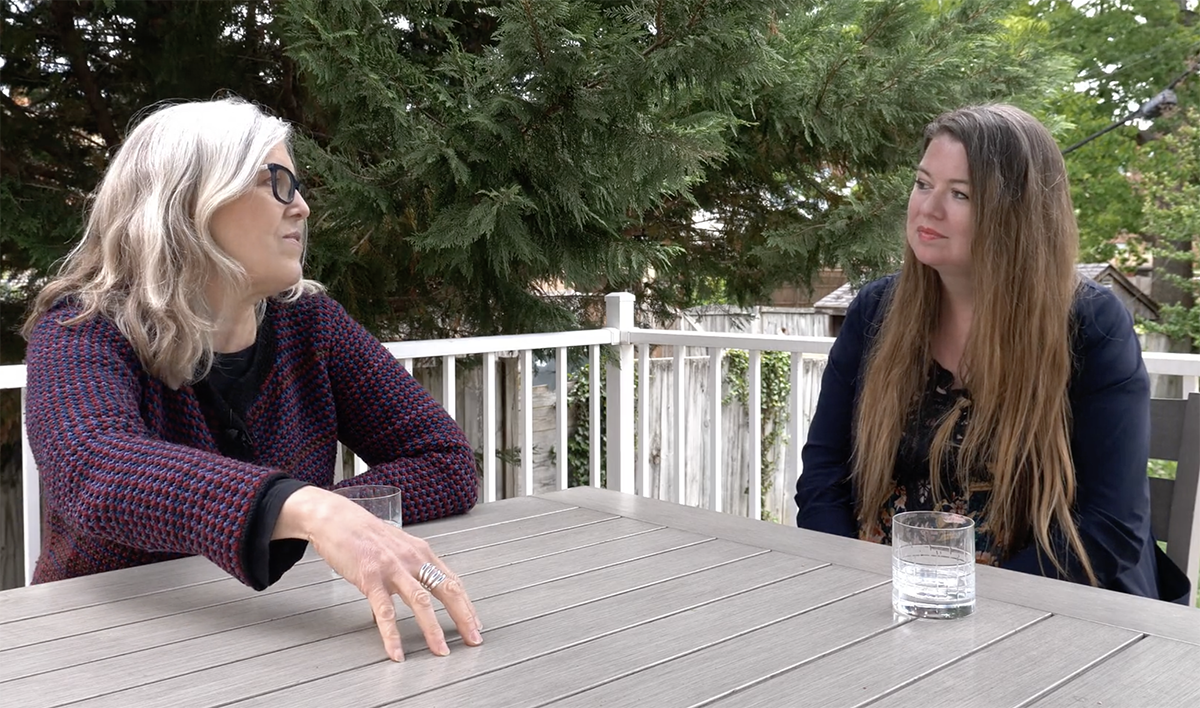
The part of âDear Laraâ that stuck out most to me was the sense of shattered innocence in tandem with people studying classical music, which can produce some of the most beautiful sounds imaginable. Yet many of the victimsâBoris Berlinâs victim, Lusiana Lukman, was 15 years old at the time of her abuse; Robie Brown, who died by suicide at 34, was first raped by her teacher at 8 years oldâwere rendered unable to play or love music due to the association of abuse. Brown was âmovedâ to cello when she couldnât touch her violin any longer. And even when teachers were âheld accountable,â that usually involved letting them resign with dignity. Their sex abuse was hidden, allowing them to then work for other schools. One such abuser became a faculty member at Chethamâs School of Musicâa music school for childrenâwhere abuse continued.Â
The amount of vitriol that is waiting there for women in this field is really striking.â
Anne Midgette, music critic
In âDear Lara,â however, St. Johnâthrough intimate and approachable interviewsâseeks to uncover the systemic aspect of the abuse. She also lays bare the hard truth that everyone knew about it and did nothing. It also addresses roadblocks, such as statute of limitations, which in some states is two years, whereas murder never expires. As one advocate explains, 6-year-olds would have to retain counsel and file charges by the time they were 8. And while that sounds absolutely ridiculous, it’s the reality victims dealt with. Which is why many of them took their own lives. St. John hammers this home with a macabre statement: âThe ones who died got a death sentence; but the ones who lived got a life sentence,â she says, indicating having to live with what was done to them.
A Powerful Documentary
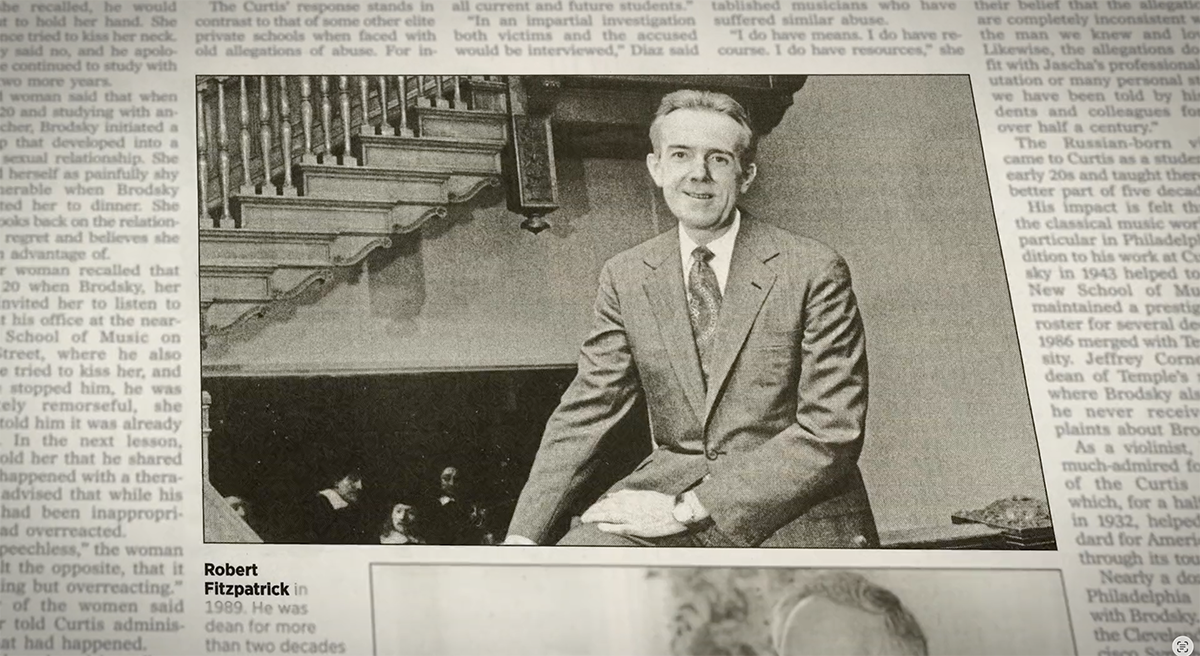
Of course there are broader points throughout âDear Laraâ about power dynamics and systemic injustice. It comments on predatory capitalism. In particular, how the draw of students to world-renowned teachers outweighed the schoolsâ desire to stop the abuse. Lara mournfully laments that Curtis still has not apologized or made any indication they even care. Itâs a stark juxtaposition to St. Johnâs story and the many survivors who took part in this documentary. Dealing with trauma and PTSD, they seek only to help each other and to prevent this from happening again. They could be so angryâand rightfully so. Yet âDear Laraâ presents a world where they work for hope this will not happen to others in the future.
âDear Laraâ is a powerful and hard documentary. And necessary. One of its most moving parts occurs towards the end as Lara and Scott discuss his regret for not doing enough to protect her when he was at Curtis. Lara understands but doesnât hold anger. âWe were kids,â she says. âHow were we supposed to know what to do?â And the filmâs final moments offer hope mixed with levity as St. John plays violin alone in a room, the sound mixing perfect, the warm, lovely tones acting as an ode to the passion of so many students that was stolen by evil men and people who did nothing. As the film closes, she puts a link up to www.dearlarafilm.com for survivor resources. One can only hope future generations of music hopefuls will be spared the unnecessary evils documented in âDear Laraâsâ solemn 1 hour and 35 minutes.
“Dear Lara” premiered at SBIFF on February 6, 2026. Follow The Movie Buff for continuous coverage.