



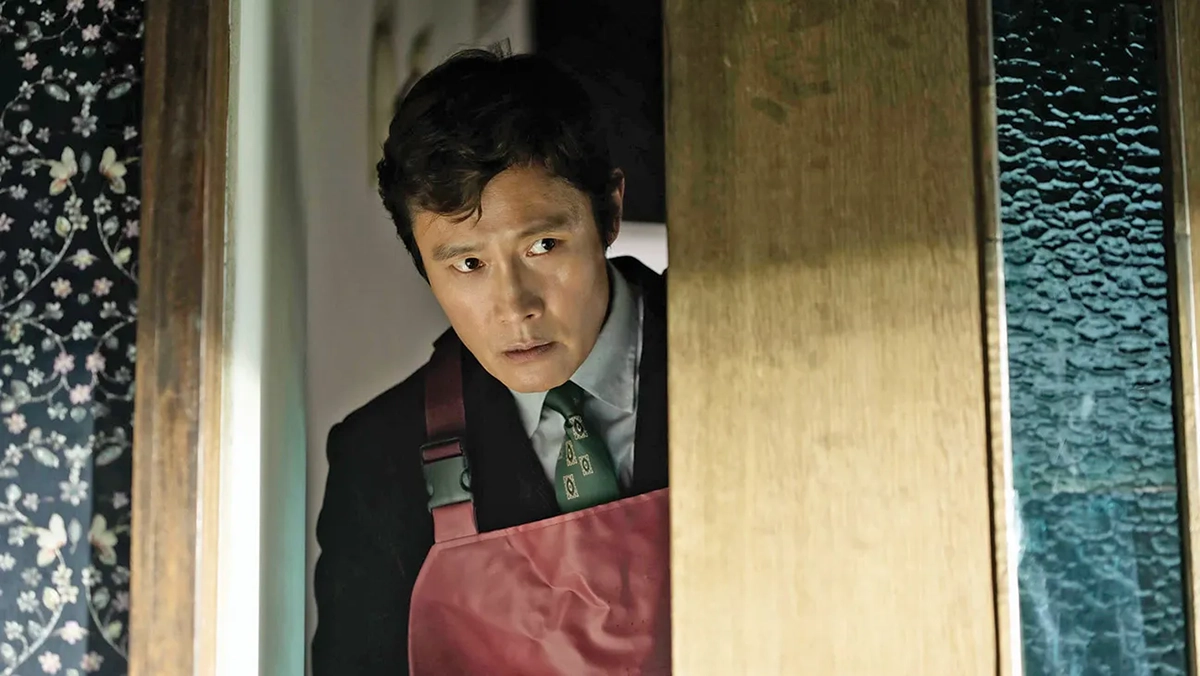
Delirious, dangerous yet never quite jumping over the ledge, Park Chan-wookâs âNo Other Choiceâ (2025) is a madcap revenge thriller and (or?) a violent, hilarious black comedy. No matter the genre distinctionâit is nominated for three Golden Globes, including two under the ‘Musical’ or ‘Comedy’ labelâitâs the most fun movie of the year, maintaining its giddy momentum on the strength of Parkâs stylistic bravura and heightened performances which rise to the filmâs antic mood. Playing the violence for laughs and the lighter moments for chilling discomfort, Park (âDecision to Leaveâ) exercises caution against excess, mastering contrasts throughout the filmâs varying peaks and twists. Indulging in his trusty, daring cinematic instincts, Park stacks a domestic drama on top of a boffo Western on top of a procedural, smuggling real human emotions and Big Ideas into crowdpleaser packaging, sum-totaling to a career-best effort from the distinguished South Korean auteur.
According to Howard Hawks, a good movie is âthree great scenes, no bad scenes.â In âNo Other Choice,â Park layers on offbeat touches and glorious substance at an unrelenting pace, hurling memorable images like high-speed fastballs. Even the weaker scenesâcall them that if you mustâare admirable for their goofy gusto or expository relevance. Based on Donald Westlakeâs novel “The Ax,” âNo Other Choiceâ is a long gestating passion project for Park, who teamed up on the script with Lee Kyoung-Mi, Jahye Lee, and the underrated Canadian writer/actor/director Don McKellar (a co-collaborator on HBOâs âThe Sympathizerâ). Opening “No Other Choice” in an enviable, spacious side yard (itâs not exactly a backyard, because it wraps around the entire house), Park and Director of Photography Kim Woo-Hyung convey an upper-class nuclear familyâs domestic bliss, as they bask in the good fortune of their material world.
Park Has Many Tricks Up His Sleeve
The camera swoops and swirls, surrounding this family like a bubble protecting them from external strife. Dad Man-su (Lee Byung Hun) is cooking up some eel on the grill. Mom Miri (Son Yejin) beams over the pair of golden heels her hardworking husband gifted her. Si-one (Kim Woo Seung), the prodigal daughter, shreds on the cello upstairs while her older brother Ri-one (Choi So Yul) chases around two angelic golden retrievers. A full family hug and a teasing overhead shot closes that sequence, yielding to a shrieking Man-su practicing a heated speech to an audience of underlings. Soon, Man-su shrinks from his mighty patriarchal pose, learning that the new American corporate owners of the paper company where he’d worked for twenty-five years sent eel to all of the laid-off employees. Embarrassed, frightened and emasculated, Man-su withers at the dinner table when reporting the news. Miri, however, takes action, and an ax to all of the familyâs unnecessary expenses.Â
Second car? Gone. Tennis? Miri already sold her racket. The cello lessons must continue but Netflix is cut off, and worst of all, they canât afford to feed the dogs, so here come the grandparents as temporary caretakers. Had “No Other Choice” followed the formula for, say, a domestic dramedy about a belt-tightening family, itâd likely still been subversive, wicked, and heartfelt fun. But Park has too many narrative and visual tricks up his sleeve, so when a despondent Man-su hatches a scheme to lure his most qualified unemployed peers (Lee Sung Minâs Bummo is a standout character, the type of guy Man-su could probably have a whiskey or an apple juice with, if heâd given him a chance!) to their own murder, âNo Other Choiceâ kicks into a supercharged gear that doesn’t let up.
An Unapologetic, Twisted Romp
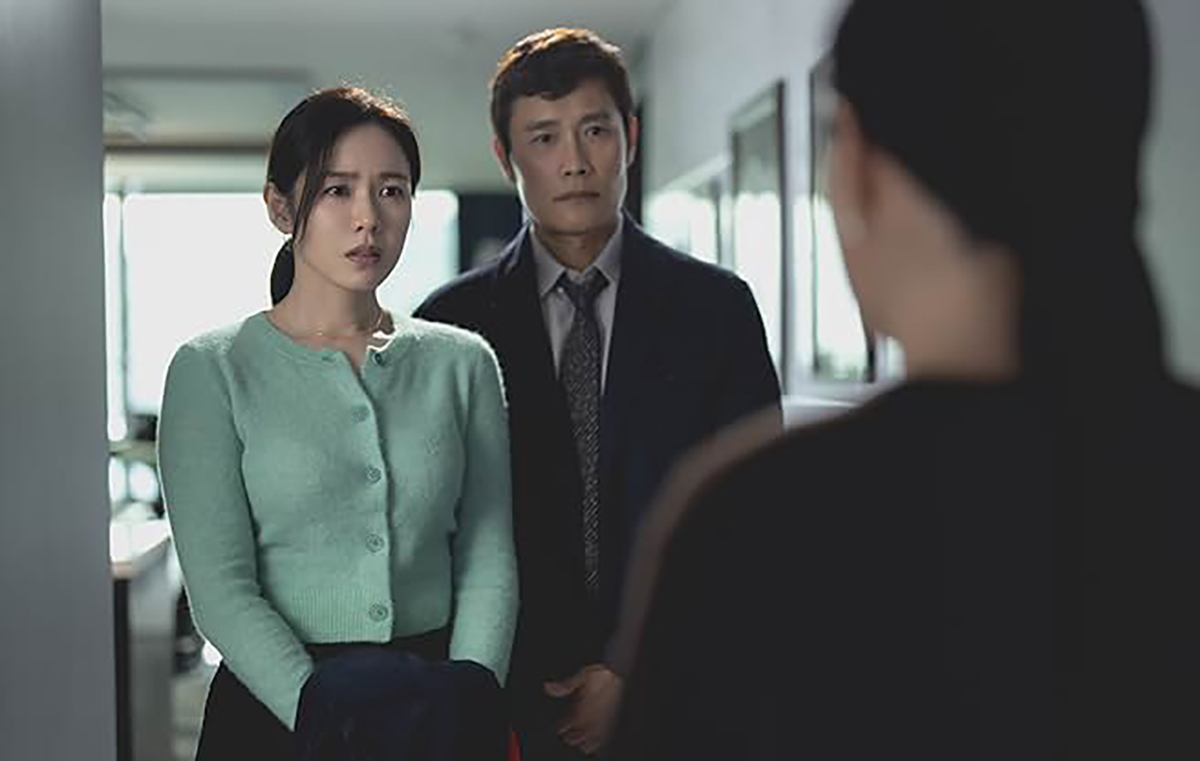
The commitment from the actorsâall game, especially Son and Globe-nominated Leeâand the steady stream of buffoonery and desperation redeem the film when it steps on its own toes. Itâs confusing, for example, when Miri reverts to the mean of servile housewifeâor, in a particularly stale scene, a seductressâgiven her assertive, follow-my-lead energy exhibited at the beginning of the familyâs crisis. Considering the ratio of great to bad scenes in âNo Other Choice,â a storytelling misfire feels like it might amount to Park straining to meet Westlakeâs source material, rather than following his own creative whims. Through it all, Cho-Young Wuk deserves extra credit for an elegant score which guides, but never overwhelms the senses, providing a distinguished companion to Si-one’s aching solo performances.
Similar to âAnoraâ (2024)âwhich Iâd dubbed the most fun movie of last yearââNo Other Choiceâ didnât, for me, exactly stick the landing at the end. But, in both cases, a disappointing finish is perhaps my problem, a case of having enjoyed the remainder of the film so much that the finale is a victim of its own smashing success. Any capsule or blurb about Park’s work will, inevitably, sell it shortââThe Handmaidenâ (2016) was more than an historical drama or an erotic thriller, but mamma, it sure was those thingsâso a full review might struggle to rally people from their holiday comas to see the film in theaters. An unapologetic, twisted romp, “No Other Choice” has a little bit of somethingâhumor, gore, dancing, corporate jargonâfor everyone. And thanks to Park and his merry band of pranksters, the film aces the Hawks’ test.
âNo Other Choice,â a Neon release, opens in theaters on December 25th.