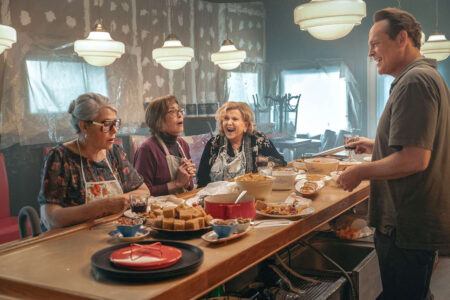
Robert Redford has died at 89. Actor, director, Sundance founderâsure, all of thatâs true. But really, he was the face of a certain kind of American movie star. Not loud, not showy. Thoughtful. Intelligent. Quietly magnetic. The guy who could hold a frame by doing less, not more.
Acting was never his plan. Redford wanted to paint. He studied art in Europe, came back to New York, and figured his life would be about canvases, not cameras. But he found his way to the stage, then the screen, and then suddenly he was Paul Newmanâs partner in “Butch Cassidy and the Sundance Kid.” That role made him a superstar, but it also gave him the name for the thing that would define his legacy just as much as his acting: Sundance.
Redford: Calm, Grounded, and Steady
The thing about Redford on-screen, is that the work can almost disappear if youâre not paying attention. He didnât fill the space with tics or fireworks. Redford played men who listened, who thought, who kept the center while everything else swirled around them. And he had that rare ability to make stillness feel alive.
That made him stand apart from the louder stars of his time. Nicholson, Pacino, Beattyâguys who thrived on volatility. Redford was the opposite: calm, grounded, steady. Dustin Hoffmanâs twitchy, nervy energy in “All the Presidentâs Men” works because Redford is there as the counterbalance. Newmanâs charm in “The Sting” glows brighter with Redford holding the floor. He was the anchor.
Redford played men who listened and kept the center while everything else swirled around them.”
Of course, his composure and his looks could also be a curse. Mike Nichols told him he couldnât play the Hoffman role in “The Graduate” because, âYou canât play a loser. Look at you.â So Redford didnât play losers. He played men who refused to crack, even when you could see the cracks forming. Guys who carried doubt and disappointment like invisible weights, trying not to let them show.
From Painting, To Acting, to Advocacy
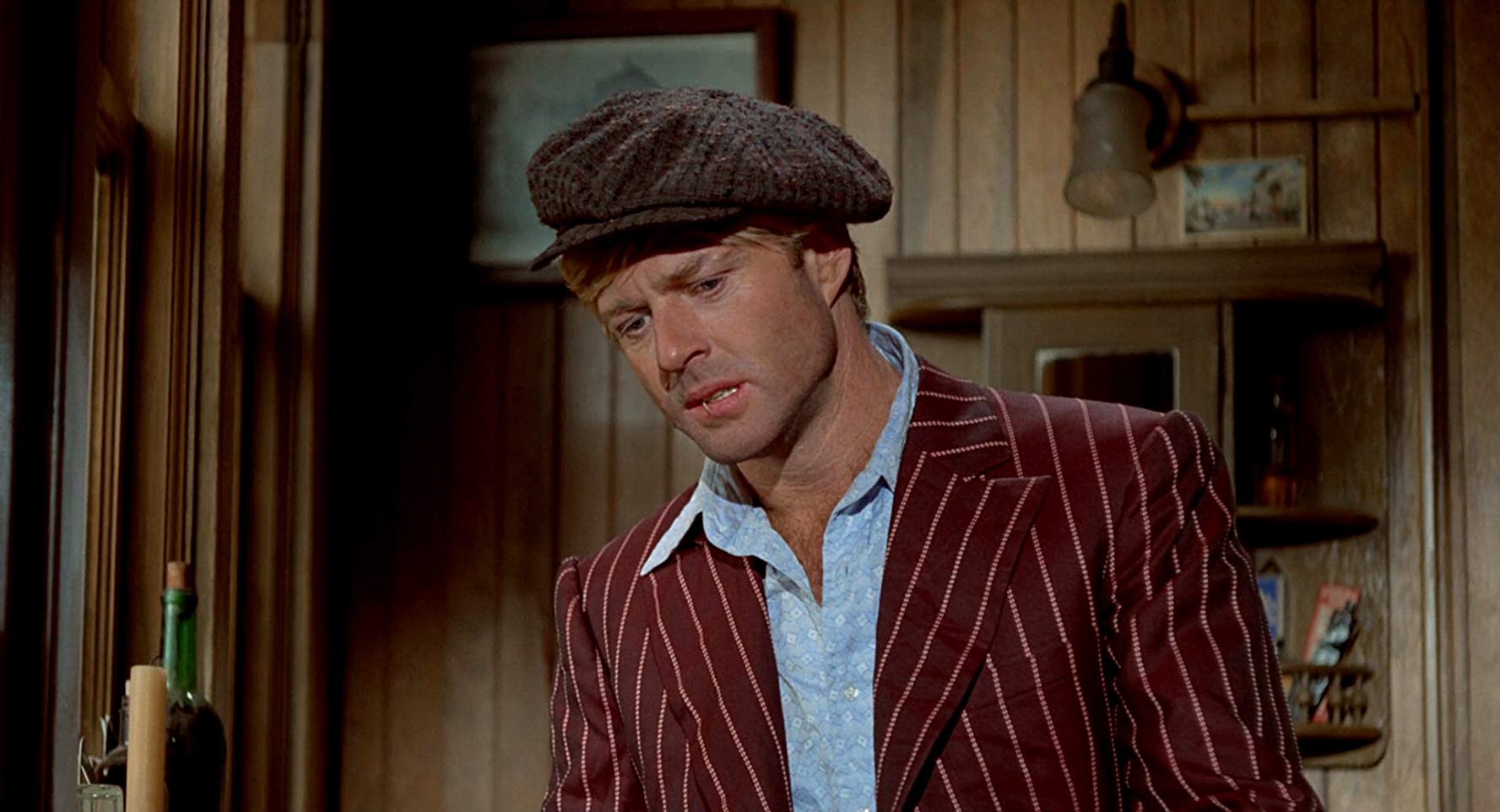
For all his fame, he was never really treated as a heavyweight actor by the industry. One Oscar nomination for actingâ”The Sting.” Thatâs it. Behind the camera, though, he proved himself over and over. “Ordinary People” won him Best Director, “Quiz Show” got him another nomination, and eventually the Academy just had to give him an honorary award for the sheer breadth of what he builtâfor Sundance, for the filmmakers he supported, for changing the entire landscape of American cinema.
He never loved the spotlight. He stayed out of gossip pages, ducked the circus of celebrity. But when it came to causes he believed inâenvironmentalism, political responsibility, artistic freedomâhe didnât hesitate. Not loud, but steady. He used his fame to lift up other people, not himself.
‘Sneakers’ is the movie that made me fall for Redford, and the one I reach for when I need comfort.”
And maybe thatâs what defined him most. Redford wasnât desperate to prove range or transformation. He didnât vanish into accents or prosthetics. He knew who he was, and he leaned into it. That self-possessionâthat sense of âthis is enoughââbecame his greatest strength as a movie star. And maybe thatâs why his work endures: because he never strained for it.
5 Films to Remember Redford By
His legacy isnât just the movies he made. Itâs the space he created for others to make theirs. He showed it was possible to be a movie star without losing yourself.
Picking favorites feels impossible, but these are the five Robert Redford films that mean a great deal to me:
1. ‘Sneakers’ (1992)
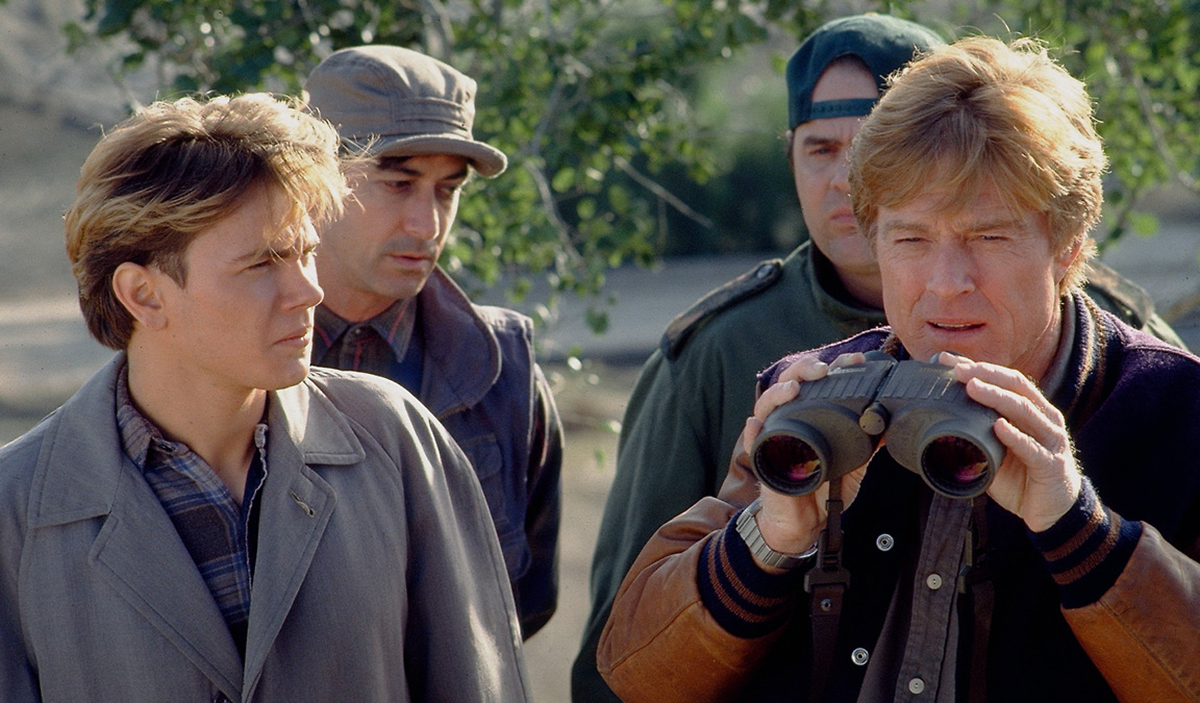
One of my favorite movies of all time, and the first time I ever really knew Robert Redford. A warm, comforting techno-thriller about a crew of oddball security experts suddenly caught up in a game bigger than themselves. The ensemble is stacked (Poitier, Ackroyd, Strathairn, Phoenix), but itâs Redford who makes it singâcalm, funny, charismatic, effortlessly holding the center while the chaos swirls around him. Itâs the movie that made me fall for Redford, and itâs still the one I reach for when I need comfort.
2. ‘The Last Castle’ (2001)
A late-career reminder of his old-school movie star gravitas. Redford plays a disgraced general with the same calm authority he always carried, turning a conventional prison-military drama into something unexpectedly stirring and engrossing. Watching him square off against James Gandolfini is worth it every single time I revisit itâproof that even late in his career, Redford could still command the screen. Itâs a movie Iâll go to bat for any day.
3. ‘Spy Game’ (2001)
âDinner Out is a GO!â An underrated Tony Scottâdirected espionage gem, and one of the great examples of Redford as both movie star and mentor. As a cagey CIA veteran running circles around Brad Pittâs young recruit, he folds his whole career of cool professionalism (“Condor,” “Presidentâs Men”) into a sly, charismatic performance. Pittâs learning the ropes; Redfordâs teaching a masterclass while playing his own game of espionage chess as an unreliable narrator to a roomful of government lifers. Itâs Redford in full command, passing the torch while reminding you no one ever did it better.
4. ‘The Candidate’ (1972)
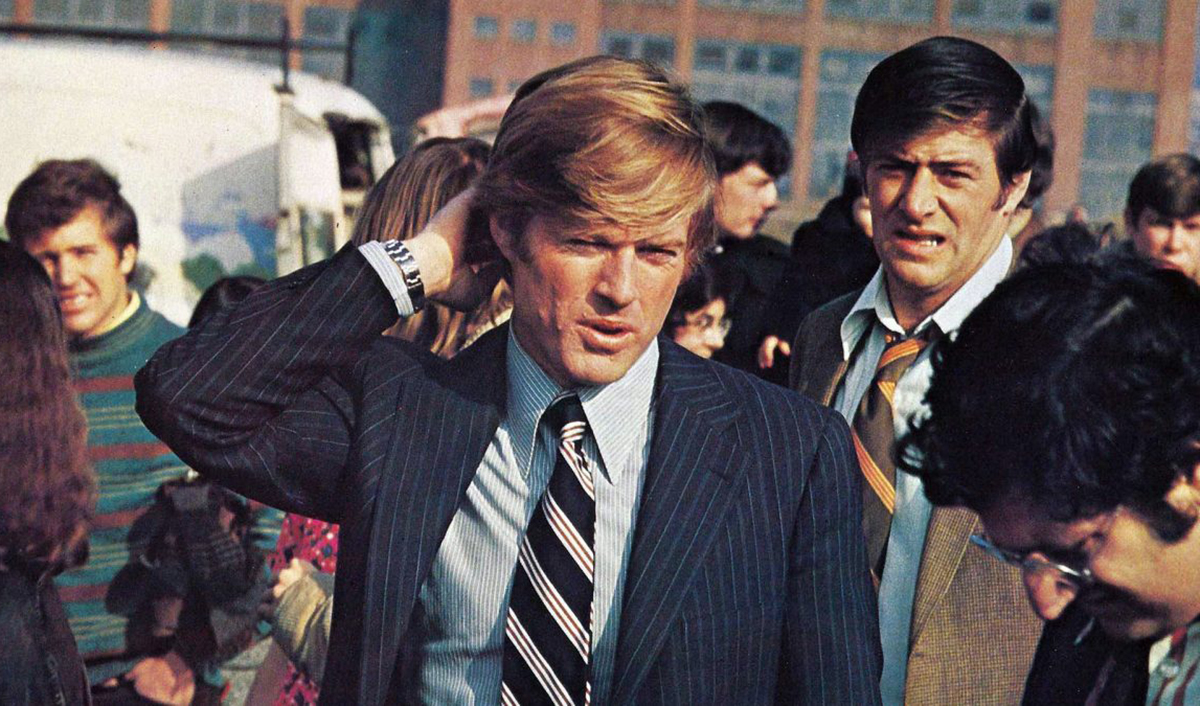
Maybe the most perfect use of Redfordâs image. Heâs both the pretty face and the empty suit, a man molded into politics not by conviction but by optics. The famous final lineââWhat do we do now?ââlands because Redford makes the emptiness behind the charm believable. Itâs one of the great endings in American political cinema, and Redford makes it sting.
5. ‘Quiz Show’ (1994)
As director, Redford crafts a moral melodrama that doubles as self-reflection. Ralph Fiennes plays Charles Van Doren, the telegenic golden boy undone by corruptionâand the echoes of Redfordâs own career are hard to ignore. Itâs his most quietly personal film, disguised as a period piece about TV scandals. And yes, that really is Martin Scorsese stealing scenes. Itâs as close as Redford ever came to interrogating his own star imageâand it still resonates.