âERâ was â90’s America. HBO Maxâs âThe Pittâ is 2024âs. Its creator, R. Scott Gemmill worked on âER,â as did the seriesâ star Noah Wyle, so it’s doubtless viewers will draw comparisons. And yet the two shows are distinct, purposive personalities. Novelist Michael Crichton created the former as an homage to his med school internship at a major hospital. âThe Pitt,â however, is an attempt to resurrect a personal, intimate medical drama after shows like âHouseâ and âGreyâs Anatomyâ dominated the landscape. And while the Crichton Estate was allowed to proceed with a lawsuit after claiming âThe Pittâ was a thinly-veiled reboot of âER,â itâs not. It less fast-paced (for most of its 15 episodes), features more in-depth character portraits in lieu of high-energy traumas, and takes place all in one dayâor one shiftâa la â24â style. And with Wyle at the helm (very much not John Carter), the show leaves a realistic imprint in its wake.Â
âThe Pittâ is also a definitive portrait of the problems modern Americans face, and handles these issues realistically. Many reviewersâmany doctors or nursesâhave claimed that the show is so realistic it reminds them of work. The same thing was said of âERâ back in the â90s. It just goes to show how realism in medical dramas is something of a constant ask from the audience, and appreciated when shown right.
Not an ‘ER’ Reboot
The series (which aired on Max in January 2025) starts with Wyleâs Dr. Michael Robinavitchâwho everyone calls Dr. Robbyâwalking into the Pittsburgh Trauma Medical Center with AirPods in, the hustle and bustle of the emergency department before him. Itâs not too busyâyet. This is not âER,â where manic paramedics are ushering in gangland shootings to be worked on. Robinavitch is dressed in a t-shirt, hoodie, and field watch, ready for a shift that willâby the end of itâfeel very much like a war zone. Compare this to âERâsâ John Carter walking into his first day dressed in a shirt, tie, and dress watch, and you get an idea of where this show will go.
Robinavitch is quickly pulled into the job, and here we meet the other players who will be with him for the next 15 hours. We have two new med students on their first day, Dennis Whitaker (Gerran Howell) and Victoria Javadi (Shabana Azeez). Thereâs a resident from the VA, Dr. King (Taylor Dearden) and a hotshot 4th-year resident Dr. Langdon (Patrick Ball). And thereâs Dr. Santos (Isa Briones), a 1st-year resident on her first day and Dr. McKay (Fiona Dourif), both strong female characters with gusto and things to learn. Yet the first look at the department we getâaside Dr. Robbyâs entranceâis as a pregnant Dr. Collins (Tracy Ifeachor) retches in the bathroom while charge nurse Dana (Katherine LaNasa) consoles her while keeping watch. Dana is the glue that holds the unit together, but âThe Pittâ isnât about her. Itâs about all of them, and the way Wyle, Gemmill, and company make the unit feel like a family.
A Show Detailing 2000’s America
Thereâs a lot of doctoring in âThe Pitt,â which is both its strong suit and a liability. Maybe liability is the wrong word. The physicians and nurses speak medical fluently, and it helps bring you into the series and quickly get lost. It can make it hard to follow sometime if youâre not a medical professional. Yet I have to give âThe Pittâ kudos for letting us understand ER shifts are more then traumas and drug overdoses (although both occur here). Sometimes it’s slow-paced and dull, and other-times it’s not. When Robby works with an alcoholic ready for discharge it’s lighthearted. But when a young boy comes in with a fentanyl overdose and is critically ill, itâs heavy, hard, and real.
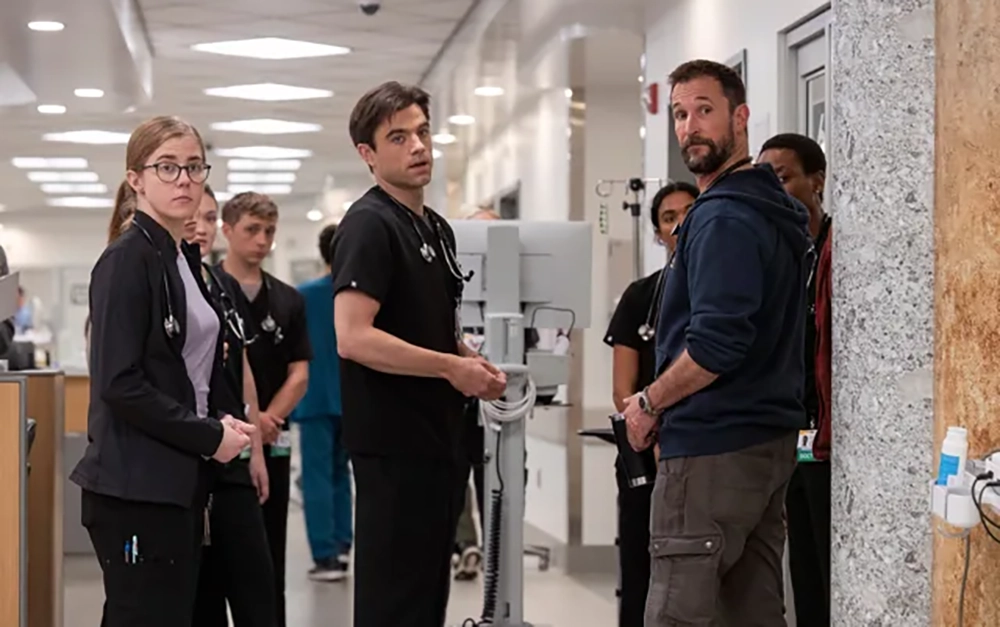
âThe Pittâ spends time on both its doctors and its patients, and for most of the show you feel like youâre there along with them. Thereâs very few traumas for the first couple of hours. Wyle (who co-produced and wrote two episodes) and company are not trying to dazzle us with fast-paced, bloody traumas. Robby talks to the alcoholic about getting help (liver failure is not a fun way to die) and to a brother and sister about how to say goodbye to their dying father. Things arenât resolved in an episode. Sometimes it takes multiple episodes (hours) for a patient to recover, pass, or receive the surgery they need. âThe Pittâsâ first few hours involves a lot of time and care. By the time the show kicks into high gear, you feel youâve worked 12 hours alongside them, though itâs been only 4. A social worker (Krystel Mcneil) sees patients as needed. She helps with loss, lack of resources, and emotions, and not only child abuse and neglect as âERâ painted things.
Here, the ER Feels Like Family
âThe Pittâsâ doctors and nurses all bring personality, and sometimes they rub each other the wrong way. Dr. Santos is full of confidence but demons. She and Dr. Langdon (also a hotshot, but a caring physician) butt heads throughout. Students Whitaker and Javadi are thrown in deep and stumble and learn. We learn things about the characters. Dr. McKay is 42 years old and has son, yet is only a second year resident. Dr. Kingâas highlighted in the great article by Timeâlikely has some form of neurodivergence. Yet the way the writersâand Dearden, who plays Kingâhandle it is a thing of beauty. All the characters appear as real people, not characters. I read that pieces of their personalities were given to them by âThe Pittâ writers, but not the whole story. They way the mesh together just works. By the end of the showâamidst its full steam final three episodesâyou want them all to be okay.
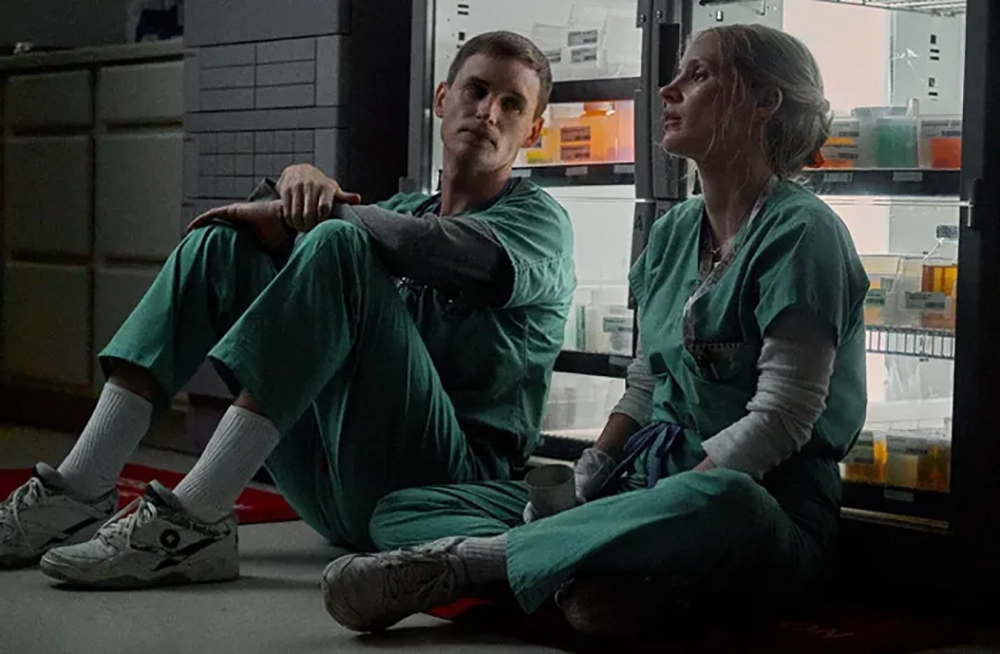
But yet âThe Pittâ is commenting on a changing society, even if it crams its commentary into one day instead of saving it for subsequent season (of which I hope there will be be many). This is a post-Covid show, and in fact Dr. Robby lost his mentor (a never seen Dr. Ademson) during the pandemic. The ER is understaffed and overfilled. A nuisance of a Chief Medical Officer (Michael Hyatt) pesters Robby about patient satisfaction scores and doing more with less while he and his team struggle to save lives. Fights break out in the waiting room over Covid masks, and a racist patient who thinks heâs above the âuninsuredâ patients surrounding him punches a nurse for waiting too long. The team is tired, overworked, and underpaid. And underneath it all brims a palpable threat of violence. The series hammers it home with a young teen Robby tries to help (Jackson Kelly)âwho made a list of girls to eliminate thatâ feels all too familiar.
Bingeworth Content
Yet this is a very watchable show. I in fact binged it over the course of four days, and would have finishes sooner if Iâd had time. I appreciated the patient, empathetic way Wyle imbued emotion into his character. He has his demons (Wyle and the whole cast absolutely kill their roles)âparticularly the 4-year anniversary of Ademsonâs deathâyet heâs the kind of doctor youâd want at your beside. Heâs suffering, yet he explains things. He cares. He learns. Robby and the other doctors put care into the art of teaching each other, and I loved how the show felt like the time I spent as a social worker in a teaching hospital. âThe Pittâs one absolute scolding of a student doctor is reprimanded quickly as not the way to teach.
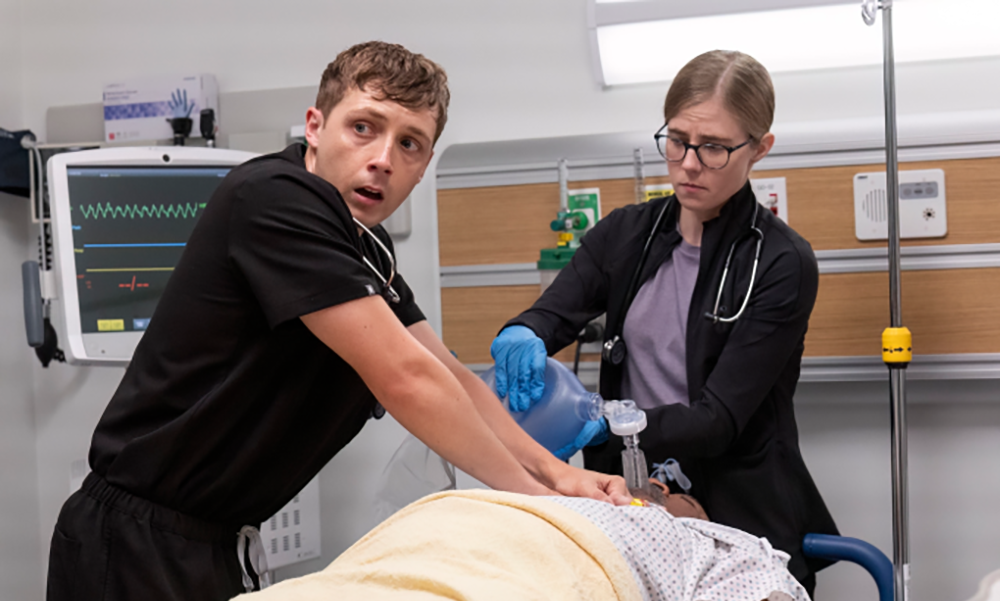
And amidst it all, the characters convince you they care. The patient situations mostly resolve the way they would in real life. The only exception is the showsâs uber-intense three-episode romp which becomes bloody, chaotic, and somewhat âERâ-like. It reels it in, yet I wonder what âThe Pittâ would have become if it kept its slower paced character stories more in the fore. Yet this is entertainment, and it needs a raison dâêtre. Most of the character portraits are fully-formed (aside a plot involving Dr. Langdon that felt unfinished), and it ends the way it should. The doctors leave the chaos, go home, and struggle with the internal question of whether to fight another day.
A Modern Medical Drama
This is a good show. If you like medical dramas, itâs an easy recommend. If you love âERâ and want to see if this is as goodâIâd ask you to recalibrate your expectations. Itâs not as fastâsave the third actâbut since it centers on a smaller cast and seldom leaves the ERâit’s more intimate. A second season is very likely (fingers crossed) and if youâre on the fence you should give this a try. Wyle is never once John Carter. He disappears into Dr. Robby. And by the showâs conclusion you really feel for him and these super human helpers. Its greatest takeaway is that despite their long hours, photographic memory, and hard emotions, they feel so utterly human.